Bringing home a baby parrot is an exciting commitment, but it's far more complex than just buying a cage and some seed. I've raised parrots for over a decade, and my first baby, an African Grey named Coco, taught me lessons the hard way. This guide cuts through the generic advice and gives you the actionable, nuanced details you need to raise a healthy, well-adjusted chick from hatchling to confident juvenile.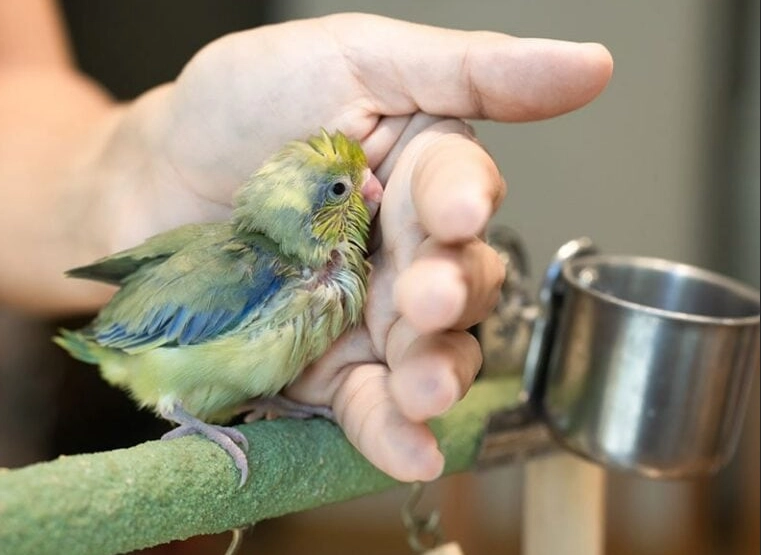
Your Quick Navigation Map
How to Hand-Feed a Baby Parrot Safely
Hand-feeding is the most critical and risky part of baby parrot care. Get it wrong, and you can cause aspiration pneumonia or crop stasis. The biggest mistake I see? People focus only on the formula temperature and ignore the feeding angle and chick posture.
Your chick should be upright, not on its back. The syringe or spoon should come from slightly below and in front, mimicking a parent's beak. If you see formula bubbling at the nares (nostrils), stop immediately—you're going too fast.
Essential Hand-Feeding Equipment Checklist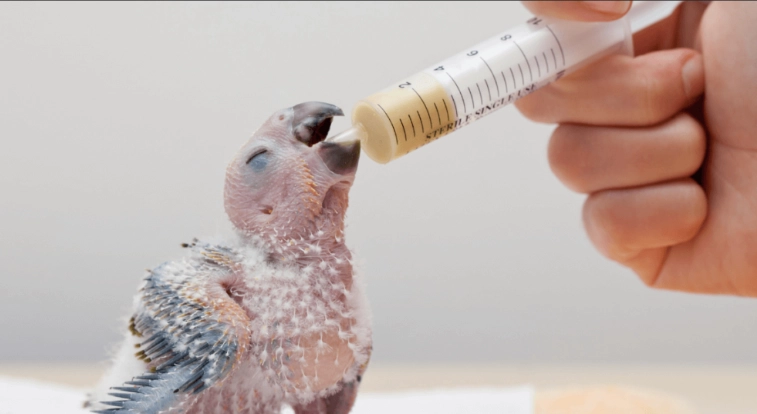
Don't skimp here. You'll need:
- Precise Gram Scale: Weigh the chick before each feeding to track growth. A stall or weight loss is the first sign of trouble.
- High-Quality Feeding Syringes (multiple): Have several so you can sterilize used ones while feeding.
- Reliable Thermometer: Formula must be between 102-105°F (39-40.5°C). Any cooler risks crop slowdown; hotter can burn.
- Brooder: For unfeathered chicks, a stable brooder maintaining 88-92°F (31-33°C) with 50-60% humidity is non-negotiable.
Baby Parrot Feeding Schedule & Formula Guide
This schedule is a guideline. A chick that sleeps through a feeding is likely content; one that is screaming and active is hungry. Always follow the chick's cues over the clock.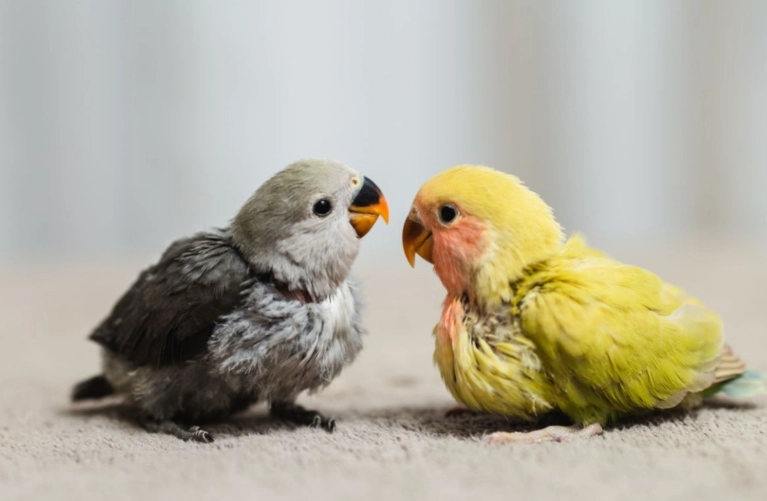
| Age (Weeks) | Feeding Frequency | Formula Consistency | Key Development Stage |
|---|---|---|---|
| 1-2 | Every 2-3 hours (including overnight) | Very thin, creamy soup | Eyes closed, minimal movement |
| 3-5 | Every 4 hours (drop overnight feed) | Thicker, like pancake batter | Eyes open, pin feathers emerging |
| 6-8 | 3 times per day | Very thick, holds shape | Fully feathered, exploring perch |
| 8+ | 2 times per day + offered solids | Weaning formula/mash | Active weaning phase begins |
Navigating the Weaning Process Without Stress
Weaning isn't a switch you flip. It's a gradual reduction of hand-feeding paired with an increase in offered solid foods. The most common error is rushing it due to frustration or a messy cage. A chick weaned too early often develops nutritional deficiencies and chronic screaming.
Start offering soft foods like soaked pellets, cooked sweet potato, and small pieces of mango around 6-7 weeks. Let them play in it. They'll make a mess. They'll eat very little. This is normal. The goal is exposure, not consumption.
My method? Keep the morning and night hand-feeding sessions for comfort and nutrition. At midday, offer a "party plate" of varied, warm, soft foods. Only offer formula if the chick shows little interest in the solids after 30 minutes. Gradually, they'll take less formula at the midday feeding on their own.
Creating the Perfect First Habitat
Your baby's first cage is more than a box. It's a training ground and safe haven. Skip the huge, complicated cage initially. A smaller, simpler cage reduces anxiety and makes it easier for the chick to find food, water, and security.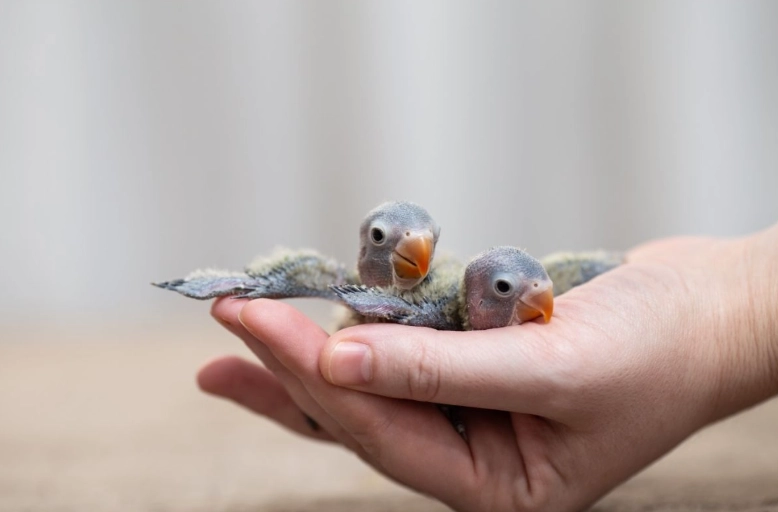
Baby Parrot Cage Setup Essentials
- Bar Spacing: Narrow enough that the head cannot get stuck. For most medium parrots (conures, quakers), 1/2 inch to 5/8 inch is safe.
- Perch Variety: Install multiple perch diameters, including a flat platform perch. Baby feet need exercise to prevent arthritis later. Natural wood branches (manzanita, dragonwood) are excellent.
- Low Placement: Place food and water dishes low and near a perch. Climbing down a long cage side to eat is daunting for a clumsy fledgling.
- Security Corner: Place a soft, fuzzy hut or tent in one upper corner (monitor for chewing). It mimics the security of a nest cavity.
The cage should be in a busy part of the home—like the living room—for socialization, but not in a direct draft or in front of a window with intense sun.
Early Socialization and Behavior Shaping
This is your golden window to prevent future parrot behavior problems like fear biting or screaming. Socialization means exposing the chick to various stimuli in a positive way before they develop fear.
Between 8 and 16 weeks, systematically introduce:
- Different People: Have calm friends offer a favorite treat.
- Household Noises: Vacuum cleaner, blender, doorbell. Pair the noise with a treat.
- Handling Exercises: Gently touch feet, wings, beak, and tail. This makes future grooming and vet visits easier.
- Novel Objects: Place new bird-safe toys near the cage, then inside it.
The key is pace. If the chick puffs up and backs away, you've gone too fast. Retreat and try again later with a higher-value reward.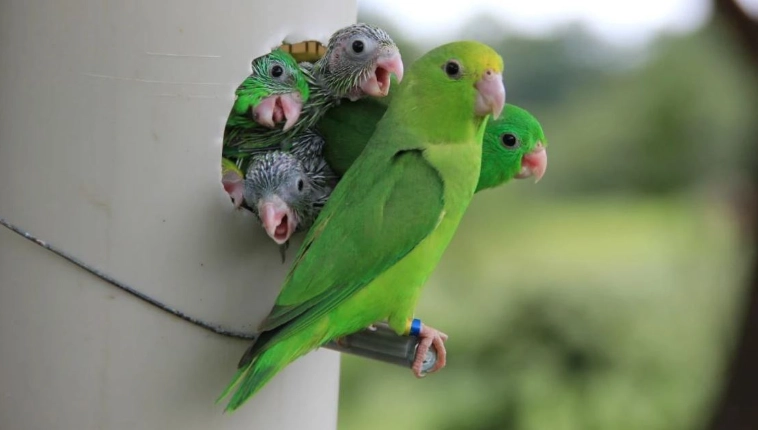
Health Monitoring: Recognizing Red Flags
Baby parrots hide illness until they crash. You must be a detective. Daily checks are mandatory.
The Crop Check: The crop (food pouch on the chest) should be empty or nearly empty before a scheduled feeding. If it's still full and doughy-feeling hours later, it's a sign of crop stasis—a veterinary emergency.
Droppings: Normal droppings have three parts: dark solid feces, white urates, and clear liquid urine. Green or yellow urates, blood, or undigested seed in the feces of a hand-fed baby are immediate red flags.
Activity Level: A healthy baby is alert, vocal, and has a good appetite. A chick that sits fluffed at the bottom of the cage, sleeps constantly, or refuses food is critically ill. Don't wait. Have an avian vet's number saved before you bring the chick home. The Association of Avian Veterinarians is a good resource to find a specialist.
Expert Answers to Your Toughest Questions
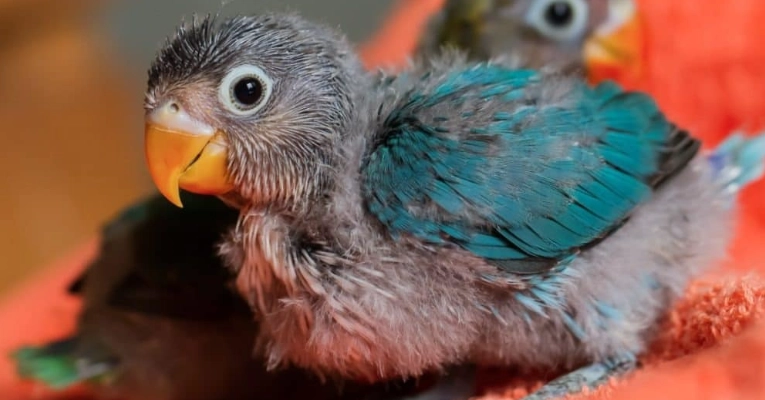 How can I tell if my baby parrot is actually eating the solid foods I offer, or just playing and throwing them?
Join the Conversation