Quick Guide
- The #1 Reason: It Hurts. Medical Issues That Cause Floor Pooping
- Is It the Box? The Litter Box Setup Audit
- It's Not You, It's the Environment: Stress and Anxiety
- When It's a Behavioral Message: Marking vs. Elimination
- The Step-by-Step Action Plan: What to Do Right Now
- Common Questions & Final Thoughts
You walk into the room and there it is. A little (or not so little) present on your rug, just far enough from the litter box to feel intentional. Your first reaction might be frustration. Maybe a bit of disgust. But mostly, you're just confused. Why is my cat pooping on the floor instead of the litter box? They used to be so good about it!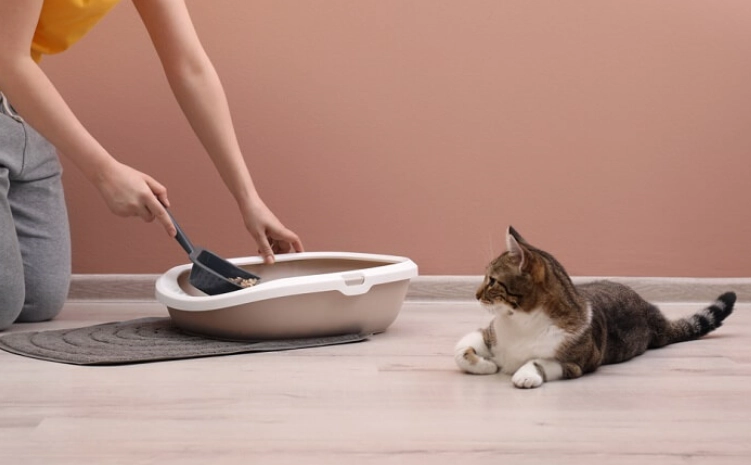
I've been there. My tabby, Finn, decided the bathmat was a superior toilet for a solid two weeks last year. It drove me nuts until I figured out the real reason. Spoiler: it wasn't him being "spiteful." That's a myth, by the way. Cats don't have the cognitive wiring for revenge poops. Something else is always going on.
This behavior, which vets call "inappropriate elimination," is one of the top reasons cats lose their homes or end up in shelters. It's that frustrating. But before you even think about that, take a deep breath. In almost every case, this is a solvable problem. Your cat is trying to tell you something. They're sending you a message in the only way they know how. Our job is to play detective and figure out what that message is.
This guide will walk you through every possible reason, from the most urgent to the more subtle. We'll start with the non-negotiable first step.
The #1 Reason: It Hurts. Medical Issues That Cause Floor Pooping
Imagine you have a terrible stomach ache or a sharp pain when you try to go to the bathroom. You'd start associating that pain with the bathroom itself, right? Your cat does the same. If using the litter box is painful, they'll avoid it and find a softer, potentially less painful spot—like your carpet.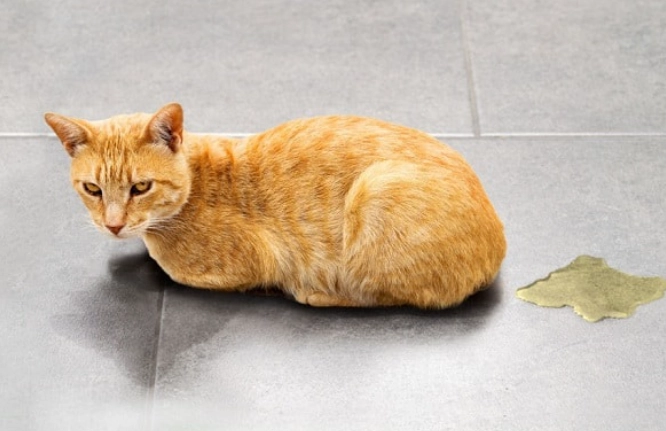
Here are the common culprits:
- Arthritis or Joint Pain: This is huge, especially for older cats. Getting in and out of a high-sided box, or squatting on grainy litter, can be agony for achy joints. A senior cat might simply choose the floor because it's easier to access.
- Urinary Tract Issues (FLUTD) or Constipation: Straining to go is painful. A cat with a urinary blockage or severe constipation may link that awful feeling to the box itself. The American Veterinary Medical Association (AVMA) notes that urinary issues are a leading cause of litter box avoidance.
- Digestive Problems: Inflammatory bowel disease (IBD), food allergies, or parasites can cause urgent, painful, or uncontrollable bowel movements. Your cat might not make it to the box in time, or again, associate the box with discomfort.
- Other Ailments: Diabetes, hyperthyroidism, or even cognitive decline in older cats can affect litter box habits. Their metabolism or brain just isn't working like it used to.
Finn's bathmat phase? It was early-stage arthritis. The vet felt his joints and he flinched. I felt awful for being annoyed. We got him on a joint supplement and switched to a low-entry box, and the problem vanished. The lesson? Never assume it's behavioral first.
A thorough vet check should include a physical exam, possibly blood work, and a urinalysis. It's the only way to rule out pain as the root cause of your cat pooping on the floor instead of the litter box.
Is It the Box? The Litter Box Setup Audit
Okay, let's say the vet gives your cat a clean bill of health (hooray!). Now we look at the crime scene: the litter box. Cats are fastidious creatures with strong preferences. What seems fine to us can be a deal-breaker for them.
Location, Location, Location
Would you want to use a toilet in a loud, dark basement next to a rumbling washer? Or in the middle of a busy hallway? Probably not.
- Too Remote or Scary: A box in a distant, infrequently used part of the house (like a cold basement or garage) can feel unsafe. Cats are vulnerable when they go. If they get startled once by a noise, they might not go back.
- Too Busy or Inaccessible: A box in a high-traffic family room is just as bad. Constant foot traffic is stressful. Also, is the box easy for your cat to get to 24/7? A closed door is an obvious barrier.
- Near Food and Water: Cats instinctively don't soil near where they eat. Keep boxes well away from feeding stations.
The ideal spot is quiet, low-traffic, but not isolated, with at least two escape routes (so they don't feel trapped).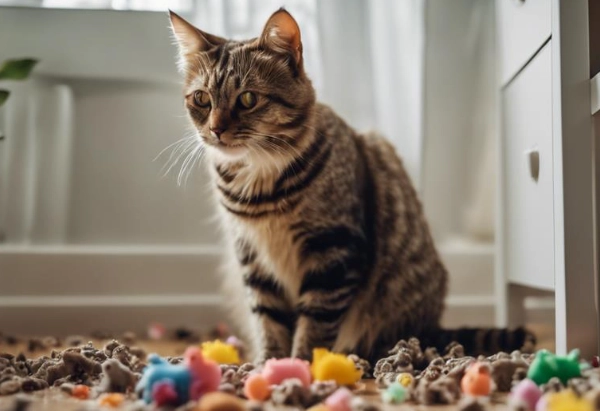
The "Goldilocks" Principle of Cleanliness
Not clean enough is a classic reason for litter box avoidance. But surprisingly, too clean can also be an issue if you use harsh chemicals.
Most cats want a pristine box. Scooping once a day is the bare minimum. For some picky felines, twice a day is non-negotiable. A dirty box is like a filthy public toilet—they'll hold it or find somewhere else.
When you clean the box itself, avoid strong-smelling cleaners like bleach or ammonia (which, fun fact, is also in urine and can attract them back to the spot). Use mild soap and warm water. Baking soda and vinegar work great for deodorizing.
Box Type and Litter Type: The Great Divide
This is where personal preference really kicks in. You might love a covered box for odor control, but your cat might feel trapped in a small, smelly cave. Some cats are fine with hoods; many vets and behaviorists recommend open boxes because they're less confining and easier to keep clean.
Size matters too. The rule of thumb is 1.5 times the length of your cat from nose to tail base. Most commercial boxes are too small. A big, shallow storage tub with a low-cut entry can be a fantastic, inexpensive alternative.
Now, let's talk litter. This is a massive factor. The texture, scent, and depth can all be off-putting.
| Litter Type | Potential Pros for Some Cats | Potential Cons (Why Cats Might Hate It) |
|---|---|---|
| Scented Clay | Smells "clean" to humans. | Overpowering perfume to a cat's sensitive nose. Can cause respiratory irritation. Often the #1 offender. |
| Non-Scented Clumping Clay | Familiar texture, good clumping. | Dusty. Can stick to paws. Some cats dislike the feel. |
| Silica Gel Crystals | Great odor control for humans. | The crunchy, sharp texture can be painful on paws. Makes weird noises. |
| Pine/Wood Pellets | Natural, low dust, eco-friendly. | Texture changes when wet (breaks into sawdust). Unfamiliar feel and smell. |
| Recycled Paper | Very soft, low dust, good for post-surgery. | Not great at odor control. Doesn't clump. Feels "different." |
| Fine-Grain Sand-like Litter | Feels most like natural dirt/sand. | Can track easily. May be more expensive. |
The best advice? Offer a choice. Set up two identical boxes side-by-side with two different litters and see which one your cat uses consistently. Unscented, fine-grained clumping litter is a safe bet to start. And keep it deep enough—most cats like 2-3 inches to dig.
It's Not You, It's the Environment: Stress and Anxiety
Cats are creatures of habit. Their world is their territory, and any disruption to it can cause anxiety that manifests in odd ways—like pooping outside the box. It's not a conscious protest; it's a stress response.
Common environmental stressors include:
- A New Pet (or Baby or Roommate): This changes the social dynamic, competes for resources, and introduces new smells and sounds. A study published in the Journal of Feline Medicine and Surgery has linked inter-cat conflict within a household to a significant increase in house-soiling issues.
- Construction/Remodeling or Moving: Loud noises, strange people, furniture moving, or an entirely new home are hugely disruptive.
- Changes in Routine: You started a new job with different hours. A family member left for college. These shifts matter.
- Conflict with Another Household Cat: This is a big one that's often missed. One cat may be guarding the litter box, intimidating the other cat when they try to use it. The victim cat then finds a "safe" spot elsewhere. They're not being naughty; they're being bullied away from the resource.
- Outdoor Threats: Seeing or smelling a stray cat through the window can make your indoor cat feel the need to mark their territory more vigorously inside.
How do you know it's stress? Often, it coincides with other signs: hiding more, over-grooming, changes in appetite, or increased vocalization. The pooping is just one symptom.
When It's a Behavioral Message: Marking vs. Elimination
It's crucial to distinguish between two different acts: inappropriate elimination (just needing to go) and marking.
- Inappropriate Elimination: This is what we've mostly discussed. The cat empties their bladder or bowels. They'll squat and leave a substantial amount of poop (or a puddle of pee) usually on a horizontal surface like the floor. The primary drive is physical relief or avoiding an unpleasant box.
- Marking (Spraying): This is a communication tool. Cats stand, back up to a vertical surface (wall, furniture, curtain), tail quivering, and spray a small amount of pungent urine. It's about leaving a scent "message" about territory, anxiety, or sexual availability (if not fixed).
If your cat is pooping on the floor, it's almost always elimination, not marking. But the underlying cause can still be territorial anxiety, especially in multi-cat homes. They might be pooping in a specific area to mix their scent with yours (on your bed, for instance) because they feel insecure.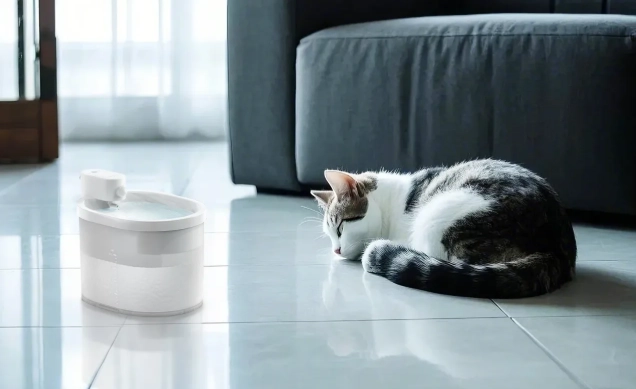
Addressing this requires fixing the social tension. Provide vertical space (cat trees), separate feeding stations, and plenty of individual playtime. Sometimes, a slow, proper reintroduction of the cats is necessary, even if they've lived together for years.
The Step-by-Step Action Plan: What to Do Right Now
Feeling overwhelmed? Let's break it down into a clear checklist. Work through these steps methodically.
- VET VISIT. I can't stress this enough. Document when and where the accidents happen to tell your vet.
- Conduct the Litter Box Audit.
- Increase the number of boxes to # of cats + 1.
- Move boxes to quiet, safe, accessible locations.
- Switch to unscented, clumping litter (try a sand-like texture).
- Get bigger, open boxes (or at least one as an experiment).
- Scoop at least daily. Do a full clean with mild soap weekly.
- Clean Accidents Extremely Thoroughly. Use an enzymatic cleaner specifically designed for pet urine/feces (like Nature's Miracle, Rocco & Roxie, or Simple Solution). These break down the organic molecules that standard cleaners leave behind. If your cat can still smell their old accident, they'll think it's an appropriate toilet spot. Black lights can help find old spots.
- Manage the Environment.
- Use pheromone diffusers (Feliway) in main living areas and near litter boxes.
- If conflict with another cat is suspected, ensure separate resources (food, water, boxes, beds) and provide high perches.
- Block access to favorite accident spots temporarily (with foil, double-sided tape, or by placing a food bowl there—cats won't soil where they eat).
- Re-evaluate Diet. With your vet's guidance, consider if a diet for sensitive stomachs or a hydrolyzed protein food for allergies might help. Ensure they're getting enough fiber to avoid constipation.
- Be Patient and Observe. Changes won't happen overnight. Keep a simple log: date, time, location of accident, and what was happening in the house. Patterns will emerge.
If you've done all this and the problem persists, it's time to call in a professional. Not a trainer, but a certified cat behavior consultant. These folks are wizards at unraveling complex feline puzzles. The International Association of Animal Behavior Consultants (IAABC) has a directory of certified professionals.
Common Questions & Final Thoughts
Figuring out why your cat is pooping on the floor instead of the litter box is a process of elimination (no pun intended). It requires patience, observation, and a willingness to see the world from your cat's perspective. Start with the vet. Be brutally honest about your litter box habits. Look for changes in your home.
Most of the time, it's not a complex psychological issue. It's often something simple and fixable—pain, a dirty box, a litter they hate, or a box that's hard to get into. Address those basics first, and you might be surprised how quickly the problem clears up.
Your cat isn't trying to ruin your day. They're asking for help. Listen to them.




Join the Conversation