Let's cut to the chase. You're here because you've heard rumors, seen concerning reviews, or maybe your cat is acting off after a litter change. Choosing the wrong cat litter isn't just about a smelly house or messy paws—it can directly impact your cat's health. After dealing with urinary issues in one of my cats traced back to a heavily scented litter, I dug deep. The market is flooded with options, but some are downright risky. Based on veterinary insights and hard lessons, here are the five types of cat litter you should steer clear of, and exactly what to use instead.
Your Quick Guide to Safer Choices
- Silica Gel Crystal Litter: The Dehydration Danger
- Clumping Clay Litter with Sodium Bentonite
- Scented and Deodorizing Litters
- Biodegradable Litters Made from Certain Nuts
- Low-Quality Dusty Litters (Any Type)
- How to Choose a Safer Cat Litter: A Practical Guide
- The One Rule Every Cat Owner Should Follow
- Your Cat Litter Safety Questions Answered
Silica Gel Crystal Litter: The Dehydration Danger
Those clear, pearl-like beads look clean and high-tech. They're super absorbent, control odor well, and last a long time. What's not to love? The potential for severe toxicity, that's what.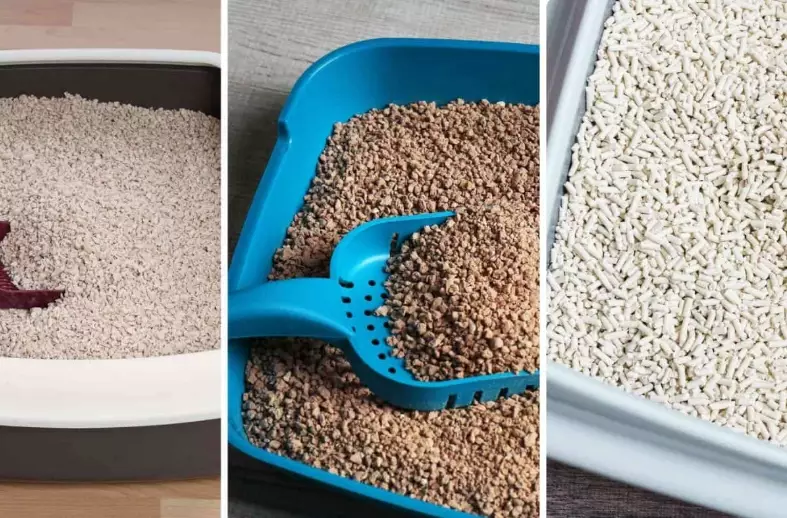
Why You Should Avoid It
The primary ingredient is silica gel, the same stuff in those "Do Not Eat" packets in shoe boxes. It works by absorbing moisture incredibly effectively. The problem is curiosity. Kittens, in particular, might bat these beads around and ingest them. Once ingested, the silica gel can continue absorbing moisture in the digestive tract, leading to dehydration, intestinal blockage, and in severe cases, toxicity. The ASPCA lists silica gel as a concern, noting that while often labeled "non-toxic," the desiccant action itself is the hazard. I know a cat owner whose kitten required an expensive emergency vet visit after playing with and swallowing several beads.
But it's not just ingestion. The dust from these crystals, often called crystalline silica dust when broken down, is a respiratory irritant for both you and your cat. Long-term exposure to fine silica dust is a known occupational hazard for humans (think construction), and while home use levels are lower, why take the risk with a sensitive feline respiratory system?
What to Use Instead
If you like the low-maintenance aspect of crystal litter, look for a non-silica gel alternative. Some newer litters use highly absorbent minerals like diatomaceous earth or zeolite, which pose far less risk if accidentally ingested. Always check the ingredient list.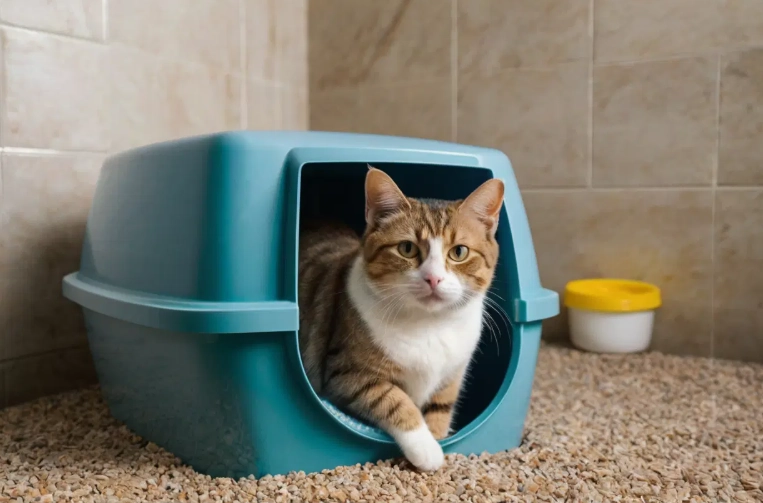
Clumping Clay Litter with Sodium Bentonite: The Intestinal Blockage Risk
This is the classic, the one in the blue jug. Sodium bentonite clay is what makes it "clump" so tightly when wet. It's cheap and effective. It's also a major source of dust and poses a significant internal risk.
The clumping action is so strong that if a kitten or cat licks it off their paws (which they all do), the clay can begin to clump inside their digestive system. This can lead to life-threatening blockages. This isn't just theoretical; vets have documented cases. The dust from clay litter is also a significant issue, containing silica (different from silica gel, but still problematic as dust). It can exacerbate asthma in cats and create a dusty haze in your home.
Personal Anecdote: I used a popular clumping clay litter for years without a second thought. Then I noticed my cat would sometimes have little clay chunks stuck between his toes. When I thought about him meticulously cleaning those paws later, it clicked. I switched within the week.
A Safer Clumping Alternative
Plant-based clumping litters made from materials like corn, wheat, or tofu (soy) use different binding agents. They clump well for scooping, but if ingested in small amounts, they are biodegradable and less likely to cause an internal obstruction. They're also naturally lower in dust.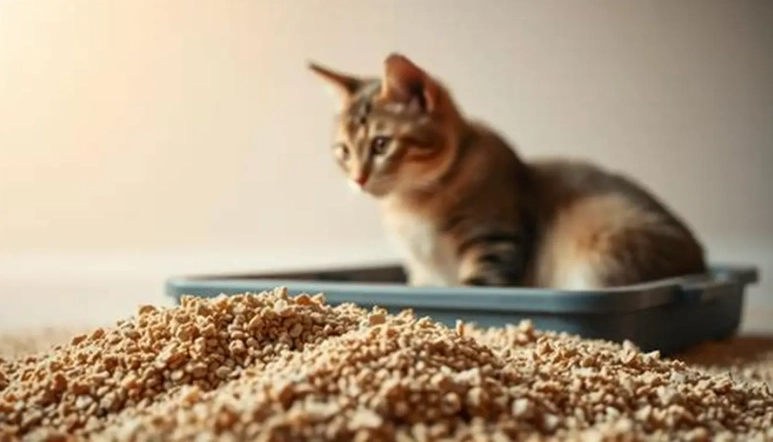
Scented and Deodorizing Litters: The Chemical Overload
This might be the most common mistake well-meaning owners make. The litter box smells, so you buy the "Mountain Fresh" or "Spring Breeze" scented litter. Problem solved, right? Wrong. You've likely just made it worse for your cat.
A cat's sense of smell is about 14 times stronger than ours. Those perfumes and masking agents are overwhelming to them. It can deter them from using the box altogether, leading to inappropriate elimination outside the box. More insidiously, the chemicals used to create those scents (often phthalates or other volatile organic compounds) can be respiratory irritants. For cats with asthma or allergies, scented litter can trigger flare-ups.
The Real Solution to Odor
Odor control should come from absorption and neutralization, not masking. Look for litters with natural odor controllers like activated charcoal, baking soda, or plant enzymes. A good, unscented litter that manages ammonia effectively will smell like nothing to you, which is the goal—not like a fake lavender field.
Biodegradable Litters Made from Certain Nuts: The Hidden Allergen
Natural, biodegradable litters are fantastic. But here's a nuance most lists won't tell you: litters made from walnut shells or pecan shells can be problematic. These are great for the environment, but nuts are a known allergen for some cats (and humans).
If your cat has any unknown food sensitivities or allergic tendencies, introducing a litter made from a potential allergen through their paws and grooming habits is a risk. The dust from these litters can also be quite fine. I tried a walnut shell litter once because of its excellent reviews. One of my cats started over-grooming his paws. It stopped when we switched back. Coincidence? Maybe, but I'm not willing to test it again.
Safer Biodegradable Picks
Stick to more hypoallergenic plant materials like pine pellets, recycled paper, wheat, or corn. These are less commonly associated with pet allergies and are still excellent eco-friendly choices.
Low-Quality Dusty Litters (Any Type): The Respiratory Irritant
This cuts across all categories. Any litter that kicks up a cloud of fine dust when you pour it or when your cat digs is a problem. This dust settles in your cat's lungs, your lungs, and all over your house.
Consistent inhalation of fine particulate matter can contribute to or worsen feline asthma, which is more common than people think. It also tracks everywhere, defeating the purpose of a "clean" litter solution. The dust often indicates lower-quality processing, regardless of the base material.
How to Test for Dust
Before committing to a big bag, see if you can buy a small one. Pour some from a height into a clean litter box in a sunbeam. Watch the cloud. A good litter will have minimal to no visible dust plume.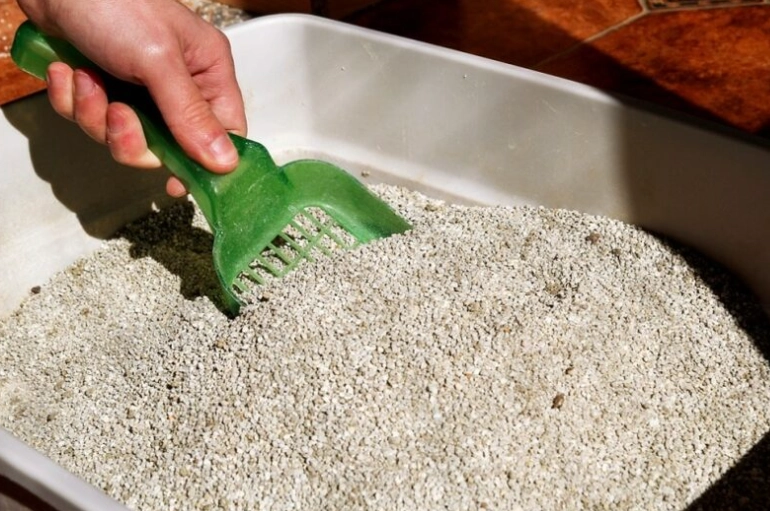
How to Choose a Safer Cat Litter: A Practical Guide
Now that you know what to avoid, how do you pick a winner? Don't just grab the first "natural" bag you see. Compare based on these core safety and performance factors.
| Litter Type | Key Safety & Health Considerations | Best For | Potential Drawbacks |
|---|---|---|---|
| Pine or Wood Pellet Litter | Very low dust, natural pine scent neutralizes odor, non-clumping (turns to sawdust), non-toxic if ingested in small amounts. | Households with dust allergies, cats with respiratory sensitivities, budget-conscious owners. | Some cats dislike the texture; requires a sifting litter box; odor control for heavy urine can be moderate. |
| Corn or Wheat Clumping Litter | Clumps well, typically low dust, plant-based and biodegradable. Generally safe if ingested in tiny amounts. | Owners transitioning from clay who want clumping, eco-conscious households. | Can attract pantry pests if stored improperly; some brands may have a subtle grain smell when fresh. |
| Recycled Paper Pellet Litter | Extremely low dust, highly absorbent, good for post-surgery (no small particles), inert and safe. | Kittens, cats recovering from surgery, cats with known dust allergies. | Poor clumping (mostly absorbs), may need frequent full changes, tracking can be an issue with pellets. |
| Tofu (Soy) Clumping Litter | Very low dust, excellent clumping, flushable (check brand specifics), natural odor control. | Those seeking convenience and low environmental impact, multi-cat households needing strong clumping. | Can be more expensive; may develop mold if left wet for extended periods in humid climates. |
| Grass Seed Litter | Naturally low dust, soft texture, clumps very tightly, renewable resource. | Cats who prefer a softer paw feel, owners wanting a highly clumping natural litter. | Can track easily due to light weight; some cats may try to eat it; price can be high. |
The best choice depends on your cat's preferences more than yours. A litter that's 100% safe but that your cat refuses to use is a 0% solution. Which brings me to the most important point.
The One Rule Every Cat Owner Should Follow
All this research is useless if your cat vetoes your choice. The single most critical factor in litter box success is your cat's acceptance. A stressed cat holding it in is at risk for urinary tract infections and blockages.
When switching litters, do it gradually. Mix 25% new with 75% old for a few days, then 50/50, then 75/25. Watch your cat's behavior. Are they using it without hesitation? Digging normally? No excessive sneezing or paw-shaking? That's your green light.
If they avoid it, you may need to try a different texture. Some cats hate pellets but love fine grain. It's a process. Your patience here is the ultimate act of preventative healthcare.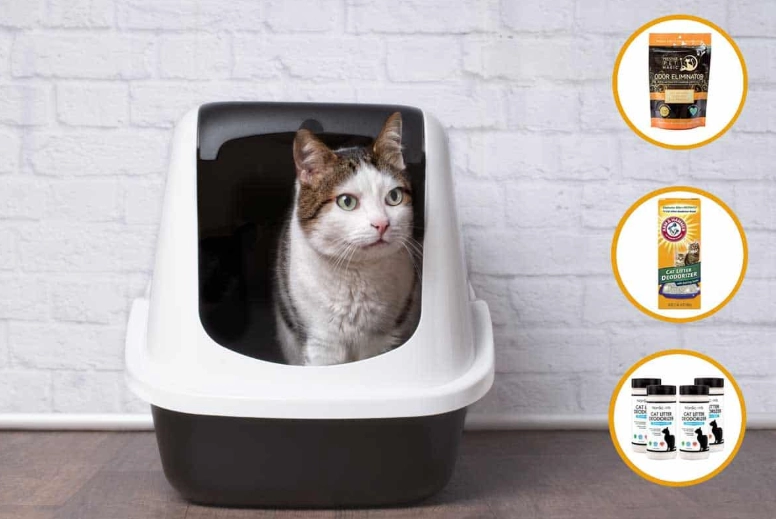
Your Cat Litter Safety Questions Answered
 Are clumping litters always dangerous?
 Choosing cat litter feels mundane, but it's a daily health factor for your cat. Avoiding the problematic types isn't about fear; it's about making a simple, informed choice that supports their well-being. Start with an unscented, low-dust, plant-based option, observe your cat, and you'll be on the right track. Your cat's silent comfort is the best review you'll get.

Join the Conversation