Quick Navigation
Let's be honest for a second. The classic litter box setup? It's a chore. The dust, the smell, the constant sweeping of tracked litter across your kitchen floor. If you're asking yourself "what can I use instead of a litter box," you're definitely not alone. I've been there, staring at that plastic tray, wondering if this is really the best we can do for our feline overlords.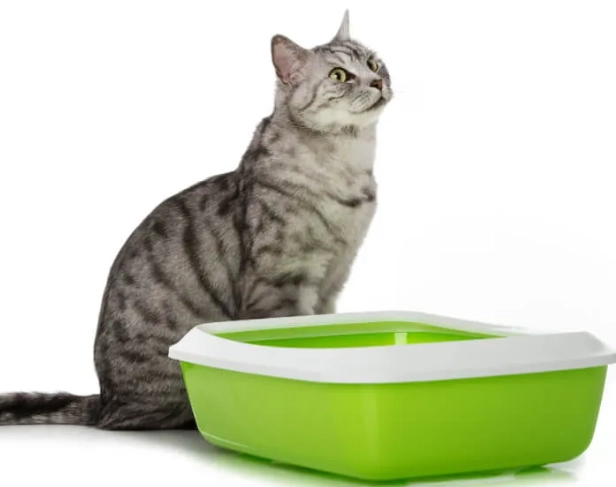
Maybe you're dealing with a cat who's suddenly decided their box is unacceptable. Maybe you're moving to a smaller apartment and need a more space-efficient solution. Or maybe, like me a few years back, you're just plain tired of the whole routine. The good news is, the world of cat bathroom solutions has expanded far beyond the basic plastic rectangle. Some options are brilliant, some are... well, let's just say they require a very specific type of cat (and owner).
This guide isn't about pushing one miracle product. It's about laying out all the practical, creative, and sometimes quirky answers to the question of what can I use instead of a litter box. We'll look at cheap DIY hacks, commercial systems, and even long-term training methods. I'll also share what worked (and what totally bombed) when I tried some of these with my own two cats, a fussy senior and a fearless kitten.
Why Look for a Litter Box Alternative in the First Place?
Before we jump into the list of substitutes, it's worth figuring out your "why." Your reason will heavily influence which alternative is actually worth your time and money.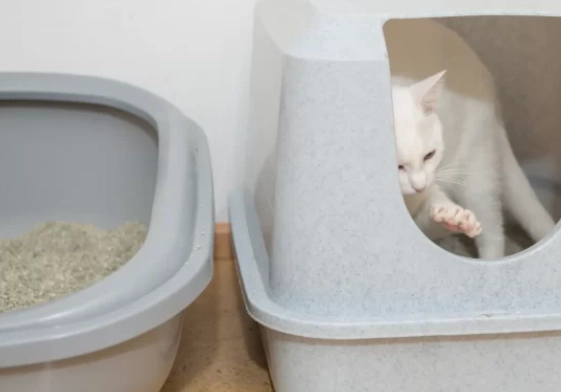
For most people, it boils down to a few common pain points:
- The Mess: Litter gets everywhere. No matter what type you use, some of it ends up on your floors, your rugs, maybe even in your bed (if your cat is particularly enthusiastic). Clumping litter is great until you step on a wet, sandy lump with bare feet in the dark.
- The Dust: Clay litters can create a fine dust that coats nearby surfaces and isn't great for your cat's (or your) respiratory system. Ever seen a sunbeam hit near the litter box? You'll see the dust dancing in the air.
- The Smell: Even with daily scooping, odor can linger. It's not always the waste itself; sometimes it's the perfumes in scented litters, which many cats actually hate.
- The Space: A bulky litter box can dominate a small bathroom or closet. Covered boxes are even bigger.
- The Cost: Good quality, low-dust, clumping litter isn't cheap. The cost adds up month after month.
- The Aesthetics: Let's face it, a plastic box full of sand is not a stylish home accessory. You might want something that blends in better.
- Cat Rejection: Sometimes your cat is the one asking "what can I use instead of a litter box" by peeing on your laundry or behind the couch. This can signal a problem with the box itself (too small, too dirty, wrong litter, wrong location).
My own breaking point came when my older cat, Jasper, started kicking litter out with such force it would land three feet away. I was sweeping twice a day. Enough was enough.
The Big List: 7 Alternatives to a Standard Litter Box
Here’s a rundown of the most common and effective substitutes, from quick fixes to lifestyle changes. Think of this as a menu—not every dish will suit your cat's palate.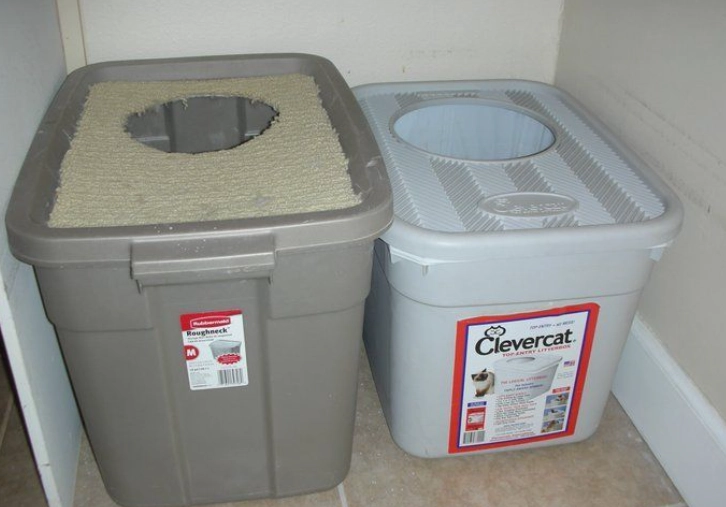
1. The DIY Cardboard Box Litter Box (The Ultra-Budget Starter)
This is the simplest answer to "what can I use instead of a litter box" in a pinch. It's not pretty and it's not permanent, but it works.
What you need: A sturdy cardboard box (like a large moving box or a diaper box), a trash bag or plastic liner (optional), packing tape, and your cat's usual litter.
How to make it: Cut down the sides of the box to your desired height—lower for kittens or older cats, higher for enthusiastic diggers. If you're worried about leaks, line it with a plastic bag before adding litter. Reinforce the corners with packing tape. That's it.
The good: It's free or nearly free. You can customize the size easily. It's disposable, so if it gets too soiled or smelly, you can just recycle the whole thing and make a new one. Great for fostering, traveling, or temporary situations.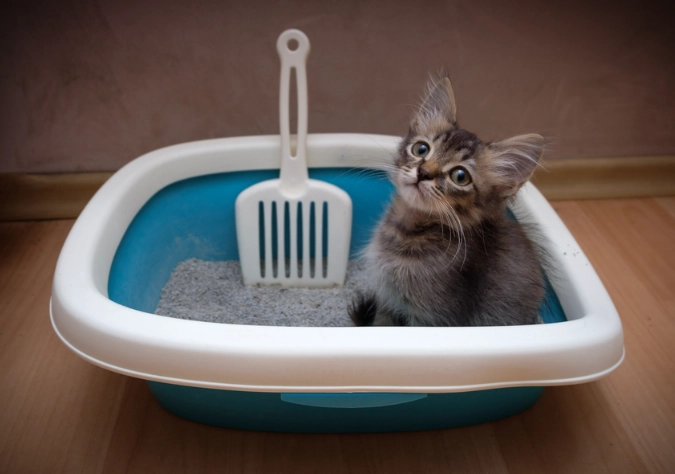
The not-so-good: It looks, well, like a cardboard box. It's not durable. If it gets wet, it will weaken and potentially leak. Not a solution for cats who like to scratch the sides. Definitely a short-term fix.
2. The Sifting Litter Box with Pine Pellets (The Wood Shop Method)
This isn't just a different box; it's a different system. Instead of clay or clumping litter, you use wood pellets (like those sold for horse bedding or pellet stoves—just make sure they're untreated and non-toxic).
How it works: You need a two-layer sifting box. The pellets go on top. When your cat pees, the pellets disintegrate into sawdust, which falls through the sifting layer into the bottom tray. Solid waste stays on top. You scoop the solids daily, and every few days you shake the sifter to let all the sawdust fall through, then dispose of it. The pellets are incredibly absorbent and have a natural, pleasant pine smell that neutralizes odor.
The good: Drastically reduces tracking (the pellets are too big to stick to paws). Very low dust. Amazing odor control—seriously, the pine smell beats any artificial perfume. Extremely cheap if you buy bulk wood pellets from a farm supply store. Environmentally friendly and often compostable (check local guidelines).
The not-so-good: Some cats are confused by the new texture at first. The sawdust can be fine and messy when you're cleaning it out. You need the specific sifting box setup. It doesn't "clump" around urine, so you rely on the sifting process.
I switched to this system for a year. The odor control was phenomenal. But my younger cat never stopped trying to eat the pellets, so I had to stop. See? Cat-specific.
3. Disposable & Biodegradable Options
These are commercially made, often from recycled paper, wheat, or grass. They come as a complete unit: a box made of the biodegradable material, pre-filled with litter of the same material.
Brands like so phresh or similar make cardboard trays with paper litter. You use the whole thing for a few weeks, and then you can compost the entire box (solids removed, of course). There are also litter box liners made from cornstarch or other plant materials that break down.
The good: Super convenient. No plastic waste. Great for people with composting setups. The litter is usually very low-dust. The whole unit is lightweight.
The not-so-good: Can be more expensive per use than a traditional setup. The absorbency might not be as high as clay for some cats, leading to more frequent changes. Not all municipal composting programs accept pet waste, so you need to research home composting methods safely.
4. Top-Entry or High-Sided Storage Containers (The Clever Disguise)
This is less about the material and more about the form factor. A large, opaque storage tote from a home goods store can be a fantastic litter box. You cut a hole in the lid for top-entry, or just use the tall sides as-is.
This directly answers the question of what can I use instead of a litter box when your main issues are tracking, mess, and aesthetics.
How to set it up: Get a large, clear or opaque plastic storage tote (at least 50-60 quarts). If going for top-entry, use a marker to draw a circle on the lid large enough for your cat to comfortably jump through (usually 10-12 inches in diameter). Cut it out with a utility knife and sand the edges smooth. Place litter inside. The high sides contain even the most vigorous digging, and jumping in and out helps knock litter off their paws.
The good: Contains litter and smell incredibly well. Looks more discreet—just looks like a storage bin. Very inexpensive for the functionality. Durable and easy to clean.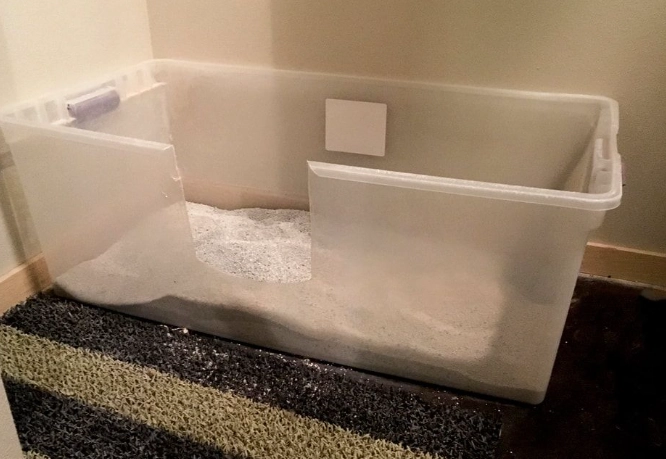
The not-so-good: Top-entry isn't suitable for very young, old, or disabled cats who can't jump. The enclosed space can trap odors inside, which might bother some cats when they enter. You need to be diligent about scooping.
5. Commercial Self-Cleaning Litter Boxes
These are the high-tech answer. Brands like Litter-Robot, PetSafe, and others offer automated boxes that sift, rake, or otherwise remove waste into a sealed compartment after your cat leaves.
The good: The ultimate in convenience. You only empty a waste drawer every few days to a week. Provides a fresh bed of litter for your cat every time. Great for multi-cat households. Some connect to apps to tell you usage statistics.
The not-so-good: Very high upfront cost. They are large, heavy, and often require a specific type of clumping litter. They can be noisy, which might scare skittish cats. Mechanical parts can break or get jammed. They need a power outlet. My friend swears by her Litter-Robot, but another friend's cat was terrified of the whirring sound and refused to go near it.
6. Washable, Reusable Systems (Like Puppy Pads or Sod Boxes)
This is a more niche approach. Some systems use washable, absorbent mats (similar to high-quality reusable puppy pads) instead of loose litter. Others, like the City Kitty or similar concepts, use a tray of real or artificial sod over a drainage layer.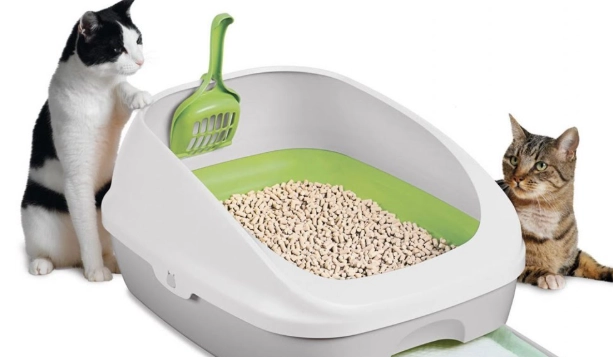
The idea is to mimic going outdoors. You replace or wash the top layer periodically.
The good: Zero loose litter tracking. The sod option can be very appealing to cats who previously lived outdoors. Can be more environmentally friendly over time by reducing litter mining/manufacturing.
The not-so-good: Can be messy to clean (rinsing off sod or washing soiled mats). Real sod needs to be kept alive and replaced frequently. Odor can be a challenge if not maintained meticulously. Has a higher learning curve for the cat.
7. Toilet Training (The Holy Grail)
Yes, you can train some cats to use the human toilet. It's a process that uses a series of incremental training kits (like the CitiKitty or Litter Kwitter) that place a specially designed tray over your toilet bowl, starting with litter and a small hole, and gradually increasing the hole size until the cat is balancing on the seat.
This is the ultimate answer to "what can I use instead of a litter box" for some people—you get rid of the box entirely.
I attempted this with my adventurous kitten. We made it to the stage with the dime-sized hole before she slipped, got scared, and decided the bathtub was a safer option. We went back to a regular box. It was a humbling experience.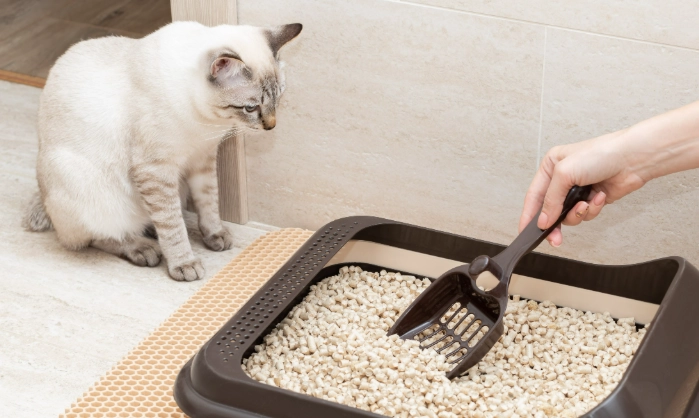
Comparison Table: Which Litter Box Alternative is Right for You?
This table breaks down the key factors to help you decide. Your cat's personality is the most important column.
| Alternative | Best For... | Cost | Effort Level | Potential Drawback |
|---|---|---|---|---|
| DIY Cardboard Box | Temporary fixes, fostering, tight budgets. | Very Low | Low (Setup) / Med (Frequent Replacement) | Not durable, looks messy. |
| Pine Pellet Sifting System | Reducing dust/tracking, natural odor control, eco-conscious owners. | Low (Ongoing) | Medium (Learning new cleaning routine) | Some cats dislike pellet texture. |
| Biodegradable Disposable Box | Convenience, reducing plastic waste, travel. | Medium-High | Very Low | Can be pricey, variable absorbency. |
| Storage Tote (Top-Entry) | Containing mess, DIY enthusiasts, discreet look. | Low | Medium (DIY setup) | Not for cats with mobility issues. |
| Self-Cleaning Box | Ultimate convenience, busy households, multiple cats. | Very High (Upfront) | Very Low (After setup) | Cost, size, potential for mechanical failure. |
| Washable/Sod System | Eliminating loose litter, simulating outdoors. | Medium-High | High (Cleaning/Maintenance) | Labor-intensive, odor management. |
| Toilet Training | Eliminating the box entirely, dedicated owners with the right cat. | Medium (Kit cost) | Very High (Training Time & Patience) | Risk of failure, health monitoring issues. |
Looking at that table, the pine pellet system or a DIY storage tote often give you the most bang for your buck if your goal is to solve the core annoyances of a standard box.
How to Actually Get Your Cat to Use the New Thing
This is the part most guides gloss over. Cats are creatures of habit. You can't just replace their toilet on a Tuesday and expect them to applaud your ingenuity. A sudden change can lead to accidents, which defeats the whole purpose of finding out what can I use instead of a litter box.
The transition needs to be gradual.
- Keep the Old Box: Start by placing the new alternative right next to the current litter box. Let it just exist in the space for a day or two with a little bit of their used litter sprinkled on top (to transfer the scent).
- The Mixing Method: If you're changing the litter type (like to pellets), start by mixing a small amount of the new substrate into their old litter. Gradually increase the ratio over a week or more.
- Choice is Key: For a while, offer both options. This is non-negotiable for a smooth switch. Let your cat vote with their paws.
- Location, Location, Location: Once the cat is reliably using the new setup, you can slowly move the old box away (an inch a day) or remove it entirely if you're confident. But never move the new box to a radically different location suddenly.
- Positive Reinforcement: When you see them use the new box, a quiet "good job" or a treat placed away from the box can help. Don't force them or punish accidents.
When I transitioned to the pine pellets, I kept the old clay box right next to the new sifting box for two full weeks. Jasper, my older cat, investigated the pellets with great suspicion for days before finally giving them a try. The kitten took to it immediately. You just never know.
Common Questions (And Straight Answers)
Will my cat actually accept any of these?
Most will, if introduced properly. Cats' primary needs are a safe, quiet, clean place to eliminate that allows them to dig and cover. The specific container is flexible. The bigger issue is often the litter texture. A cat used to fine clay might balk at large pellets. Go slow.
What's the absolute cheapest alternative to a litter box?
Hands down, the DIY cardboard box. Second cheapest is the pine pellet system using bulk wood pellets from a farm store (like Tractor Supply Co.). A 40 lb bag can cost under $10 and last a single cat over a month.
I want to reduce smell the most. What should I try?
The pine pellet system is legendary for natural odor control. After that, a top-entry storage tote contains smells physically better than an open tray. Self-cleaning boxes also keep smells locked in a sealed drawer.
Is toilet training cruel?
Not inherently cruel if the cat takes to it willingly and is physically able. The concerns are practical: it goes against their instinct to dig and cover, it can be stressful, and it hinders health monitoring. The International Cat Care organisation notes that while some cats can be trained, it's not a natural behaviour for them and can cause issues. It's a big decision that shouldn't be taken lightly.
My cat is elderly/arthritic. What are my options?
Avoid top-entry boxes and high-sided containers they must climb into. Stick with low-sided, easy-access options. A shallow storage bin or even a large, low baking tray (like a turkey roasting pan) can work. The goal is ease of access, not containment. The ASPCA has great resources on caring for senior pets, including their bathroom needs.
Can I use soil or dirt from outside?
You can, but I don't recommend it. Outdoor soil can contain parasites, bacteria, mold spores, and insects. It's also very messy and doesn't control odor. If you want a dirt-like texture, opt for a commercial litter made from natural, sterilized materials.
Final Thoughts: It's a Partnership
Finding out what can I use instead of a litter box is a collaborative project between you and your cat. Your needs matter (less mess, less cost), but their needs are non-negotiable (safety, comfort, appropriate texture).
Start by identifying your biggest grievance. Is it the dust? Look at pellets or paper litters. Is it the litter on the floor? Look at top-entry or sifting systems. Is it the space? Look at more compact, disguised options.
Then, introduce the change like you're suggesting it, not commanding it. Have a backup plan. Be prepared for it to not work. My failed toilet training attempt wasn't a waste of time; it taught me a lot about my cat's limits and preferences.
The perfect litter solution is out there. It might be a $5 storage tote from Target. It might be a high-tech robot. It might just be going back to a standard box but with a better litter and a better mat. The journey to answer "what can I use instead of a litter box" is about problem-solving for your unique living situation and your unique feline personality. Good luck, and may your floors stay litter-free.


Join the Conversation