Quick Navigation
- Why a Kitten's Litter Box Needs Are Different
- Choosing the Right Kitten Litter Box: A Detailed Breakdown
- The Other Half of the Equation: Choosing Kitten-Safe Litter
- Step-by-Step: Training Your Kitten to Use the Litter Box
- Maintenance: Keeping the Kitten Litter Box Fresh
- Troubleshooting Common Kitten Litter Box Problems
- Your Kitten Litter Box Questions, Answered
- Final Thoughts: It's a Journey, Not a Test
Let's be honest. When you bring that tiny ball of fluff home, the last thing on your mind is probably the humble litter box. You're thinking about cuddles, cute toys, and maybe the occasional scratch. But here's the thing I learned the hard way: getting the right kitten litter box from day one can mean the difference between a well-trained cat and... well, finding surprises behind the couch.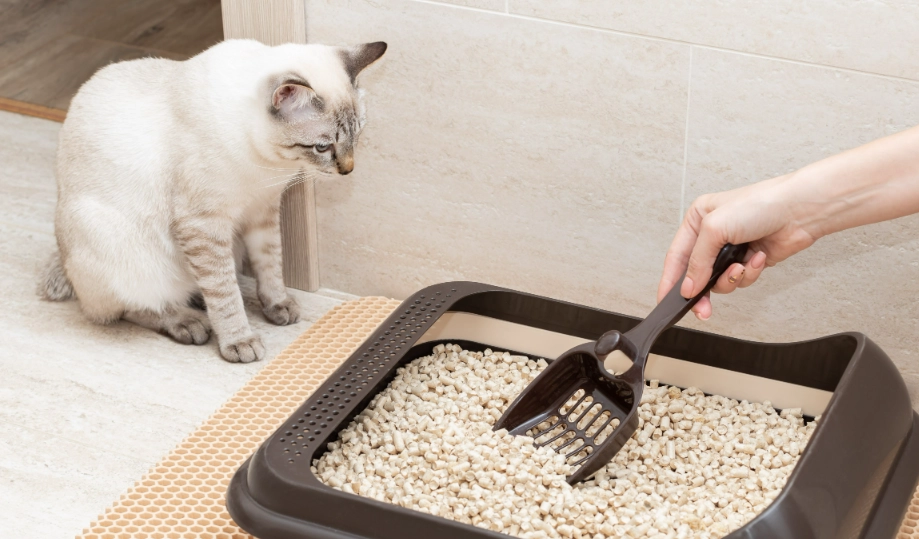
It's more than just a plastic box. For a kitten, it's their bathroom, a place that needs to feel safe and accessible. An adult cat litter box can be intimidating, even dangerous, for a little one. So where do you even start? The options are endless, and the advice is often confusing.
Why a Kitten's Litter Box Needs Are Different
You wouldn't put a toddler on an adult-sized toilet, right? The same logic applies here. A standard litter box is built for a fully-grown cat. For a kitten, it presents several real challenges.
First, the sides are too high. A kitten might be able to scramble in, but getting out can be a struggle. I've seen kittens half-roll, half-fall out of a box that was just too tall, which is not only undignified but can make them afraid of the place. If it's a scary experience, they'll find another spot.
Second, space. A giant, open area can feel exposed and unsafe to a tiny creature. In the wild, vulnerability is dangerous. A spacious box might seem luxurious to us, but to a kitten, it can feel like doing their business in the middle of an empty parking lot.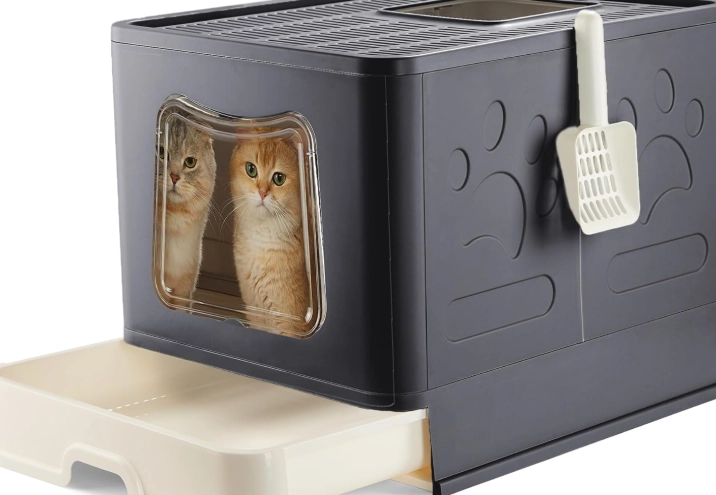
Finally, location and accessibility. Kittens have tiny bladders and need to go often. If the box is hard to find, tucked away in a dark basement behind a noisy furnace, you're setting them up for failure. The path to the kitten litter box needs to be a clear, easy, and safe highway.
Think of it as setting up a kindergarten bathroom, not a corporate restroom.
Choosing the Right Kitten Litter Box: A Detailed Breakdown
Okay, so we know a kitten needs something special. But walking down the pet aisle is overwhelming. Let's break down the choices into what actually matters.
Size and Entry Height: The Golden Rule
This is non-negotiable. The entry point (the side they step over) should be no more than 3 inches high for most very young kittens. Some boxes are marketed as "kitten-sized" with sides around 2.5 inches, which is perfect. You can even find ultra-low entry boxes or start with a simple, shallow cardboard tray (like a gift box lid) in a pinch. The goal is zero struggle.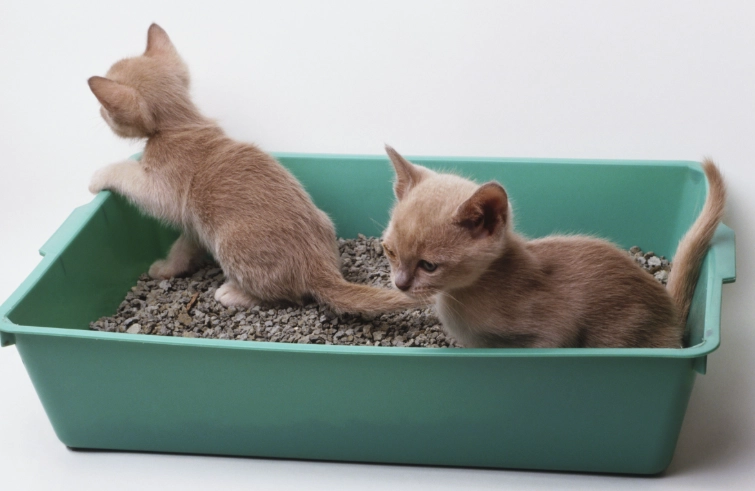
As for floor space, a box roughly 18 inches long and 14 inches wide is a good starting point. Big enough for them to turn around and dig, but not so vast it's intimidating. Remember, you can always size up later.
Material Matters: Plastic, Corners, and Odor
Almost all boxes are plastic, but the quality varies wildly. Cheap, thin plastic scratches easily. Those scratches become microscopic trenches where odor-causing bacteria live, no matter how much you scrub. It's why some old boxes never seem to smell clean.
Look for durable, high-density polyethylene. It feels sturdier and resists scratches better. Also, check the corners. Rounded interior corners are a godsend for cleaning. Sharp 90-degree angles are where clumps stick and get left behind. A smooth, seamless interior basin is worth the extra few dollars.
My personal fail? I bought a beautifully designed box with a textured bottom for "better traction." It was a nightmare to scrape clean. Smooth wins every time.
Design Types: The Good, The Bad, and The Messy
Here’s where opinions get strong. Let’s lay out the options in a simple table.
| Type | Best For... | Potential Drawbacks for Kittens | My Take |
|---|---|---|---|
| Open, Low-Sided Pan | Very young kittens, training, monitoring health. | No odor or litter scatter control. Can feel exposed. | The undisputed champion for kitten litter box training. Start here. |
| Enclosed/Hooded Box | Privacy, odor & litter scatter containment. | Can trap odors inside (unpleasant for cat), dark/intimidating entrance, harder for kitten to exit. | Wait until kitten is confident. Choose one with a removable top to use as an open box first. |
| Top-Entry Box | Extreme litter scatter control. | Impossible for a young kitten. Requires a significant jump in/out. | Avoid completely until your cat is a full-grown, agile adult. Not a kitten litter box. |
| Self-Cleaning Box | Busy owners, reduced daily scooping. | Noise and motion can terrify a kitten. Mechanical parts can be hazardous. | Do not start with this. Introduce only to a confident, older cat, if ever. |
See, it becomes clearer. For training, simplicity and accessibility are king. A fancy, automated kitten litter box might seem like a time-saver, but if it scares your cat into peeing on the rug, you've created more work.
The Other Half of the Equation: Choosing Kitten-Safe Litter
The box is the bathroom. The litter is the... flooring. And kittens are curious. They will step in it, dig in it, and sometimes, especially when very young, taste it. This makes your litter choice critically important for safety.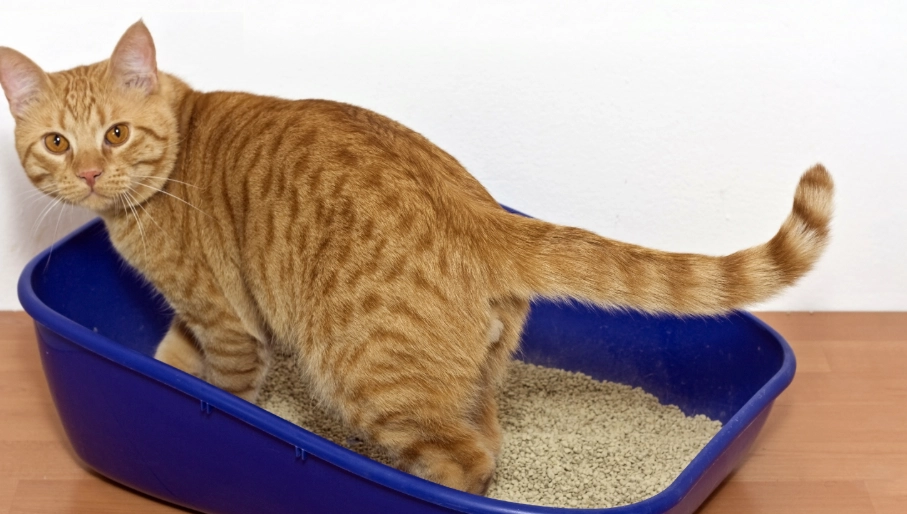
Clumping vs. Non-Clumping: This is the big debate. Many vets recommend non-clumping clay or paper-based litter for kittens under 4 months old. Why? Because if a kitten ingests clumping litter (which they might while grooming their paws), it can expand and cause a dangerous intestinal blockage. Non-clumping litter is safer if ingested in small amounts. The downside? Odor control is harder, as you have to change the whole box more often.
Once your kitten is past the exploratory tasting phase and you're confident in their grooming habits, you can switch to a clumping litter for easier maintenance. The ASPCA's guide to litter box problems is a fantastic resource that touches on litter preferences without endorsing brands.
Dust and Fragrance: Kittens have delicate respiratory systems. A cloud of fine clay dust every time they dig isn't good for their lungs. Look for low-dust or dust-free formulas. As for scents, avoid them. A perfume-masked litter box is often more offensive to a cat's superior nose than the waste itself. It can deter them from using it. Unscented is almost always the way to go.
Natural Alternatives: Litters made from pine, wheat, corn, or walnut shells are popular. They're often low-dust and biodegradable. But a word of caution: monitor your kitten. Some cats (and people) can have allergies to these materials. Also, the different texture might be confusing at first. If you want to use one, introduce it slowly, mixed with their old litter.
Step-by-Step: Training Your Kitten to Use the Litter Box
Most kittens have a natural instinct to bury their waste. Your job is to make the desired location incredibly obvious and appealing. Here’s a no-nonsense plan.
- The First Introduction (The Grand Tour): As soon as you bring your kitten home, place them gently in their new kitten litter box. Don't force it. Just let them stand there, sniff around. Do this after they wake up, after they eat, and after a play session—the most likely times they'll need to go.
- Location, Location, Location: Put the box in a quiet, low-traffic corner, but not somewhere isolated or scary. Avoid noisy appliances (washing machines, furnaces). Make sure it's far away from their food and water bowls—cats don't like to dine in the bathroom.
- Accident Management: If you catch them starting to go elsewhere, don't yell. Just calmly scoop them up and place them in the box. If you find an accident after the fact, clean it thoroughly with an enzymatic cleaner designed for pet urine (like Nature's Miracle). Regular cleaners leave a scent trace that says "bathroom here" to the cat.
- Positive Reinforcement is Everything: When they use the box correctly, offer calm praise, a gentle pet, or a tiny treat. This creates a positive association. Never punish a kitten for an accident. They won't understand and will just learn to be afraid of you.
Consistency is your secret weapon.
What if you have a multi-story home? Start by confining the kitten to one room with their box for the first few days. Once they've mastered that room, add a second kitten litter box on the floor where they'll spend time. The rule of thumb is one box per cat, plus one extra. For one kitten, two boxes in different locations isn't a bad idea, especially in a larger home.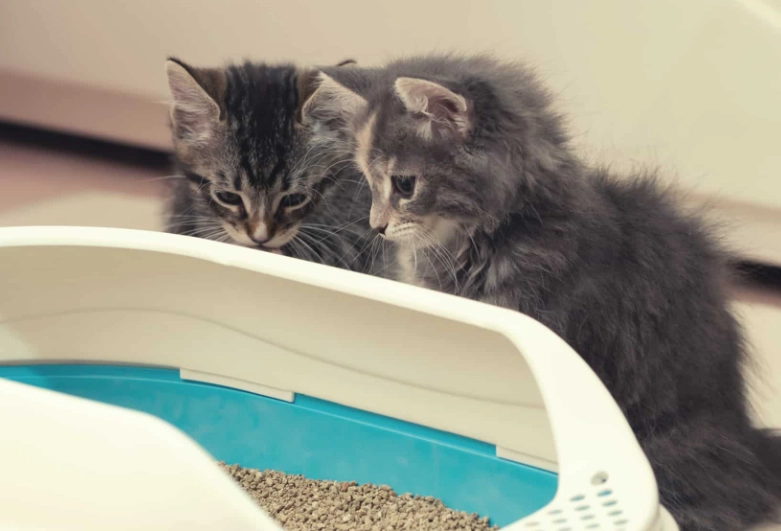
Maintenance: Keeping the Kitten Litter Box Fresh
A dirty box is the number one reason cats start avoiding it. Kittens are especially fastidious.
- Scoop, Scoop, Scoop: Aim for twice a day. Really. It takes 30 seconds. A clean box is inviting. A dirty one is a last resort.
- The Weekly Deep Clean: Once a week, dump all the litter. Wash the box with warm water and a mild, unscented dish soap or a dedicated pet-safe cleaner. Avoid harsh chemicals like bleach or ammonia (ammonia smells like urine to a cat!). Rinse it until it's squeaky clean and dry it thoroughly before adding fresh litter.
- Full Litter Change: Even with scooping, litter needs to be completely replaced regularly. For non-clumping, this might be every few days. For clumping, every 2-4 weeks, depending on the brand and number of cats.
- Dealing with Odor: Baking soda is a safe, cheap deodorizer. Sprinkle a thin layer on the bottom of the empty box before adding litter. Also, ensure the room is well-ventilated. An air purifier nearby can work wonders.
Troubleshooting Common Kitten Litter Box Problems
Even with the best setup, issues can pop up. Don't panic. Let's diagnose.
Problem: Kitten is going right next to the box.
This often means they don't like something about the box itself. Is it too dirty? Is the litter type new and scary? Is a hood making it claustrophobic? Try going back to basics: a pristine, open box with their original litter.
Problem: Kitten is avoiding the box entirely.
First, a vet check is crucial to rule out a urinary tract infection (UTI). Kittens can get them, and peeing is painful, so they associate the pain with the box. If health is cleared, think about stressors. Did you move the box? Introduce a new pet? Change the litter brand too quickly? A sudden avoidance is a message.
Problem: Litter is being kicked everywhere.
Welcome to cat ownership! A high-sided box or a simple, large litter mat with a textured surface to catch granules will help. A top-entry box solves this, but remember, not for kittens. Some scatter is just part of the deal.
For deeper behavioral insights, the experts at the Cornell Feline Health Center provide excellent, science-backed information on feline elimination behaviors.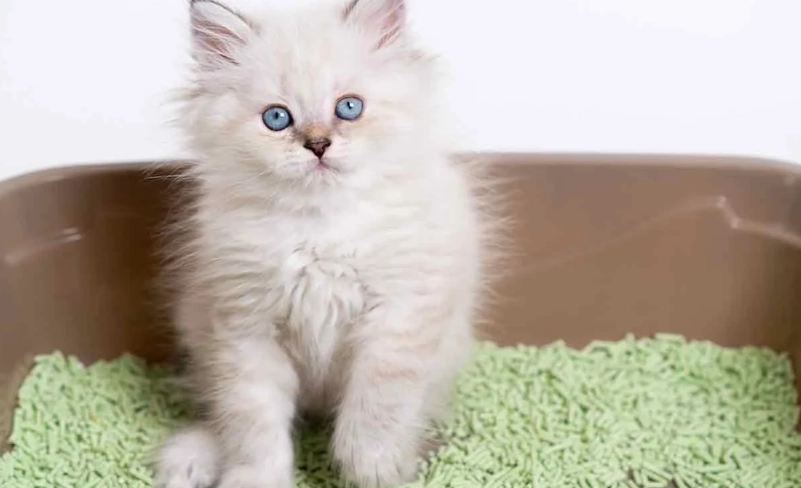
Your Kitten Litter Box Questions, Answered
Final Thoughts: It's a Journey, Not a Test
Choosing and managing your kitten's first litter box isn't about finding a single perfect product. It's about observing your unique animal and adapting to their needs. Start simple, prioritize safety and access, and be patient.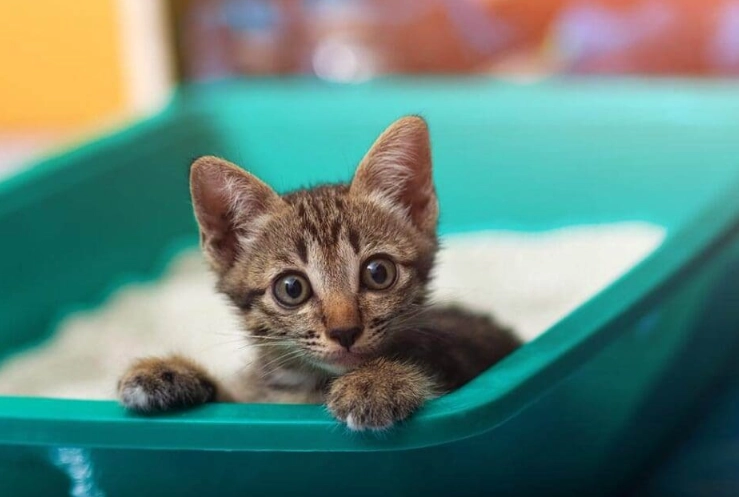
The best kitten litter box is the one your kitten uses consistently. It might be a basic, inexpensive pan from the pet store. That's a win. Investing time in proper setup and training now pays off for a lifetime of good habits.
And when you see that little tail pointed proudly in the air as they successfully cover their business, you'll know you've built them a good foundation. Everything else—the fancy self-cleaning robots, the designer boxes—can come later, if ever. For now, keep it simple, keep it clean, and enjoy the journey with your new friend.




Join the Conversation