You’re standing in the pet store aisle, staring at a wall of cat litter options. Clumping, non-clumping, silica, pine, corn, walnut, paper, clay with fancy scents. The marketing promises odor control for weeks, 99% dust-free, and superior clumping. But here’s the question almost none of those bags answer directly: which one is actually the best cat litter for your cat's health? Not just for your nose or your vacuum cleaner, but for your cat’s lungs, paws, and urinary tract. After over a decade of owning cats and consulting with vets, I’ve learned the hard way that the healthiest choice isn't always the most advertised one. It’s about balancing safety, low dust, and what your cat will actually use. Let’s cut through the hype.
What's Inside This Guide
The 5 Non-Negotiables for a Healthy Cat Litter
Forget fragrance and color. When judging litter for health, you need a sharper lens. A common mistake is prioritizing human convenience over feline biology. Cats have sensitive respiratory systems, delicate paw pads, and instincts we often ignore.
The core idea: A healthy litter minimizes invisible threats (dust, chemicals) while respecting the cat's natural digging and covering behavior. If your cat avoids the box, that's a health problem waiting to happen.
1. Dust Control (Or Lack Thereof)
This is the big one. Inhaled dust isn't just a cleaning nuisance. Fine particulate matter, especially from clay litters, can irritate a cat's airways, potentially exacerbating asthma (yes, cats get it too) and causing chronic respiratory inflammation. For you, it means silica or clay dust all over your furniture. Look for litters specifically labeled “99.9% dust-free” – and be skeptical. Test by pouring a cup into a clean box in a sunbeam. You'll see the truth.
2. No Toxic Additives or Chemicals
Many scented litters use artificial fragrances or chemicals to mask odor. These can be irritating to cats, whose sense of smell is about 14 times stronger than ours. Sodium bentonite, the clumping agent in standard clay litter, forms a hard, cement-like clump. If ingested (which happens during grooming), it can cause gastrointestinal blockages. Also, watch out for chemical deodorizers like zeolites, which some studies suggest may be problematic.
3. Clumping & Odor Control That Actually Works
This is a health issue too. Weak clumping leads to a soupy, bacteria-filled box. Ammonia from urine breakdown irritates eyes and lungs (yours and your cat’s). Effective, natural odor control means you’ll scoop more regularly, maintaining a hygienic environment. But “odor control” shouldn’t mean a perfumed chemical bomb.
4. Your Cat’s Actual Preference
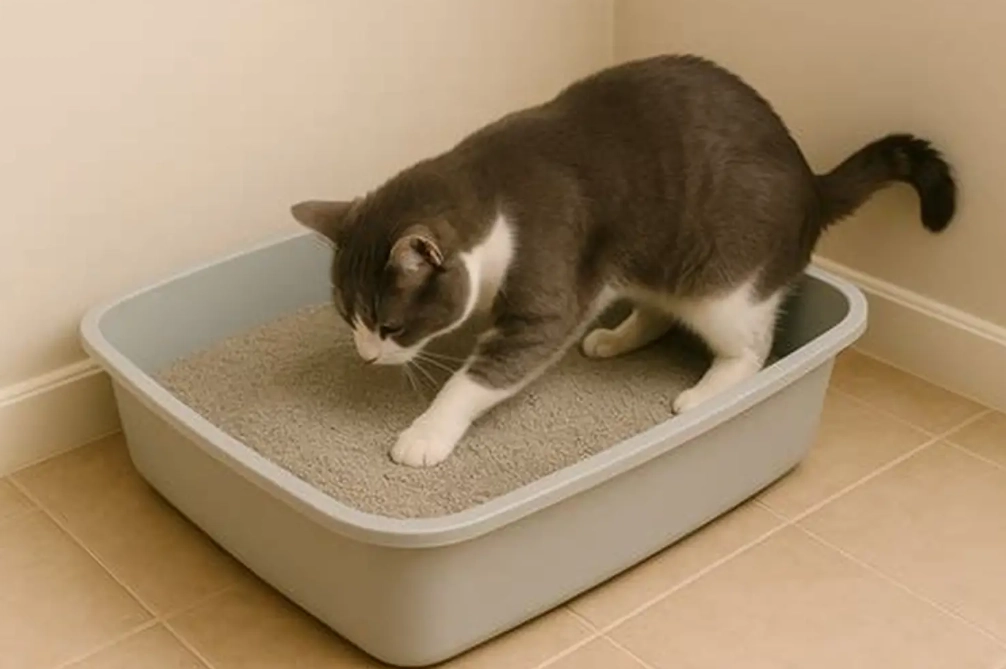
The most health-conscious litter is useless if your cat refuses to use it. Cats generally prefer a soft, sand-like texture (think unscented, fine-grain clumping clay) because it mimics natural substrates. Forcing a cat onto a litter they hate can lead to inappropriate elimination, which is stressful and can cause urinary tract issues like cystitis.
5. Environmental & Household Safety
This circles back to health. Some litters, like certain clumping clays, are not flushable and can clog plumbing. Others, like silica gel, pose an ingestion risk if a curious kitten plays with the crystals. Biodegradable options (wood, paper, grass) are safer if ingested in small amounts and are better for the planet.
The Cat Litter Showdown: A Health-Focused Comparison
Let’s break down the major players. I’ve used them all, and each has made me swear at least once.
| Litter Type | Core Health Pros | Core Health Cons | Best For Cats Who... |
|---|---|---|---|
| Clumping Clay (Bentonite) | Excellent clumping Familiar texture | High dust (usually) Heavy, mining impact Ingestion risk | ...are not dust-sensitive and resist change. The default, but not the healthiest. |
| Silica Gel Crystals | Extremely low dust Superb odor control | Gritty texture some cats hate Expensive Crystal ingestion risk | ...have asthma or respiratory issues, or owners who need ultra-low dust. |
| Pine Pellets | Very low dust Natural, safe scent Biodegradable | Doesn't clump (sawdust) Some cats dislike feel/sound Odor control can vary | ...are adaptable and in multi-cat homes where low dust is a priority. |
| Recycled Paper Pellets | Virtually dust-free Highly absorbent Safe if ingested | Poor clumping Can track as shreds Needs frequent change | ...are post-surgery (safe for wounds), kittens, or extremely dust-sensitive. |
| Walnut Shell | Low dust, clumps well Natural, lightweight Good odor neutralizer | Can be pricey Dark color hides waste Allergy potential (nut) | ...owners wanting a balance of natural material and clumping performance. |
See that? The “best” litter disappears. It becomes a series of trade-offs. The ultra-low-dust silica might be a nightmare for a cat with sensitive paws. The beloved clumping clay could be quietly aggravating your cat's mild asthma. You have to match the litter to the cat.
One nuance rarely discussed: the pellet size in non-clumping litters. Large pine pellets can be uncomfortable for small-pawed cats or seniors with arthritis to dig in. Crushed or smaller granule pine litters exist and are a worthy compromise.
My Top Picks for Specific Health & Lifestyle Needs
Based on the above, here’s where I’d put my money for different situations. These aren't sponsored picks; they’re from my own trial, error, and vet chats.
Best Overall Health-Conscious Choice: A Premium, Low-Dust, Clumping Walnut or Grass Litter
Why? It strikes the best balance. Brands like Naturally Fresh (Walnut) or Ökocat (Wood/Paper Blend) offer very low dust, natural materials, decent clumping, and good odor control. The texture is closer to sand than pellets, so most cats accept it. You avoid the major clay dust and the weird feel of silica. The price is higher than clay, but the health payoff is worth it.
Best for Cats with Asthma or Respiratory Sensitivities: Silica Gel or Paper Pellets
If dust is enemy number one, you need the near-zero option. PrettyLitter (silica) or Yesterday's News (paper) are top contenders. I’ve used PrettyLitter for a cat with sneezing fits – the dust reduction was immediate and dramatic. The downside is the texture. Always offer a test box before fully committing.
Best for Fussy Cats Who Only Like Clay: Find the “Dust-Free” Champion
If your cat revolts against anything new, don’t force it. Stress causes health issues. Instead, find the healthiest version of what they like. Dr. Elsey’s Ultra Premium Clumping Cat Litter is a clay litter that genuinely lives up to its “99.9% dust-free” claim more than most. It’s unscented and clumps rock-hard. It’s the least-bad clay option.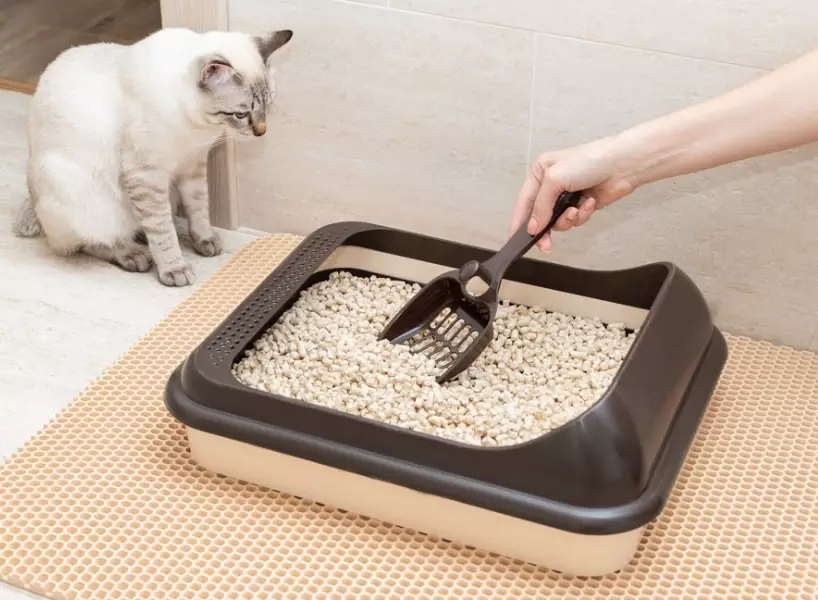
Best Budget-Friendly, Healthier Option: Pine Pellet Bedding (from the farm store)
Here’s a pro tip: buy equine pine pellet bedding from a feed store like Tractor Supply. It’s often the exact same material as branded “pine cat litter” but at a fraction of the cost (think $7 for 40 lbs). It’s incredibly low-dust, natural, and absorbent. The trade-off is the non-clumping sawdust, which requires a special sifting litter box. For the cost-conscious and handy owner, it’s a game-changer.
How to Actually Switch Your Cat to a Healthier Litter
This is where most people fail. Cats are creatures of habit. Dumping a new litter in the box on Monday is asking for trouble.
The slow blend is key. Over 7-10 days, mix an increasing percentage of the new litter with the old. Start with 25% new, 75% old. Every few days, shift the ratio. Watch your cat’s behavior closely. If they hesitate or start going outside the box, slow down the transition.
Always keep one box with the old litter as a “safe” option during the transition, especially in multi-cat homes.
A trick I learned: place the new litter box next to the old one, filled only with the new litter. Let the cat explore it without pressure. Sometimes curiosity wins.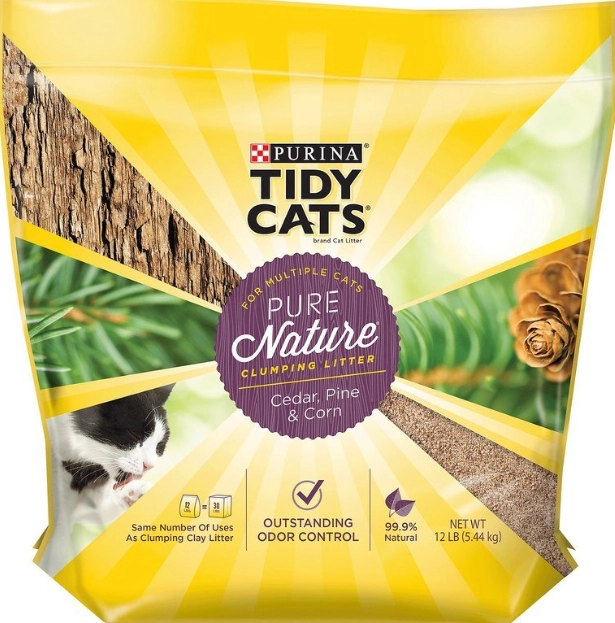
Join the Conversation