In This Guide
- The Foundation: Skin, Hair, and the Basics
- The Armor: Your Professional Wardrobe
- The Modern Frontier: Digital and Remote Grooming
- Fragrance, Hygiene, and the Invisible Essentials
- Industry-Specific Nuances: It's Not One-Size-Fits-All
- When Things Go Wrong: Quick Recovery Do's and Don'ts
- Beyond the Rules: The Mindset of Professional Grooming
- Common Questions Answered (The Stuff You Actually Google)
Let's be honest. Nobody ever sat you down on your first day of work and handed you a manual titled "How to Look the Part." Yet, from the moment you step into an office, a client meeting, or even a Zoom call, your appearance is silently communicating volumes before you utter a single word. It's not about vanity; it's about vocabulary. Your hair, your skin, your clothes, your nails—they're all part of a non-verbal language that speaks to your professionalism, your attention to detail, and your respect for the situation.
I've seen brilliant people get overlooked because their presentation sent the wrong message. I've also seen average performers gain disproportionate trust because they looked utterly reliable. The goal here isn't to turn everyone into a corporate clone. It's to give you control over that non-verbal dialogue, so your capabilities get the spotlight, not a distracting stray hair or an ill-fitting jacket.
This guide is that missing manual. We're going deep on the real-world do's and don'ts of professional grooming. Forget the vague advice. We're talking specifics.
The Foundation: Skin, Hair, and the Basics
You can wear the most expensive suit in the world, but if your foundation isn't right, it's like building a mansion on sand. Let's start with what you can't take off at the end of the day.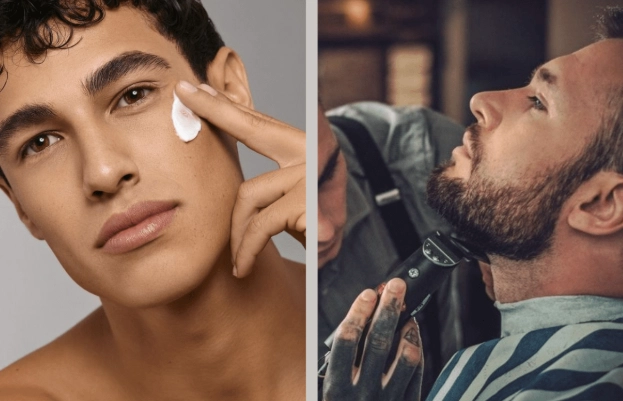
Skin and Complexion
Workplace lighting is unforgiving. Harsh fluorescents and high-definition webcams expose everything. The goal isn't perfect, Instagram-filter skin. It's healthy, cared-for skin.
The Do's:
- DO establish a simple, consistent routine. Cleanse and moisturize. Every day. It sounds basic, but you'd be surprised how many people skip it. A reliable moisturizer prevents flaky skin and that tight, uncomfortable feeling. The American Academy of Dermatology has great, no-nonsense skin care basics for all skin types.
- DO manage shine, especially in the T-zone. For oily skin, keep a pack of oil-blotting sheets in your desk drawer. A quick press mid-afternoon is far more professional than a visibly shiny forehead in a 3 PM meeting.
- DO address persistent issues professionally. If you have rosacea, severe acne, or other conditions, see a dermatologist. Taking professional action shows you handle problems effectively, and effective treatment will boost your confidence immensely.
The Don'ts:
- DON'T pick at your skin. Ever. In your office, in the bathroom, at your desk. It's distracting, can lead to infections, and frankly, it just looks unprofessional. It's a nervous habit many have, but it's one worth breaking.
- DON'T come to work with a bright red, freshly scrubbed face from an aggressive treatment (like a strong chemical peel) unless you can work from home. Your comfort and ability to focus matter.
- DON'T neglect sun protection. A moisturizer with SPF 30 is a non-negotiable for daily wear. Premature aging and sun damage look like fatigue and lack of care under office lights.
Hair (For All Genders)
Hair is your frame. It should be clean, styled, and out of the way if it's long enough to be a distraction.
The Universal Do's:
- DO wash it regularly. "Regularly" depends on your hair type, but greasy, stringy hair is an absolute don't. If your scalp is visibly oily, it's time.
- DO get regular trims. Even if you're growing it out, cleaning up split ends and necklines every 6-8 weeks keeps hair looking intentional, not neglected.
- DO have a reliable, work-appropriate style. This is the style you can achieve on a Tuesday morning in 10 minutes when you're tired. Practice it.
The Universal Don'ts:
- DON'T fiddle with your hair constantly. Twirling, adjusting, playing with it during conversations is a huge distraction and signals nervousness or boredom.
- DON'T let your style become an obstruction. If you have long hair, keep it secured back for tasks requiring focus or when leaning over a shared desk. A client doesn't want to see the world through a curtain of your hair.
- DON'T use heavy, scented products in confined meeting rooms. That coconut-scented hair oil might be lovely to you, but it can trigger allergies or headaches for colleagues.
Facial Hair (For Men)
Beards and mustaches are widely accepted, but they must be deliberate, not accidental.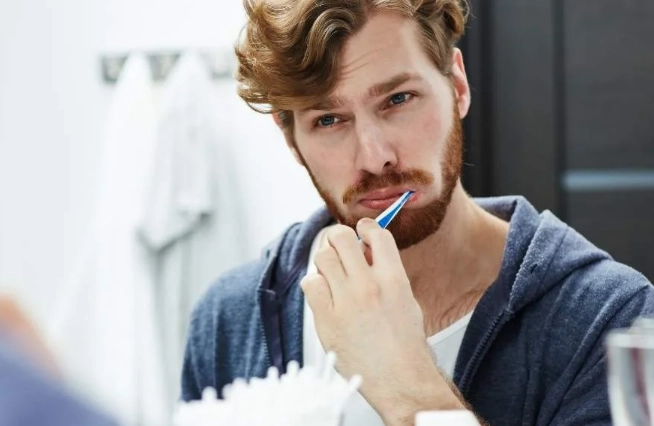
Do's: Keep it meticulously groomed. Defined neck and cheek lines. Regularly trimmed and shaped. Washed and conditioned like the hair on your head. Use a light balm or oil to keep it neat and minimize stray hairs.
Don'ts: Don't let it become scraggly or unkempt. Don't have visible crumbs (sadly, I've seen it). Don't assume a beard excuses you from shaving your neck—the "neckbeard" is a career killer in conservative fields.
Nails and Hands
Your hands are on constant display—gesturing, typing, shaking hands.
| Do's | Don'ts |
|---|---|
| Keep nails clean, trimmed, and filed smooth. | Have long, dirty nails or nails with chipped, dark polish. |
| For polish, choose conservative colors (clear, nude, light pink, classic red, dark neutrals). Keep it fresh. | Wear extremely long acrylics with elaborate art to most corporate jobs (it can be seen as impractical). |
| Moisturize your hands, especially in winter. Cracked, dry knuckles are noticeable. | Chew your nails or cuticles. It's a visible sign of anxiety. |
See? It's about sending a message of control and care.
The Armor: Your Professional Wardrobe
Clothing is the most adjustable part of your professional grooming. It's also where people make the most expensive mistakes. Price tag does not equal appropriateness.
The Golden Rules (For Everyone)
Fit is King. A $100 suit that fits perfectly looks infinitely better than a $1000 suit that doesn't. Shoulder seams should sit at your shoulder, not down your arm. Pants should break once on the shoe. Sleeves should show a quarter to a half-inch of shirt cuff.
Fabric Matters. Wrinkled linen by 10 AM looks sloppy. Opt for wool blends, quality cotton, or performance fabrics that resist wrinkles. A good guide from GQ on how a suit should fit, while fashion-forward, nails the fundamentals of proportion.
The Do's and Don'ts of Professional Grooming extend directly into your closet. Is your clothing working for you or against you?
For Men: The Business Core
- Do: Own at least two well-fitting suits in navy and charcoal. These are your interview, big presentation, and client meeting workhorses.
- Do: Have a rotation of crisp, non-wrinkled dress shirts. White and light blue are universal. Collars should be clean and not frayed.
- Do: Wear a belt that matches your shoes. Black with black, brown with brown.
- Don't: Wear loud, novelty, or overly skinny ties in traditional environments. A simple silk tie in a solid, stripe, or small pattern is safe.
- Don't: Wear athletic socks with dress shoes. Ever. Your sock color should coordinate with your trousers or shoes, not your shirt.
- Don't: Wear scuffed or unpolished shoes. Shoes are the first thing many executives notice. Keep them in good repair.
For Women: Navigating a Broader Landscape
- Do: Invest in a great blazer. It instantly pulls an outfit together. A well-cut blazer in a neutral color is worth its weight in gold.
- Do: Ensure skirts and dresses are an appropriate length. A good rule of thumb is at or just above the knee when standing. When you sit, it shouldn't ride up excessively.
- Do: Choose blouses that aren't overly sheer. If it's sheer, wear a camisole underneath. Gaping button-downs are a common issue—use fashion tape or have it tailored.
- Don't: Wear clothing that is too tight or revealing. This isn't about body shaming; it's about ensuring the focus is on your ideas, not your physique. If you're constantly adjusting it, it's not the right choice.
- Don't: Wear extremely high stiletto heels if you can't walk confidently in them. A wobbly walk looks unsteady. A lower block heel or a quality flat can be just as powerful.
- Don't: Over-accessorize. Less is usually more. Dangling, noisy bracelets can be distracting in quiet meetings.
The Modern Frontier: Digital and Remote Grooming
Your LinkedIn photo is your new handshake. Your Zoom background is your new office. The do's and don'ts of professional grooming have expanded into the digital realm.
The Virtual Presence Do's and Don'ts
Do: Use a high-quality, professional headshot for LinkedIn. Smile, look approachable, wear work attire, and have a clean, simple background. This is non-negotiable.
Do: Check your video feed lighting BEFORE the meeting. A ring light is a cheap investment. Face a window. Do whatever it takes so you don't look like a witness in a shadowy deposition.
Do: Keep your physical grooming standards identical to in-office days when on camera. You might be in sweatpants from the waist down, but from the waist up, you're "at work."
But what about when you're not in the office?
Don't: Use a messy room, an unmade bed, or a distracting virtual background as your setting. A tidy bookshelf or a plain wall is perfect.
Don't: Forget about audio. A scratchy, echoing laptop mic makes you hard to listen to. A decent USB microphone is a career booster for remote workers.
Don't: Multitask visibly on camera. Looking down constantly (presumably at your phone) reads as disengaged and disrespectful.
Fragrance, Hygiene, and the Invisible Essentials
This is the most sensitive area because it involves other people's senses and potential allergies.
Do: Use an effective antiperspirant/deodorant. Reapply before important evening events if needed.
Do: Maintain fresh breath. Keep mints or gum handy, but don't chew gum visibly in professional settings. Be mindful of strong lunch foods like garlic and onions.
Do: If you wear fragrance, apply it sparingly—one spritz on the chest under clothes, or on the wrists, dabbed together. The "walk-through-the-mist" technique is a classic for a reason.
Don't: Douse yourself in cologne or perfume. If people can smell you from more than an arm's length away, it's too much. This is the most common office complaint.
Don't: Use scented products to mask poor hygiene. Soap and water first, fragrance last (and lightly).
Don't: Reapply fragrance in a shared bathroom or workspace. The concentrated smell can be overwhelming.
Industry-Specific Nuances: It's Not One-Size-Fits-All
The do's and don'ts of professional grooming in a Silicon Valley tech startup are worlds apart from those in a Wall Street investment bank. You must decode your environment.
| Industry/Environment | Do's (Lean Into) | Don'ts (Avoid) |
|---|---|---|
| Tech / Startup | Clean, minimalist style. Well-groomed but casual hair. High-quality, neat casual wear (dark jeans, smart sneakers, branded polos). Functional and neat. | Looking overly corporate/stiff. Suits unless for funding pitches. Being sloppy—untrimmed beards, stained hoodies, and ripped jeans are a tired stereotype, not a standard. |
| Finance / Law / Corporate | Classic, conservative tailoring. Impeccable fit and maintenance. Polished shoes. Understated accessories. The "uniform" conveys reliability and tradition. | Trendy or flashy items. Loud patterns. Casual footwear in the office. Anything that looks like you're trying too hard to be an individual through your clothes. |
| Creative Fields (Marketing, Design) | Expressing personal style within bounds. Interesting accessories, color, unique cuts. Grooming is often more artistic but still intentional. | Looking like you have no personal style at all. Being unkempt. The line between creative and messy is fine—err on the side of "deliberate." |
| Healthcare | Clinical cleanliness above all. Short, clean nails (no polish for clinicians per many protocols). Hair securely off the face. Functional, professional scrubs or attire. The focus is on patient trust and hygiene. | Long nails, jewelry that can harbor germs, strong fragrances, unsecured hair that could fall forward. Anything that compromises the sterile or trustworthy image. |
Observe the leaders in your specific company. What do the respected VPs wear? What does the successful senior designer have on? That's your most relevant guide.
When Things Go Wrong: Quick Recovery Do's and Don'ts
You spilled coffee on your shirt. You got a surprise pimple. A button popped. Life happens. The test is how you handle it.
Do: Keep a small emergency kit at work: a spare shirt/blouse, a stain-removing pen, a sewing kit, clear nail polish (for stocking runs), double-sided tape (for wardrobe malfunctions), and a toothbrush/toothpaste.
Do: Address issues discreetly and quickly. Excuse yourself to the restroom to deal with a stain or a smudge.
Do: If it's a major, unfixable issue (a huge tear), be honest and professional. "I apologize for my appearance, I had a minor wardrobe accident this morning" is better than pretending nothing is wrong.
Don't: Draw excessive attention to the problem by constantly fussing with it in public.
Don't: Let a small issue make you so self-conscious that you can't participate in a meeting. Handle it and move on mentally.
Beyond the Rules: The Mindset of Professional Grooming
At its core, mastering these do's and don'ts isn't about following a oppressive list. It's about cultivating a mindset of respectful intentionality.
You are intentionally choosing to present yourself in a way that:
- Respects your colleagues and clients by not distracting them with poor hygiene, overwhelming scents, or inappropriate attire.
- Respects the occasion and environment by adhering to its norms, whether it's a casual Friday or a board meeting.
- Respects yourself by taking pride in your presentation, which directly feeds your self-confidence. A study cited by the Harvard Business Review has explored how clothing affects the wearer's psychology, a concept known as "enclothed cognition."
When your grooming is on point, you forget about it. You stop worrying if your hair is messy or if your shirt is wrinkled. That mental energy is freed up to focus on your work, your ideas, and the people in front of you. That's the ultimate goal.
It's not vanity. It's strategy.
Common Questions Answered (The Stuff You Actually Google)
"Is professional grooming really that important in a remote-work world?"
Yes, but the focus has shifted. Digital grooming (lighting, audio, background, on-camera appearance) is now paramount. The fundamentals of clean, neat hair and skin remain critical because HD webcams are merciless. The relaxed standards of "waist-up" dressing are real, but professionalism on screen is more important than ever.
"I'm on a tight budget. How can I manage this?"
Focus on fit and fabric care over quantity. Two well-fitting, versatile outfits you maintain impeccably are better than a closet of wrinkled, ill-fitting fast fashion. Learn basic sewing to repair loose buttons and hem pants. Drugstore grooming products (cleanser, moisturizer with SPF, deodorant) are perfectly fine. Invest in a good haircut—it's the foundation of your look.
"What's the single biggest mistake people make?"
Ignoring fit. An expensive, beautiful garment that doesn't fit you properly will always look worse than a simple, affordable one that does. Tailoring is not just for the wealthy; getting a $20 pair of pants hemmed is a game-changer.
"How do I handle a workplace where I feel the grooming standards are outdated or unfair?"
This is tricky. First, understand if it's a formal policy or an informal culture. If it's a formal policy (e.g., heels required for women), you may need to comply or seek HR guidance if it's discriminatory. If it's culture, you have more room to navigate subtly. You can often push boundaries slowly by elevating the quality and fit of accepted items rather than introducing radically different items. Choose your battles wisely—sometimes conforming strategically allows your work to speak louder in the long run.
"Are the rules different for men and women?"
In principle, no: cleanliness, neatness, appropriateness, and intentionality are universal. In practice, yes, because societal expectations and clothing options differ. Women often face more scrutiny and a more complex set of unwritten rules. The key for everyone is to understand the baseline expectation in your specific field and meet or exceed it with polish.
Ultimately, the do's and don'ts of professional grooming are a toolkit, not a cage. They give you the freedom to walk into any room, virtual or physical, with the quiet confidence that your appearance is an asset, not a liability. It's one less thing to worry about in the complex world of work. And that, in itself, is a powerful advantage.



Join the Conversation