Let's cut to the chase. After countless conversations with vets and dealing with my own cats' finicky preferences (and one unfortunate respiratory scare), I've learned that the "best" cat litter isn't about fancy marketing. It's about safety, health, and what your cat will actually use. Veterinarians consistently prioritize a few key factors that many pet owners overlook in favor of scent or clumping power alone. Their top recommendation? Unscented, low-dust, clumping clay litter made from sodium bentonite is often the baseline standard for healthy adult cats. But that's just the starting point. The real answer depends entirely on your cat's specific health, age, and even your own household's needs.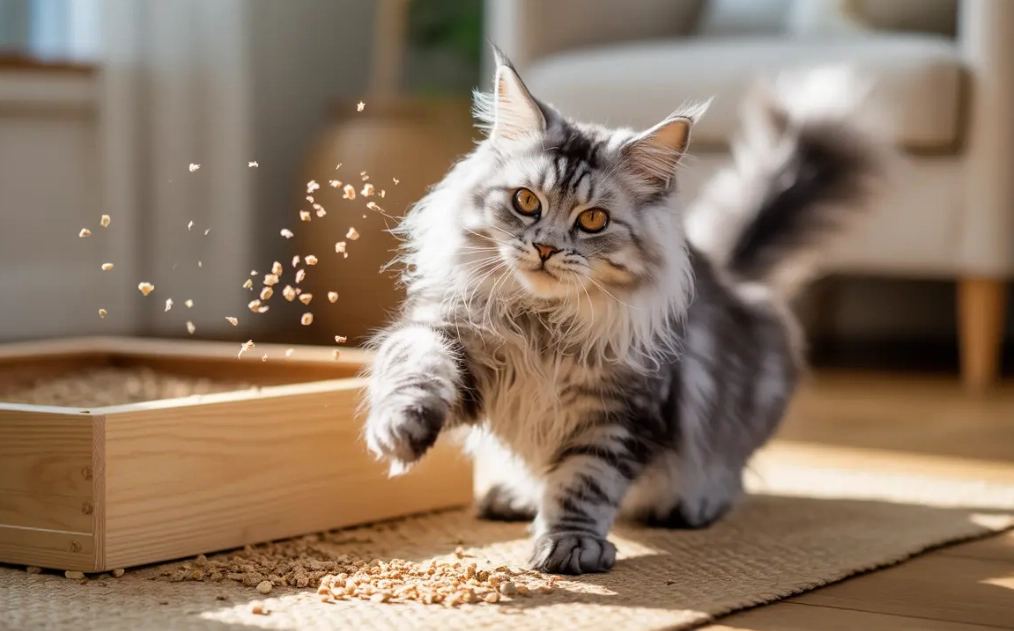
Quick Navigation: What's Inside This Guide
The Veterinarian's Checklist: Core Standards for Safe Litter
Vets don't get paid to promote brands. Their advice stems from treating urinary issues, respiratory infections, and paw pad injuries. Their recommendations boil down to minimizing risk. Here’s what they're looking for, in order of importance.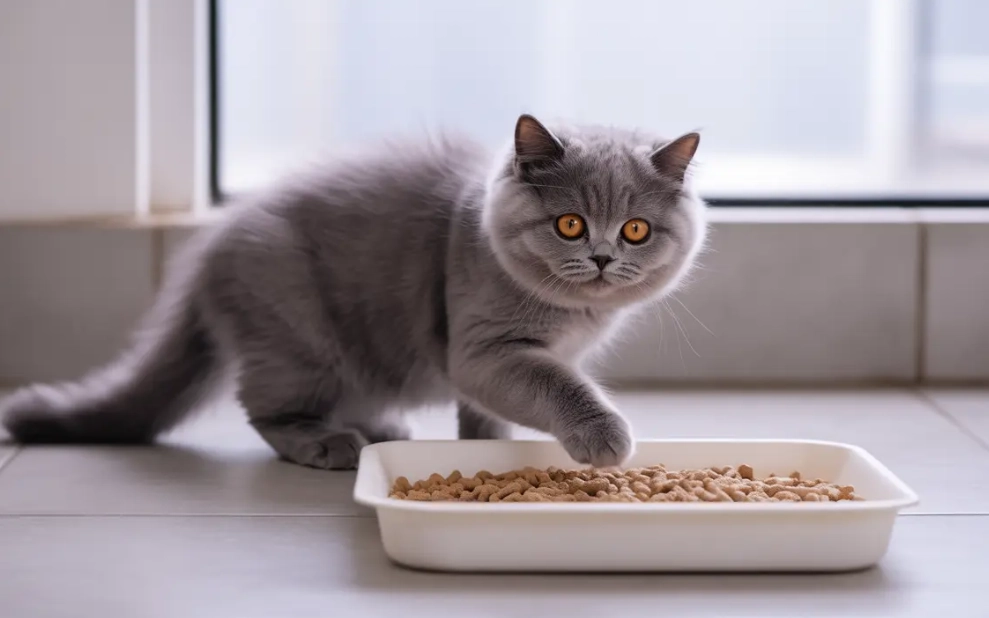
The Non-Negotiables: Low dust (to protect feline and human lungs), no added perfumes or deodorizers (major irritants), and excellent moisture control to monitor urinary health. Clumping ability is valued primarily for hygiene and the early detection of health problems in urine.
Dust is Enemy Number One. This is the point every vet I've spoken to emphasizes first. Inhaled clay dust can exacerbate asthma in cats (yes, cats get asthma) and contribute to upper respiratory issues. For you, it's just messy. For your cat, it's a chronic irritant. I made the mistake of buying a cheap, dusty litter years ago. Within weeks, my cat was sneezing more often. Switching to a truly low-dust formula stopped it completely.
Fragrance is a Mask, Not a Solution. Heavily scented litters are designed for human noses, not feline ones. A cat's sense of smell is about 14 times stronger than ours. That mountain breeze or floral scent is an overwhelming chemical assault to them. It can deter them from using the box, leading to inappropriate elimination—the number one behavioral issue vets hear about. The smell you're trying to cover up is better managed by frequent scooping and choosing a litter that controls odor through absorption, not masking.
Clump Integrity Matters for Health Monitoring. A firm, solid clump that doesn't crumble makes daily scooping effective. More importantly, it allows you to observe your cat's urinary output. Changes in clump size or frequency can be the first sign of diabetes, kidney disease, or a urinary tract infection (UTI). A litter that turns into mush or fine sludge makes this critical monitoring impossible.
What Vets Warn You to Avoid in Cat Litter
Some litters are actively problematic. Based on clinical observations and toxicology reports from sources like the ASPCA, here are the big red flags.
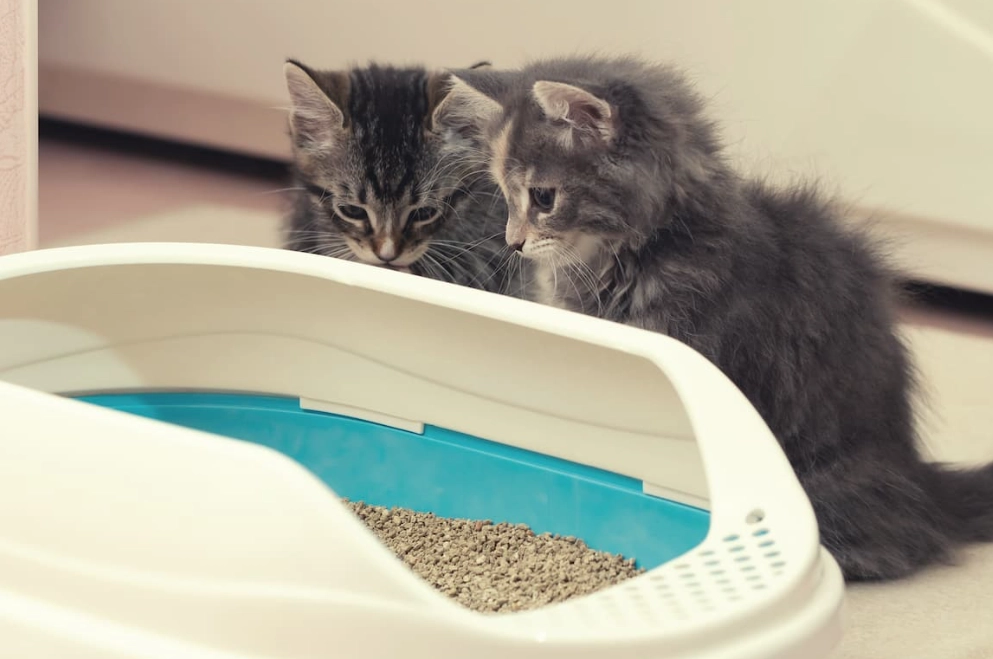
Clumping Litter for Kittens: This is a classic, dangerous oversight. Veterinarians at the American Animal Hospital Association (AAHA) explicitly warn against clumping clay litter for kittens under 4 months old. Kittens are curious and will ingest litter. Clumping litter can expand and cause intestinal blockages, a life-threatening emergency. Use non-clumping paper or wood pellets for kittens.
Litters with Added "Crystals" or Silica Gel Beads: While silica gel litters are highly absorbent, the fine beads can stick to paws and fur, leading to ingestion during grooming. In large quantities, this can cause gastrointestinal upset. For cats with sensitive systems or those prone to pica (eating non-food items), it's a risk.
Any Litter Labeled "Natural" or "Organic" Without Scrutiny: This term is unregulated. Some "natural" corn or wheat-based litters can grow mold if stored in humidity, and the starches can attract pests. Worse, some cats are allergic to the proteins in these grains, leading to skin and paw irritation. Always patch-test a new litter in a separate box.
How to Choose Litter Based on Your Cat's Specific Needs
Generic advice fails here. A 15-year-old arthritic cat has different needs than a playful Bengal. Let's match the litter to the life stage and health scenario.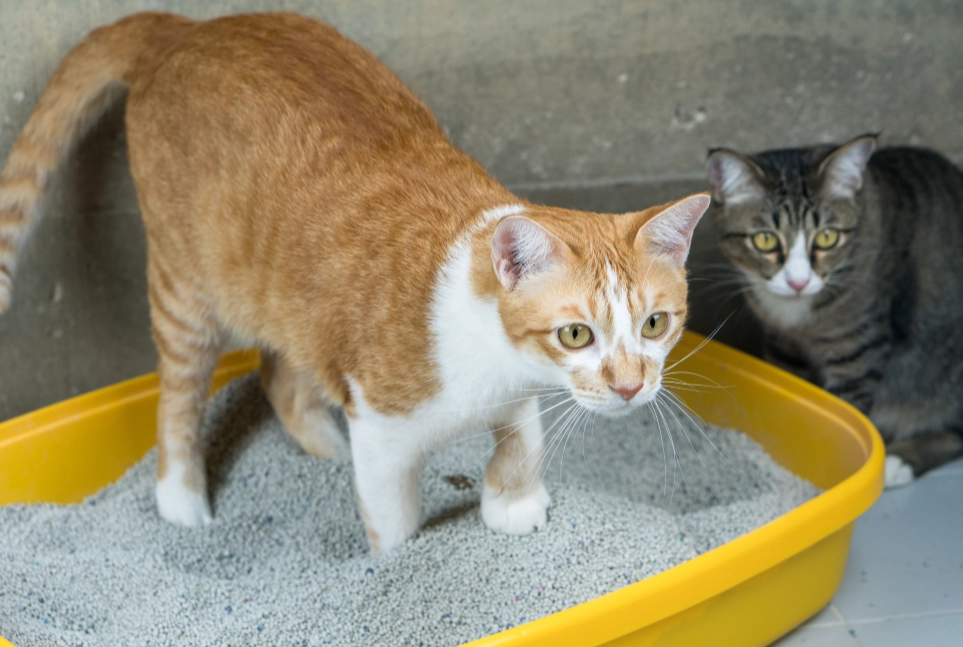
For Senior Cats or Cats with Arthritis
Think softness and low entry. Fine-grained, soft clumping litters or shredded paper are gentler on painful joints. Avoid large, hard pellets. Ensure the litter box has a very low side for easy access. Dust control is even more critical as older cats may have weaker respiratory systems.
For Cats with Asthma or Respiratory Sensitivities
Dust is the trigger. Your only options are truly dust-free litters. Paper-based litters (like Yesterday's News) or certain processed wood pellets (like Feline Pine) often produce the least airborne particles. Even some "low-dust" clays can be problematic. You may need to try a few.
For Multiple Cat Households
You need superior odor control and clump strength. Clumping clay or clumping silica gel often work best because they lock away moisture quickly. Have at least one box per cat, plus one extra, all with the same litter to prevent rejection. Scented litter is tempting here, but don't do it. It can cause stress and box avoidance. Better to scoop twice daily.
For Cats with a History of UTIs or Crystals
Cleanliness is paramount to prevent bacterial growth. A fast-clumping, unscented litter encourages frequent scooping. Some vets recommend avoiding clay altogether for these cats, due to potential dust tracking into urinary tracts, and suggest a high-quality paper or grass seed litter instead. This is a case where a direct conversation with your vet is essential.
Vet-Reviewed Cat Litter Types: A Detailed Comparison
Here’s a breakdown of common litter types through the lens of veterinary priorities. This table isn't about brands; it's about material properties.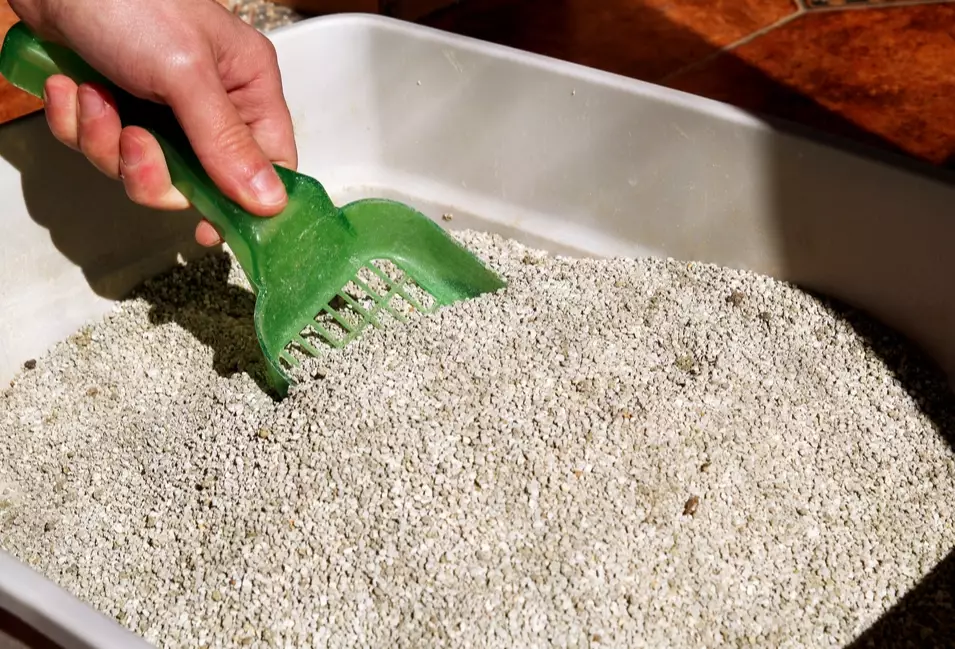
| Litter Type | Vet Pros | Vet Cons & Cautions | Best For |
|---|---|---|---|
| Sodium Bentonite Clumping Clay | Excellent clump formation for health monitoring. Widely accepted by cats. Good odor control. | Can be dusty. Heavy. Not biodegradable. Avoid for kittens. | Healthy adult cats, multi-cat homes, owners who value scooping ease. |
| Silica Gel Crystals | Superior odor control and absorption. Very low tracking. Long-lasting. | Can be expensive. Some cats dislike the texture. Ingestion risk for curious cats. | Busy owners, small spaces, cats who are not prone to eating non-food items. |
| Recycled Paper Pellets | Virtually dust-free. Highly absorbent. Soft on paws. Safe for kittens and post-surgery. | Poor clumping (forms a soggy mass). Odor control is mediocre. Needs frequent full changes. | Kittens, cats with asthma/respiratory issues, senior cats with arthritis. |
| Pine/Wood Pellets | Natural deodorizing (smells like wood when wet). Low dust. Biodegradable. | Does not clump. Turns into sawdust when wet, which some cats dislike. Pine scent can deter some cats. | Eco-conscious owners, cats who don't mind texture change, low-tracking needs. |
| Grass Seed or Wheat | Clumps reasonably well. Often low-dust. Biodegradable. | Can attract bugs if not stored properly. Some cats have grain allergies. Can be pricey. | Owners seeking a natural, clumping alternative to clay. Cats without grain sensitivities. |
My own journey ended with a hybrid. For my two adult cats, I use an unscented, low-dust clumping clay. But I keep a box of paper pellets in the house for when my friend's kitten visits. It's not one-size-fits-all.
Your Cat Litter Questions, Answered by Vet Logic
 How often do vets recommend completely changing all the litter in the box?
 The bottom line from the veterinary community is clear: choose a cat litter that prioritizes your cat's physical health—their lungs, their paws, their urinary tract—over human convenience or preferences. Start with an unscented, low-dust formula that matches your cat's life stage, and be prepared to adjust based on their individual reaction. The right litter isn't just about a clean house; it's a foundational part of preventive healthcare for your cat.


Join the Conversation