You see the claims on every bag in the pet store aisle: "cleans teeth," "freshens breath," "supports oral health." Cat dental treats are a massive market, but let's be honest—most of us have no idea if they actually do anything beyond making our cats happy for 30 seconds. I've been through this with my three cats over the last decade. One had terrible breath that could clear a room, another developed gingivitis early, and the third would rather fight me than let a toothbrush near her mouth. Dental treats became our compromise, our daily ritual. But it took years of trial, error, and some straight talk from my vet to figure out which ones were worth the money and how to use them correctly.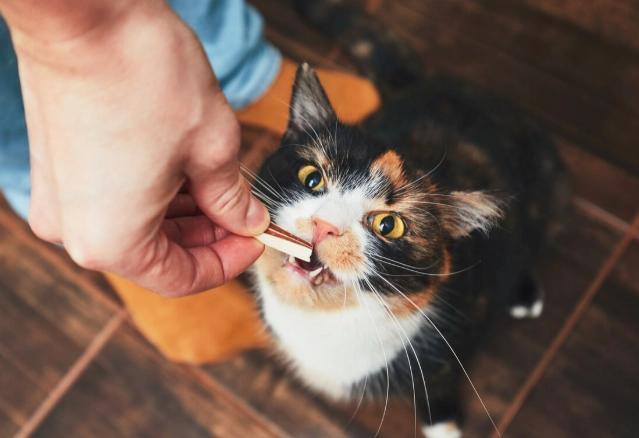
This isn't just a list of products. It's a breakdown of the science (or lack thereof) behind them, the common mistakes owners make that waste money, and a practical system for integrating dental treats into a plan that actually protects your cat's teeth and gums.
What’s Inside This Guide
How Do Cat Dental Treats Actually Work? (It's Not Magic)
Think of a dental treat as a very, very poor substitute for brushing. The goal is mechanical and sometimes chemical action.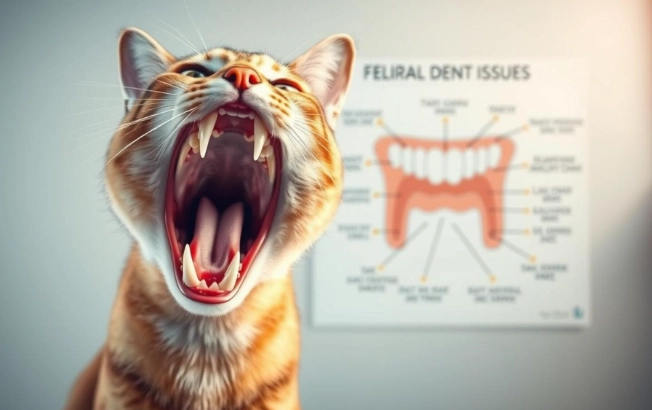
Mechanical Cleaning: This is the big one. As your cat chews, the treat's texture is designed to scrape against the tooth surface, particularly the crowns (the parts you can see). A good chew has some abrasiveness. It's like using a rough sponge on a dirty plate—it can knock off some of the soft plaque before it hardens into tartar (calculus). Tartar is the hard, yellow-brown stuff that only a veterinary professional can remove. The key here is that the treat needs to be chewed with some vigor. If your cat just swallows it whole (looking at you, my dear gobbler, Mittens), the mechanical benefit is close to zero.
Chemical Action: Some treats include additives meant to break down plaque enzymatically or create an environment in the mouth that's less friendly to bacteria. Common ones are:
- Zinc compounds: Can help reduce plaque formation and bad breath.
- Sodium hexametaphosphate: Binds to calcium in saliva to help prevent tartar mineralization.
- Chlorophyll or parsley: Often marketed as natural breath fresheners.
The chemical part is helpful, but it's secondary. If the treat isn't doing mechanical work, the chemicals have a much harder time reaching the nooks and crannies where plaque hides.
The Gold Standard: VOHC Seal
This is the single most important thing to look for. The Veterinary Oral Health Council (VOHC) is an independent body that reviews scientific studies submitted by companies. If a product meets their standards for reducing plaque and/or tartar in controlled trials, it gets the VOHC Seal of Acceptance. It's not a guarantee for every cat, but it's the closest thing we have to proof that a product does what it claims. You can find the full list of accepted products on the VOHC website.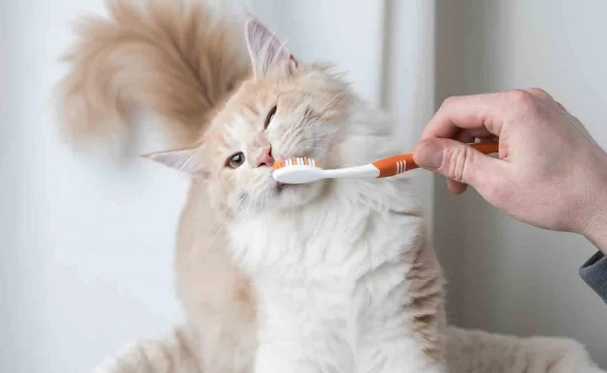
How to Choose the Best Dental Treats for Your Cat
Forget fancy marketing. Here’s what matters, in order of importance.
- The VOHC Seal. Non-negotiable if you want proven efficacy.
- Your Cat's Chewing Style. This is the expert tip most miss. Is your cat a crusher or a gobbler? Crushers will work their way through a larger, harder treat. Gobblers need a smaller, more porous treat that breaks apart easily, forcing some chewing action as it crumbles. Match the treat to the eater.
- Ingredient Quality & Calorie Count. Dental treats are snacks. They add calories. Check the feeding guide—some are 2-3 calories each, others can be 15+. For an indoor cat, those extra 30-45 calories a day add up fast. Also, look for a named protein source ("chicken meal" is better than "meat meal") and avoid unnecessary fillers like corn syrup or artificial colors.
- Texture & Shape. Look for treats with ridges, nubs, or a porous texture. Smooth, hard biscuits do very little. Some are designed with a specific shape to reach back teeth.
| Treat Type | Best For | Potential Drawback | Example (VOHC Accepted) |
|---|---|---|---|
| Chewy, Porous Bites | Gobblers, senior cats, cats with dental sensitivity. They crumble easily. | Can be higher in calories; may leave more crumbs. | Greenies Feline Dental Treats |
| Hard, Ridged Biscuits | Crushers, cats who enjoy a longer chew. Often larger. | May be too hard for some cats; risk of tooth fracture in cats with weak teeth (rare). | Purina DentaLife Daily Oral Care |
| Dental Chews/Rawhide Alternatives | Cats who love to gnaw and chew for minutes. Provides extended cleaning time. | Must supervise to prevent choking on large pieces. Not all are VOHC accepted. | Virbac C.E.T. Enzymatic Oral Hygiene Chews |
The 3 Biggest Mistakes Cat Owners Make with Dental Treats
I've made all of these. So has almost every cat owner I know.
Mistake 1: Treating them as a complete solution. This is the cardinal sin. No dental treat, not even the best VOHC-accepted one, can replace professional veterinary cleanings or effective home brushing. Think of treats as a helpful supplement, like a fluoride mouthwash for humans. It helps, but it doesn't replace brushing and flossing. The American Veterinary Dental College is clear on this—dental diets and treats are aids in control, not substitutes for comprehensive care.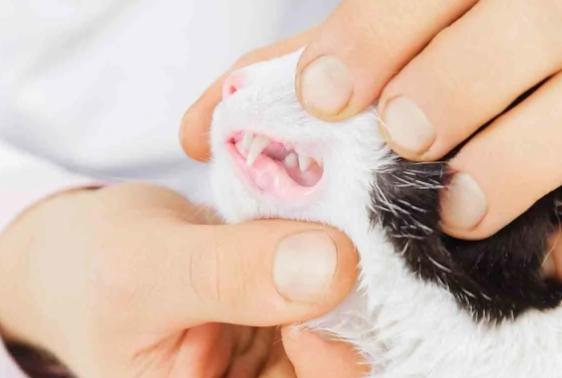
Mistake 2: Not checking the calories and overfeeding. It's so easy to hand out a few extra. "Oh, you're so cute, have another." Suddenly, you're wondering why your cat is gaining weight despite measuring their kibble perfectly. Always, always factor treat calories into their daily total. A good rule is that treats should not exceed 10% of daily calories.
Mistake 3: Ignoring your cat's mouth because the treats are "working." Just because the breath is better doesn't mean problems aren't brewing under the gumline (where 70% of a tooth's structure is). You still need to lift the lip monthly and look for red gums, brown tartar buildup, broken teeth, or sores. If you see any of that, it's vet time, not more treat time.
Building a Realistic Dental Care Routine
Let's be practical. If you can brush your cat's teeth daily, you're a superhero. For the rest of us, here's a tiered approach that uses dental treats effectively.
The Gold Tier (Ideal)
- Daily: Tooth brushing with a pet-safe enzymatic toothpaste. Even 30 seconds on the outside surfaces of the back teeth makes a huge difference.
- Daily: 1-2 VOHC-accepted dental treats as a reward after brushing or as a separate snack, calories accounted for.
- Annual/Bi-annual: Veterinary oral exam, with professional cleaning under anesthesia as recommended.
The Silver Tier (Realistic & Effective)
- 3-4 times a week: Tooth brushing. Consistency matters more than perfection.
- Daily: 1 VOHC-accepted dental treat on non-brushing days. On brushing days, maybe skip the treat or use a tiny, low-calorie non-dental treat as a brush reward.
- Annual: Veterinary oral exam without fail.
The Bronze Tier (Minimum Viable Prevention)
- Daily: 1 VOHC-accepted dental treat, carefully selected for your cat's chewing style.
- Weekly: Quick lip lift to check gum color and teeth.
- Annual: Veterinary oral exam is absolutely critical here. You're relying on the treat and need a pro to tell you if it's working.
The treat is just one tool. Pair it with a dental care water additive, a dental toy, or even a dental diet (many prescription and over-the-counter kibbles are VOHC accepted) for a multi-angle approach.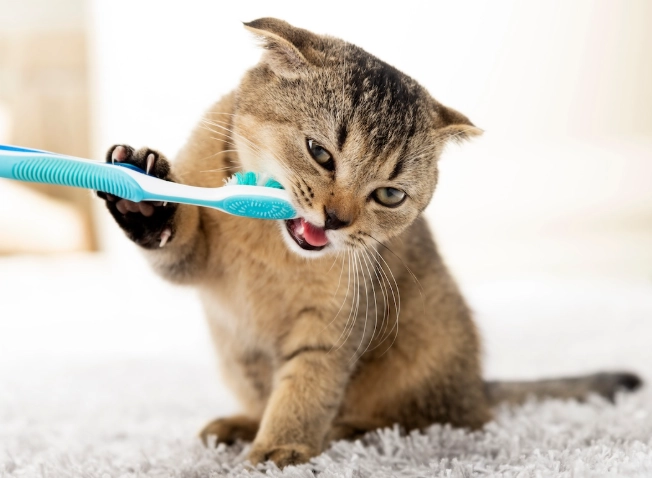

Join the Conversation