Let's cut to the chase. You want a reptile you can actually hold and interact with, not just watch through glass. That's smart. A pet you can handle builds a stronger bond and makes the whole experience more rewarding. But with so many species out there, how do you pick the right one? After keeping reptiles for over a decade, I've learned that "best for handling" isn't just about a calm temperament. It's about size, maintenance, feeding response, and how forgiving they are of beginner mistakes. This guide covers the top five, but more importantly, it tells you what nobody else does: the subtle downsides and the real daily commitment each one requires.
Your Quick Guide to Friendly Reptiles
Leopard Gecko: The Perfect First Pet
If I had to recommend one reptile to absolutely anyone, it's the leopard gecko. Their popularity is earned. They're small (usually 7-10 inches), have no claws that can scratch you, and their bite—if it ever happens—feels like a faint pinch. They're terrestrial, meaning they don't jump or climb out of your hands suddenly.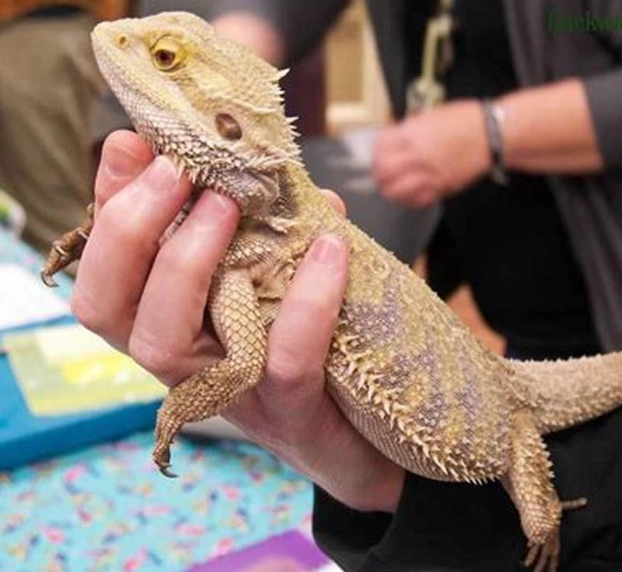
What makes them exceptional for handling is their predictable behavior. A healthy, settled leopard gecko will calmly walk from hand to hand. They don't have the frantic energy of some other lizards. I've found that regular, gentle handling for 10-15 minutes every other day makes them remarkably docile. Just support their whole body and let them explore your arms.
The catch everyone misses: Their tails can drop if they feel severely threatened or are grabbed by the tail. It grows back, but it's ugly and stressful for the animal. The key is to never grab them from above like a predator. Scoop them up from below. Also, they're nocturnal. Your prime handling time is early evening, not midday when they want to sleep.
Bearded Dragon: The Interactive Lizard
Beardies are like the puppies of the reptile world. They're diurnal (active during the day), often seem to enjoy human company, and can display unique personalities. An adult will happily sit on your shoulder while you work. Their size (16-24 inches) makes them feel substantial but not overwhelming.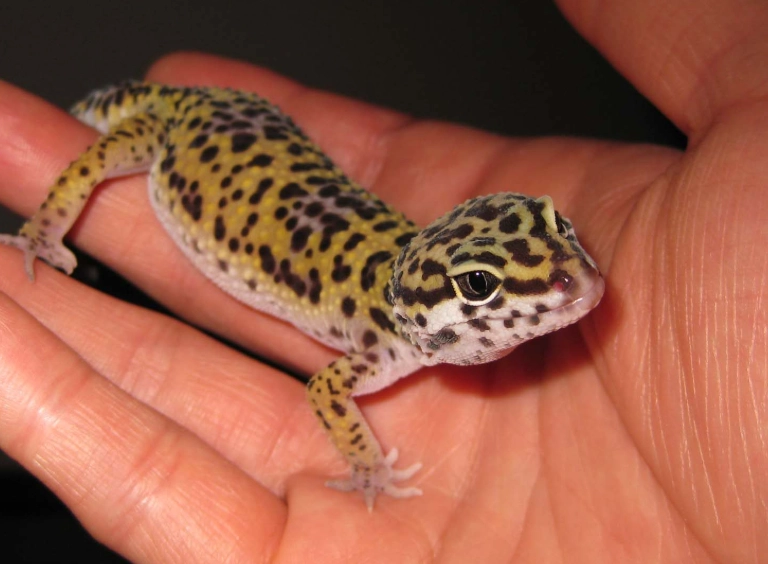
Their handling pros are huge. They rarely bite, and when they do, it's almost always a feeding mistake. They are sturdy and tolerate handling well, even by younger, less gentle family members (with supervision). Many will even fall asleep on you if you're warm enough.
The reality check: They require significant space (a 4x2x2 foot enclosure is now considered the bare minimum by advanced keepers) and specialized, expensive lighting (UVB) that must be replaced every 6 months. Their diet is more complex—fresh salads daily and live insects. They also poop. A lot. And it smells. You're committing to a 10+ year pet with substantial setup costs ($500+ initially) and weekly food bills.
Corn Snake: The Classic Beginner Snake
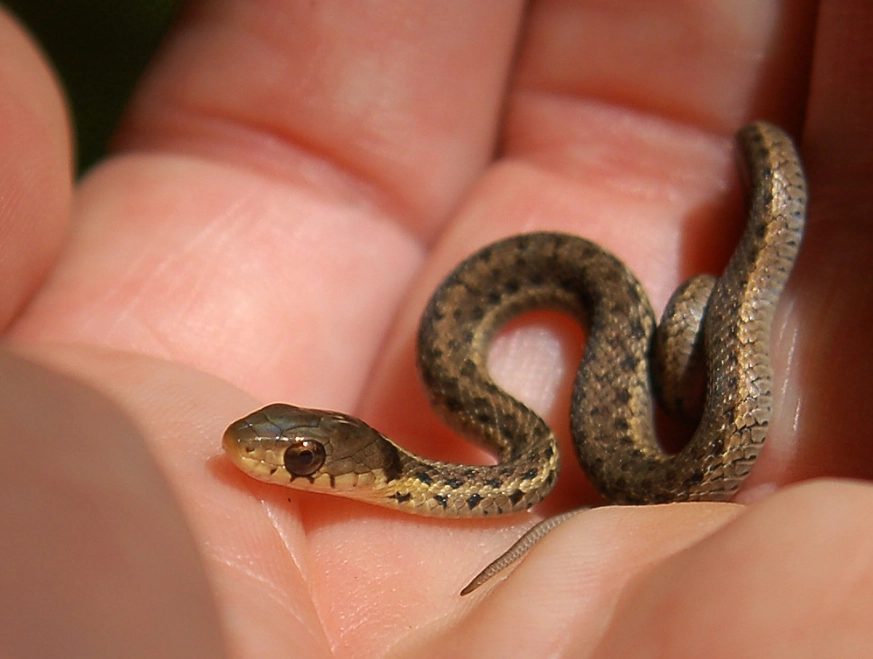
Forget the fear. A corn snake is one of the most handleable pets, period. They are slender, rarely exceed 5 feet, and have a temperament bred for calmness over decades in captivity. They move in a slow, deliberate manner when handled, unlike some faster, more nervous species.
Handling a snake is different. You support about one-third of its body and let the rest coil gently around your hand or arm. A corn snake will do this calmly. They are escape artists in their enclosures, but once in hand, they tend to settle. Their feeding response is distinct from handling—they switch modes. As long as you don't handle them when they're in "feeding mode" (like right after you've touched rodents), the chance of a mistaken bite is very low.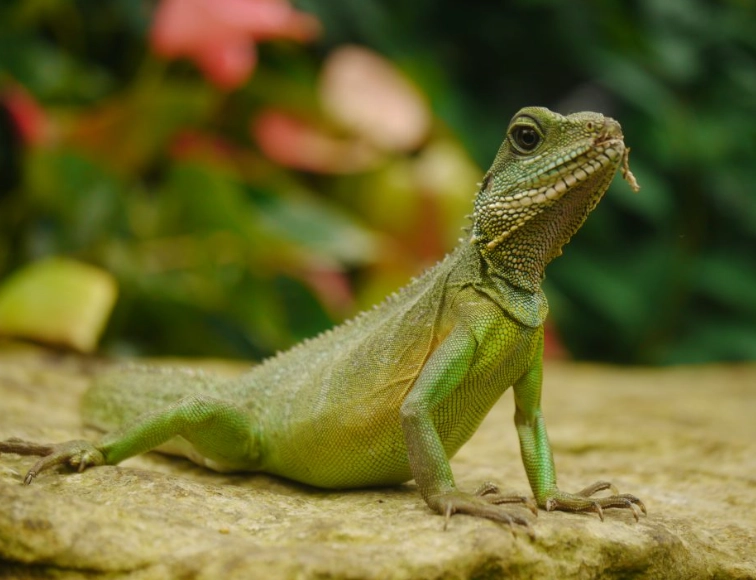
The unspoken issue: Some people, including family members, have an innate fear of snakes. You need to be prepared for that. Also, you must be comfortable with feeding frozen-thawed rodents. Their enclosures need very secure locks. If that doesn't bother you, you get a incredibly low-maintenance, odorless pet you can handle several times a week.
Blue-Tongue Skink: The Curious Tank
Blue-tongue skinks are gaining popularity for good reason. They are like a heavy, curious sausage with legs and a big blue tongue. Northern Blue-Tongued Skinks are the most common. They are ground-dwelling, slow-moving, and incredibly stout. When you pick one up, you feel its solid weight and calm demeanor.
They are intelligent and often food-motivated, which can be used for positive interaction (like hand-feeding a piece of berry). They rarely attempt to dart away. Their defense mechanism is to hiss and puff up, maybe show that blue tongue—it's startling but harmless. Once they realize you're not a threat, they mellow out beautifully.
The hidden cost: They require a mix of high-quality protein (like grain-free dog food or snails) and vegetables. Their enclosure needs moderate humidity (40-60%), which can be tricky to maintain in a dry house. They also live 15-20 years. They're not as readily available as beardies or leos, so finding a captive-bred baby might require searching a reputable breeder online.
Ball Python: The Gentle Giant (With Caveats)
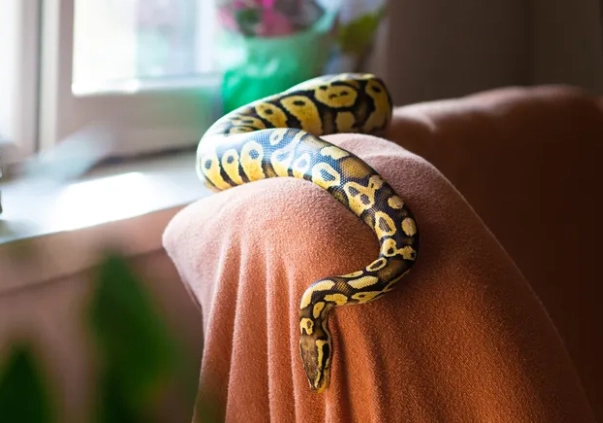
Ball pythons deserve a spot here, but with major asterisks. Their common name comes from their defense mechanism: they ball up, hiding their head. This makes them passive and easy to pick up. An adult is muscular but generally slow-moving when handled. Their calm, steady presence is enjoyable.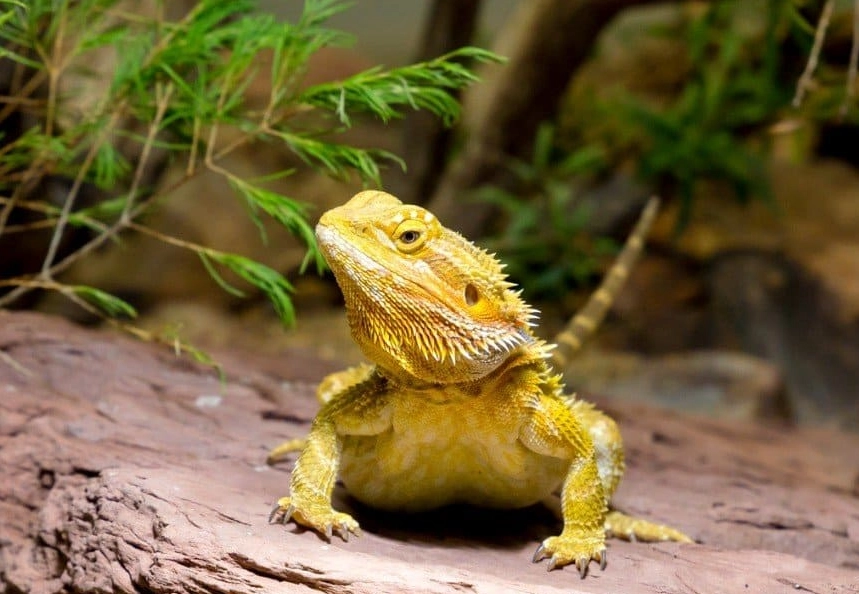
When they're eating regularly and well-settled, they are fantastic, handleable snakes. You can find them in countless beautiful morphs (color patterns).
The massive, often glossed-over caveat: They are notorious for going on hunger strikes, sometimes for months, for no apparent reason. This stresses new owners immensely. They also have higher humidity requirements (60-70%) to shed properly, which can lead to respiratory infections if not managed. They get thicker and heavier than corn snakes. For a dedicated owner willing to troubleshoot, they're great. For someone who panics easily, they're a potential headache. The Reptifiles care guides are an excellent resource for navigating these specific challenges.
Comparison at a Glance
| Pet | Size | Temperament for Handling | Key Care Need | Lifespan |
|---|---|---|---|---|
| Leopard Gecko | 7-10 inches | Docile, calm, predictable | Simple heat pad, hide boxes | 15-20 years |
| Bearded Dragon | 18-24 inches | Interactive, personable, sturdy | Large tank, strong UVB lighting, varied diet | 10-15 years |
| Corn Snake | 4-5 feet | Curious, slow-moving, gentle | Escape-proof enclosure, rodent diet | 15-20 years |
| Blue-Tongue Skink | 18-24 inches | Calm, curious, food-motivated | Moderate humidity, omnivorous diet | 15-20 years |
| Ball Python | 3-5 feet | Shy but gentle, balls up when scared | High humidity, patience with feeding | 20-30 years |
How to Handle Reptiles the Right Way
It's not just about which reptile, but how you interact with it. Doing it wrong can stress the animal and ruin a good temperament.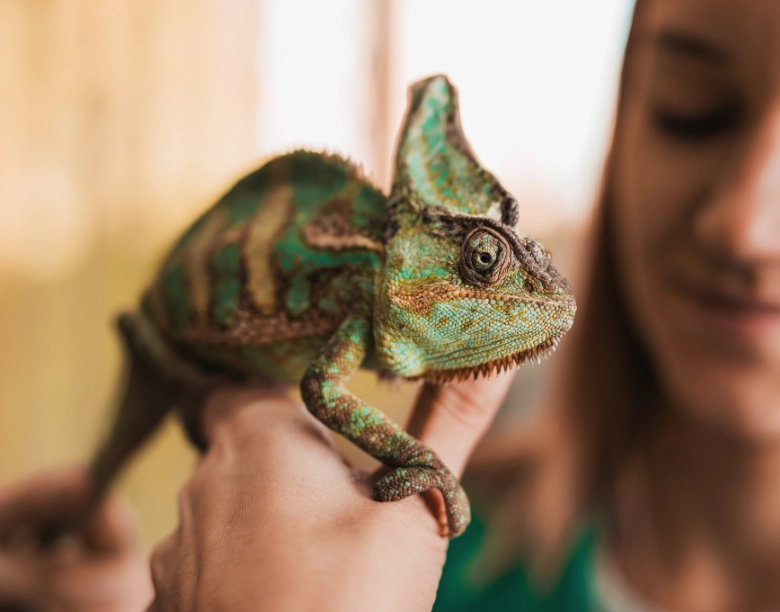
Start slow. Give a new pet at least a week to settle into its enclosure with no handling. Let it learn that its home is safe.
Read the body language. A bearded dragon flattening its body (pancaking) is usually relaxed. One with a black beard is stressed or angry. A snake in a tight S-coil might be defensive. A hissing skink needs a minute. Learn your pet's signals.
Support their body. Never let a lizard or snake dangle. Fully support their belly and legs. For snakes, let them flow through your hands.
Keep sessions short. 5-15 minutes is plenty, especially at first. End on a positive note before they get restless.
Wash your hands. Both before (so you don't smell like food) and after (for salmonella safety, though risk is low with good hygiene).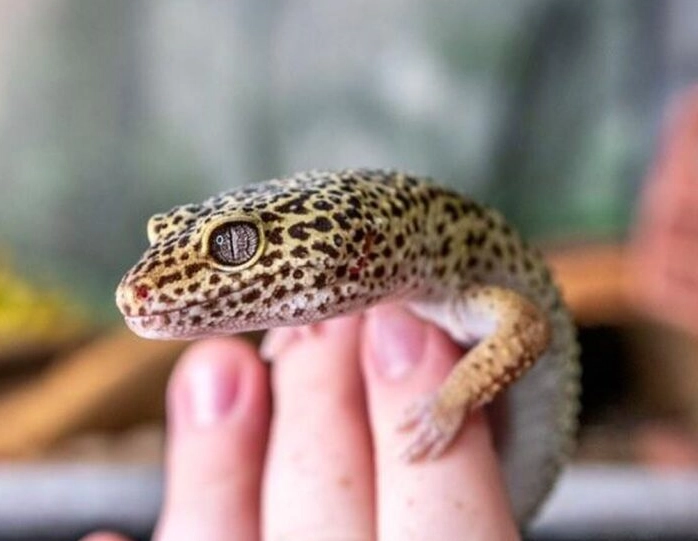

Join the Conversation