Quick Navigation
- Why "When" Matters More Than You Think
- The Golden Rule: The Initial Settling-In Period
- Executing the First Feeding: A Step-by-Step Playbook
- What If It Refuses? The "New Snake Hunger Strike" Guide
- Establishing a Long-Term Feeding Schedule
- Common Pitfalls and How to Avoid Them
- FAQs: Your "When to Feed" Questions, Answered
- Putting It All Together: Your Feeding Success Checklist
So you've brought home your new scaly friend. The enclosure is set up, the heat is just right, and you're probably staring at the little guy (or gal) wondering one thing above all else: when should I feed my new snake? It's the question that keeps new owners up at night, scrolling through forums and getting wildly different answers.
Let me tell you, I've been there. I remember bringing home my first ball python, a little pastel named Noodle, and being so anxious about feeding him. I wanted to do everything perfectly. The advice I got was all over the map – "wait a week," "feed him the next day," "let him settle for two weeks." It was confusing, to say the least.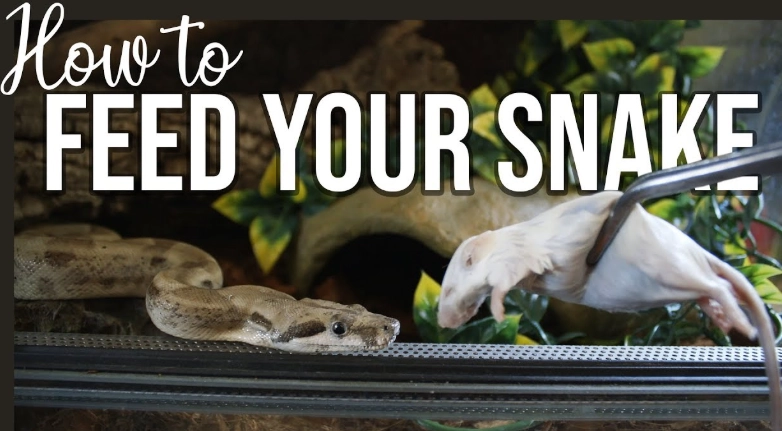
The truth is, getting the timing right isn't just about following a rigid rule. It's about understanding your snake's stress levels, its biology, and setting up a routine that leads to a lifetime of healthy meals. Get it wrong, and you might face a hunger strike that frays your nerves. Get it right, and you build confidence—for both you and your snake.
Why "When" Matters More Than You Think
Feeding a snake isn't like feeding a dog that's bouncing at your feet at dinner time. Snakes are secretive, stress-prone predators in a vulnerable position when they eat. For a new snake, everything is terrifying. New smells, new sights, new vibrations. Its entire world has been upended.
Throwing a mouse at it during this panic phase is a recipe for refusal. At worst, it can cause regurgitation, which is seriously dangerous for a snake. The goal isn't just to get food in the belly. The goal is to establish a positive, low-stress feeding response from the very beginning. That's why the question of when should I feed my new snake is so critical. It sets the tone.
The Golden Rule: The Initial Settling-In Period
Almost every experienced keeper will tell you the same core piece of advice: do not attempt to feed your new snake on the day you bring it home. Just don't. I made this mistake once with a corn snake years ago, and she stared at the pinky mouse like it was a poisonous alien. She was too busy being scared of her new tub to even think about food.
The standard protocol is a minimum of 5 to 7 days of complete hands-off settling in. No handling. No poking around the enclosure unnecessarily. Just let it be. This period allows the snake to:
- Explore its new hide boxes and feel secure.
- Get used to the day/night cycle of its new home.
- Start to recognize the enclosure as a safe territory, not a threat.
- De-stress from the journey from the breeder or store.
Some snakes, particularly more sensitive species like ball pythons or hognose snakes, might need a full week or even 10 days. Watch for signs it's settling: it's using its hides, it's not constantly cruising the glass (glass surfing), and it seems relaxed when you peek in.
The settling-in period is non-negotiable.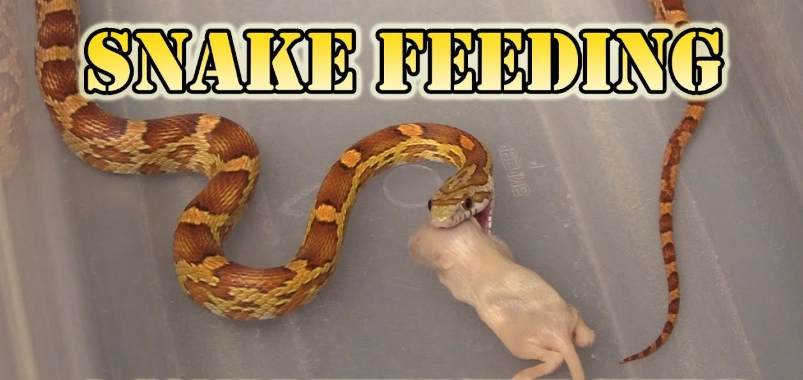
How to Know Your Snake is Ready for Its First Meal
You've waited the week. Now what? Don't just automatically drop food in on day 7. Do a quick visual check. Is the snake curled up calmly in a hide? Good sign. Is it tucked in the cool hide? That's fine too—it might just be digesting the stress (so to speak).
A big sign for many snakes is becoming active at the onset of their "night." For nocturnal snakes, you might see them poking their heads out at dusk. That's often a hunting signal. This is a prime time to attempt that first feed.
Executing the First Feeding: A Step-by-Step Playbook
Alright, day 7 or 8 has arrived, and your snake seems chill. This is when you finally get to answer the burning when should I feed my new snake question with action. Here's how to maximize your chances of success.
Prey Type and Preparation: Thawing is Key
Hopefully you know what your snake was eating before you got it. Stick with that. If it was on live, you can try to switch to frozen-thawed (F/T) later, but for the first meal, offer familiarity. For 99% of common pet snakes, that means a frozen-thawed rodent.
The safest method is to move the frozen prey from the freezer to the fridge the night before feeding. A few hours before mealtime, take it out of the fridge and let it sit in a sealed plastic bag in a bowl of warm (not hot) water. It should be completely thawed, body temperature warm (about 100°F / 38°C), and dry before offering. I use a paper towel to pat it dry—a wet rat is less appealing.
The Actual Feeding Method: Keep it Low-Key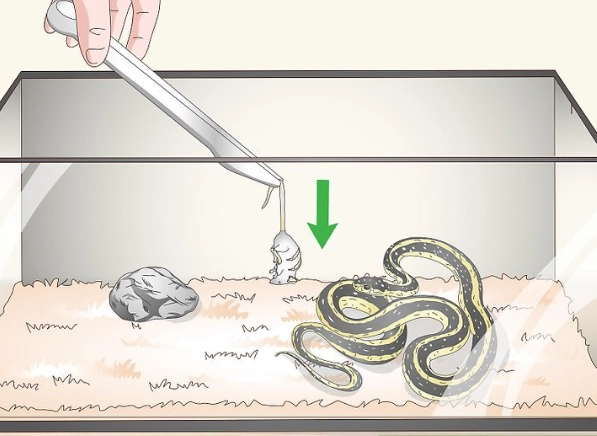
Turn the lights down low if the snake is nocturnal. Minimize noise and movement. Using long feeding tongs, gently dangle the prey item in front of the snake's hide or near where it's resting. Give a little gentle, slow wiggle to simulate life. Don't poke the snake with it. Just present it.
If the snake shows interest (flicks its tongue rapidly, focuses, maybe comes out of the hide), keep the prey steady. Let it strike. If it shows no interest after 10-15 minutes, just leave the prey item on a small dish or flat rock near it, turn off the lights, and leave the room completely for a few hours. Sometimes they want a private dinner.
If the prey is still there after 2-3 hours, remove it. You can refreeze it once, but its nutritional quality declines. It's better to toss it and try again in 3-4 days.
What If It Refuses? The "New Snake Hunger Strike" Guide
This is where panic sets in for new owners. You followed all the rules, and the snake just ignored the food. Take a deep breath. Refusals are incredibly common, especially with ball pythons. It doesn't mean you're a failure or the snake is sick (yet).
First, don't panic-offer food every day. That just stresses the snake more and teaches it that the scary giant appears constantly. Go back to leaving it completely alone for another 5-7 days. Then try again.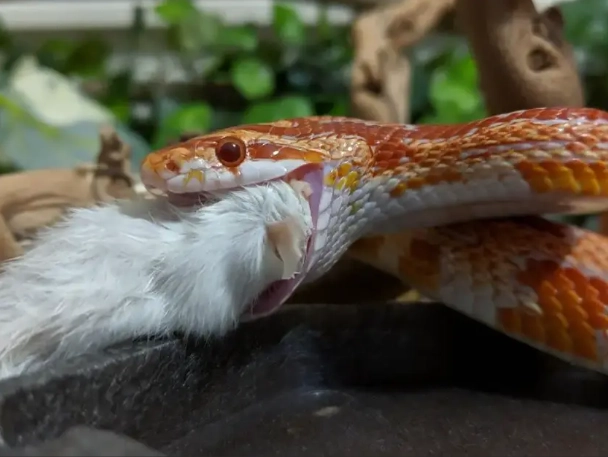
Troubleshooting a Feeding Refusal
- Prey Size: Is it too big? A good rule is the prey's widest part should be no larger than the snake's widest part.
- Prey Temperature: Was it warm enough? Snakes use heat signatures to target prey. A cold, room-temp mouse is invisible to their heat-sensing pits.
- Enclosure Issues: Are the temperatures correct? A snake that's too cold won't digest and won't eat. Is there enough clutter and security? An open, exposed snake is a stressed snake. The Reptiles Magazine care sheets are a great resource for double-checking species-specific requirements.
- Season: Is it winter? Many snakes naturally go off feed during cooler months, even in captivity.
- Shedding: Is the snake's skin looking dull or blue-ish (in the "blue" phase)? Most snakes won't eat while in shed because their vision is impaired.
If you've tried multiple times over 3-4 weeks and the snake is losing significant weight, it's time to consult a reptile veterinarian. But for a healthy snake that's just settled, a few weeks of refusal is often just an adjustment period.
Establishing a Long-Term Feeding Schedule
Once that first successful meal is down, you can start thinking about a schedule. This is the long-term answer to when should I feed my new snake. It's not random; it's based on age, species, and metabolism.
| Snake Age/Size | Common Species Examples | Prey Type | Feeding Frequency | Notes |
|---|---|---|---|---|
| Hatchling/Juvenile | Baby Corn Snake, Baby Ball Python, Baby King Snake | Pinky or fuzzy mice, rat pups | Every 5-7 days | They're growing fast and need frequent meals. Don't skip. |
| Sub-Adult | Growing Corn, Ball Python (~1-2 years) | Small adult mice, weaned rats | Every 7-10 days | Growth is slowing, metabolism adjusting. |
| Adult | Mature Corn Snake, Adult Ball Python, Adult Boa Constrictor | Adult mice, small/medium rats | Every 10-14 days (Corns), 10-21 days (Balls/Boa) | Maintenance feeding. Overfeeding leads to obesity. |
| Large Constrictors | Adult Reticulated Python, Burmese Python | Large rats, rabbits | Every 3-6 weeks | Very slow metabolism. Less is more to avoid fatty liver disease. |
See how it varies? A common mistake is feeding all snakes weekly forever. An adult ball python on a weekly rat schedule will become a fat, unhealthy ball python very quickly. I've seen it, and it's sad. Their systems are built for feast and famine in the wild.
"The best feeding schedule is one that maintains a healthy, slightly muscular body shape. You should see a gentle taper from the body to the tail, not a bulge followed by a sharp drop-off." – This is a mantra I repeat to myself.
Time of Day Matters Too
Feed your snake during its natural active period. For corn snakes, kingsnakes, and other diurnal/crepuscular species, early evening works well. For strictly nocturnal snakes like ball pythons or many boas, feed after dark. Mimicking their natural rhythms encourages a strong feeding response.
Common Pitfalls and How to Avoid Them
Let's talk about mistakes. We all make them. Here are some big ones related to timing and feeding new snakes.
Overhandling Before Feeding: You handle your snake for 20 minutes, then try to feed it. It's stressed from the handling and in "escape" mode, not "hunt" mode. Leave at least a full day between handling and a feeding attempt.
Feeding in a Separate Container: The old advice of moving to a "feeding tub" to prevent cage aggression is largely debunked and can cause more stress. Feeding in the home enclosure is perfectly fine and safer. The snake is comfortable there. Just use tongs so your hand isn't associated with food.
Powerfeeding: Trying to make your snake grow faster by feeding it more often than recommended. This stresses the liver and kidneys, leads to obesity, and can shorten its lifespan. Stick to the schedule.
Ignoring Seasonal Changes: As mentioned, a snake might eat ravenously all summer and then refuse food for 6-8 weeks in the winter. If parameters are correct and the snake isn't losing much weight, this can be normal. Resources like the American Veterinary Medical Association (AVMA) provide guidelines on recognizing normal vs. problematic anorexia in pets.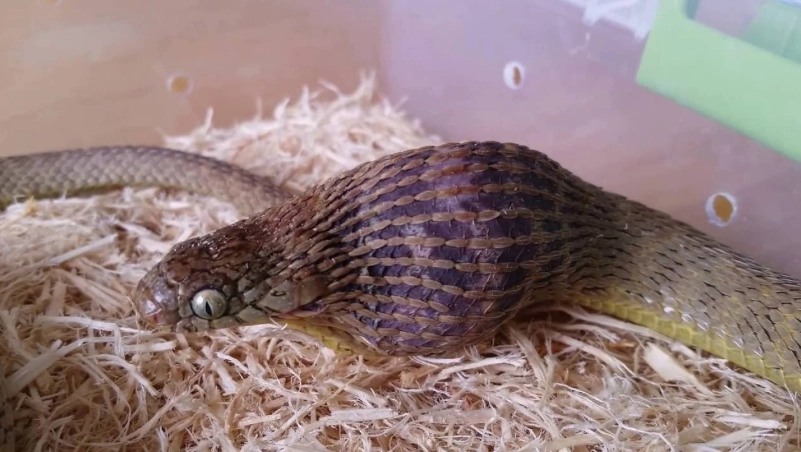
FAQs: Your "When to Feed" Questions, Answered
Putting It All Together: Your Feeding Success Checklist
Let's wrap this up with a simple list you can come back to. When you're wondering when should I feed my new snake, run through these points.
- Week 1: Hands off. Let it settle. No feeding attempts.
- First Offer (Day 5-10): Thaw prey properly. Offer quietly at the right time of day. Use tongs.
- If Refused: Remove prey after a few hours. Don't stress. Wait 5-7 more days of no contact, then try again. Check husbandry.
- If Accepted: CELEBRATE! Then, no handling for 48+ hours.
- Establish Schedule: Based on age/species (see table). Feed in the evening/night during active times.
- Monitor Body Condition: Adjust frequency or prey size if the snake is getting too fat or too thin. A healthy snake is not a round snake.
The journey with a new snake is amazing. That first successful feed is a massive milestone. It means you've provided a secure enough home for it to perform its most basic natural behavior. Patience really is the key. Don't rush it. Set the stage correctly, and you'll have a confident, healthy eater for years to come.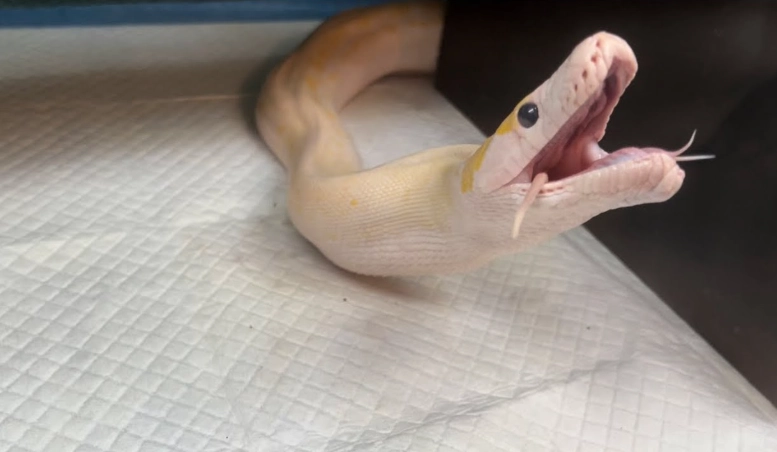
Good luck with your new friend!


Join the Conversation