I remember when I brought home my first bearded dragon, Ziggy. I had the tank, the heat lamp, the food—everything the pet store said I needed. But Ziggy just sat there, looking bored out of his mind. It took me years of trial and error, talking to reptile vets, and even visiting a breeder in Arizona to figure out what truly keeps these lizards happy. It's not just about survival; it's about thriving. Let's cut to the chase: a happy bearded dragon is active, curious, and shows natural behaviors. If yours is glass surfing or hiding all day, something's off.
Jump to What Matters
Getting the Habitat Just Right: More Than Just a Tank
Think of your bearded dragon's enclosure as their world. Get it wrong, and you'll see stress behaviors fast. A common myth? That a 40-gallon tank is enough for an adult. It's not. Go for at least 75 gallons, or better yet, a 4x2x2 foot enclosure. This gives them space to roam, which is crucial for mental health.
Temperature and Lighting: The Non-Negotiables
Here's where I messed up early on. I used a cheap thermometer from a big-box store. It was off by 5 degrees! Bearded dragons need precise gradients: a basking spot of 95-110°F, a warm side around 85-90°F, and a cool side down to 75-80°F at night. Use digital thermometers with probes—trust me, it's worth the investment.
Lighting is even trickier. UVB is essential for calcium metabolism, but not all UVB bulbs are equal. Avoid coil bulbs; they create hot spots and don't cover enough area. A linear T5 HO UVB tube, like those from Arcadia or Zoo Med, is the gold standard. Place it alongside the heat lamp, covering two-thirds of the tank. Replace it every 6-12 months, even if it still lights up. UV output fades, and that's a silent killer for bone health.
Pro tip: I learned this from a reptile vet—use a Solarmeter 6.5 to measure UVB output. It's pricey, but if you're serious, it prevents metabolic bone disease. Most owners skip this, relying on guesswork.
Enclosure Decor: Create a Miniature Desert
Bare tanks are boring. Add texture and variety. Use a mix of substrates: I prefer a 70/30 blend of play sand and topsoil for digging, but some owners use slate tiles for easy cleaning. Include multiple hides—one on the warm side, one on the cool side. And don't forget climbing structures. Bearded dragons love to perch. Driftwood or reptile-safe branches work great.
I once used a hide that was too small. Ziggy got stuck trying to turn around! Always check the size; your dragon should fit snugly but not cramped.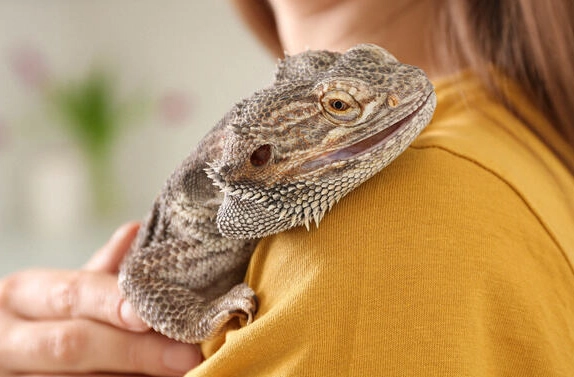
Food That Fuels Happiness: It's Not Just Crickets
Diet impacts mood more than you think. A hungry or malnourished bearded dragon is a grumpy one. Juvenile dragons need 80% insects and 20% veggies, shifting to 20% insects and 80% veggies as adults. But variety is key.
| Staple Insects | Occasional Treats | Best Veggies |
|---|---|---|
| Dubia roaches | Mealworms (sparingly) | Collard greens |
| Black soldier fly larvae | Waxworms (rarely) | Mustard greens |
| Crickets (gut-loaded) | Superworms (for adults) | Butternut squash |
Gut-load insects with nutritious veggies 24 hours before feeding. Dust them with calcium powder (with D3 if UVB is low) 3-4 times a week, and a multivitamin once a week. Over-supplementing is a thing—it can cause toxicity. I've seen owners dust every feeding, leading to kidney issues.
Feeding Schedule: Consistency Matters
Feed juveniles twice daily, adults every other day. But here's a nuance: offer food in the morning when they're most active. If they refuse, remove uneaten insects after 15 minutes to prevent stress. Hydration is often overlooked. Many bearded dragons won't drink from a bowl. Mist their veggies or offer water via a dropper. Some, like my current dragon, Blaze, enjoy a shallow bath once a week—it encourages drinking and helps with shedding.
Enrichment That Actually Works: Beat the Boredom
Bearded dragons are smarter than people give them credit for. Without stimulation, they get bored. Signs include pacing, lethargy, or even aggression. Enrichment isn't just toys; it's about engaging their natural behaviors.
- Foraging fun: Scatter feed insects in the enclosure instead of using a bowl. It makes them hunt.
- Climbing challenges: Add new branches or rocks every few weeks. I rotate items from the backyard (baked to sterilize).
- Interactive toys: Some dragons push around small balls or investigate puzzle feeders. Blaze loves chasing a laser pointer dot—controversial, but it gets him moving.
Handling is part of enrichment too. Start slow, 5-10 minutes daily, supporting their body. Avoid grabbing from above; it mimics predators. If they puff up or darken their beard, back off. They're not dogs—they don't crave cuddles, but they can learn to tolerate or even enjoy gentle interaction.
I made the mistake of over-handling Ziggy when he was new. He got stressed and stopped eating for days. Lesson learned: let them set the pace.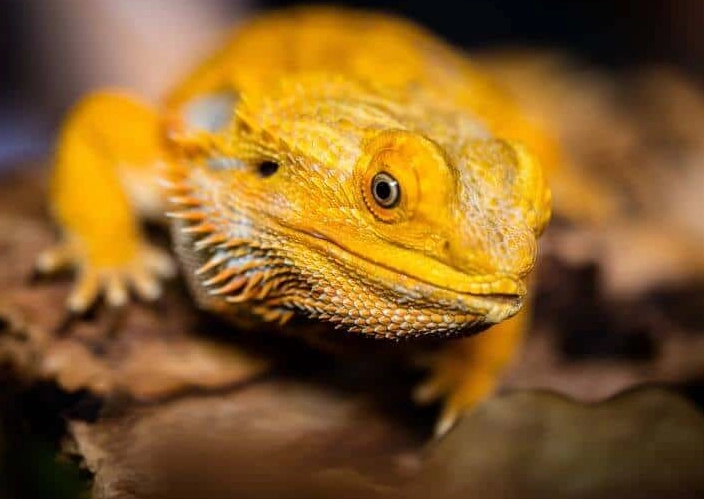
Mistakes Even Experienced Owners Make: The Subtle Stuff
After keeping dragons for a decade, I've seen recurring errors. One big one: assuming a hot basking spot is enough. The cool side matters just as much for thermoregulation. If it's too warm, they can't cool down, leading to stress.
Another is ignoring humidity. Aim for 30-40%. Too high, and you risk respiratory infections; too low, and shedding problems arise. Use a hygrometer—don't guess.
Social media often shows bearded dragons with colorful accessories. Those dyed hammocks or plastic plants? They can be toxic if ingested. Stick to natural, reptile-safe materials. I once bought a cute hide from a chain store, and it had sharp edges that scratched Blaze. Always inspect decor.
Lastly, vet visits. Many owners skip annual check-ups. Reptiles hide illness well. A happy dragon is a healthy one, so find a vet certified by the Association of Reptilian and Amphibian Veterinarians (ARAV). It's worth the cost for peace of mind.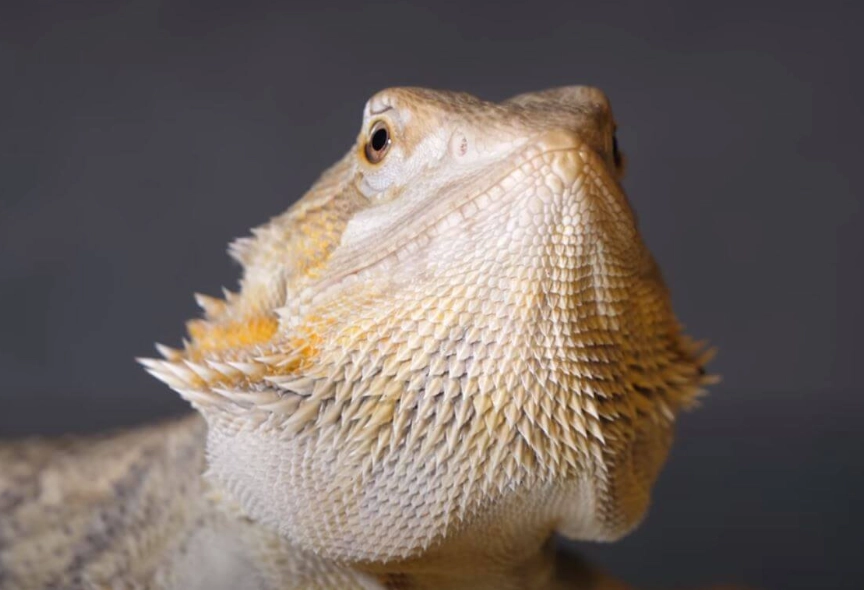
Your Questions Answered
Keeping a bearded dragon happy boils down to mimicking their natural environment and paying attention to details. It's not rocket science, but it requires consistency. Start with the basics—proper heat, UVB, and diet—then layer in enrichment. Your dragon will thank you with vibrant colors and lively behavior. And if you hit a snag, don't hesitate to consult resources like Reptiles Magazine or a specialized vet. Happy dragon keeping!


Join the Conversation