Let's cut to the chase. If you're keeping a hamster in one of those colorful, plastic starter kits from the pet store, you're probably doing it wrong. I've seen it countless times—a well-meaning owner, a cute hamster, and a cage that's essentially a glorified shoebox. The hamster runs in circles, chews the bars relentlessly, or sleeps all day. It's not lazy; it's stressed and bored. The single most impactful change you can make for your pet's physical and mental health is investing in a large hamster cage. This isn't about spoiling them; it's about meeting their most basic biological needs.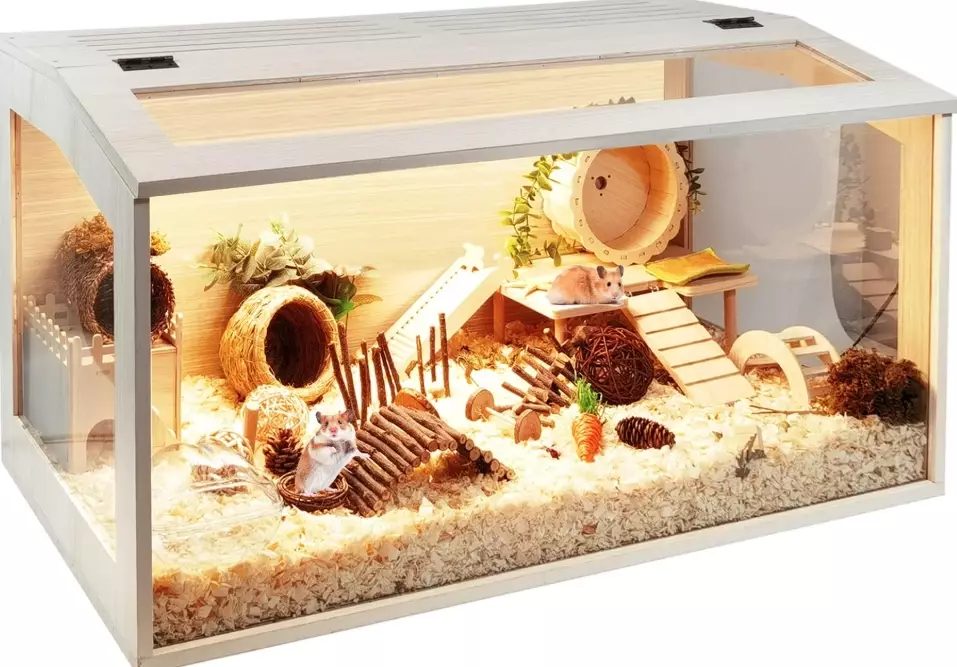
What You'll Find in This Guide
Why a Large Hamster Cage is Non-Negotiable
Hamsters are not sedentary creatures. In the wild, a single Syrian hamster's territory can span several miles in a single night. They are explorers, foragers, and master excavators. Confining this drive to a small space creates what ethologists call stereotypical behaviors—the bar-chewing, the frantic circling, the endless climbing. These are signs of psychological distress.
A large cage provides the canvas for a species-appropriate life.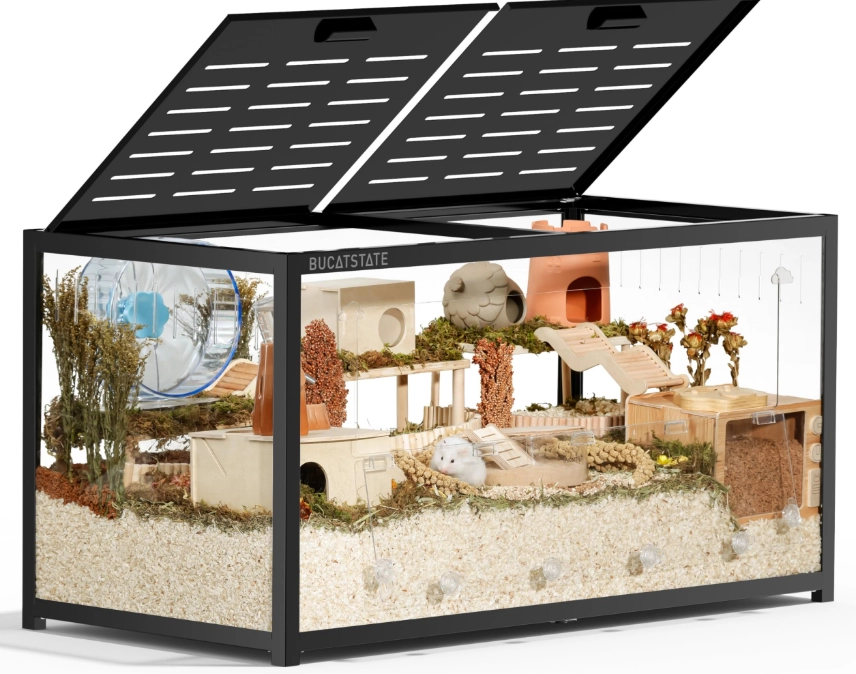
The Gold Standard: Minimum vs. Recommended Sizes
Forget the tiny minimums on pet store boxes. Modern animal welfare science, supported by organizations like the German Veterinary Association for Animal Welfare, sets a much higher bar. For Syrian hamsters, the absolute minimum should be 100 cm x 50 cm of continuous floor space (about 40" x 20"). For dwarfs (Roborovski, Campbell's, Winter White), aim for at least 80 cm x 50 cm.
But here's my expert take: treat these as starting points, not goals. A cage measuring 120 cm x 60 cm gives you the room to create a truly enriching landscape.
Think about what you need to fit inside: a proper-sized wheel (8-12 inches for Syrians, solid surface only), a sand bath, multiple hideouts, a water source, a food area, and, most importantly, a deep bedding zone of at least 8 inches for burrowing. In a small cage, these items just clutter the floor. In a large cage, they become distinct regions of a mini-ecosystem.
How to Choose the Best Large Hamster Cage
Now that you're convinced on size, the next hurdle is navigating the options. The market is a mix of brilliant designs and frustrating compromises.
Material Showdown: Glass, Plastic, or Wire?
Each material has its pros and cons, and your choice often depends on your hamster's personality and your own priorities.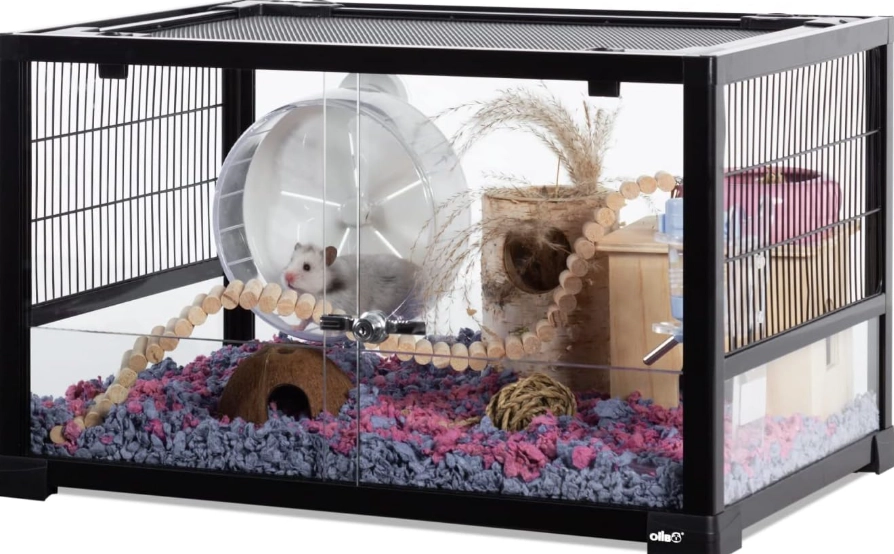
| Material | Best For | Key Advantages | Potential Drawbacks |
|---|---|---|---|
| Glass Tanks (Aquariums) / Terrariums | Syrian hamsters, burrowers, chewers. | Unbeatable for holding deep bedding (12+ inches). Great visibility, no bar chewing, excellent ventilation on top. | Heavy, requires a secure mesh lid, can be expensive for large sizes (75-gallon+). Condensation can be an issue if not ventilated. |
| Plastic Modular Cages | Dwarf hamsters, owners wanting flexibility. | Lightweight, often modular for adding levels/tubes. Good visibility, usually good ventilation. | Syrians may out-grow the tubes. Plastic can be chewed through by determined chewers. Can feel "plastic-y." |
| Wire Cages with Deep Base | Owners on a budget, climbers (some dwarfs). | Maximum airflow, often more affordable for large sizes. Easy to attach toys to bars. | Bar chewing risk for Syrians. Bedding can be kicked out. Must ensure bar spacing is safe ( |
My personal preference leans heavily towards large glass tanks or front-opening terrariums for Syrians. The ability to provide a foot of bedding transforms their behavior. I watched a previously bar-chewing Syrian named Maple spend her first night in a 120cm tank just digging. She didn't touch the bars again.
Features That Actually Matter
Look beyond the marketing. A large cage with poor features is just a big empty box.
Base Depth: This is critical. A 6-inch base is the bare minimum; 10+ inches is the dream. It allows for proper burrowing, which is as essential to a hamster as flying is to a bird.
Access: How do you get in? Top-opening tanks can startle a burrowing hamster. Front-opening doors are a game-changer for spot cleaning, refilling food, and interacting without disrupting the entire habitat.
Ventilation: Stagnant air is a health hazard. Wire tops on tanks or well-placed ventilation panels on plastic cages are essential. Avoid anything that feels stuffy.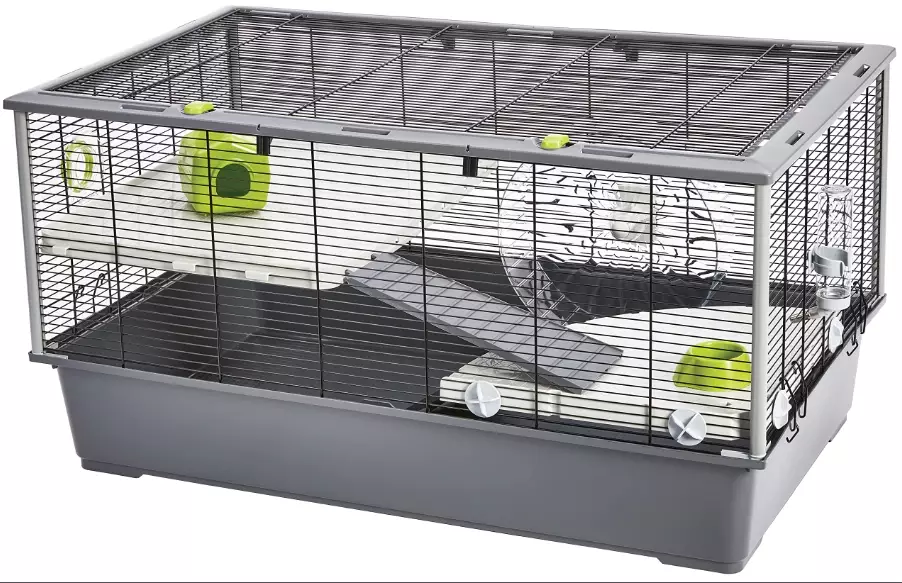
A Word on "Multi-Level" Cages: Be skeptical. Many commercial multi-level cages sacrifice crucial floor space for wobbly plastic tiers. Hamsters are ground-dwelling burrowers, not avid climbers like mice. A single, vast floor area is almost always more valuable than several small connected levels. If you add platforms, make them wide, stable, and don't let them eat into the precious bedding depth below.
Setting Up Your Large Hamster Cage for Success
You've got the big empty cage. Now the fun begins. The setup is where you prevent that "empty" feeling and create a stimulating world.
Step 1: The Bedding Foundation. Use a safe, dust-free paper-based or aspen bedding. In at least one-third to one-half of the cage, pile it high. I mean 10-12 inches high. Pack it down slightly. This is your hamster's construction site. They will create a network of tunnels and chambers here. The rest of the cage can have shallower bedding for other activities.
Step 2: Strategic Zoning. Think like a city planner.
- Quiet Zone: Place the main, enclosed hideout (a multi-chamber hide is ideal) in a corner, partially buried in the deep bedding.
- Activity Zone: Position the wheel on a stable platform or in a shallower area to prevent it from sinking. Add the sand bath (use reptile sand without added calcium or dyes) here.
- Foraging Zone: Scatter their daily food ration across the cage, especially in the bedding. Hide treats in toilet paper tubes or under platforms. Never just use a bowl in the center.
- Chewing & Enrichment Zone: Place different textures—cork logs, apple wood sticks, a seagrass mat—in another area.
Step 3: The Vertical Dimension. Use the space above the bedding. Secure bridges between platforms, hang a swing (not too high), or create climbing structures with grapevine wood. This creates visual interest and uses airspace without compromising the floor.
The goal isn't clutter. It's a complex, navigable landscape that gives your hamster choices and challenges every day.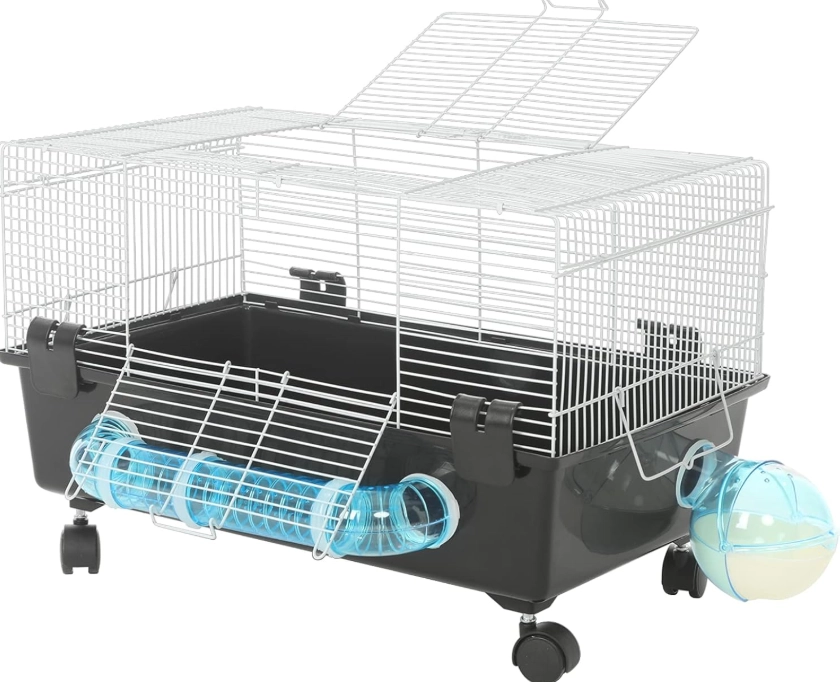
Maintaining Your Large Hamster Habitat
A large cage is easier to keep clean than a small, foul-smelling one. Here's the non-negotiable routine.
Spot Cleaning (Daily): Remove any visibly wet or soiled bedding, especially around the sand bath and wheel. Check the corners. This takes two minutes.
Partial Clean (Weekly): This is key. Remove and refresh about one-third of the bedding, focusing on the most soiled areas. Never do a 100% full clean. This destroys your hamster's scent marks and burrows, causing immense stress. Always leave most of the old, clean bedding, especially in their burrow area.
Full Substrate Change (Monthly or less): Only when necessary. If you spot clean well, a large, well-ventilated cage can go longer between full changes. When you do, try to save a few handfuls of the old, clean nesting material to mix back in.
Wash hides, platforms, and the wheel with warm water and vinegar weekly. Rinse thoroughly.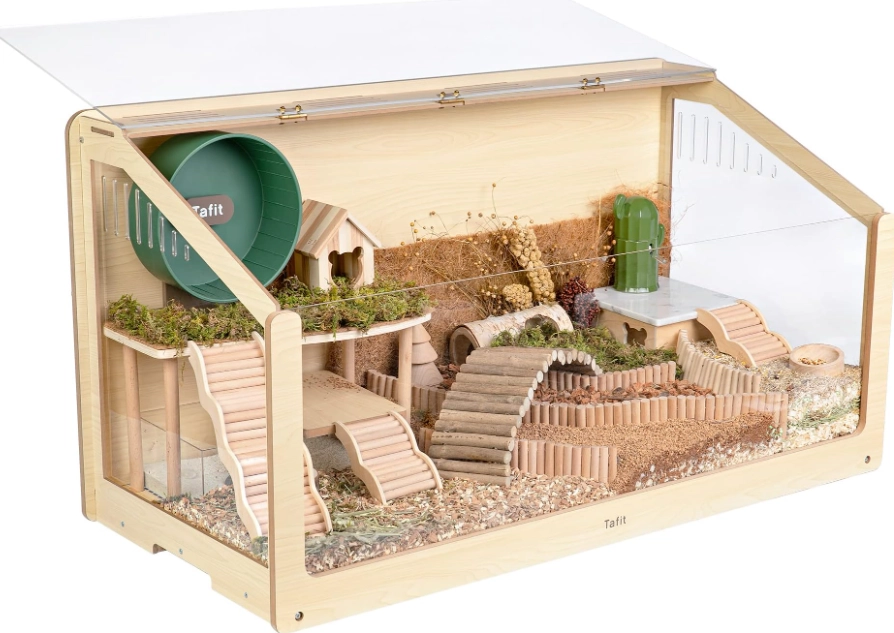
Your Deep-Dive Questions Answered
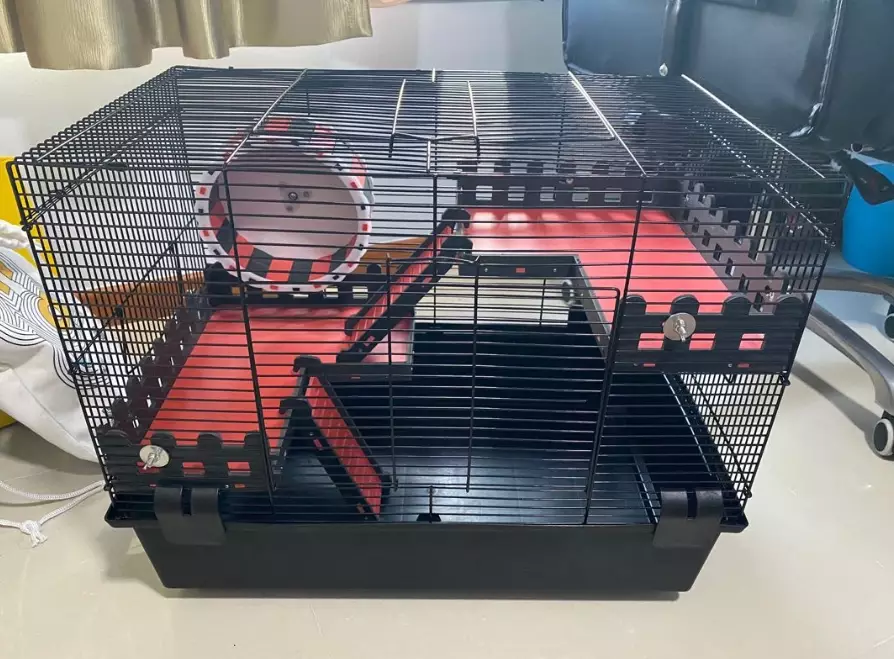 My large cage looks empty. How do I fill the space without wasting it?
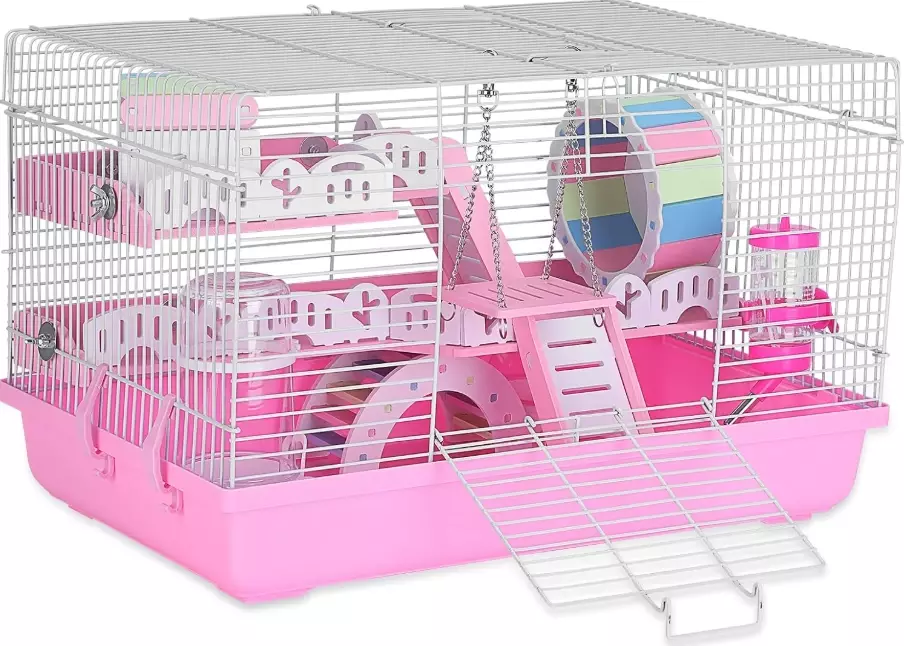 Moving to a large hamster cage isn't an upgrade; it's a correction. It's aligning your care with what the animal actually needs, not what the pet industry has conveniently sold for decades. The initial cost and footprint might be higher, but the payoff is immeasurable: a calm, active, curious hamster that expresses its natural behaviors. You'll spend less time worrying about bar chewing and stress, and more time watching a tiny creature truly thrive in a home you built for them. Start measuring your space, not your wallet, and give them the room they deserve.






Join the Conversation