Let's cut straight to the point. Your gerbil's curiosity is a double-edged sword. They'll nibble on anything you offer, but their tiny bodies can't handle many common foods. Knowing what foods gerbils should avoid isn't just about being a good owner—it's a matter of life and death. I've seen too many cases where a well-meaning treat led to an emergency vet visit. This guide pulls from veterinary resources, like the Merck Veterinary Manual, and years of hands-on experience to give you a clear, no-nonsense list of every food that poses a risk.
What's in this guide?
The Absolute No-Go Zone: High Toxicity Foods
Some foods are outright poison to gerbils. Even a tiny amount can cause severe illness or be fatal. This list isn't exhaustive, but it covers the most common household offenders.
Onions, Garlic, and All Alliums
This is a big one. Onions, garlic, leeks, chives, and shallots contain thiosulphate. It damages red blood cells, leading to hemolytic anemia. Cooked, raw, powdered—it doesn't matter. The form is irrelevant. That includes garlic powder in your seasoning or onion flakes in soup mix. I once knew an owner who gave a tiny piece of garlic bread crust, thinking the cooking neutralized it. It didn't. The gerbil became lethargic within hours.
Chocolate and Caffeine
Theobromine and caffeine. Gerbils can't metabolize them. Dark chocolate and baking chocolate are the worst, but milk chocolate isn't safe either. Symptoms include hyperactivity, tremors, seizures, and heart problems. A piece the size of a pea is enough to cause serious issues for a 70-gram gerbil.
Alcohol and Yeast Dough
Obvious, but worth stating. Any alcohol is toxic. More insidious is raw bread dough. If ingested, the dough expands in the warm, moist stomach and can cause bloat or life-threatening ethanol poisoning as the yeast ferments.
The Surprising Dangers in Fruits & Vegetables
This is where many owners get tripped up. "It's natural, so it must be good," they think. Not always. Some plants have natural defenses that are harmful to small pets.
| Food | Dangerous Part / Reason | Potential Effect |
|---|---|---|
| Citrus Fruits (oranges, lemons, limes) | High acidity, essential oils | Digestive upset, mouth sores, diarrhea |
| Rhubarb | Leaves (high in oxalic acid) | Kidney failure, tremors, drooling |
| Avocado | Skin, pit, flesh (persin toxin) | Heart damage, breathing difficulty |
| Potato | Green parts, eyes, sprouts (solanine) | Neurological issues, digestive distress |
| Apple Seeds & Peach Pits | Contain cyanogenic glycosides | Can release cyanide when chewed |
| Iceberg Lettuce | Very high water content, low nutrient value | Diarrhea, nutritional dilution |
See the pattern? It's often about specific parts or compounds. A slice of apple flesh is fine (in moderation), but those seeds need to be removed. A cooked, plain sweet potato cube might be okay occasionally, but a raw potato or a green one is a definite no.
Here's a nuance most lists miss: dried beans and legumes. Raw or undercooked kidney beans, for example, contain lectins (phytohaemagglutinin) which are highly toxic. They must be thoroughly cooked to be safe, but it's simpler to just avoid them altogether.
Human Food Traps: Processed and Cooked Dangers
Your snack is not their snack. Gerbil digestive systems are designed for seeds, grains, and the occasional insect or vegetable. Human food is a minefield.
Salty Foods: Chips, pretzels, salted nuts, processed meats. Excess salt leads to dehydration, kidney strain, and sodium ion poisoning. Their kidneys are tiny and inefficient at processing high salt loads.
Sugary Foods: Candy, cake, cookies, sugary cereals. This leads to obesity, diabetes, and dental problems. Gerbils are prone to tooth overgrowth, and a soft, sugary diet exacerbates it.
High-Fat & Fried Foods: Cheese, butter, fried meats, greasy leftovers. Gerbils store fat easily in their bodies, particularly around organs. This leads to fatty liver disease and a shortened lifespan.
Dairy Products: Most adult gerbils are lactose intolerant. Milk, cheese, yogurt, and ice cream can cause severe bloating, gas, and diarrhea.
I made the cheese mistake early on. A tiny crumble of cheddar as a "special treat." The resulting digestive chaos and messy cage cleanup was a lesson learned the hard way.
Building a Safe and Healthy Gerbil Diet
So what can they eat? The foundation is simple: a high-quality, lab-block or pellet formulated specifically for gerbils. This ensures they get all necessary vitamins and minerals. Supplement this with a small, measured amount of a gerbil seed mix for variety and foraging enrichment.
Fresh foods should be treats, not staples. Think of them as the occasional side dish, not the main course. A safe portion is about the size of your gerbil's ear.
Safe Treats (in strict moderation):
- Vegetables: Broccoli florets, carrot tops or a tiny carrot sliver, cucumber (peeled), zucchini, bell pepper (seeds removed).
- Fruits: A tiny piece of apple (no seeds), pear, banana, berry (strawberry, blueberry).
- Protein/Other: A mealworm or cricket (live or dried), a small piece of plain, cooked egg, a plain, unsalted sunflower seed or pumpkin seed (these are high in fat, so one every few days).
The key is moderation, variety, and observation. Introduce any new food one at a time and in a tiny amount. Watch for any changes in droppings, behavior, or appetite over the next 24 hours.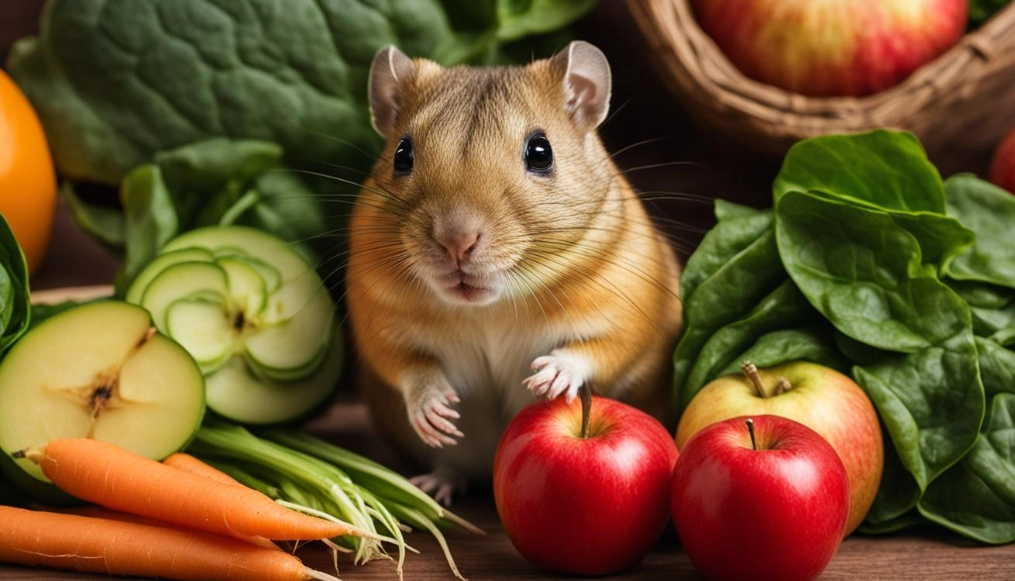
What to Do If Your Gerbil Eats Something Toxic
Panic doesn't help. Action does.
- Identify the food and amount. How much did they actually ingest? A nibble or a whole chunk?
- Remove all remaining food from the cage, including their normal food, to prevent further ingestion.
- Call your veterinarian immediately. If it's after hours, call an emergency vet clinic. Be ready to tell them the gerbil's weight (approx.), what they ate, how much, and when. Do not wait for symptoms to appear.
- Do not attempt home remedies like inducing vomiting or giving other foods/liquids unless explicitly instructed by the vet. You could make things worse.
Common symptoms of poisoning include lethargy, loss of balance, tremors, seizures, diarrhea, bloating, or difficulty breathing. Time is critical.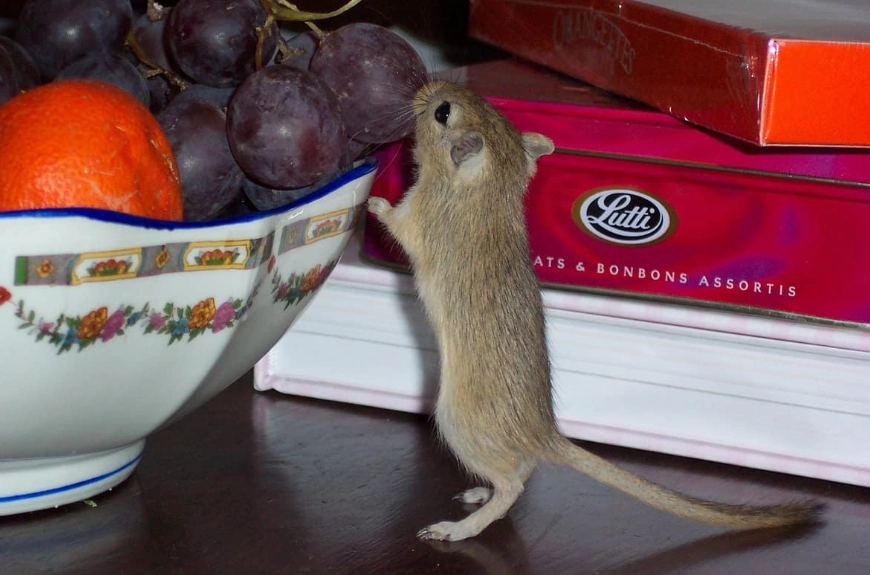
Your Questions, Answered by Experience
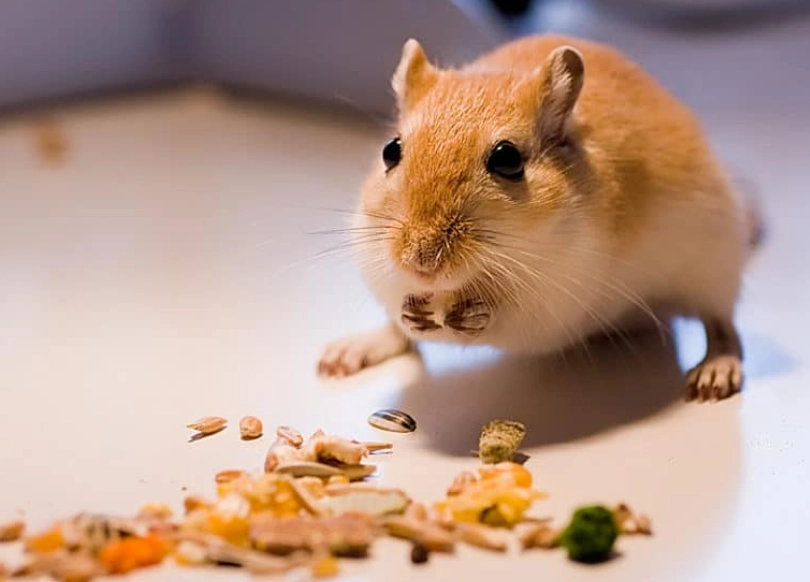 Can gerbils eat nuts? I've heard conflicting advice.


Join the Conversation