Figuring out the best diet for your gerbil feels like a puzzle sometimes. You see bags of "gerbil food" at the pet store, but are they really the best? The short answer is that the ideal gerbil diet is a balanced mix of a high-quality pelleted base food, a small variety of fresh vegetables, occasional protein treats, and constant access to hay and chew toys. But there's a huge gap between knowing that and actually doing it right. I've seen too many gerbils suffer from obesity, selective eating (where they pick out only the tasty bits), or dental problems because their owners, with the best intentions, followed outdated or oversimplified advice.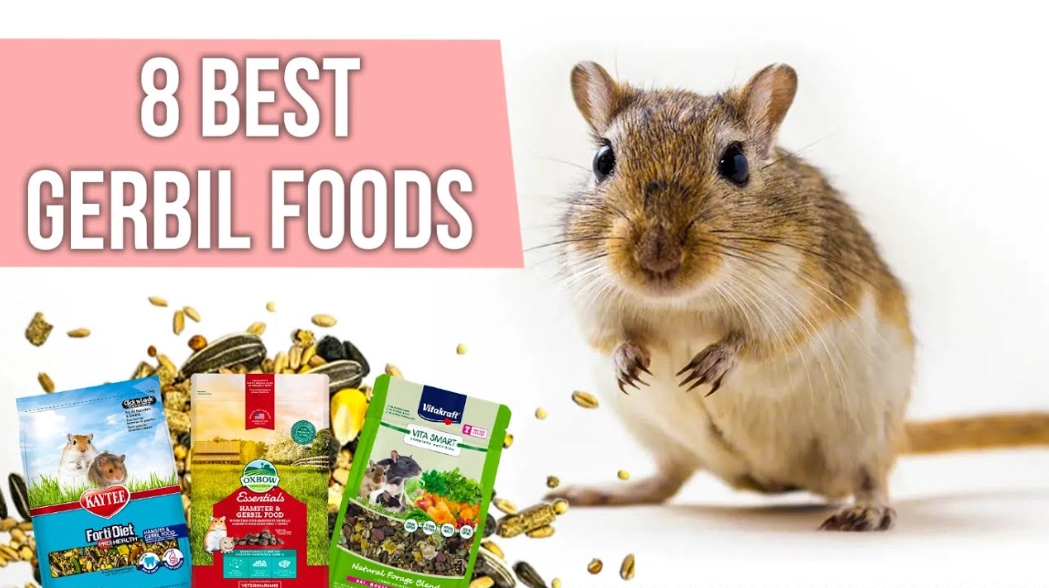
In This Article
What Gerbils Eat in the Wild and Why It Matters
Gerbils are opportunistic omnivores from arid regions like Mongolia. Their natural diet is tough, fibrous, and not very rich. They nibble on dry grasses, seeds, roots, and the occasional insect. This isn't just trivia—it's the blueprint for their digestive system. Their gut is designed for breaking down complex carbohydrates and fiber, not for the high-fat, high-sugar snacks we might think are cute to give them.
The three pillars of gerbil nutrition are protein (for growth and repair, around 16-18%), fiber (for gut motility and dental health, lots of it), and controlled fat (for energy, but very little). Most health issues stem from tipping this balance. Too much fat from sunflower seeds leads to a chubby, lethargic gerbil. Too little fiber means their constantly growing teeth don't get worn down, leading to painful malocclusion.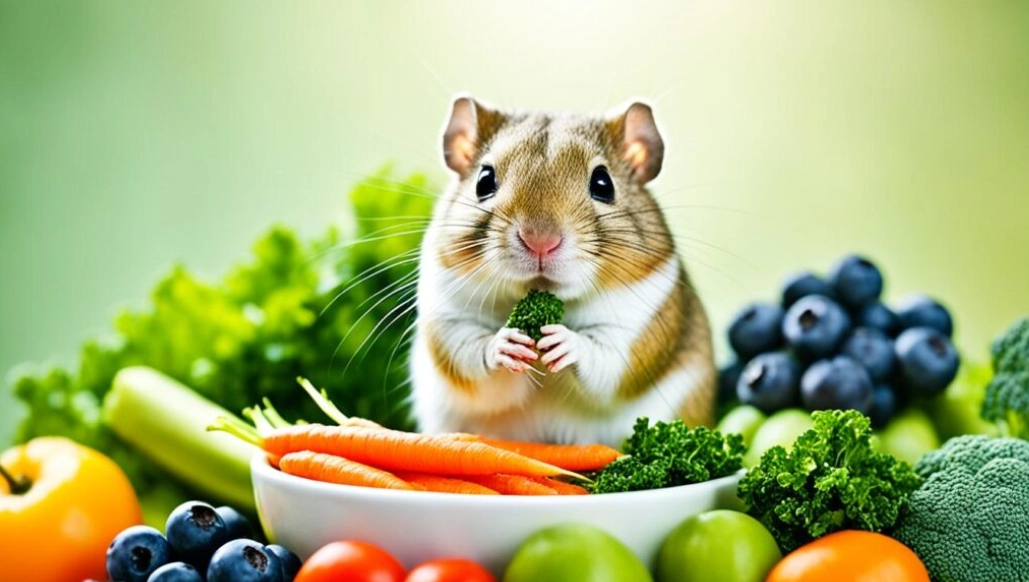
Key Takeaway: Think "desert forager," not "pet store candy machine." Mimicking the nutrient profile and texture of their natural food is the secret to a long, healthy life.
The Problem with Most Commercial Gerbil Mixes
Walk down any pet aisle and you'll see colorful bags of seed-and-pellet mixes. Here's the uncomfortable truth: many of these are terrible. The main issue is selective feeding. Gerbils are smart. Given a mix, they'll expertly pick out the high-fat, tasty seeds (sunflower, pumpkin) and leave the boring, healthy pellets and grains behind. You're left with a bowl of uneaten nutritious bits and a gerbil on a junk food diet.
I made this mistake with my first gerbil pair, Whiskers and Squeak. I'd pour in a lovely-looking mix, and within hours, only the millet and pellets remained. I thought they were just being picky. It took a vet visit for mild weight gain to realize I was essentially letting them decide their own, terrible menu.
Another problem is filler content—things like corn and soy hulls that offer little nutritional value. They're cheap for manufacturers but do nothing for your pet.
So, What Should You Use Instead?
Your best bet is a high-quality, uniform pelleted food as the staple (about 80% of their diet). Pellets ensure every bite is balanced because your gerbil can't pick them apart. Look for brands where the first ingredients are timothy hay, alfalfa, or other named grains, not "cereal by-products." A good pellet is dull-looking but nutritionally complete.
You can still use a small amount of a premium seed mix as a supplement or foraging treat, but never as the main course. Sprinkle it in their bedding for them to find, mimicking natural foraging behavior.
Building the Best Diet: Your Step-by-Step Plan
Let's break down the perfect daily plate. Think of it as constructing a meal.
1. The Foundation: Pellets & Hay
Provide about one tablespoon of pellets per gerbil per day. Always have a generous pile of timothy hay or meadow hay available. Hay is non-negotiable. It's for munching, nesting, and most importantly, grinding down those ever-growing teeth. Orchard grass hay is another excellent choice.
2. The Fresh Stuff: Vegetables and Occasional Fruit
This is where variety comes in. Offer a teaspoon-sized amount of fresh veggies a few times a week. Rotate them to provide different nutrients.
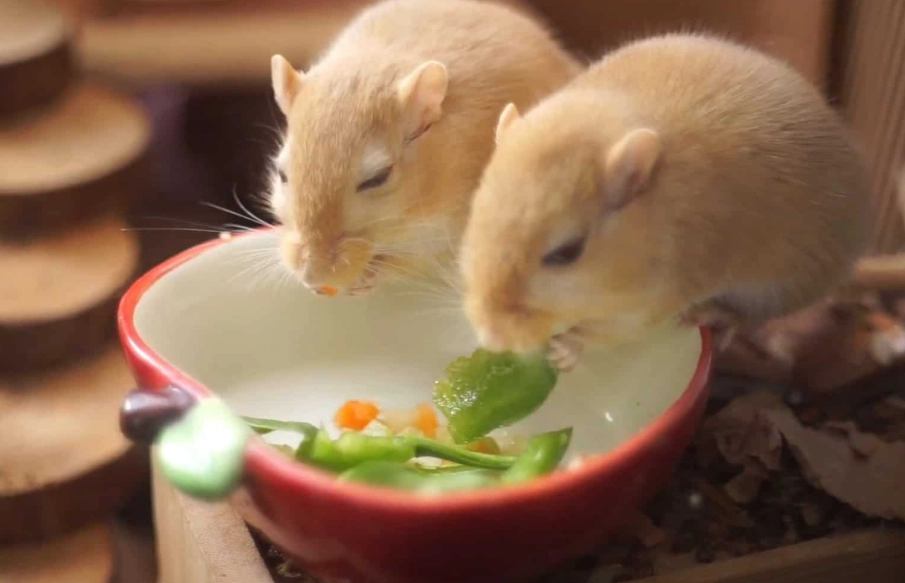
Great choices: Broccoli florets, carrot tops (not the high-sugar root too often), cucumber, romaine lettuce, kale (in small amounts), bell pepper (any color).
Occasional treat fruits (once a week, tiny piece): Apple (no seeds), pear, berry.
Never feed: Onions, garlic, raw potatoes, citrus fruits, or iceberg lettuce (it's mostly water with no nutrients). Always wash produce thoroughly.
3. The Protein Boost
Twice a week, add a small protein treat. This is crucial for skin, fur, and overall health.
Options: A few mealworms (dried or live), a tiny piece of hard-boiled egg, a sliver of plain cooked chicken, or a bit of plain tofu.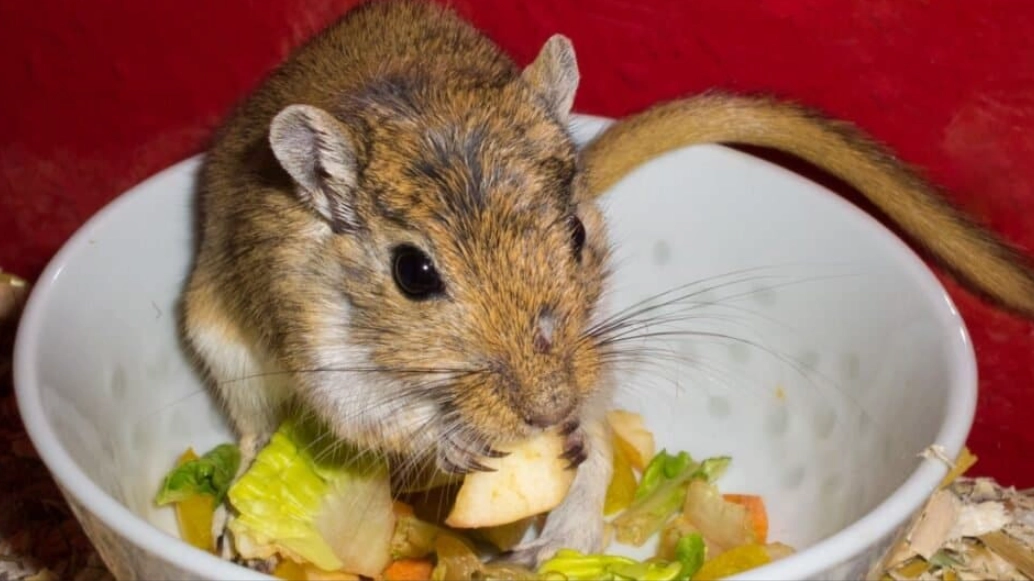
4. The Extras: Chews & Foraging
Diet isn't just about what they eat, but how they eat. Provide unpainted wooden chew blocks, cardboard tubes, and nutritious chews made from hay or alfalfa. Hide some of their daily food in toilet paper rolls or under platforms to make them work for it. Mental stimulation is part of a healthy lifestyle.
A Sample Weekly Feeding Schedule
Here’s a practical plan for one gerbil. Adjust amounts slightly for pairs.
| Day | Morning | Evening / Supplement |
|---|---|---|
| Monday - Thursday | 1 tbsp pellets in dish. Refresh hay pile. | Check pellet dish. Hide a pinch of seed mix in bedding for foraging. |
| Tuesday & Friday | 1 tbsp pellets. Refresh hay. | 1 tsp fresh veggies (e.g., broccoli Tue, cucumber Fri). |
| Saturday & Wednesday | 1 tbsp pellets. Refresh hay. | Protein treat (e.g., 2 mealworms Sat, tiny egg piece Wed). |
| Sunday | 1 tbsp pellets. Refresh hay. | Small fruit treat (e.g., blueberry) or a special chew stick. |
Always remove any uneaten fresh food after a few hours to prevent spoilage.
How Diet Prevents Common Gerbil Health Problems
You are what you eat, and for gerbils, this is starkly true.
Obesity & Fatty Liver Disease: Caused by excessive fat intake (hello, sunflower seed buffet). A lean pelleted base with controlled treats prevents this.
Diabetes: Gerbils are prone to it. High-sugar diets (too much fruit, sweet treats) are a direct trigger. Keep sugars minimal.
Dental Malocclusion: Their teeth grow continuously. Without enough hay and hard chews to grind them down, teeth can overgrow, causing starvation. Fiber is the key.
Tyzzers Disease & Digestive Upsets: A sudden change in diet or spoiled food can disrupt their delicate gut flora, making them susceptible to harmful bacteria. Introduce new foods slowly and in tiny amounts.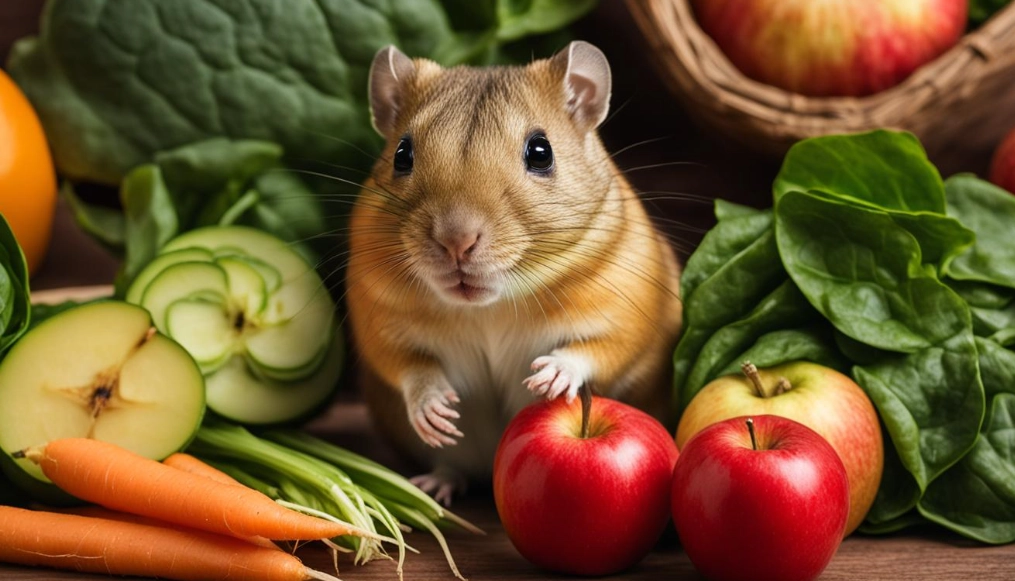
I learned the hard way about dental issues. One of my rescues, Gizmo, came to me with slightly overgrown teeth because his previous diet was solely soft food mix. It took months of offering the right hay and wooden chews before his natural grinding behavior kicked in properly. Now, the sound of him gnawing on a willow branch is my favorite sign of good health.
Your Gerbil Diet Questions Answered
 How do I know if my gerbil is overweight?
Getting your gerbil's diet right isn't about perfection; it's about consistency and balance. Ditch the junk-food mixes, embrace a good pellet, pile on the hay, and use fresh foods and proteins as thoughtful supplements. Watch your gerbil thrive—you'll see it in their shiny coat, bright eyes, and endless digging energy. It's the single best thing you can do for their long-term health.

Join the Conversation