Get the rabbit diet percentages wrong, and you're not just risking a picky eater. You're looking at expensive vet bills for dental disease, digestive stasis, or obesity. I learned this the hard way years ago with my first rabbit, Thumper, who developed GI stasis after I got lazy with his hay. The vet bill was a wake-up call. Since then, through trial, error, and a lot of research (including diving into resources from the House Rabbit Society and university studies), I've realized most feeding guides miss the nuance. They shout "80% hay!" but don't explain what that actually looks like in your kitchen every day. Let's fix that. The golden rule is simpler than you think: 80% grass hay, 10% fresh vegetables, 5% high-quality pellets, and 5% or less for treats. Now, let's unpack what that really means.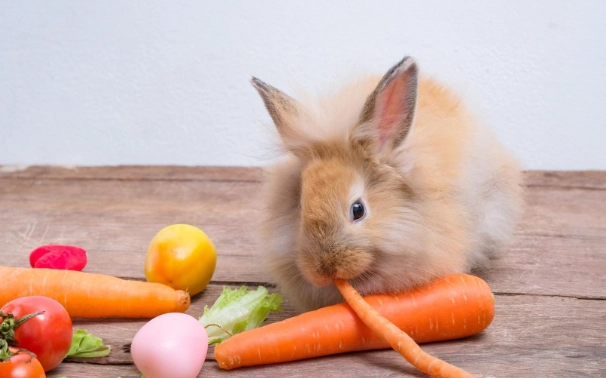
What's Inside?
Why Rabbit Diet Percentages Matter More Than You Think
Think of a rabbit's gut as a non-stop conveyor belt. It's designed to process huge amounts of low-calorie, high-fiber material—grass. When you skew the percentages, the whole system jams.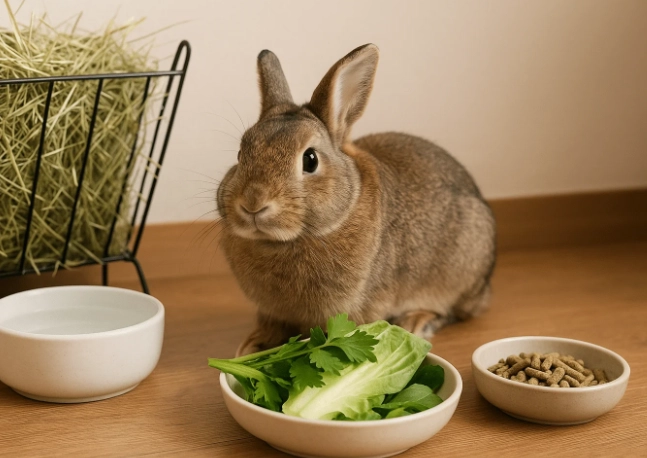
Too many pellets or treats? That's like pouring molasses on the gears. The rabbit feels full on sugary, starchy stuff and ignores the hay. The conveyor belt (peristalsis) slows down. This is a direct ticket to GI stasis, a deadly condition where the gut stops moving. I see this all the time in online forums: "My bunny stopped eating and pooping." The first question is always about their diet percentages from the last 48 hours.
Not enough hay? The teeth don't get worn down. Rabbit teeth grow continuously. Hay's abrasive texture is nature's tooth file. Without it, you get malocclusion—painful, overgrown teeth that require veterinary dentistry. It's preventable.
The percentages aren't just a suggestion. They're the blueprint for how their biology works. Getting it right means fewer health problems, lower vet costs, and a bunny that's active and curious.
The 80/10/5/5 Rule: Breaking Down the Ideal Rabbit Diet
Let's translate these rabbit diet percentages into real food in a bowl.
80% Grass Hay: The Foundation
"Unlimited" hay is the mantra. But here's the nuance everyone misses: it's not just about quantity, it's about accessibility and quality. The hay must be fresh, fragrant (smells like a field, not dust), and available 24/7. I keep a large hay rack and scatter some in their litter box (they love to munch while they poop).
Types: Timothy hay is the gold standard for adults. Orchard grass, oat hay, and meadow hay are excellent alternatives. Alfalfa hay is for babies, pregnant, or nursing rabbits only—it's too rich in calcium and protein for adults.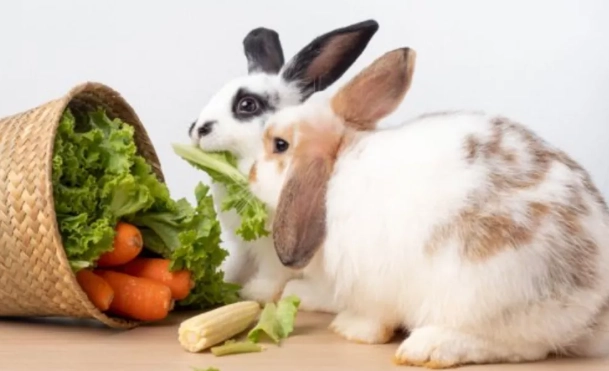
10% Fresh Vegetables: The Daily Salad
This is about 1 cup of veggies per 2 lbs of body weight daily. It's not 10% of their calories, but 10% of the dietary volume. Focus on dark, leafy greens.
Best Choices: Romaine lettuce, green leaf lettuce, red leaf lettuce, cilantro, parsley, dill, mint, bok choy, carrot tops, kale (in moderation). Rotate at least three types daily for variety.
Avoid: Iceberg lettuce (no nutritional value), cabbage, cauliflower, and broccoli in large amounts (can cause gas).
5% High-Quality Pellets: The Supplement, Not the Main Course
Pellets are a modern convenience, not a natural food. They're a supplement to ensure they get specific vitamins and minerals. The 5% is critical—overfeeding is the #1 mistake.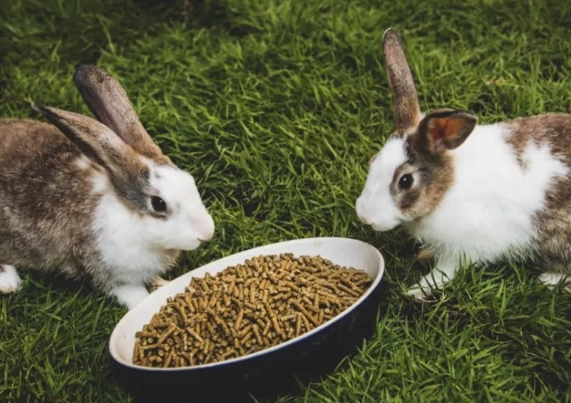
Look for pellets that are:
- Timothy-based for adults (not alfalfa-based).
- High in fiber (18% minimum, over 20% is better).
- Low in protein (14% or less) and fat (3% or less).
- Plain, with no colorful bits, seeds, or dried fruit mixed in.
A heaping 1/4 cup per day is plenty for a standard 5-6 lb rabbit.
5% or Less: Treats
This includes fruits (apple, banana, berry, melon—no seeds/pits) and starchy veggies like carrots. A thin slice of apple or a single blueberry is a treat. This category also includes commercial "yogurt drops" or seed sticks—avoid them completely. They are pure sugar and fat, terrible for rabbits.
How to Calculate Rabbit Diet Percentages for Your Specific Bunny
The percentages shift with life stage. A baby bunny's diet looks completely different. This table cuts through the confusion.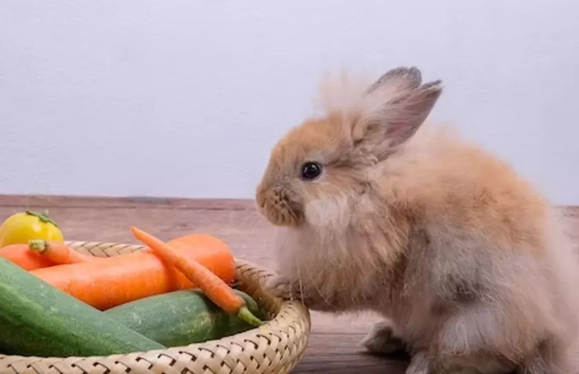
| Life Stage | Hay | Pellets | Vegetables | Treats | Key Notes |
|---|---|---|---|---|---|
| Baby (Under 7 months) | Unlimited Alfalfa | Unlimited Alfalfa-based | Introduce slowly after 12 weeks | None needed | Growth phase. Needs the extra protein/calcium in alfalfa. |
| Junior (7 months - 1 year) | Unlimited Timothy, mix in Alfalfa | 1/2 cup per 6 lbs, transition to Timothy-based | Up to 1 cup per 2 lbs daily | Minimal | Gradually switch from alfalfa to grass hay/pellets. |
| Adult (1 - 5 years) | Unlimited Timothy/Grass | 1/4 cup per 6 lbs daily | 1-2 cups per 2 lbs daily | 5% or less | Maintenance phase. Strictly follow the 80/10/5/5 rule. |
| Senior (6+ years) | Unlimited Timothy/Grass | May increase slightly if weight loss occurs | As tolerated | As tolerated | Monitor weight and dental health closely. Softer hay like orchard grass may help. |
For overweight rabbits: This is where people panic. The solution isn't to drastically cut all food. It's to recalibrate the percentages. Cut pellets down to a tablespoon or eliminate them entirely (under vet guidance). Increase the volume of low-calorie greens like romaine and herbs. Treats become a tiny piece of bell pepper, not fruit. Hay, of course, remains unlimited—it's the diet food.
Common Rabbit Diet Mistakes and How to Fix Them
I've made some of these myself. Let's save you the trouble.
Mistake 1: The "Breakfast Scoop" of Pellets. You pour a scoop that looks right. But is it a 1/4 cup measuring cup or a coffee mug? This imprecision blows the 5% pellet rule out of the water. Fix: Buy a 1/4 cup measuring cup. Use it. Every day. No eyeballing.
Mistake 2: Treating Vegetables as Treats. Giving a whole baby carrot as a "treat" is like giving a child a candy bar. A single baby carrot can be over half a rabbit's daily sugar allowance if they also get pellets and other veggies. Fix: Carrots and fruit are in the 5% treat category. A daily treat should be the size of your thumbnail.
Mistake 3: Not Weighing Your Rabbit. You can't manage what you don't measure. A kitchen scale (weigh yourself holding bunny, then subtract your weight) is essential. A sudden drop can signal illness; a creep up means you need to adjust those percentages down. Do this monthly.
Mistake 4: Assuming All Hay is Equal. That dusty, brown bag at the bottom of the pet store shelf? Your rabbit will likely ignore it. Fix: Invest in fresh, green, sweet-smelling hay. Buy from reputable online farms or local feed stores. It makes the "unlimited" part actually work.
FAQs: Your Rabbit Diet Questions Answered
Sticking to these rabbit diet percentages feels rigid at first. But after a few weeks, it becomes routine. You'll see the difference: smaller, odorless, perfectly round dry fecal pellets, a shiny coat, and a bunny that's eager for its daily salad, not just junk food. It's the single most impactful thing you can do for their long-term health. Start with measuring that pellet cup tonight.

Join the Conversation