You bring home your new hamster, full of excitement. You set up the cute little cage from the pet store, add the colorful bedding, the tiny hut, and the plastic wheel. It looks perfect. But what if that perfect picture is actually a recipe for a stressed, unhappy, and potentially unhealthy pet? I’ve kept hamsters for over a decade, and I’ve seen the same cage mistakes repeated time and again. They’re not always obvious, but they chip away at a hamster’s well-being. Let’s fix that.
Quick Jump to Common Hamster Cage Pitfalls
- Mistake 1: The Cage That's Too Small
- Mistake 2: Using the Wrong Bedding
- Mistake 3: Neglecting Mental Stimulation
- Mistake 4: The Unsafe Wheel
- Mistake 5: Poor Placement & Environment
- Mistake 6: Overcleaning the Cage
- Mistake 7: Ignoring the Need to Dig
- Mistake 8: Inadequate Hideouts
- Mistake 9: Forgetting the Chew Test
- Mistake 10: The "One-Size-Fits-All" Approach
Mistake 1: The Cage That's Too Small
This is the cardinal sin. Pet stores sell cages marketed for hamsters that are, frankly, cruel. A 20-gallon tank or a colorful plastic palace with tubes might look spacious to us, but for a hamster that can run miles a night in the wild, it's a prison cell.
I remember my first Syrian, George. He came in a "starter kit" cage. Within days, he was pacing, bar chewing, trying to escape any chance he got. He was bored out of his mind. The moment I moved him into a large bin cage (more on that later), his entire personality changed. He explored, foraged, and just seemed… calmer.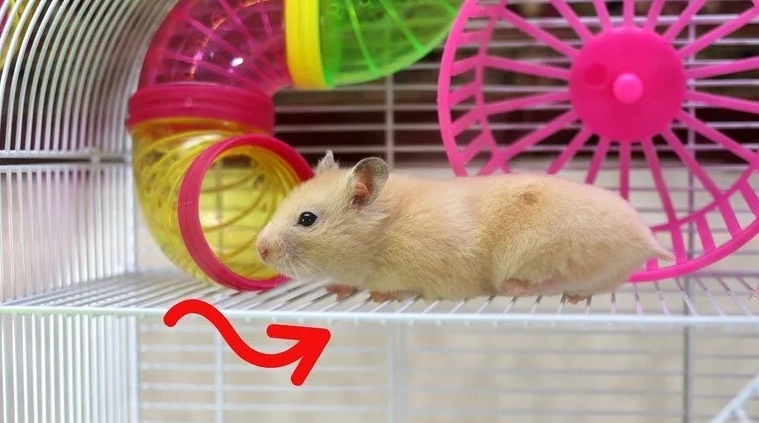
How to Calculate the Correct Hamster Cage Size?
Forget the minimums you see on old packaging. Modern animal welfare standards, like those suggested by organizations such as the PDSA, have moved the goalposts significantly.
The Rule of Paw: For dwarf hamsters (Roborovski, Campbell's, Winter White), aim for a minimum of 450 square inches (about 2900 sq cm) of continuous floor space. For Syrian hamsters, the bar is even higher—a minimum of 600 square inches (about 3900 sq cm), with 800+ being ideal for females, who are notoriously more demanding.
Continuous floor space is key. Connecting two small cages with a tube doesn't count. They need wide, open areas to run. To calculate: Multiply the length by the width of the cage's base (in inches or cm). That pet store cage that's 24" x 12"? That's only 288 sq inches. Not even close for a dwarf.
Mistake 2: Using the Wrong Bedding
Bedding isn't just for absorption. It's for burrowing, nesting, and security. The wrong choice can cause health problems ranging from respiratory infections to deadly blockages.
Avoid at all costs:
• Cedar and Pine Shavings (untreated): The aromatic oils (phenols) are toxic to hamsters' livers and respiratory systems. Kiln-dried pine with dust removed is sometimes considered safer, but why risk it when there are better options?
• Fluffy, Cotton-like Bedding: That soft, cloud-like "nesting material" is a deathtrap. It wraps around limbs, cutting off circulation, and if ingested, it causes fatal intestinal blockages.
• Highly Scented or Colored Paper Bedding: Artificial fragrances and dyes can irritate sensitive airways.
What to use instead: Opt for high-absorbency, dust-free, and safe materials.
• Paper-Based Bedding: Unscented, tear-able, great for burrowing. Brands like Carefresh are popular.
• Aspen Shavings: A safe wood shaving option that holds burrows well.
• Hemp or Flax Bedding: Excellent absorbency, low dust, and often more sustainable.
Layer it deep. We're talking 6 inches minimum, 10+ inches in one section if you can. Hamsters are natural diggers.
Mistake 3: Neglecting Mental Stimulation
A hamster with nothing to do is a hamster that gets stressed, obese, or develops repetitive behaviors. The cage should be a playground, not just a bedroom and bathroom.
Think about their natural behaviors: foraging, exploring, climbing, gnawing. Your setup should cater to all of these.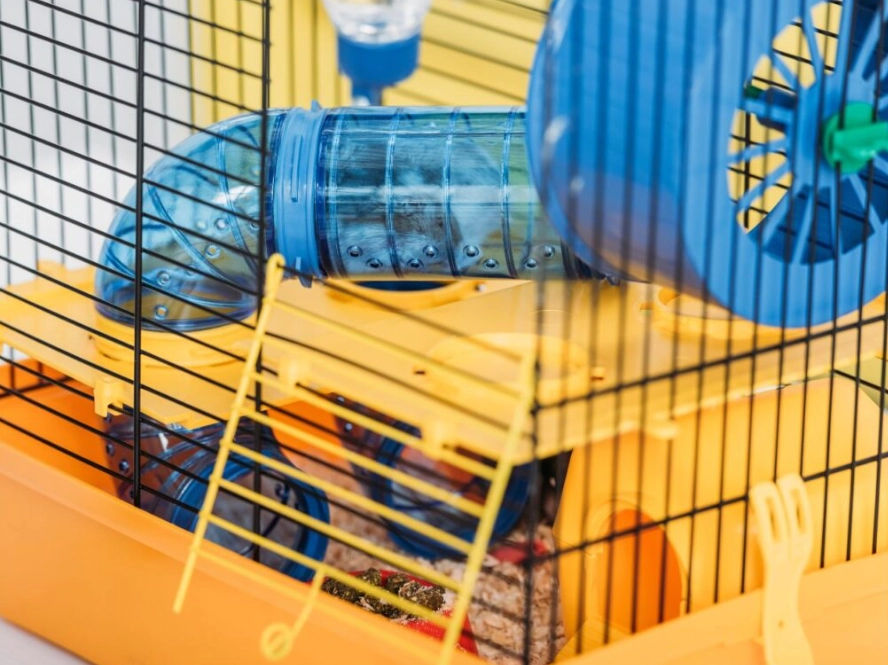
The Boredom Test: If your hamster's main activities are sleeping, eating from a bowl, and running on a wheel, the cage is boring. Add complexity immediately.
Enrichment Ideas:
• Scatter Feeding: Ditch the food bowl. Hide their daily seed/pellet mix throughout the bedding. This forces natural foraging behavior for hours.
• Multi-Chamber Hideouts: Don't just use one plastic igloo. Use cork logs, ceramic jars, wooden multi-room hides. Create a network.
• Climbing Structures: Grapevine wood, bendy bridges, and secured platforms (not too high to fall from).
• Sand Bath: A dish of reptile sand (no calcium, no dust) is essential for dwarf hamsters to keep their fur clean and is a fun digging spot for Syrians.
Mistake 4: The Unsafe Wheel
A wheel is non-negotiable, but a bad wheel is worse than no wheel at all.
The Mesh/Wire Wheel: These are foot-breakers. Tiny toes and legs can get caught, leading to sprains or breaks. They're also impossible to run on comfortably.
The Too-Small Wheel: If your hamster's back arches upwards or its head tilts back while running, the wheel is too small. This causes permanent spinal damage over time. Syrians often need 10-12 inch wheels; dwarfs need 8+ inches.
The Noisy, Wobbly Wheel: A squeaky, shaky wheel is annoying for you and stressful for the hamster.
The Fix: Invest in a solid-surface, silent-spinner type wheel that's appropriately sized and has a solid back for support. Attach it securely to the cage or bury its base in bedding so it doesn't wobble.
Mistake 5: Poor Placement & Environment
Where you put the cage matters as much as what's inside it.
• Direct Sunlight: A cage by a window can become an oven, causing fatal heatstroke.
• Drafty Areas: Next to a door or air vent can lead to chills and illness.
• High Traffic/Noise: In the middle of the living room with a blaring TV is incredibly stressful for a nocturnal prey animal trying to sleep during the day.
• Kitchens: Fumes from cooking (especially non-stick pans) are toxic to small animals.
• Other Pets: The constant sight, smell, and sound of a cat or dog staring at them is pure terror.
Choose a quiet, temperature-stable room (65-75°F or 18-24°C), away from direct heat sources and loud noises. A bedroom corner or a dedicated office can be perfect.
Mistake 6: Overcleaning the Cage
We want a clean home for our pets, but hamsters navigate and feel secure by smell. A weekly full cage clean is a traumatic event that resets their world to zero.
Imagine someone came into your home once a week, threw out all your furniture, scrubbed the walls, and replaced everything with new, scentless items. You'd be disoriented and stressed. That's what a full clean feels like to a hamster.
The Better Cleaning Schedule:
1. Daily/Every Other Day: Spot clean. Remove visibly wet bedding and piles of poop with a spoon.
2. Every 2-3 Weeks: Partial clean. Remove and replace 1/3 to 1/2 of the bedding, focusing on heavily soiled corners. Always leave a big handful of old, clean bedding from their nest area to mix back in.
3. Monthly: Full clean. Disinfect the base (with pet-safe cleaner), replace all bedding, but again, salvage that nest-smelling handful.
Mistake 7: Ignoring the Need to Dig
I touched on deep bedding, but it deserves its own spot. A shallow layer of bedding (1-2 inches) denies a hamster its most fundamental natural behavior. In the wild, they live in complex, deep burrow systems.
Without the ability to dig proper tunnels, they feel exposed and insecure. You'll often see them sleeping in a corner or trying to burrow fruitlessly into a shallow layer, which is heartbreaking.
Create a "dig box" in one section of the cage. Use a tall, clear container or just pile one corner with 10-12 inches of bedding. Mix in some hay (like orchard grass) to help stabilize the tunnels they create. Watching them engineer their underground home is one of the greatest joys of hamster ownership.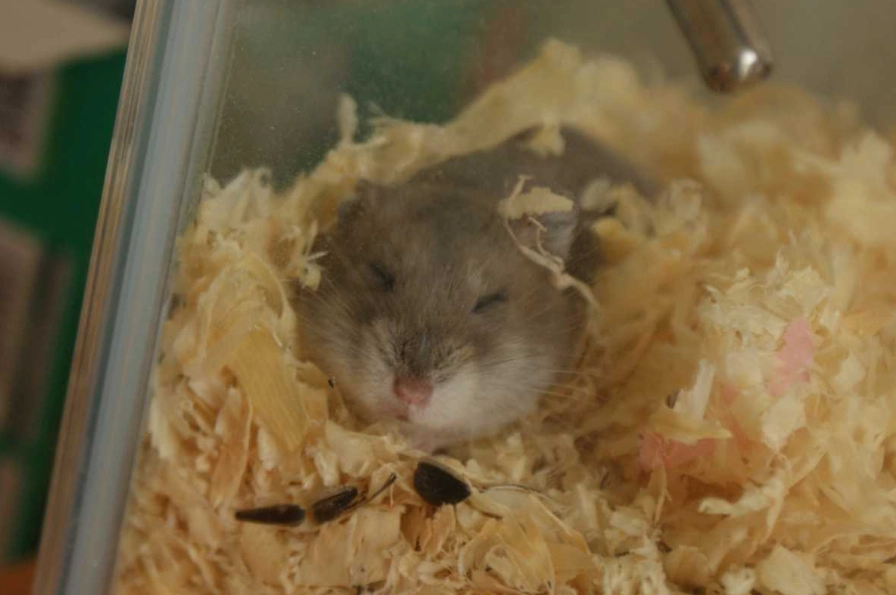
Mistake 8: Inadequate Hideouts
One hideout is not enough. They need options. A hide for sleeping, a hide for storing food, a hide for using the bathroom (yes, they often choose a specific spot), and emergency hides along travel routes.
All hides should be enclosed and dark inside. That cute, open-faced plastic castle offers no real security. Use ceramic plant pots (with a safe hole), coconut shells, wooden boxes with small entrances, and purpose-made multi-chamber hides.
This variety allows them to regulate temperature, feel safe from perceived threats, and organize their space—which reduces stress dramatically.
Mistake 9: Forgetting the Chew Test
Hamster teeth grow continuously. If they don't chew, their teeth overgrow, preventing them from eating and causing immense pain. Many cage accessories fail the chew test.
Plastic Tubes, Colorful Ladders, Thin Plastic Platforms: These are often flimsy and can be chewed into sharp edges or small pieces that pose a swallowing hazard. If an item feels cheap and brittle, it probably is.
Prioritize natural, chew-safe materials: wood (apple, pear, kiln-dried pine), seagrass, cork, ceramic, and solid, thick plastic hides. Provide a constant rotation of dedicated chew toys: whimzees (the alligator shape is a hit), seagrass mats, apple wood sticks.
Mistake 10: The "One-Size-Fits-All" Approach
Finally, remember your hamster is an individual. What works for one might not work for another. This is especially true across species.
Syrian Hamsters are larger, need more space, bigger wheels, and often show stronger cage-barrage tendencies if unsatisfied.
Roborovski Dwarfs are lightning-fast, benefit from more floor space than height, and can be escape artists through tiny gaps.
Winter White & Campbell's Dwarfs may appreciate slightly cooler temperatures and are more social (though still best housed alone).
Observe your hamster. Does it burrow a lot? Add more bedding. Does it love to climb? Add more safe climbing frames. Is it a prolific hoarder? Increase scatter feeding. Tailor the cage to the specific animal in it.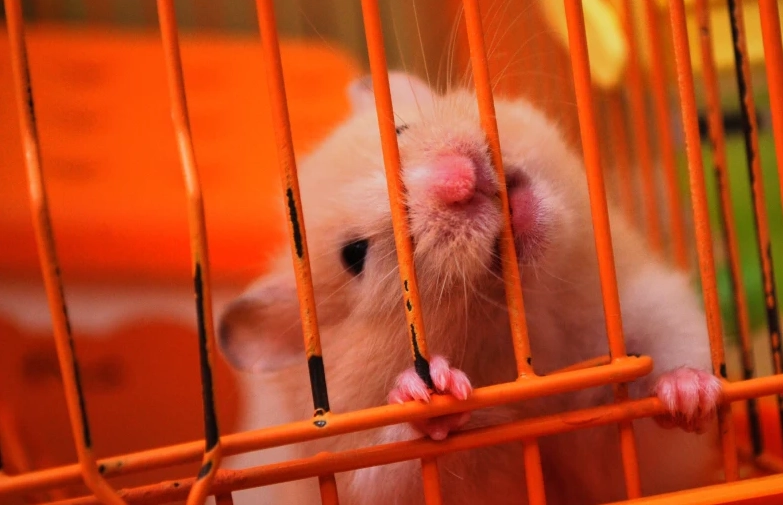
Can I use a fish tank as a hamster cage?
How often should I completely clean my hamster's cage?
My hamster chews the plastic base of its cage. Is this a sign of a mistake?
Are there any bedding types that are an immediate danger?



Join the Conversation