Your Quick Guide to Litter Training Success
Most cats get the hang of the litter box in one to four weeks. But let's be honest—I've seen kittens nail it in three days and older cats take a month. It's not just about time; it's about how you set things up. If you're staring at a new kitten and wondering when the accidents will stop, you're in the right place. I've been through this with over a dozen cats, and I'll share what actually works, not just the textbook stuff.
Think about it. Cats are naturally clean animals. They want to bury their waste. The litter box taps into that instinct. But we humans often mess it up by putting the box in the wrong spot or using scented litter that smells like a chemical factory to them. Get those basics wrong, and training drags on.
The Realistic Timeline for Litter Training
Here's the deal. For a kitten aged 8 to 12 weeks, you're looking at a few days to two weeks. Adult cats or rescues might take longer—up to a month or more. I adopted a two-year-old cat once, and it took her three weeks to consistently use the box. She was stressed from the move, and I had to be patient.
Break it down by age:
- Kittens (8-16 weeks): Fast learners. Often within a week. They're like sponges, picking up habits quickly.
- Adult cats (1-7 years): Can take 2-4 weeks. They might have bad habits from previous homes.
- Senior cats (8+ years): Possibly longer, especially if health issues like arthritis are involved. I've seen cases where it took six weeks with gentle encouragement.
But these are averages. Your cat's personality plays a huge role. Some are bold and curious, others shy and hesitant. A study by the American Veterinary Medical Association notes that consistency in training reduces time significantly. Don't just take my word for it—observe your cat's behavior.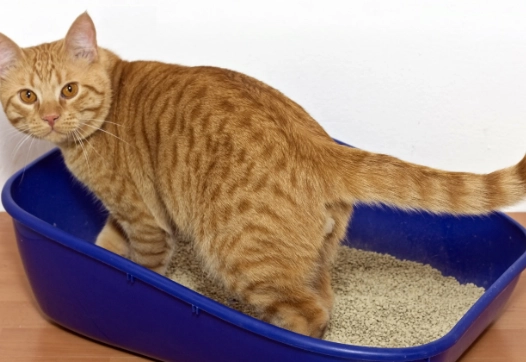
What Slows Down or Speeds Up the Process
Several factors tweak the timeline. Number one: the litter box setup. If it's too small or in a loud area, your cat will avoid it. I made this mistake with my first cat. I put the box near the washing machine, and she hated the noise. Moved it to a quiet corner, and bam—she started using it the next day.
Other factors:
- Litter type: Unscented, clumping litter usually works best. Avoid those perfumed ones; cats have sensitive noses.
- Multiple cats: If you have more than one cat, you need multiple boxes. The rule is one box per cat plus one extra. Skip this, and you'll see territorial marking.
- Health issues: Urinary tract infections or diabetes can cause accidents. If training stalls, vet check first.
I recall a friend's cat who took forever to train. Turns out, the litter was too dusty, and the cat had allergies. Switched to a dust-free brand, and progress happened in days.
Step-by-Step Training Process That Works
Start simple. Day one, when you bring the cat home, confine them to a small room with the litter box, food, and water. This reduces overwhelm. Show them the box by placing them gently in it after meals or naps. Don't force it; just let them explore.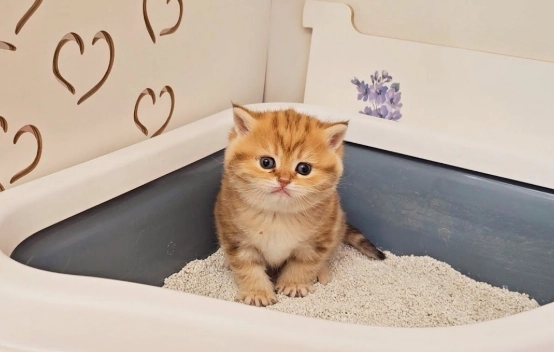
Here's a practical schedule:
- Day 1-3: Keep the cat in a safe room. Clean the box daily. Praise any use with a treat or gentle petting.
- Day 4-7: Gradually give access to more space. Watch for signs they need to go—sniffing, circling. Scoop them up and put them in the box if you catch it.
- Week 2 onward: Establish a routine. Feed at set times, then place in the box 15 minutes later. Cats often eliminate after eating.
What about older cats? Same steps, but more patience. I trained a five-year-old rescue by using a larger, low-entry box. He had arthritis, so jumping was hard. A shallow box made all the difference.
Common hiccup: accidents. Clean them with an enzyme cleaner immediately. Regular cleaners leave smells that attract cats back to the spot. I use a product like Nature's Miracle, but any enzyme-based one works. Don't punish the cat. Yelling or rubbing their nose in it? That just breeds fear and slows training.
Tools That Can Help (or Hinder)
Litter attractants can speed things up. They're powders with scents that mimic cat pheromones. Sprinkle a bit in the box. I've found they cut training time by a few days for hesitant cats. But don't rely solely on them; they're a boost, not a magic fix.
Self-cleaning boxes? Mixed reviews. Some cats get scared by the noise. My neighbor's cat refused to use one, delaying training by weeks. Stick to a basic box at first.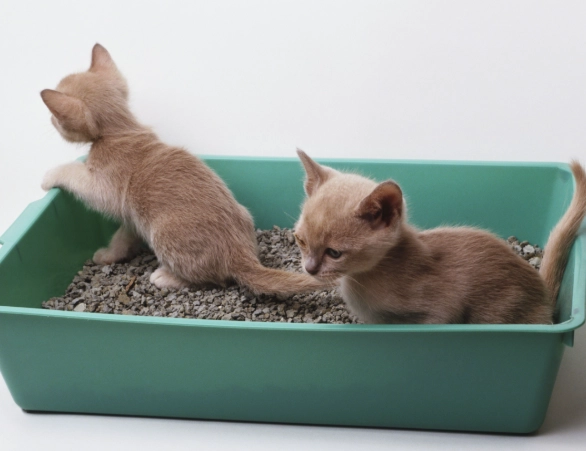
Litter mats around the box help contain mess. But ensure they're non-slip. I once used a slippery mat, and my kitten avoided the area altogether. Lesson learned.
Expert Tips and Common Mistakes to Avoid
After years of doing this, here's my top advice. Keep the litter box spotless. Scoop at least once a day, full clean weekly. Cats are finicky; a dirty box is like a filthy toilet to us. They'll find elsewhere to go.
Location matters more than you think. Not in the basement or a dark closet. Choose a quiet, accessible spot. Near their feeding area? Bad idea. Cats don't like to eat where they eliminate. I placed a box in my bathroom, and it worked well—private but easy to reach.
Another mistake: changing litter types too often. Find one your cat likes and stick with it. Switching brands mid-training confuses them. I experimented with three types once, and my cat just gave up for a week.
For multi-cat households, introduce boxes gradually. Place them in different rooms to reduce competition. I have two cats, and adding a second box in the living room stopped the occasional accident.
What about rewards? Small treats right after they use the box reinforce the behavior. But don't overdo it; cats can get picky. A simple "good job" and a pat works too.
Here's a non-consensus point: many guides say to use covered boxes for privacy. I disagree. Covered boxes can trap odors and make cats feel trapped. My cats always preferred open boxes. Try both and see what your cat likes.
Frequently Asked Questions Answered

Wrapping up, litter box training isn't a race. It's about understanding your cat's needs and being patient. Most cats learn within a month if you avoid common pitfalls. Start with a clean box in the right spot, use the right litter, and keep a routine. Watch for signs of trouble, and don't hesitate to consult a vet if things go sideways. I've been through the frustration of accidents, but with these steps, you'll get there. Happy training!



Join the Conversation