You see a parrot in a movie, clever and talking, and think, "That looks fun." Or you visit a friend with a charming, cuddly conure. The idea clicks: a feathered friend who's interactive, intelligent, and doesn't need walks. But here's the raw, unfiltered truth upfront: parrots are not easy pets. Labeling them "easy" is one of the most common and damaging misconceptions in the pet world. They are more akin to adopting a perpetual toddler with bolt cutters for a face and the potential lifespan of a human. This guide isn't to scare you off, but to arm you with the reality check most beginner sites gloss over.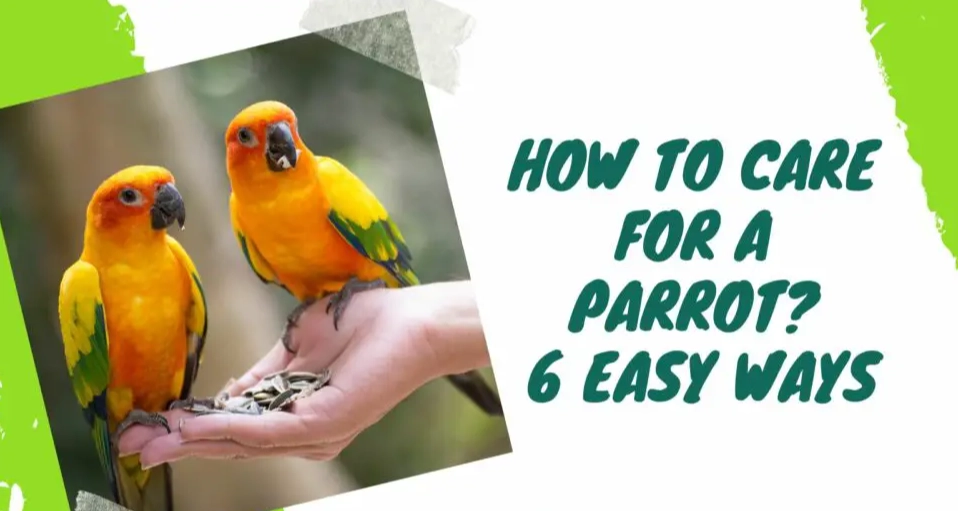
What You'll Discover Inside
How Much Time Do Parrots Really Need?
Forget the "low-maintenance" label. A parrot's need for social interaction is its core demand. In the wild, they live in constant, noisy flocks. Alone in a cage for 8+ hours while you work is psychological torture for them, often leading to screaming, feather plucking, and aggression.
Daily Non-Negotiables:
- Out-of-Cage Time: Minimum 2-4 hours of supervised freedom and interaction. This isn't just letting them out; it's engaging with them.
- Social Interaction: Active talking, training, playing, or just having them on your shoulder while you do chores. They need to be part of the "flock" (your family).
- Cage Maintenance: Spot cleaning droppings and food waste daily. A full cage scrub-down weekly.
- Food Prep: Fresh chops (veggie/fruit mixes) daily, pellet diet replenishment, washing bowls.
Then there's the lifelong commitment. A cockatiel can live 15-25 years. An African Grey or Amazon? 40-60 years, sometimes more. You're signing up for a companion that may outlive your career changes, moves, and even your own children leaving home. I know a woman in her 70s who worries daily about who will care for her 50-year-old Macaw when she's gone. It's a real, heavy responsibility.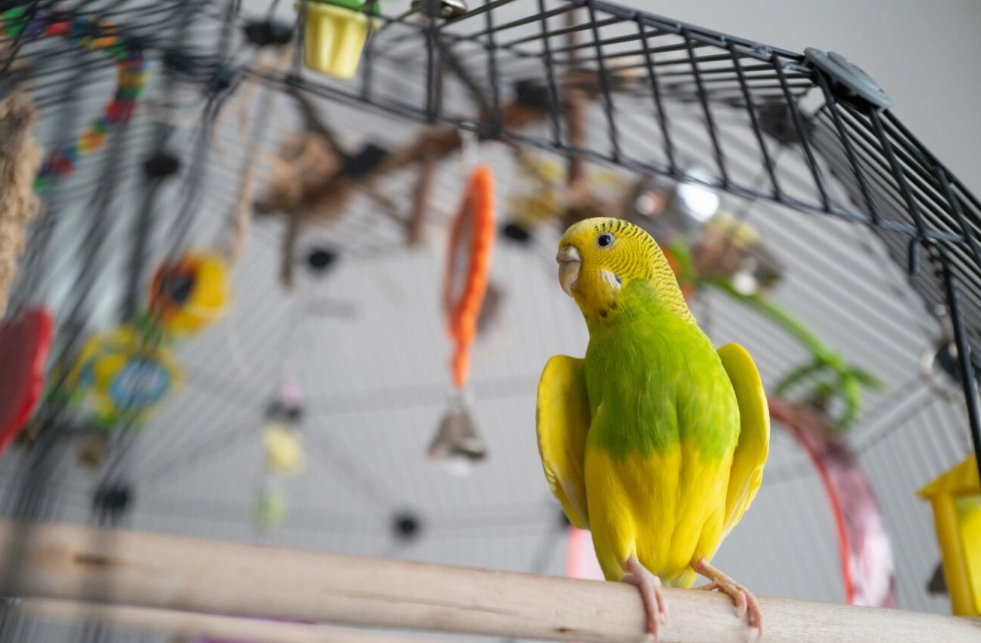
The Unavoidable Financial Reality of Parrot Ownership
The initial cost of the bird is the smallest part. The real expense is in proper setup and lifelong care. Let's break it down, because most people are shocked.
| Expense Category | Initial/One-Time Cost (USD) | Ongoing Annual Cost (USD) | Notes & Why It's Necessary |
|---|---|---|---|
| Proper Cage & Stand | $300 - $1,500+ | Minimal | Needs to be large enough for full wing extension. Cheap cages are unsafe (toxic zinc, poor latches). |
| Veterinary Care (Avian Specialist) | $100 - $200 (wellness check) | $200 - $600+ | NOT a regular cat/dog vet. Avian vets are rare and costly. Emergencies (egg binding, injury) can hit $2,000+. |
| High-Quality Diet | N/A | $300 - $700 | Seed-only is deadly (fatty liver disease). Requires premium pellets, fresh organic produce, nuts. |
| Toys & Enrichment | $100 - $300 (starter set) | $400 - $800 | Parrots destroy toys for mental health. You must constantly rotate and replace them. |
| Miscellaneous | N/A | $200 - $500 | Perches (natural wood), cleaning supplies, air purifiers (for dust), travel carriers. |
See that annual total? We're looking at a baseline of $1,100 to $2,600+ every year, excluding major emergencies. This isn't a hobby; it's a financial partnership.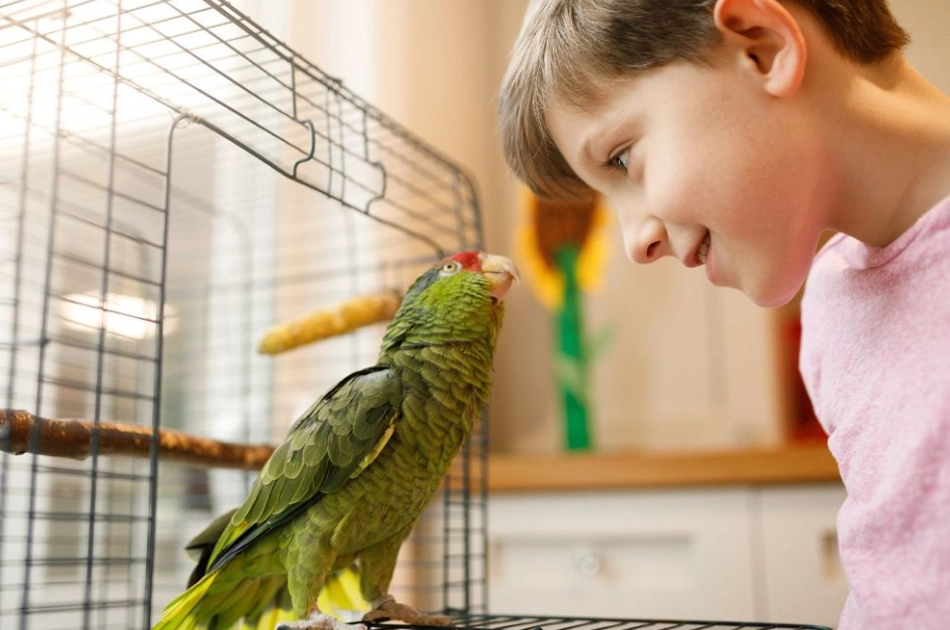
5 Critical Mistakes That Scream "I Wasn't Ready"
After volunteering at a parrot rescue for a decade, you see patterns. These aren't just oopsies; they're welfare disasters.
1. Underestimating the Noise
It's not charming chatter. Contact calls are ear-piercing shrieks designed to travel miles in the jungle. At 7 AM, when you want to sleep in? That's prime flock-reassembly time for your parrot. Apartments and close neighbors often make this a deal-breaker.
2. The "Small Bird, Small Problems" Myth
People think a budgie or lovebird is a starter bird. In many ways, they're harder. They're faster, more fragile, can be nervous biters, and their health declines rapidly if you miss subtle signs. Their small size makes them seem disposable to some, leading to neglect. A well-cared-for budgie needs just as much enrichment and vet care as a larger bird.
3. Ignoring the Need for a Specialist Vet
Birds hide illness until they're critically sick. A regular vet will often misdiagnose or use dangerous medications. You must locate a certified avian veterinarian (check the Association of Avian Veterinarians) before you bring a bird home. If the closest one is 3 hours away, you have your answer.
4. Expecting a Cuddly, Low-Mess Companion
Parrots are messy. They fling food, molt dust and feathers everywhere, and their droppings are not contained. They can be cuddly on their terms, but they are also hormonal, moody, and may bite unpredictably, especially during puberty (yes, birds go through puberty).
5. Impulse Buying Based on Looks or Talking Ability
Choosing a bird because it's blue or you saw one talk on YouTube is a recipe for surrender. Personality, noise level, and care needs vary wildly by species and individual.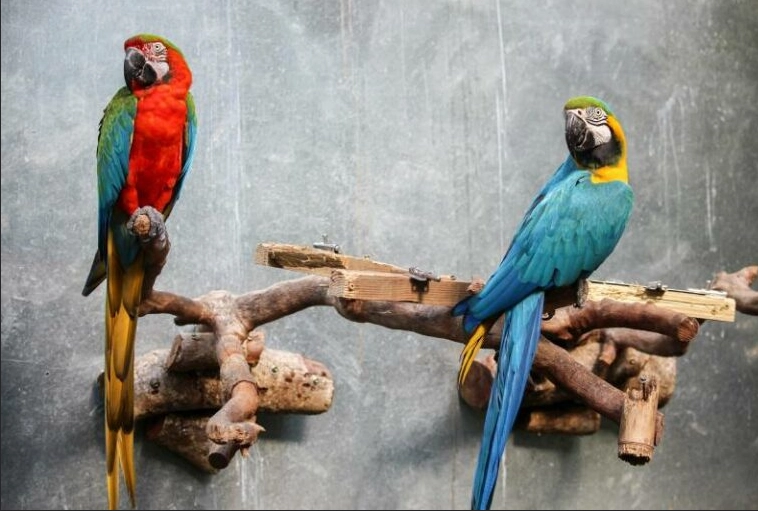
Which Parrot Species Are Considered "Easier"? (A Relative Term)
"Easier" here means less difficult for a committed, well-researched first-time owner. None are easy.
Cockatiels: Often the best "first" larger parrot. Generally quieter, affectionate, less prone to severe biting. But they are dusty, need lots of attention, and can be prone to night frights.
Budgies (Parakeets): Can be fantastic, interactive pets if hand-raised and trained. Their needs are just as complex but on a smaller, slightly less expensive scale. The challenge is their fragility and the tendency for people to treat them as décor.
Green-Cheeked Conures: Popular for their clownish personalities. They are quieter than most conures but are notorious for a phase called "conure puberty" where they can become nippy and rebellious for months.
Pionus Parrots: The "hidden gem" for those who do deep research. Known for being calmer, quieter, and less prone to the emotional rollercoaster of some Amazons or Cockatoos. They are harder to find and often more expensive initially.
Species to Avoid as a First Bird: Cockatoos (extreme emotional neediness, dust, destructive), African Greys (sensitive, prone to feather plucking, expensive), Macaws (powerful bite, extremely loud, massive space needs), Lovebirds (can be very aggressive and territorial).
The Final Checklist: How to Decide If a Parrot Is Right For You
Don't ask "Is a parrot easy?" Ask yourself these questions:
- Lifestyle: Are you home most evenings? Is your lifestyle stable for the next 20+ years? Do you travel? Who will care for the bird?
- Household: Do you have other pets (cats/dogs are major risks)? Any small children? Are roommates or partners fully on board with noise and mess?
- Patience: Can you handle a creature that may bite you, scream for attention, and reject you during hormonal periods, all while requiring your unwavering care?
- Action Step: Foster or volunteer first. Contact a local parrot rescue (like those affiliated with the Phoenix Landing Foundation network). Clean cages, learn from experienced owners, and get your hands dirty. It's the only way to know.
Your Tough Questions, Answered Honestly
 What's the one thing you wish you knew before getting your first parrot?
So, are parrots easy to take care of? Absolutely not. They are complex, demanding, expensive, and emotionally intensive companions. But for the right person—someone with the time, money, patience, and lifelong commitment—they are also incredibly rewarding, funny, and capable of a bond unlike any other. The question isn't about ease. It's about whether you're prepared for the magnificent, messy, decades-long challenge.




Join the Conversation