Let's cut straight to the point. Your gerbil's tiny body is a finely tuned machine, and what you drop into their food bowl can either keep it running smoothly or cause a catastrophic breakdown. The "just a little bit won't hurt" philosophy is a dangerous game with an animal this small. Their metabolism is different from ours or even larger pets like dogs. This guide isn't just a list of forbidden foods; it's an explanation of why these items are dangerous, what to watch for if an accident happens, and most importantly, what you should be feeding instead.
What's in This Guide?
- Why Are Gerbil Diets So Sensitive?
- The Absolutely Toxic: Foods That Can Kill
- Foods to Strictly Avoid (The Trouble-Makers)
- What's Actually Safe? Your Go-To Alternatives
- Spotting Trouble: Signs of Poisoning & Emergency Steps
- Common Feeding Mistakes Even Experienced Owners Make
- Your Gerbil Diet Questions, Answered
Why Are Gerbil Diets So Sensitive?
Gerbils are desert rodents. In the wild, their diet is primarily dry seeds, grains, and the occasional tough, fibrous plant. Their digestive systems aren't built to handle high moisture, high sugar, or high fat. They have a specific gut flora balance. Throw in a chunk of juicy fruit or a fatty nut, and you're not just giving a treat – you're potentially causing diarrhea, bloating, or disrupting the bacteria they need to digest their main food. Their liver and kidneys are also proportionally tiny. A substance that a human or dog can process might overwhelm a gerbil's system completely, leading to rapid organ failure. It's a scale thing.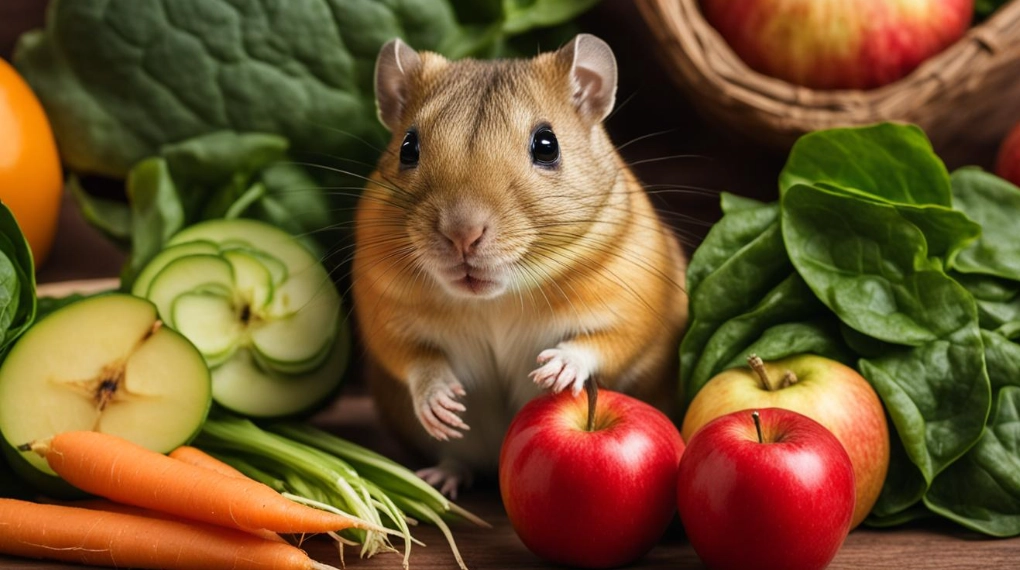
The Absolutely Toxic: Foods That Can Kill
These are the non-negotiables. Even a small amount can lead to severe illness or death. I've seen owners panic because their gerbil snatched a bite of something off this list. The key is knowing what the poison is and what it does.
| Food Item | Toxic Compound | Why It's Dangerous & Symptoms |
|---|---|---|
| Chocolate & Caffeine | Theobromine, Caffeine | Stimulants that a gerbil cannot metabolize. Causes rapid heart rate, seizures, hyperthermia, and can be fatal in very small doses. Dark chocolate is the most dangerous. |
| Onions, Garlic, Chives, Leeks | Thiosulfate | Damages red blood cells, leading to hemolytic anemia. Weakness, lethargy, pale gums, red urine. Cooking does not remove the toxin. |
| Apple Seeds, Peach/Cherry/Apricot Pits | Cyanogenic Glycosides (Cyanide) | The seeds/pits contain amygdalin, which releases cyanide when chewed. Respiratory failure, seizures, death. The fruit flesh is fine if seeds/pits are removed. |
| Raw Kidney Beans & Some Raw Legumes | Phytohaemagglutinin (Lectin) | A severe gut irritant and toxin. Causes violent vomiting, diarrhea, and can damage the intestinal lining. Always cook beans thoroughly for yourself, but better to just avoid feeding any to your gerbil. |
| Alcohol & Yeast Dough | Ethanol, Carbon Dioxide | Obvious but worth stating. Even tiny amounts of alcohol are poisonous. Raw dough can expand in the stomach and ferment, causing bloat and ethanol poisoning. |
| Avocado | Persin | The level of persin varies, but it's a known cardiac toxin for many animals. It can cause respiratory distress, heart failure, and death in birds and small mammals. The high fat content is also problematic. |
| Green Potatoes & Potato Sprouts | Solanine | A glycoalkaloid poison. Causes severe gastrointestinal upset, lethargy, and neurological issues. A small piece of plain, cooked, unseasoned white potato is not toxic, but offers no nutritional benefit either. |
Critical Note on "Human Food": The biggest mistake is thinking "if I can eat it, my gerbil can." Our foods are often seasoned with onion/garlic powder, salt, sugar, or artificial sweeteners like xylitol (extremely toxic to many pets). Never feed processed human snacks—chips, crackers, candy, breakfast cereals.
Foods to Strictly Avoid (The Trouble-Makers)
These might not be instantly lethal like the ones above, but they will make your gerbil sick, lead to long-term health problems like obesity and diabetes, or cause fatal digestive stasis. I call them the "slow poison" category.
High-Sugar Fruits (in excess)
Grapes, raisins, bananas, mango. The sugar content is too high and the moisture can cause diarrhea. A tiny, rice-sized piece once a month as a rare treat is the absolute max. I don't even bother. The risk of upsetting their gut isn't worth the minimal benefit.
High-Fat Nuts and Seeds
Sunflower seeds and peanuts are the usual suspects. Gerbils love them, but they're like junk food. They're addictive and can cause obesity and fatty liver disease if fed regularly. They should be a rare treat—one shelled sunflower seed per week, max. A better nut option? A tiny flake of an unsalted almond or walnut once in a blue moon.
Dairy Products
Gerbils are lactose intolerant after weaning. Milk, cheese, yogurt—they lack the enzyme to digest lactose properly. This leads to bloating, gas, and diarrhea. Some owners swear by tiny bits of yogurt for "probiotics," but the risks outweigh any potential benefits. Stick to their normal diet for gut health.
Citrus Fruits
Oranges, lemons, limes. The high acidity can cause mouth sores and digestive upset. It's just too harsh for their system.
Iceberg Lettuce & Other High-Water Veggies
It's mostly water and offers little nutrition. The high water content is a direct ticket to diarrhea town. If you want to give greens, opt for darker, drier varieties like romaine lettuce, kale, or dandelion greens in very small, washed amounts.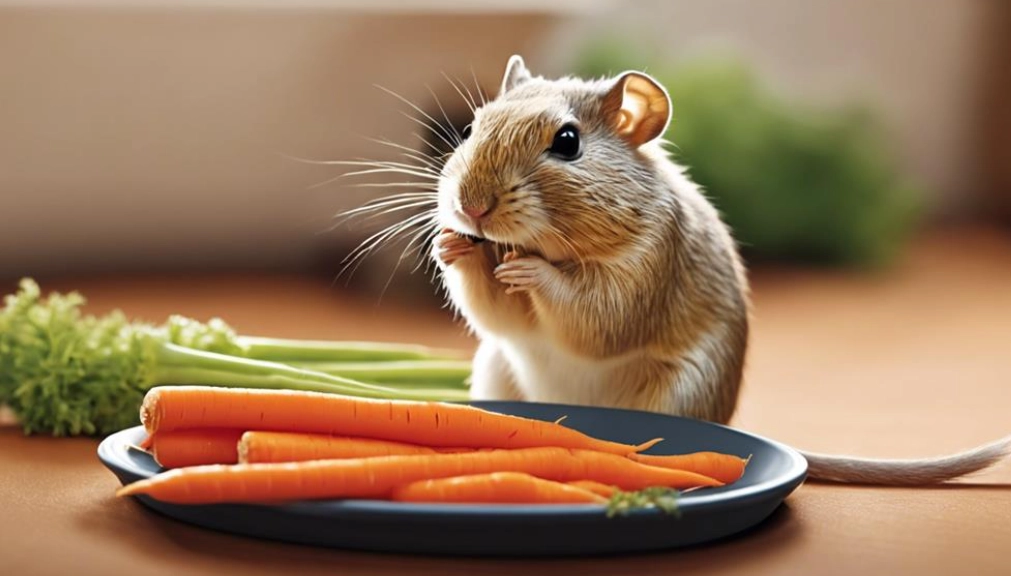
What's Actually Safe? Your Go-To Alternatives
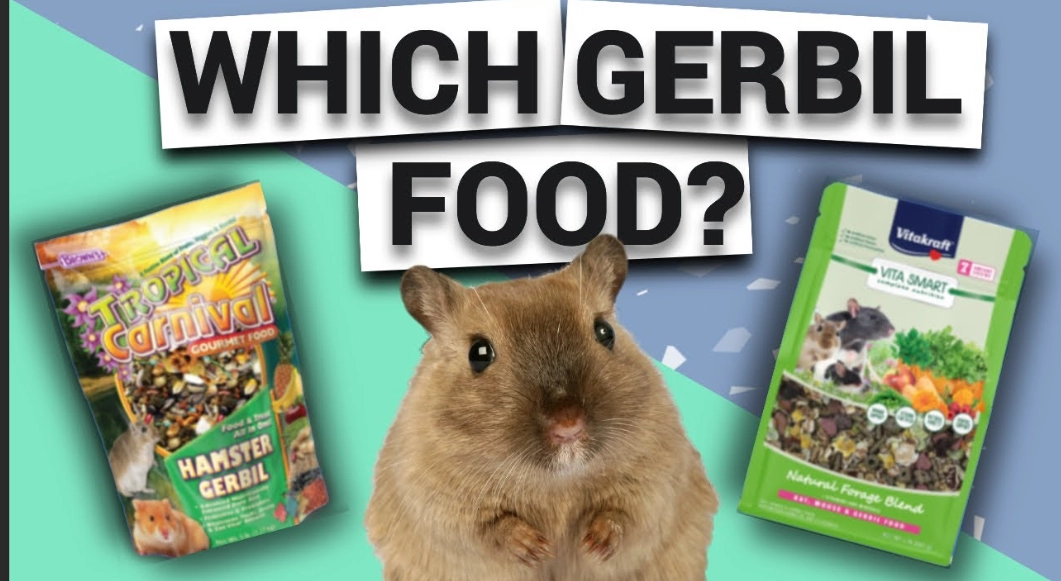
So what's left? Plenty! The foundation should always be a high-quality, lab-block or pellet formulated specifically for gerbils. This ensures they get all necessary vitamins and minerals. Then, you can supplement with small amounts of fresh foods for enrichment. Think of these as the "side dish," not the main course.
- Vegetables: Broccoli florets (tiny piece), carrot shavings, cucumber (peeled, seedless, very small amount), pumpkin (cooked, plain), squash, peas.
- Greens: Romaine lettuce, kale, spinach (sparingly due to oxalates), dandelion greens (from pesticide-free areas).
- Grains & Seeds (as part of mix): Oats, barley, millet sprays (a fantastic foraging treat), plain cooked brown rice.
- Protein (occasionally): A small mealworm (dried or live), a tiny piece of hard-boiled egg white.
The 10% Rule: Fresh foods/treats should not exceed 10% of your gerbil's total diet. The other 90% should be their nutritionally complete lab blocks. Introduce any new food in a pinch-sized amount and wait 24 hours to check for soft stools.
Spotting Trouble: Signs of Poisoning & Emergency Steps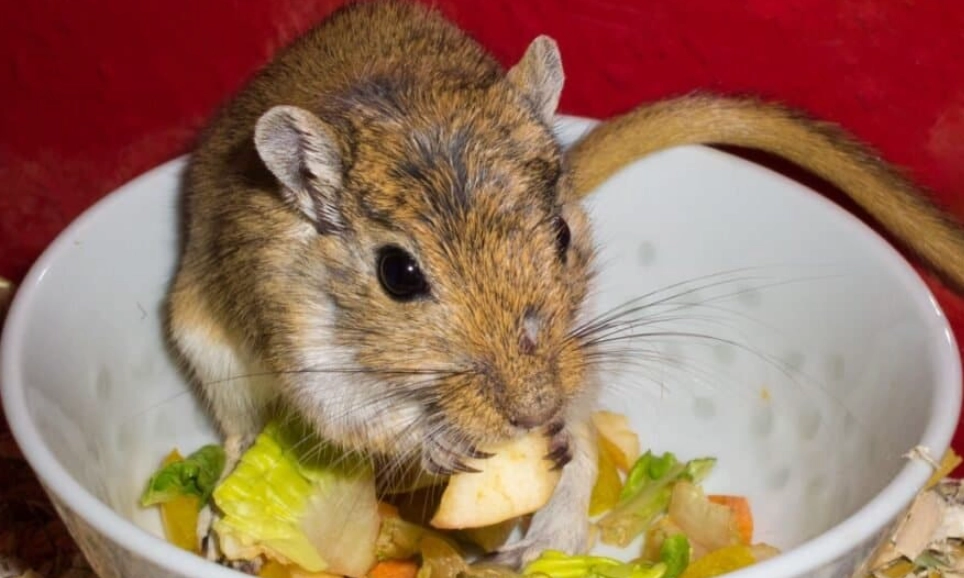
Gerbils hide illness well. By the time symptoms are obvious, they're often very sick. If you suspect they've eaten something toxic, time is critical.
How Do I Know If My Gerbil Ate Something Toxic?
Watch for these red flags: Sudden lethargy (just lying still, not exploring), loss of appetite, hunching posture (indicating pain), diarrhea or very wet tail, difficulty breathing, tremors or seizures, visible bloating of the abdomen.
What Should I Do If My Gerbil Eats Something Toxic?
- Do NOT induce vomiting. You can cause more harm.
- Remove any remaining toxic food from the cage immediately.
- Provide fresh water.
- Call your veterinarian immediately. Tell them exactly what and approximately how much your gerbil ate. If it's after hours, call an emergency exotic pet vet. Have the number saved before you ever need it.
- Keep your gerbil warm, quiet, and in a dark, stress-free carrier for transport.
Common Feeding Mistakes Even Experienced Owners Make
I've been keeping gerbils for over a decade, and I've made some of these errors myself. Here's the subtle stuff that doesn't always make the basic lists.
Assuming "Seed Mixes" are Complete Diets. Gerbils are picky eaters. They'll pick out the tasty, fatty seeds (sunflower, millet) and leave the healthy pellets behind, leading to malnutrition. A lab block prevents this selective feeding.
Overdoing the "Healthy" Treats. Even safe vegetables like carrot can cause issues if given daily. Variety is key, and moderation is non-negotiable.
Feeding Food from Unknown Sources. Dandelion greens from a park may be sprayed with herbicides. Stick to store-bought or from your own chemical-free garden.
Ignoring the Water Source. Contaminated water from a dirty bottle can cause illness just as easily as bad food. Clean the bottle and change water daily.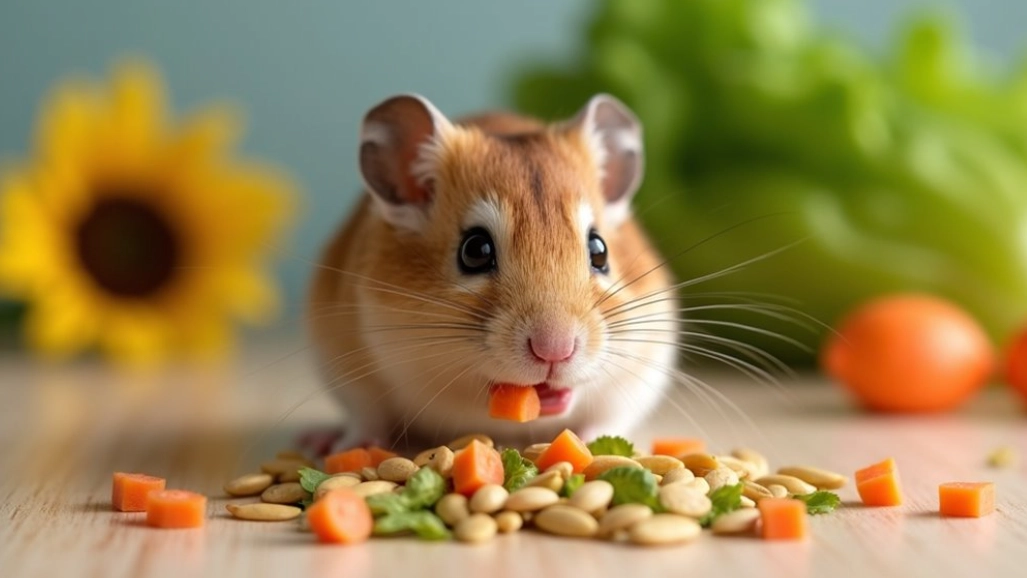
Your Gerbil Diet Questions, Answered
Can gerbils eat avocado or guacamole leftovers?
My gerbil stole a tiny piece of onion from my plate. Will he be okay?
 Are there any "people cereals" that are safe for gerbils?
What about herbs? Can I give my gerbil parsley or basil?
Is it true that gerbils can eat cardboard and paper?




Join the Conversation