Let's cut to the chase. If you're here, you probably know that a dirty bird cage isn't just an eyesore—it's a health hazard for your feathered friend. After a decade of caring for parrots and finches, I've tried everything from homemade solutions to commercial sprays. The best bird cage cleaner isn't just about scrubbing away grime; it's about safety, efficiency, and keeping your bird stress-free. In this guide, I'll share my top picks, step-by-step cleaning methods, and the mistakes I've made so you don't have to.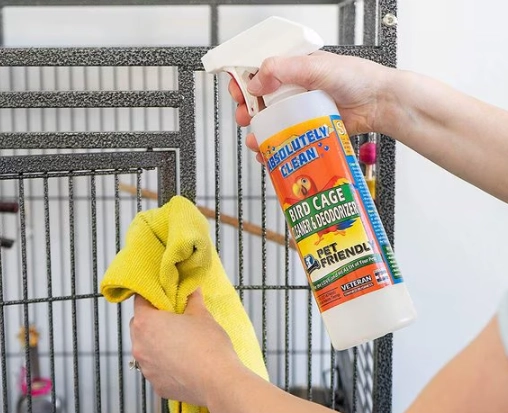
What's Inside This Guide?
Why a Clean Cage is Non-Negotiable for Bird Health
Birds have sensitive respiratory systems. Think about it—they're stuck in a confined space all day. Dust, droppings, and leftover food can breed bacteria and mold faster than you'd imagine. I learned this the hard way when my cockatiel, Sunny, developed a sneeze after I slacked on cleaning for a week. A study by the Association of Avian Veterinarians highlights that poor cage hygiene is a leading cause of respiratory infections in pet birds.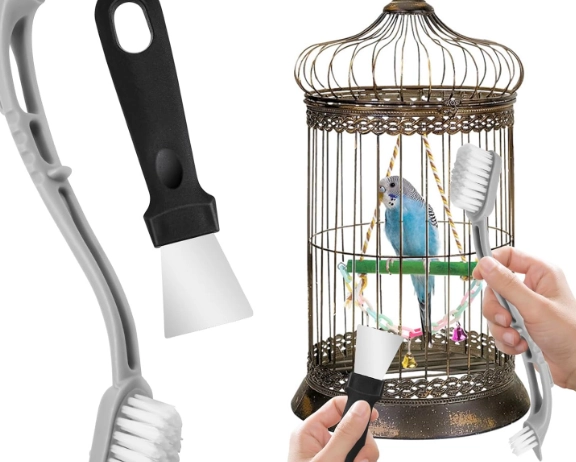
The Risks of a Dirty Cage
It's not just about smell. A messy cage can lead to:
- Respiratory issues: Ammonia from droppings irritates lungs.
- Parasite infestations: Mites and lice thrive in unclean environments.
- Behavioral stress: Birds get anxious in dirty spaces, affecting their mood and activity.
I've seen birds pluck feathers out of frustration when their home isn't tidy. Regular cleaning with the right products prevents this.
What Makes a Bird Cage Cleaner "The Best"?
Not all cleaners are bird-safe. Many household sprays contain chemicals like phenols or bleach that can be toxic to birds. The best bird cage cleaner should be non-toxic, effective against germs, and easy to use. Here's what I look for:
- Avian-safe ingredients: Avoid anything with strong fumes. Natural enzymes or citric acid-based formulas work well.
- Disinfectant properties: It should kill common pathogens like E. coli and Salmonella. Check for EPA registration if possible.
- Residue-free: Birds peck at surfaces, so no leftover chemicals.
- User-friendly: Spray bottles, wipes, or concentrates that save time.
I once used a generic pet cleaner that left a sticky residue—my parrot avoided his perch for days. Lesson learned.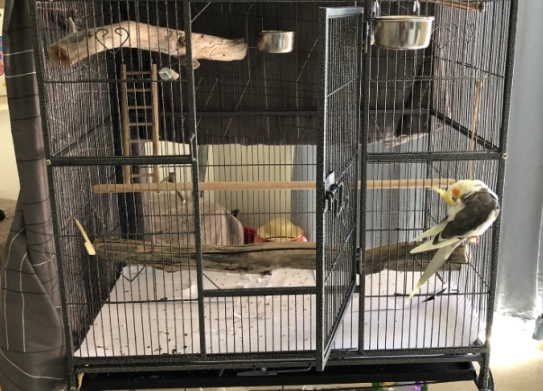
Key Ingredients to Look For (and Avoid)
Look for products with:
- Hydrogen peroxide (diluted)
- Citrus extracts
- Beneficial bacteria enzymes
Avoid:
- Chlorine bleach
- Ammonia
- Artificial fragrances
These can cause respiratory distress. I stick to brands recommended by avian vets.
Top 5 Bird Cage Cleaners on the Market
Based on my testing and feedback from other bird owners, here are the top performers. I've included prices and where to buy, but note that prices vary.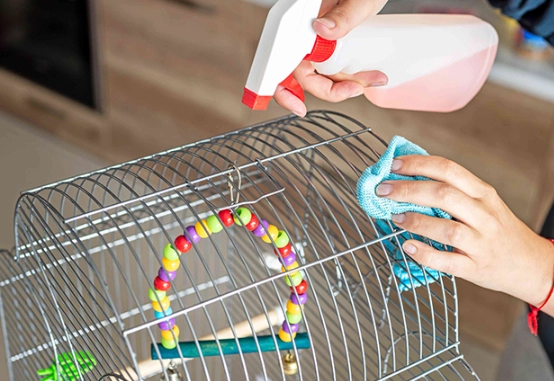
| Product Name | Key Features | Price Range | My Rating |
|---|---|---|---|
| Poop-Off Bird Cage Cleaner | Non-toxic, enzymatic formula, safe for perches and toys | $15 - $20 for 32 oz | 9/10 – Great for stubborn stains |
| Nature's Miracle Bird Cage Cleaner | Deodorizes, disinfects, no harsh chemicals | $12 - $18 for 24 oz | 8/10 – Effective but scent can be strong |
| Vinegar-based Homemade Mix | DIY solution: 1 part white vinegar to 1 part water | ~$5 for ingredients | 7/10 – Cheap but less disinfecting power |
| F10 SC Veterinary Disinfectant | Professional-grade, broad-spectrum, used by breeders | $25 - $30 for 100 ml concentrate | 9.5/10 – Top for germ kill, requires dilution |
| Simple Solution Bird Cage Wipes | Convenient wipes, quick clean-ups, portable | $10 - $15 for 30 wipes | 8/10 – Handy for daily touch-ups |
F10 is my go-to for deep cleans—it's what many avian vets use, according to reports from the Association of Avian Veterinarians. But for daily use, Poop-Off saves time. I buy it from pet stores online.
Pro tip: Don't just rely on one product. I use wipes for quick daily cleanings and a disinfectant like F10 weekly. This combo keeps the cage spotless without overwhelming my bird.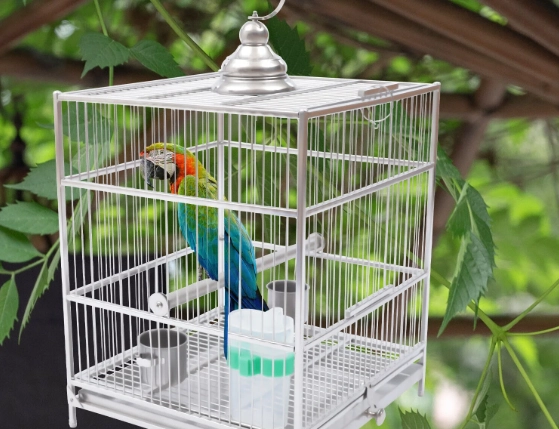
How to Clean a Bird Cage: A Step-by-Step Process
Cleaning isn't just spraying and wiping. Here's my routine, refined over years.
Step 1: Move your bird to a safe space. I use a travel cage or a separate room. Stress from noise and movement can upset birds—I learned this when Sunny got spooked by the vacuum.
Step 2: Remove all items. Take out perches, toys, and food bowls. Soak them in a basin with your chosen bird cage cleaning solution for 10-15 minutes. For tough grime, I add a bit of baking soda.
Step 3: Scrub the cage. Use a soft brush or cloth with the cleaner. Focus on corners and bars where droppings accumulate. Avoid steel wool; it can scratch surfaces and harbor bacteria.
Step 4: Rinse thoroughly. This is crucial. Residue can harm your bird. I rinse twice with warm water, then let it air-dry completely. Damp cages promote mold.
Step 5: Disinfect. Once a week, apply a disinfectant like F10, following dilution instructions. Let it sit for the recommended time, then rinse again.
Step 6: Reassemble. Put everything back when dry. I check for sharp edges or wear on toys—safety first.
This process takes me about 30 minutes for a medium-sized cage. Schedule it weekly, with daily spot-cleaning of droppings.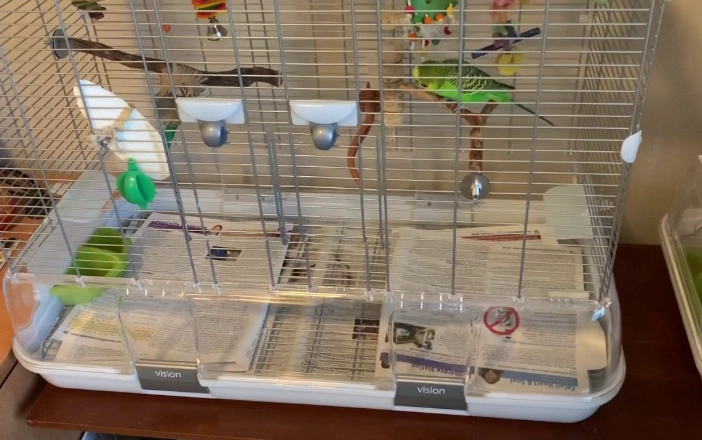
Common Mistakes Even Experienced Owners Make
We all slip up. Here are pitfalls I've seen or done myself.
- Over-cleaning with harsh chemicals: More isn't better. Using bleach too often damaged the coating on my old cage, and the fumes lingered. Stick to bird-safe products.
- Neglecting hard-to-reach spots: The area under the grate or behind feeders often gets missed. Bacteria love those spots. I use a small brush to get in there.
- Not drying properly: Moisture leads to rust and mold. I once reassembled too soon, and my finch developed a fungal issue. Now, I use a fan to speed up drying.
- Using the same rag for everything: Cross-contamination is real. I designate separate cloths for the cage and perches.
Avoid these, and you'll save money on vet bills. Trust me, I've paid for those mistakes.
Frequently Asked Questions (FAQ)
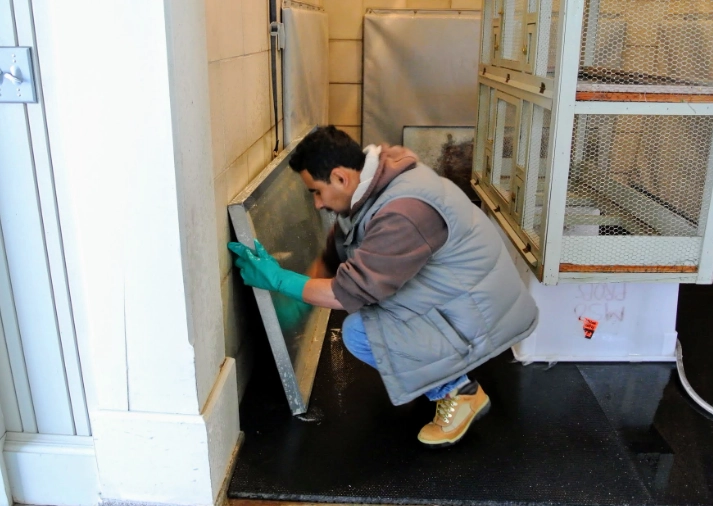
Cleaning a bird cage might seem tedious, but with the right tools and routine, it becomes second nature. Invest in a quality bird cage cleaner, follow these steps, and your bird will thrive in a clean, happy home. If you have more questions, drop a comment—I've been there, and I'm happy to help.

Join the Conversation