Let's talk about your green parrot's food. It's the single biggest factor in their health, feather quality, and even their mood. Get it wrong, and you're looking at vet bills, plucking issues, and a grumpy bird. Get it right, and you have a vibrant, energetic companion for decades. The problem is, there's so much conflicting advice out there. One source says seeds are fine, another says they're poison. This guide cuts through the noise.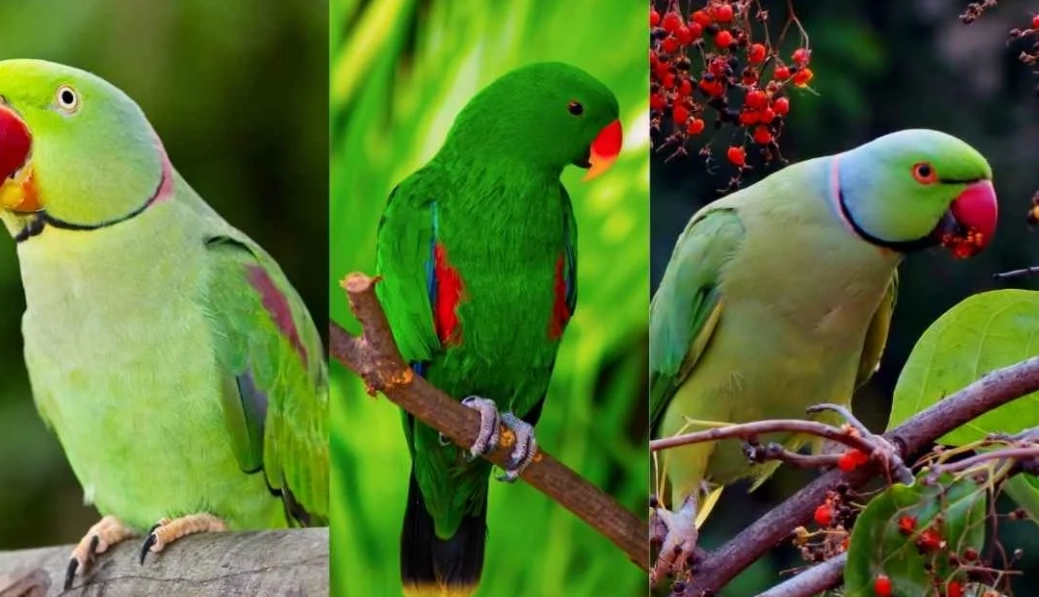
I've seen too many parrots on an all-seed diet. They're often overweight, lethargic, and their feathers lack that brilliant sheen. The shift to a better diet isn't just about adding pellets; it's a complete mindset change for owners.
What's Inside This Guide
What Should Be in a Green Parrot's Daily Diet?
Forget the old idea of a bowl of seeds. A modern green parrot diet is built on variety and balance. Think of it like a pyramid.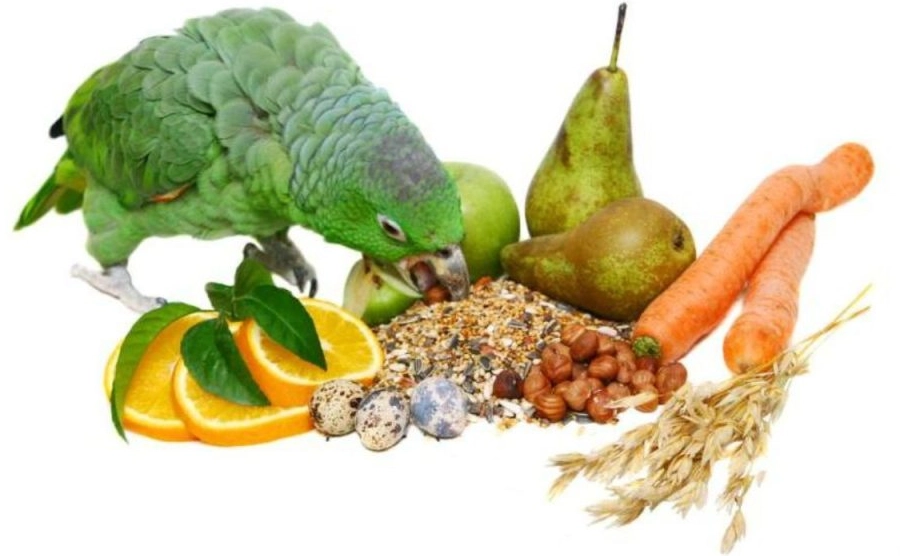
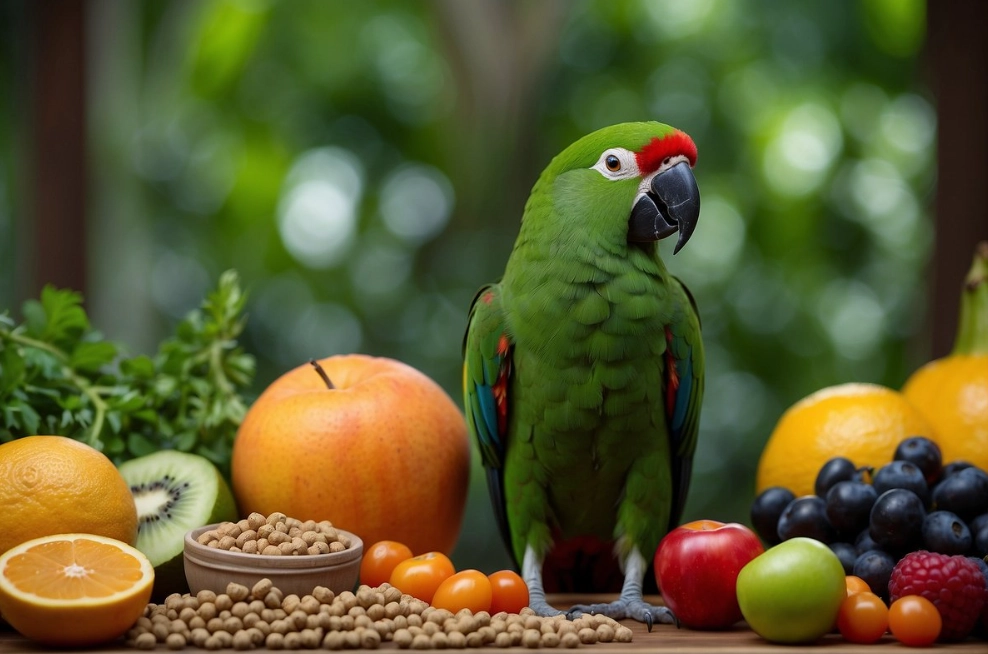
The foundation is a high-quality, formulated pellet. Brands like Harrison's, Roudybush, or TOP's are often recommended by avian vets. These pellets are designed to be nutritionally complete. They should make up about 40-60% of your bird's total daily food intake. This is the safety net that ensures they get their vitamins and minerals even on days when they're picky with their veggies.
Next, layer on the fresh vegetables. This is where the real magic happens for color and health. Aim for 30-40% of the diet. Dark, leafy greens are king: kale, Swiss chard, broccoli florets (and the leaves—they love those), and dandelion greens. Don't just stick to green. Orange vegetables like sweet potato (cooked) and carrots provide vital beta-carotene.
The top of the pyramid, the smallest part, is for fruits, nuts, and healthy treatsThis should be no more than 10-20%. Fruit is high in sugar. A blueberry, a slice of mango, a chunk of apple (seeds removed)—these are treats, not staples. Nuts like almonds or walnuts are fatty; one or two small pieces a day is plenty.
The Ultimate Safe Foods List for Green Parrots
Here’s a practical shopping list. Rotate these items to keep things interesting. Parrots get bored with the same food every day, just like we do.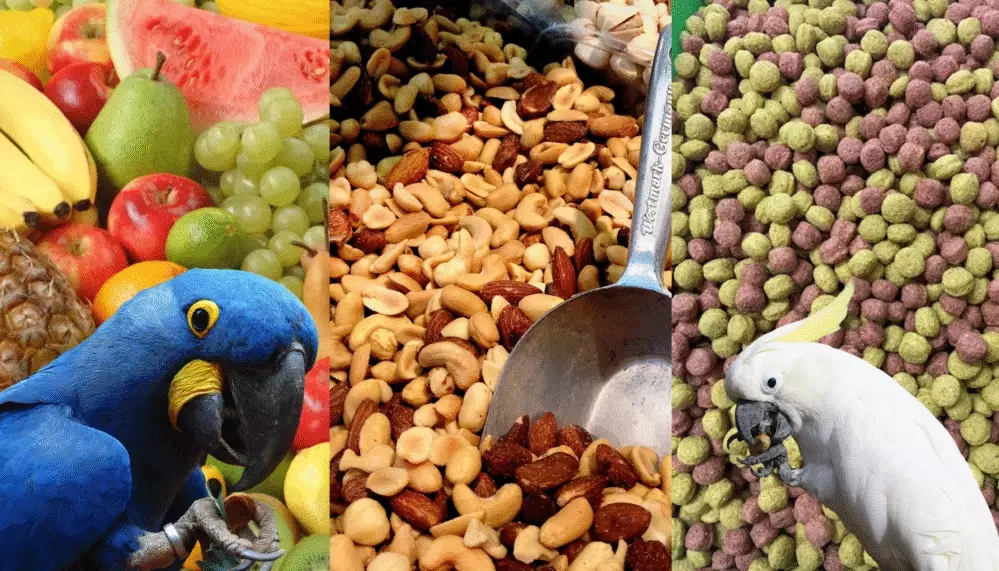
Vegetables (Offer Daily)
- Leafy Greens: Kale, Collard greens, Mustard greens, Romaine lettuce (not iceberg—it's mostly water), Swiss chard, Beet greens.
- Cruciferous Veggies: Broccoli (florets and leaves), Cauliflower.
- Colorful Veggies: Bell peppers (all colors, seeds are fine), Carrots (grated or in sticks), Cooked sweet potato, Pumpkin (cooked), Butternut squash (cooked).
- Others: Green beans, Sugar snap peas, Cooked corn (off the cob), Zucchini, Cucumber.
Fruits (Offer 2-3 Times a Week)
- Berries (blueberries, raspberries, strawberries), Apple (no seeds), Pear, Papaya, Mango, Melon (cantaloupe, honeydew), Pitted cherries, Kiwi.
Grains & Legumes (Great Cooked)
Cooked brown rice, quinoa, barley, lentils, and chickpeas are excellent sources of protein and fiber. Make a big batch and freeze in portions.
| Food Category | Examples | Frequency | Preparation Tip |
|---|---|---|---|
| Pellets | Harrison's, Roudybush | Daily (Base diet) | Leave in bowl all day. |
| Leafy Vegetables | Kale, Broccoli leaves | Daily | Chop or serve whole for shredding. |
| Other Vegetables | Bell peppers, Carrots | Daily | Mix colors for visual appeal. |
| Fruits | Berries, Apple slices | 2-3 times/week | Small portions, treat-sized. |
| Healthy Grains | Cooked quinoa, Brown rice | 2-3 times/week | Mix with chopped veggies. |
Danger Zone: Foods That Are Toxic to Parrots
This list is non-negotiable. Even small amounts of these can cause serious illness or death.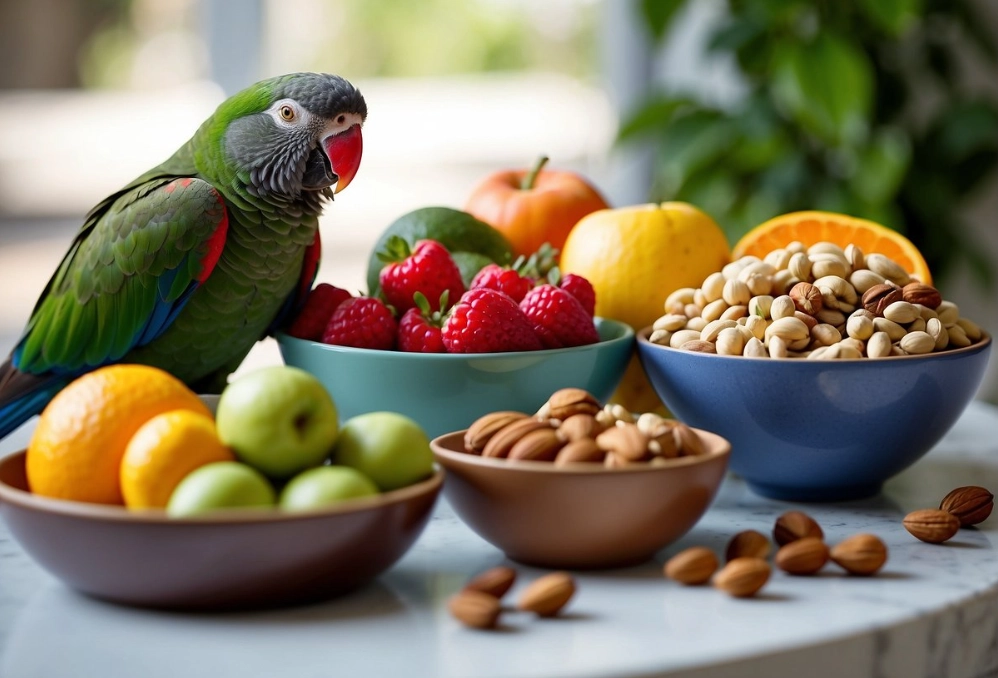
There's a subtle mistake I see often. People know avocado is bad, but they don't think about guacamole dip left on a plate. Or they give a sip of their coffee. Parrots are curious and will try anything you're eating. Be vigilant.
Also, beware of non-stick (Teflon) cookware fumes. When overheated, they release gases that are lethal to birds. This isn't food, but it's a critical kitchen safety point.
How to Feed Your Green Parrot: A Practical Schedule
Consistency helps. Here's what a day might look like for my own parrot, a feisty Amazon.
Morning (7-8 AM): I remove the leftover fresh food from yesterday (to prevent spoilage) and refresh the pellet bowl. I always have pellets available. Then, I prepare the morning fresh food chop—a mixture of finely chopped kale, grated carrot, a bit of pepper, and maybe some cooked quinoa. I put this in a separate dish.
Late Afternoon (4-5 PM): I check the fresh food dish. If it's empty or mostly eaten, great. If not, I might offer a different veggie, like a broccoli floret on a skewer, to encourage foraging. This is also a good time for a tiny treat, like a piece of a nut, during training.
Evening (Before bed): I do a quick clean-up, removing any perishable fresh food leftovers. The pellet bowl stays.
The key is offering fresh food when you're around and the bird is most active. Leaving wet chop in the cage all day in warm weather can grow bacteria fast.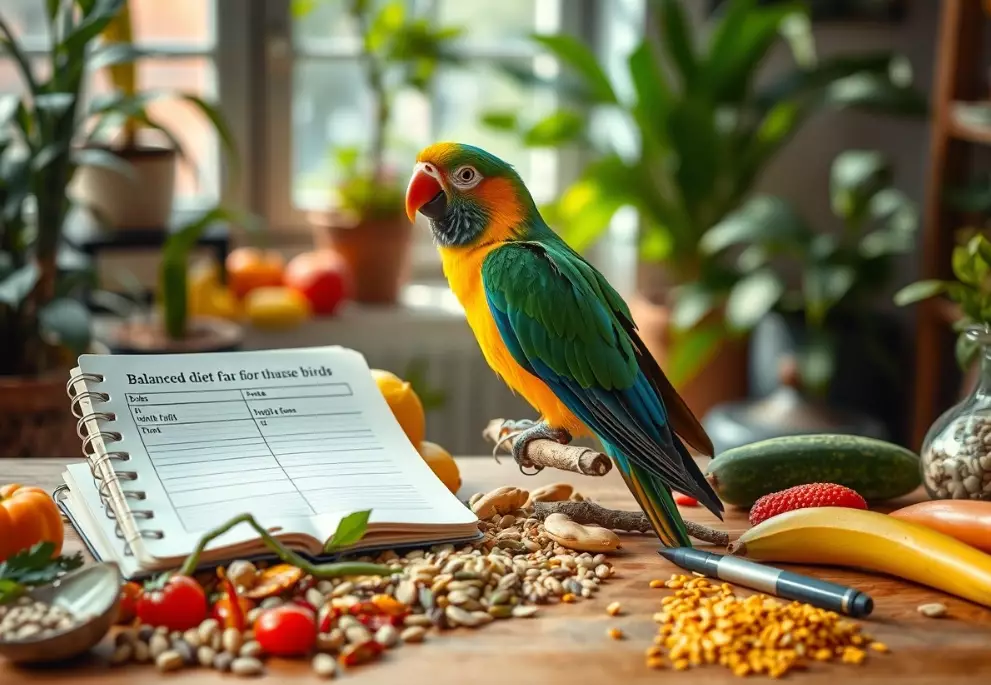
The 3 Most Common Diet Mistakes (And How to Fix Them)
1. The All-Seed Standoff
Your parrot loves seeds and throws everything else out of the bowl. The fix isn't to go cold turkey. Mix pellets into the seed. Very gradually, over weeks, increase the pellet-to-seed ratio. Try offering sprouts—they're more nutritious than dry seeds and often accepted more readily.
2. Feeding Too Much Fruit
Because parrots love it, owners overdo it. Fruit is sugary. Limit it to a few small pieces, a few times a week. If your parrot fills up on banana, it won't touch its kale.
3. Giving Up Too Quickly
A parrot might ignore a new vegetable 10 times before trying it. Don't give up after two attempts. Present it in different ways: chopped, whole, hanging, mixed with a favorite food. Eating the vegetable yourself in front of them often works wonders—they're flock animals and want to join in.
Your Green Parrot Diet Questions Answered
What if my green parrot absolutely refuses to eat pellets?
This is incredibly common. First, make sure you're not offering high-fat seeds or lots of fruit at the same time—they'll hold out for the good stuff. Try different pellet brands; textures and shapes vary. Crush some pellets and sprinkle them over a very small amount of a moist food they like (a bit of mashed sweet potato). The goal is to get them to taste it. The transition can take months. Be patient and persistent.
Are there any human foods I can safely share as a treat?
Sure, in moderation. A small piece of whole-wheat pasta, a flake of plain oatmeal, a bit of scrambled egg (no salt, butter, or oil), or a single plain popcorn kernel are fine. The rule is: plain, unseasoned, and tiny. Avoid anything processed, salted, buttery, or sugary.
How much should I be feeding my parrot each day?
It depends on the species size, but a general guideline is about 1.5 to 2 tablespoons of pellets per day for a medium-sized Amazon parrot, plus an equal volume of fresh veggies. Monitor their weight and the condition of their droppings. If there's a lot of food waste, you're probably offering too much. It's better to offer a bit less fresh food and ensure it's all eaten than to have a lot spoil.
Do I need to give my parrot vitamin supplements?
If your parrot is on a balanced diet of high-quality pellets and a variety of fresh vegetables, supplements are usually unnecessary and can even be harmful, leading to vitamin toxicity. The American Veterinary Medical Association (AVMA) notes that the primary cause of nutritional disorders in pet birds is an imbalanced diet, often from supplements added to an already poor diet. Always consult an avian vet before adding any supplements.
 Feeding your green parrot well is an act of care that pays off every single day. You'll see it in their bright eyes, their energetic behavior, and the stunning green of their feathers. Start with one change—maybe introducing one new vegetable this week—and build from there.
Join the Conversation