Let's be honest. Cleaning the bird cage is nobody's favorite part of being a parrot parent, finch fancier, or cockatiel companion. It's messy, it's frequent, and sometimes it feels like you just did it yesterday. So when you hear about a self-cleaning bird cage, it sounds like a dream come true. But before you get too excited (or skeptical), let's pull back the curtain. I've kept birds for over a decade and have seen all sorts of gadgets come and go. This isn't about selling you a magic solution. It's about giving you the straight facts on how these cages work, where they shine, where they fall short, and whether spending $200 to over $1000 is actually a smart move for your lifestyle and your bird's well-being.
What You’ll Find in This Guide
How Does a Self-Cleaning Bird Cage Actually Work?
Forget the image of a tiny robot arm scrubbing bars. Most systems are simpler, focusing on the biggest hassle: the droppings and food waste at the bottom of the cage. There are two main approaches you'll see on the market.
The Rolling Tray or Conveyor Belt System
This is the most common design. Imagine the bottom of the cage isn't a solid pan. Instead, it's a long, wide roll of plastic sheeting or a series of connected trays (like a conveyor belt). The clean liner sits under the cage grate. Every day or every few days, you (or a timer) activate a crank or a motor. It rolls the soiled section out of one side of the cage and pulls a fresh, clean section of liner from a roll on the other side. The dirty part gets wound up or stored in a compartment for you to dispose of later. Brands like LooTracks made this concept popular. It's mechanically straightforward, which is a plus for reliability.
The Drop-Through Grate & Collection Drawer
This system relies heavily on smart design. The cage floor has a very fine, smooth grate. The idea is that droppings, feathers, and dry hulls are small enough to fall through the gaps, while your bird's feet are not. Below this grate is a large, slide-out plastic drawer, often lined with an absorbent pad or newspaper. Everything "drops through" into this hidden drawer. You simply pull the drawer out once a week, swap the liner, and slide it back. The cage itself never looks dirty from the outside. The success of this system hinges completely on the grate design. If the gaps are too big, it's a safety hazard. If they're too small, they clog instantly.
A crucial point most ads don't mention: No system cleans the entire cage. Perches, toys, food and water dishes, and the bars themselves still need regular wiping and scrubbing. What you're really buying is an automatic bird cage cleaner for the waste pan. That's a huge help, but it's not a total replacement for your cleaning spray and elbow grease.
The Big Question: Is a Self-Cleaning Cage Worth the Money?
It depends. Not a satisfying answer, I know. But let's break it down with some real-world scenarios.
For me, it was a game-changer when I adopted a second cockatiel. One bird's mess was manageable. Two doubled the cleaning frequency and the guilt when life got busy. Investing in a good drop-through system gave me peace of mind on busy workdays, knowing the birds weren't standing in yesterday's dinner.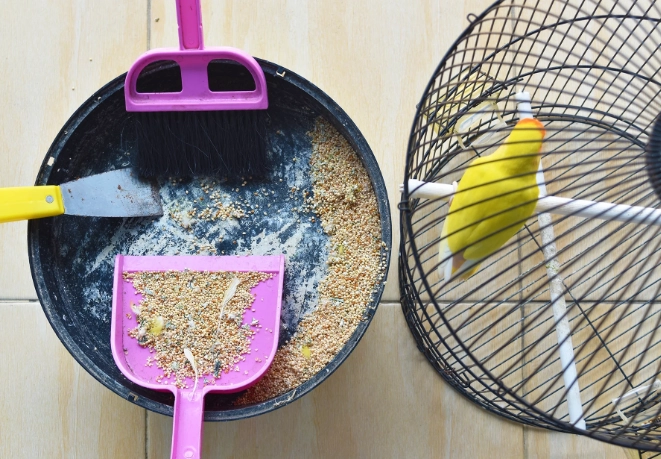
Who it's absolutely worth it for:
- Busy professionals or families: That daily 5-minute chore adds up. This buys you back time and reduces stress.
- People with mobility or health issues: Bending, lifting a heavy tray, and scrubbing can be painful or impossible. A system with a simple drawer or crank can make bird ownership accessible.
- Owners of multiple birds or larger birds: More birds = exponentially more waste. The time savings here are massive.
- Anyone prone to respiratory issues: Less frequent direct exposure to dried droppings and dust is a health benefit.
Who might want to think twice:
- Owners of very small birds (finches, budgies): Their cages are often smaller and easier to clean manually. The premium price might be hard to justify.
- The extremely budget-conscious: You can buy a fantastic standard cage and a lifetime supply of vinegar and paper towels for the cost of one mid-range self-cleaning model.
- Bird owners who enjoy a deep-clean routine: Some people find the weekly scrub therapeutic and a bonding activity. If that's you, this tech might feel unnecessary.
How to Choose the Right Self-Cleaning Cage for Your Bird
If you're leaning towards getting one, don't just buy the first one you see. Getting the wrong fit is the biggest reason for disappointment. Here’s a comparison of the two main types based on my experience and countless forum deep-dives.
| Feature | Rolling Tray / Conveyor System | Drop-Through Grate & Drawer System |
|---|---|---|
| Best For | Birds that are messy eaters, scatter seed everywhere. Larger flocks. | Medium to large birds (conures, greys, Amazons). Owners who want a "clean look." |
| Maintenance Frequency | Daily or every other day rolling. Disposal of full roll weekly. | Drawer liner change every 5-7 days. Grate wipe-down weekly. |
| Potential Drawback | The rolling mechanism can jam if a large toy piece or nut gets stuck. Exposed dirty liner on the roll. | Grate can clog with sticky foods (fruit, wet chop). Must ensure perfect bar spacing for safety. |
| Bird Safety Check | Ensure there are no pinch points for toes or beaks where the liner rolls. | Critical: The grate spacing MUST be appropriate for your bird's foot size. Consult an avian vet resource like the Association of Avian Veterinarians for guidance on safe bar spacing. |
My personal rule of thumb: Always prioritize cage size and bar spacing for your specific bird species first. The cleaning feature is a close second. A perfectly safe, slightly-too-small cage with a self-cleaning base is a bad deal for your bird.
Setup and Real-World Maintenance: It's Not "Set and Forget"
You unbox it, set it up, and you're done, right? Not quite. Here's the real-world routine that makes these systems work long-term.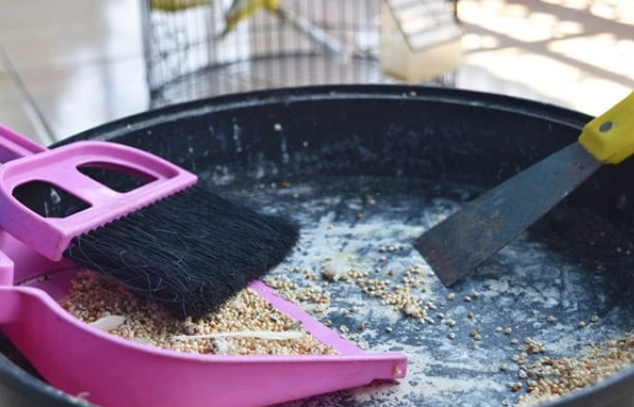
The Weekly "True Clean" Routine (Non-Negotiable)
Even with a self-cleaning base, this is what your Sunday afternoon might look like:
- Remove bird to a safe play area. This is non-negotiable for safety and to reduce stress.
- Take out all perches, toys, and dishes. Soak dishes in hot, soapy water. Wipe down plastic/acrylic toys. Discard shreddable ones that are soiled.
- Address the "self-cleaning" part. For a rolling system, dispose of the full roll of soiled liner. For a drawer, empty it and wipe it down with a bird-safe cleaner (a diluted white vinegar solution works great).
- Clean what the system doesn't. This is the key. Wipe down every bar of the cage, the grate, and any tray edges with your cleaner. Food and water splatter end up here.
- Reload and reassemble. Put in fresh liner, clean perches, and sanitized dishes. Scatter some new foraging toys around.
This takes me about 30 minutes for a large cage now, versus the 45+ minutes of scrubbing a caked-on tray. The time saving is real, but the work isn't zero.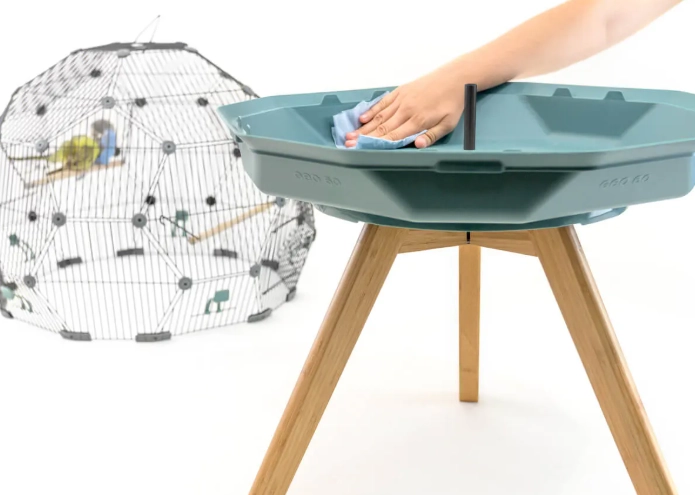
Common Pitfalls & The "Liner Hack"
The biggest mistake? Using the wrong liner. The plastic sheets sold by cage manufacturers are expensive. Many owners, myself included, have found perfectly safe, cheaper alternatives. For rolling systems, a roll of plain, uninked, unscented butcher paper or craft paper often works. For drawers, untaped, plain brown paper grocery bags or puppy pee pads (ensure they are unscented and the filling is non-toxic if ingested) can be cost-effective. Always test a small section first to ensure it feeds/rolls properly without jamming the mechanism.
Your Self-Cleaning Cage Questions, Answered

Join the Conversation