Quick Navigation
- First, Play Detective: What's Actually Wrong?
- The Cornerstone of Home Care: Support, Not Miracle Cures
- The Home Medicine Cabinet: What's Safe and What's Poison
- Targeted Home Remedies for Common Issues
- The Red Flags: When “Home” Becomes “Emergency Room”
- Answering Your Burning Questions
- Building Your Dog's Home Care Kit
- The Final Word: Trust Your Gut (And Your Vet's)
Let's be honest, seeing your dog feeling under the weather is one of the worst feelings as a pet parent. That usual wagging tail is still, the bright eyes are dull, and they just want to curl up in a corner. Your first instinct is to help, right? But the vet's office is closed, it's the middle of the night, or maybe you just want to see if it's something you can handle first. Figuring out how to cure a sick dog at home becomes your top priority.
I've been there. My Labrador, Max, once decided to eat half a rotting pumpkin from the garden. The results were... messy. That experience taught me a lot about what you can and absolutely should not do when your dog is sick. This guide is everything I wish I'd known back then, compiled from vet advice, reliable resources, and hard-earned experience.
The key thing to remember? This isn't about replacing your veterinarian. It's about being a prepared, knowledgeable first responder for your furry family member. Knowing how to cure a sick dog at home effectively starts with knowing when home care is appropriate and when it's a red flag for professional help.
First, Play Detective: What's Actually Wrong?
You can't start treatment if you don't know what you're treating. “Sick” is vague. Is it an upset stomach? A mild bug? Allergies? The first step in learning how to cure a sick dog at home is becoming a keen observer.
Look for these common signs:
- The Gut Stuff: Vomiting (is it food, bile, foam?), diarrhea (consistency, color, frequency), loss of appetite, or excessive drooling.
- Energy & Behavior: Lethargy (more than just a lazy day), hiding, whining, restlessness, or seeming "off."
- The Physical Signs: Warm/dry nose (not always reliable, but a combo sign), dull eyes, coughing, sneezing, limping, or excessive scratching.
Jot down what you see and when it started. This log will be gold if you end up needing to call the vet.
The Cornerstone of Home Care: Support, Not Miracle Cures
Most mild illnesses in dogs, like mild gastroenteritis or a slight cold, are resolved by the dog's own immune system. Your job is to create the optimal environment for that to happen. Think of yourself as the supportive nursing staff.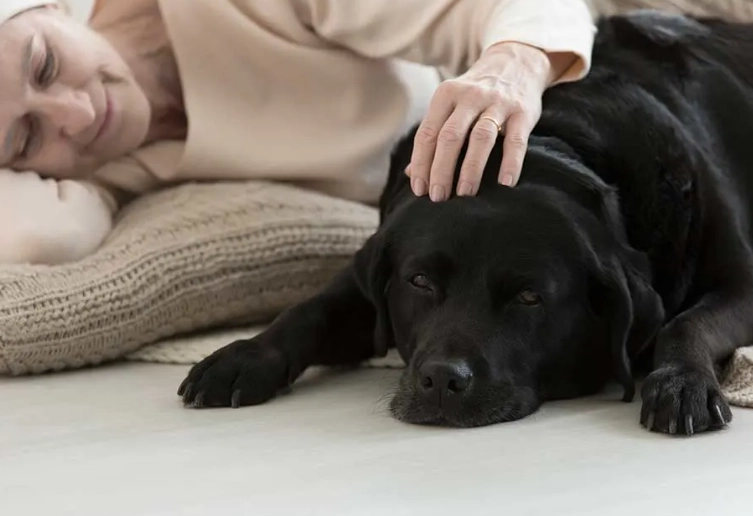
1. The Food & Water Protocol
This is where most people get it right—or terribly wrong. The goal isn't to force-feed, but to gently encourage and rehydrate.
After the fasting period, you don't jump back to kibble. You reintroduce food with a bland diet. The classic is plain boiled white meat chicken (no skin, no bones, no seasoning) mixed with plain, cooked white rice. Portions should be small—think a few tablespoons for a medium dog—and offered frequently, like every 3-4 hours.
Bone broth (low-sodium, onion/garlic-free) is a fantastic way to get fluids and nutrients into a dog who's hesitant to drink. You can find good recipes on the American Kennel Club (AKC) website.
What if they won't eat the bland diet? Try hand-feeding. Sometimes the encouragement helps. If they refuse entirely for more than 48 hours, it's vet time.
2. Hydration is Everything
Dehydration can turn a mild issue serious fast. Check their gums: they should be slick and pink, not tacky or pale. Gently pinch the skin at the back of their neck. If it snaps back quickly, they're likely hydrated. If it retracts slowly, they need fluids.
To encourage drinking:
- Add a splash of low-sodium chicken broth to their water.
- Offer ice cubes to lick.
- Use a clean syringe (no needle) to dribble small amounts of water or electrolyte solution (made for pets, not humans) into the side of their mouth.
3. Create a Sick Bay
Set up a quiet, comfortable, and easily cleanable space. Think a cozy crate or a corner with their favorite bed and plenty of old towels. Keep them away from drafts and other pets. Limit excitement and stress. Sometimes, just being left alone to rest in peace is 80% of the cure.
The Home Medicine Cabinet: What's Safe and What's Poison
This is the most dangerous part of trying to figure out how to cure a sick dog at home. Human medications can be deadly for dogs. I'm going to be very clear here.
| Condition/Symptom | Potentially SAFE (With Vet Approval) | NEVER SAFE (Toxic) |
|---|---|---|
| Upset Stomach / Diarrhea | Plain canned pumpkin (not pie filling), Probiotics (pet-specific), Slippery Elm Bark powder | Pepto-Bismol (can cause salicylate toxicity), Imodium/Loperamide (can be toxic in some breeds/doses) |
| Allergies / Itching | Oatmeal baths, Coconut oil (topically for pads), Antihistamines like Benadryl (Diphenhydramine) ***ONLY at a vet-calculated dose*** | Most human allergy meds, Topical creams with steroids |
| Minor Pain | Rest, Cold compress | Ibuprofen (Advil), Naproxen (Aleve), Acetaminophen (Tylenol) – ALL HIGHLY TOXIC |
See that "With Vet Approval" note? It's not a suggestion. Before you give your dog any human medication, even Benadryl, you must call your vet to get the correct dosage for your dog's specific weight. The ASPCA Animal Poison Control Center website is an essential bookmark—it lists hundreds of household dangers.
Targeted Home Remedies for Common Issues
Let's get specific. Here’s a breakdown for a few common scenarios where knowing how to cure a sick dog at home can really help.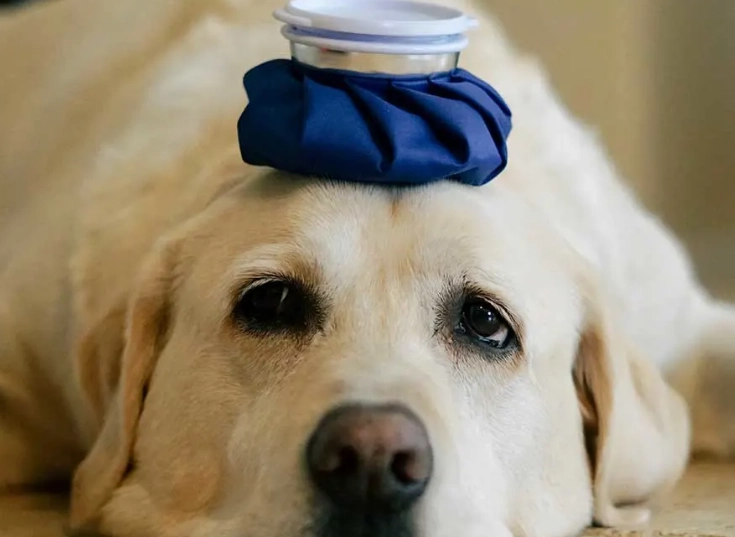
For a Dog with Vomiting or Diarrhea
Follow the food/water protocol above strictly. Beyond that, pure canned pumpkin (a tablespoon for small dogs, a quarter cup for large ones) is magic. The fiber can help firm up stools. A probiotic supplement designed for pets can help repopulate the good gut bacteria. Keep them on the bland diet for 2-3 days after symptoms resolve before slowly mixing their regular food back in.
For a Dog with a Mild Cough or Cold
Increase humidity. Run a humidifier in the room where they sleep. A steamy bathroom (let the shower run hot with the door closed, then sit with them in the steamy room for 10-15 minutes) can loosen congestion. Make sure they are warm and resting. Encourage fluids even more. If a cough persists beyond a few days or is harsh and frequent, it could be kennel cough or something more serious.
For a Dog with Low Appetite
Sometimes it's about making food more enticing. Gently warming the bland chicken and rice can release more aroma. Hand-feeding often works. You can also try a tiny bit of plain, fat-free yogurt (if they're not lactose intolerant) or a vet-recommended appetite stimulant in severe cases.
The Red Flags: When “Home” Becomes “Emergency Room”
This is the most important section. Knowing when to stop trying to cure a sick dog at home is more critical than knowing how to start.
- Repeated, projectile, or bloody vomiting.
- Bloody diarrhea or diarrhea that is black and tarry.
- Signs of severe pain: crying, shaking, hunched posture, aggression when touched.
- Difficulty breathing, excessive panting, or blue-tinged gums.
- Collapse, loss of balance, seizures, or obvious disorientation.
- Suspected poisoning (you saw them eat something toxic).
- Bloated or distended abdomen, especially if they're trying to vomit but can't.
- No improvement after 24-48 hours of careful home care.
I know the cost of an emergency vet visit is daunting. But the cost of waiting too long can be your dog's life. Trust me, the guilt of waiting is far heavier than the bill.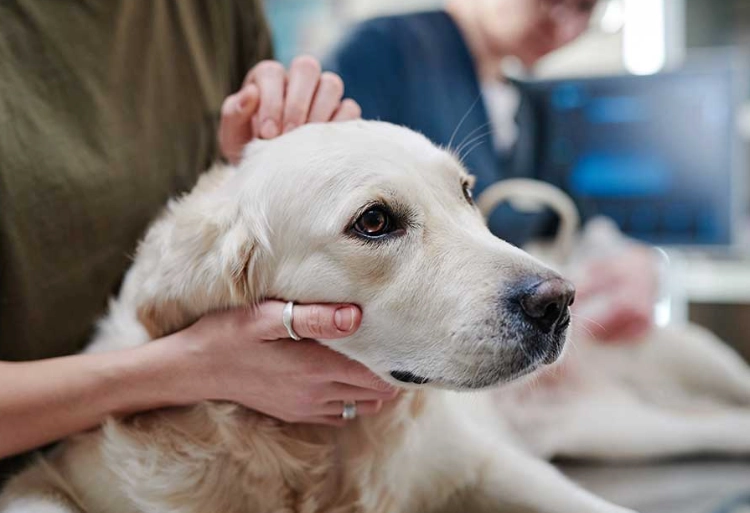
Answering Your Burning Questions
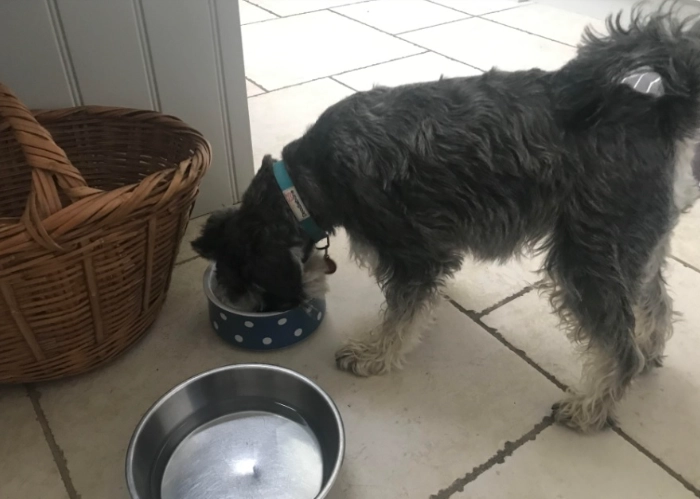
Let's tackle some specific questions that pop up all the time when people search for how to cure a sick dog at home.
Building Your Dog's Home Care Kit
Being prepared makes everything less stressful. Here’s what to have on hand:
- Basic Supplies: Digital pet thermometer (rectal), lubricant (like KY jelly), blunt-tip scissors, tweezers, gauze pads, self-adhering bandage wrap (vet wrap), a muzzle (a scared, painful dog may bite).
- Food & Hydration: A can of plain pumpkin, a packet of plain rice, a jar of low-sodium chicken broth, unflavored Pedialyte or a pet electrolyte solution.
- Information: Your vet's phone number, the number for the nearest emergency animal hospital, and the ASPCA Animal Poison Control hotline (888-426-4435) saved in your phone.
The Final Word: Trust Your Gut (And Your Vet's)
Learning how to cure a sick dog at home is an act of love. It's about providing comfort and skilled first aid. The process isn't about fancy tricks; it's about the basics: rest, hydration, bland food, and vigilant observation.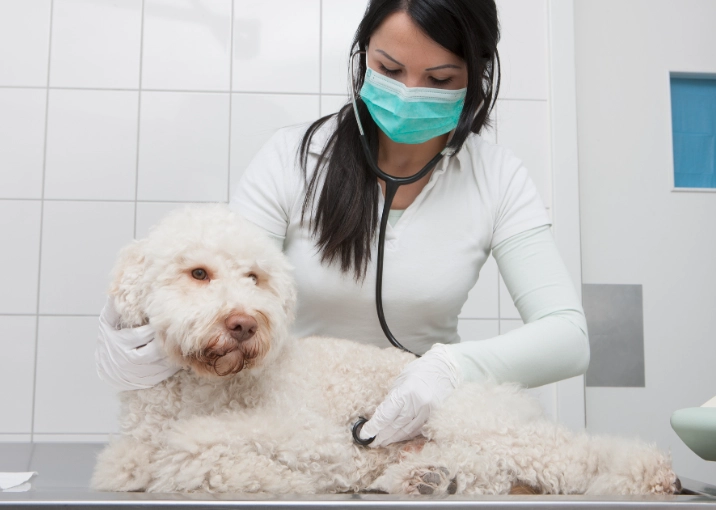
Your most powerful tool is your knowledge of your own dog. You know their normal. You're the first to spot when something's off. Combine that intuition with the practical steps here, and a heavy dose of caution, and you'll be able to navigate many of the minor bumps in the road.
But never let your desire to fix things at home override the clear signs that professional help is needed. The best pet parents know how to provide care at home and, just as importantly, know when to hand over the reins to the experts. Your dog's health is always worth that call.



Join the Conversation