Let's be honest, the idea of a small, furry friend is incredibly appealing. They're often marketed as low-maintenance, perfect for apartments, and great for kids. But walk into any pet store, and you're faced with a wall of tiny creatures—hamsters scurrying on wheels, guinea pigs munching hay, rabbits twitching their noses. Which one is actually the right fit for your home? The truth is, each species has a distinct personality and a specific set of needs that go far beyond just a cage and some food. Picking the wrong one can lead to a stressed pet and a frustrated owner. I've seen it happen too many times. This guide cuts through the cute marketing and gives you the real-world details on the most popular small mammal pets, based on over a decade of experience working with rescue organizations and talking to countless owners.
What’s Inside This Guide
The Species Showdown: A Detailed Comparison
Forget vague descriptions. Here’s a breakdown of the eight most common small mammal pets, with the nitty-gritty details you need. Think of this as your cheat sheet.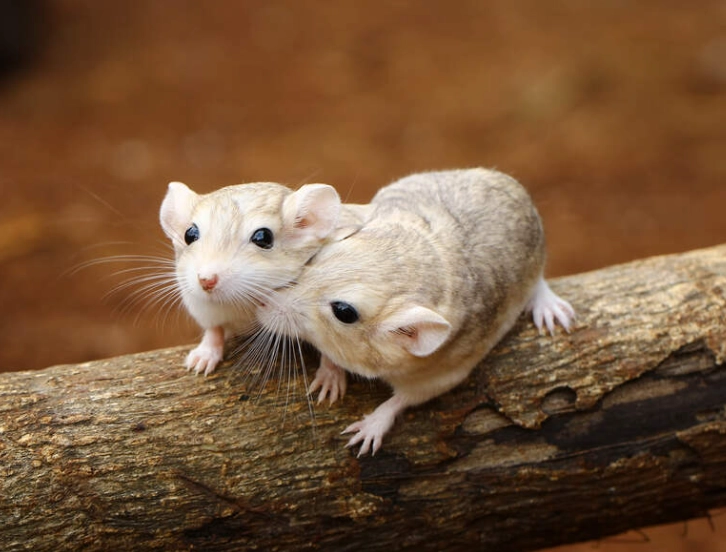
| Species | Average Lifespan | Key Personality Traits | Space & Housing Minimum | Social Needs | Biggest Pro | Biggest Con |
|---|---|---|---|---|---|---|
| Syrian Hamster | 2-3 years | Solitary, nocturnal, can be territorial. Some are handleable with patience. | A 40-gallon breeder tank or equivalent bin cage (100cm x 50cm floor space). | Must live alone. Will fight if housed together. | Great for observing fascinating nocturnal behaviors. | Sleeps all day, active (and noisy) all night. |
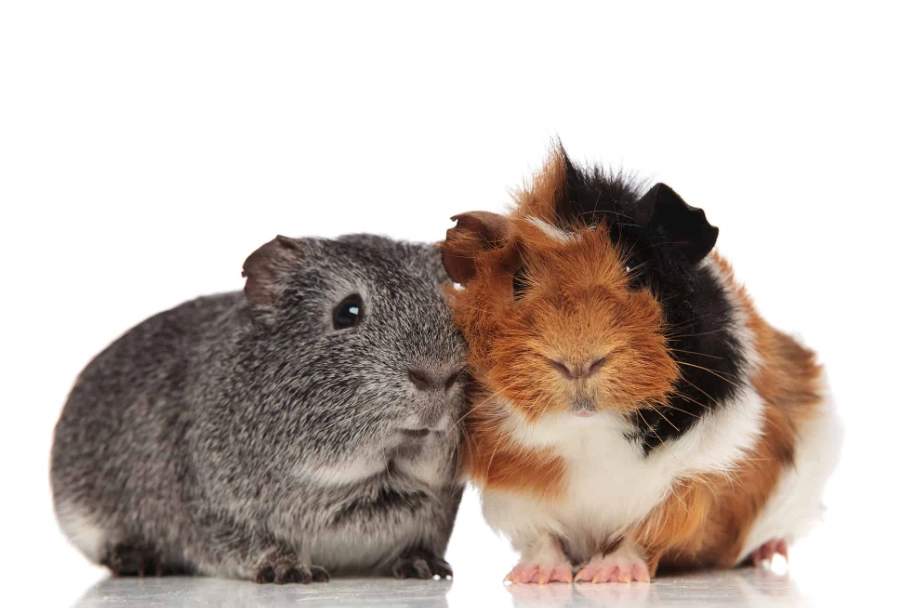
| Guinea Pig | 5-8 years | Social, vocal (wheeks for food!), generally docile and less prone to biting. | A pair needs at least 8 sq ft (e.g., 30"x50" C&C cage). More is always better. | Highly social. Must be kept in same-sex pairs or groups. Cruel to keep alone. | Interactive, communicative, and often quite cuddly. | Messy! Produces a lot of waste and needs daily spot cleaning. |
| Dwarf Rabbit | 8-12 years | Curious, playful, can be litter-trained. Personality varies from aloof to dog-like. | An exercise pen (x-pen) is ideal, not a small hutch. Needs daily free-roam time. | Can be kept alone with ample human interaction, but often thrive with a bonded partner. | Long-lived, intelligent, and can form a deep bond. | Requires significant time, space, and vet care (exotic vets are a must). |
| Gerbil | 3-4 years | Active, inquisitive, diurnal (active day & night in bursts). Love to dig and burrow. | A 20-gallon long tank minimum for a pair, filled deep with bedding. | Highly social. Should be kept in same-sex pairs or small groups from a young age. | Entertaining to watch their complex tunneling and social play. | Very fast and jumpy, not always the best for young children to hold. |
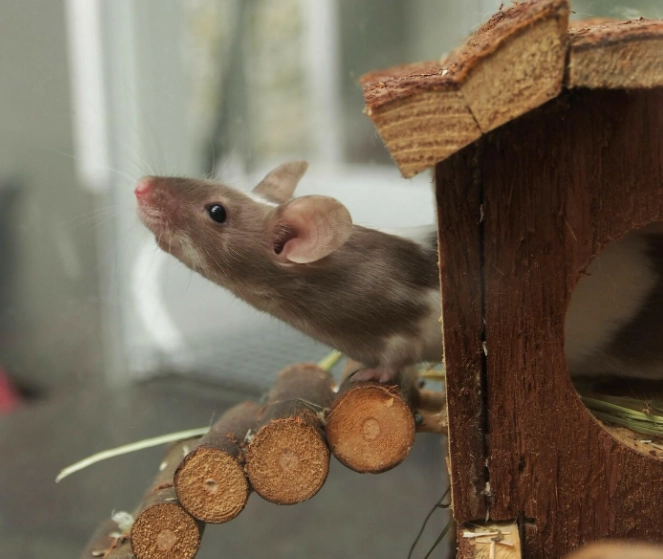
| Fancy Mouse | 1.5-2.5 years | Intelligent, social, and surprisingly clean. Can learn tricks. | A tall, multi-level cage (like a barred rat cage) for climbing. | Female mice do well in groups. Males often fight and must be housed alone. | Incredibly smart and active, creating elaborate nests. | Short lifespan and a distinct musky odor, especially from males. |
| Fancy Rat | 2-3 years | Affectionate, highly intelligent, playful. Often called "pocket dogs." | A large, multi-level rat cage (like a Critter Nation single). | Extremely social. Must be kept in same-sex pairs at minimum. | Unmatched intelligence and bonding potential for a small pet. | Prone to respiratory tumors and illnesses; vet bills can add up. |
| Chinchilla | 15-20 years | Skittish, softest fur imaginable, nocturnal/crepuscular. Not typically cuddly. | A tall, multi-level chinchilla cage (metal, not plastic). | Can be kept alone or in pairs. Introductions are tricky. | Hypoallergenic fur, incredibly long-lived, and dust baths are fun to watch. | Very sensitive to heat and humidity; requires strict temperature control. |
| African Pygmy Hedgehog | 3-6 years | Solitary, nocturnal, can be prickly (literally and figuratively). Taming requires work. | A large plastic bin or smooth-walled cage (at least 4 sq ft). | Must live alone. They are not social animals. | Unique and fascinating insectivore behavior. | Legal restrictions in some areas, specific diet (insects), and can be difficult to handle. |
That table gives you the facts, but it doesn't tell the whole story. The biggest mistake I see? People buy the cage advertised on the box. For a Syrian hamster, that colorful plastic prison with tubes is almost always woefully inadequate. They need unbroken floor space to run. For guinea pigs, the standard pet store cage is a recipe for boredom and obesity. Resources from organizations like the Royal Society for the Prevention of Cruelty to Animals (RSPCA) and the American Society for the Prevention of Cruelty to Animals (ASPCA) provide excellent, science-backed guidelines on minimum space requirements that far exceed what's commercially marketed.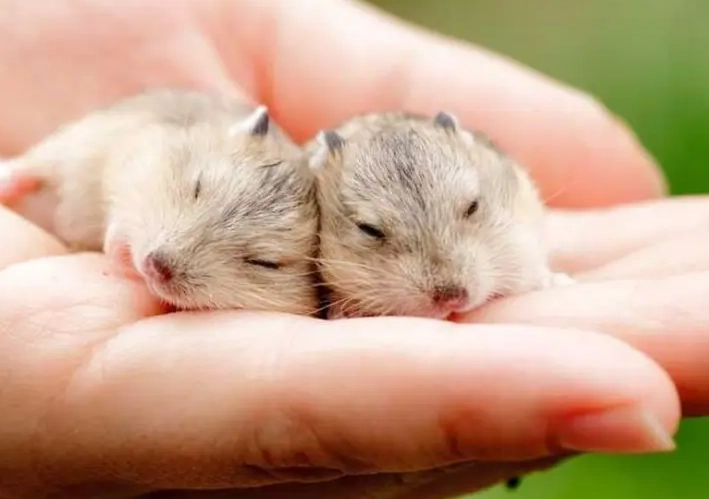
How to Choose the Right Pet for Your Lifestyle
Now, match the species to your reality. Ask yourself these questions honestly.
Who is the primary caretaker?
If it's for a child under 10, you, the adult, are the real owner. Choose a pet that matches your capacity for care. A guinea pig or a rat pair might be better than a fragile, nocturnal hamster that sleeps through a child's playtime.
What's your daily schedule like?
Nocturnal pets (hamsters, hedgehogs, chinchillas) are active when you sleep. If your bedroom is also the pet's room, a silent wheel is non-negotiable. I learned this the hard way with my first hamster, whose rusty wheel sounded like a freight train at 2 AM. Diurnal pets (gerbils, guinea pigs) are more aligned with human schedules.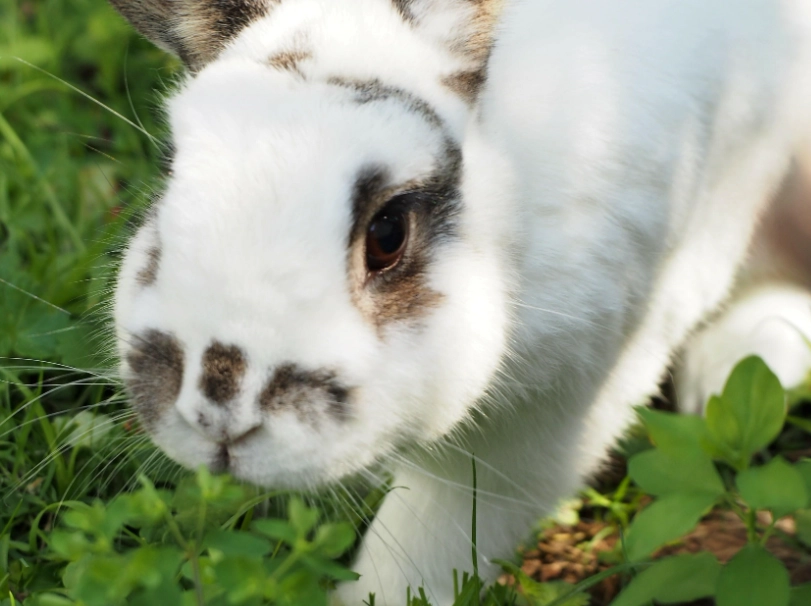
What's your budget for the long term?
The initial cost is nothing. A proper cage for a rabbit can cost $200. A bag of quality hay is $20 a month. Then there's vet care. An exotic vet visit for a simple checkup can be $80, and emergency surgery can run into the hundreds. A chinchilla's 20-year lifespan is a serious commitment.
Beyond the Basics: What Pet Stores Don't Tell You
Here’s where experience talks. These are the subtle, often overlooked aspects of small pet care.
Diet is not just pellets. For guinea pigs and rabbits, hay (timothy, orchard grass) should be 80-90% of their diet and must be available 24/7 for proper digestion and dental wear. Pellets are just a supplement. Fresh veggies are crucial for guinea pigs to get Vitamin C—they get scurvy without it. Hamsters and gerbils need a seed/mix diet, but they often selectively eat, so you have to manage it.
Enrichment is everything. A bored pet is a destructive or depressed pet. This isn't optional. Foraging toys, chew toys (apple wood, hay cubes), dig boxes (chinchillas, gerbils), tunnels, and safe platforms turn a cage into a home. A hamster with just a wheel and a hideout is living in a barren cell.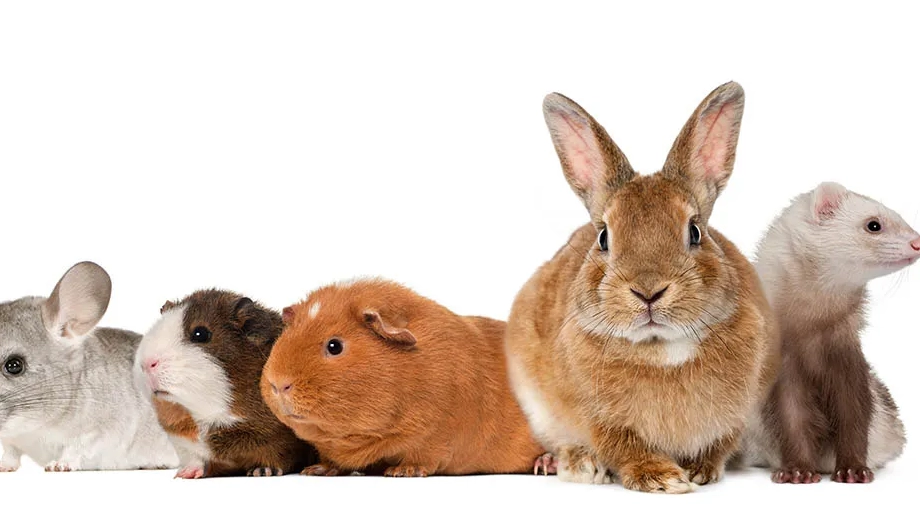
The bonding process takes time. You can't force it. With a new pet, especially a prey animal, spend the first few days just talking to them. Offer treats from your hand without grabbing. Let them come to you. Trying to cuddle a scared guinea pig on day one will only teach it to fear you. For rats, the bond can be incredible, but it starts with patience and positive association.
Common Mistakes New Owners Make (And How to Avoid Them)
- Putting two Syrian hamsters together: It says it on every care sheet, but people still think theirs will be friends. They won't. They will fight to the death. It's not a question of if, but when.

- Using cedar or pine shavings: The phenols in these softwoods can cause severe respiratory and liver issues in small animals. Use aspen shaving, paper-based bedding, or fleece liners instead.
- Not finding an exotic vet BEFORE you get the pet: Your regular dog-and-cat vet likely isn't trained for rabbits or rodents. Find one who is, and know their location and emergency hours. Have a savings fund just for pet health.
- Assuming a small cage is okay: Bigger is always, always better. The minimums are just that—minimums. Your pet's behavior (bar chewing, pacing, aggression) often improves dramatically with more space.
- Feeding too many sugary treats: Those yogurt drops and seed sticks sold for hamsters and rabbits are like candy. They cause obesity and diabetes. Use a piece of vegetable or a plain cheerio as a treat instead.


Join the Conversation