So you're thinking about getting a milk snake. Good choice. I remember scrolling through forums and care sheets years ago, feeling a mix of excitement and that nagging worry of messing things up. Let's cut through the noise. A milk snake for beginners is often touted as the "perfect" starter snake, and for the most part, that's true. But is that all there is to it? Not quite.
This guide isn't just a rehash of the same old facts. We're going to walk through the real, practical steps of milk snake care, from the moment you decide to get one to handling your first shed cycle. I'll even tell you where most people (including me, at first) go wrong. Forget the fluff.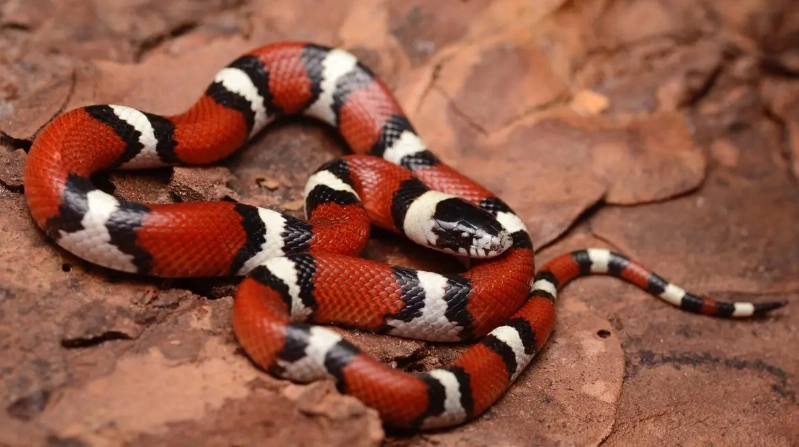
In This Guide
- Before You Buy: Picking Your Perfect Milk Snake
- The Non-Negotiable: Setting Up the Perfect Enclosure
- Feeding Your Milk Snake: From Pinkies to Adults
- Handling and Building Trust
- Health and Shedding: What's Normal, What's Not
- Milk Snake Beginner FAQ: Your Real Questions Answered
- Final Thoughts for the Aspiring Keeper
Before You Buy: Picking Your Perfect Milk Snake
This is where the journey starts, and rushing it is mistake number one. You see a pretty picture online and just click "buy." I've been there. Don't do that. Taking time here saves you headaches later.
First, know your options. The term "milk snake" covers about two dozen subspecies, but only a handful are common in the pet trade. For a true milk snake for beginners, you want one that's known for a good temperament and isn't overly shy.
Top Beginner-Friendly Milk Snake Subspecies
| Subspecies | Typical Adult Size | Key Temperament Notes | Why It's Good for Beginners |
|---|---|---|---|
| Pueblan Milk Snake | 3 - 4 feet | Generally calm, active at dusk/dawn. | Very common, beautiful tri-color bands, usually great feeders. |
| Honduran Milk Snake | 4 - 5 feet | Can be a bit more nervous but usually settles. | Stunning color morphs (like tangerine), robust and hardy. |
| Nelson's Milk Snake | 3 - 3.5 feet | Docile and often quite handleable. | Smaller size, predictable nature, attractive patterning. |
| Sinaloan Milk Snake | 3 - 4 feet | Can be feisty as juveniles but calm with handling. | Extremely vibrant red bands, a classic and hardy choice. |
My first was a Pueblan. I chose it because everyone said they were bulletproof for new owners. They were right. It ate its first meal with me without hesitation, which is a massive confidence booster when you're starting out.
Where to Get Your Snake: Breeder vs. Pet Store
This is a big one. A big-box pet store is convenient, but you often don't know the snake's history, its exact age, or how it was kept. I made my first purchase from a store, and the snake had mites. It was a whole ordeal to treat.
Finding a reputable breeder is worth the extra effort. You can ask questions, see the parents, and know the hatch date. The snake is likely already eating frozen/thawed rodents reliably. Sites like MorphMarket are great, but do your homework on the seller's reviews. A good breeder is your first line of support.
Ask to see it eat if you can. A snake that refuses food might just be stressed in a store, but it's a risk you don't need as a beginner.
The Non-Negotiable: Setting Up the Perfect Enclosure
Get this right before the snake comes home. Nothing stresses you and the snake more than scrambling to fix temperatures on day one. The setup is more important than the snake's color. Seriously.
Think of the enclosure as creating a slice of their natural environment. Milk snakes are found from Canada to South America in forests, fields, and rocky areas. They need security and a temperature gradient.
Tank, Tub, or PVC? Housing Options
For a baby milk snake, a 10-20 gallon tank is fine. But glass tanks are terrible at holding heat and humidity. You'll fight it. I started with a 20-gallon long tank with a screen top and spent a fortune on heat lamps trying to keep the warm end hot enough.
Many experienced keepers use plastic tubs (Sterilite, Really Useful Box) with ventilation holes melted in. They're cheap, hold heat and humidity amazingly well, and make the snake feel secure. It's not pretty, but it's functional. The best middle-ground option is a PVC enclosure. They're front-opening, hold conditions perfectly, and look clean. More expensive upfront, but you'll save on heating costs and frustration.
The Heating & Lighting Deep Dive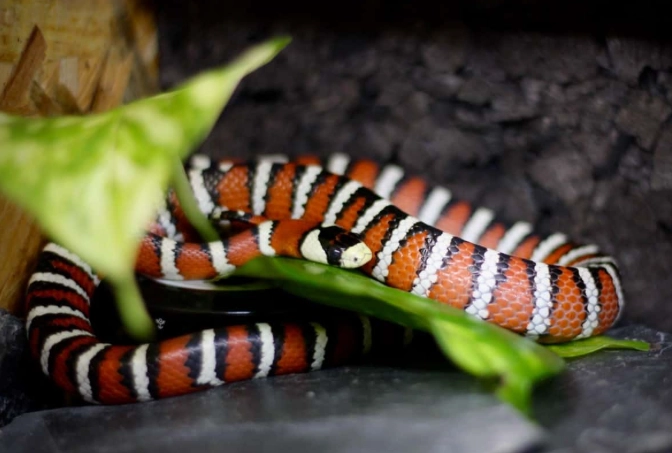
Snakes are ectotherms. They can't make their own heat. You must provide a warm area for digestion and a cooler area for resting. This gradient is the single most important part of your setup.
- Warm Side: 85-88°F (29-31°C). Use an under-tank heat pad (UTH) or a ceramic heat emitter (CHE) on a thermostat. Never plug a heat mat directly into the wall. A thermostat controls the temperature and prevents burns. The Reptifiles guide to thermostats explains why this is the most critical piece of equipment you'll buy.
- Cool Side: 70-75°F (21-24°C).
- Night Drop: It's okay if the overall temp drops to the low 70s at night. Don't leave heat lamps on 24/7.
You don't need special UVB lighting for milk snakes, but a simple LED light on a 12-hour cycle helps establish a day/night rhythm and shows off their colors.
Substrate, Hides, and “Clutter”
Substrate is the bedding. Avoid cedar and pine shavings—the oils are toxic. Aspen shutters are popular—they're cheap, hold burrow shapes well, and are easy to spot-clean. Coconut fiber holds humidity better if you're struggling with dry air.
Now, hides. You need at least two: one on the warm end, one on the cool end. They should be snug—the snake should touch the sides when curled up. A hide that's too big is useless. I used to use fancy half-log hides. They look nice but are too open. My snake never used them. Switched to simple, opaque plastic boxes with an entrance hole cut in, and suddenly he was always in them. Lesson learned.
“Clutter” is just stuff—fake plants, branches, cork bark rounds. It makes the snake feel hidden as it moves around. A bare tank is a stressed snake.
Don't forget a heavy, tip-proof water bowl big enough for the snake to soak in if it wants.
Feeding Your Milk Snake: From Pinkies to Adults
This is the part most beginners are nervous about. It's natural. You're offering a dead rodent to a predator. But it's simple once you get the routine down.
Milk snakes are carnivores. In the wild, they eat rodents, birds, eggs, even other reptiles. In captivity, we feed them frozen-thawed rodents. It's safer (no risk of the mouse biting the snake) and more convenient.
The Step-by-Step Feeding Routine
- Source: Buy frozen mice (“pinkies” for babies, “fuzzies,” “hoppers,” etc.) from a pet store or online rodent supplier. Keep them in your freezer. Yes, it's weird at first. Tell your housemates.
- Thawing: Move a mouse from freezer to fridge the night before feeding. A few hours before feeding, place the bagged mouse in a plastic container of warm (not hot!) water for 30-60 minutes until it's completely soft and warm to the touch.
- Offering: Use long feeding tweezers. Gently wiggle the mouse in front of the snake. Most milk snakes will strike and constrict quickly, even if the prey is already dead. It's instinct.
- Post-Meal: Do not handle the snake for at least 48 hours. Let it digest in peace. Disturbance can cause regurgitation, which is serious.
How often? Babies (under 1 year): Every 5-7 days. Juveniles (1-2 years): Every 7-10 days. Adults (2+ years): Every 10-14 days. A good rule is to offer a prey item that is slightly wider than the snake's body at its widest point.
What if your milk snake for beginners won't eat? Don't panic immediately. Snakes can go off food for many reasons: they're in shed (their eyes turn milky blue), the temperatures are off, they're stressed, or it's breeding season (winter). Check your husbandry first. If everything is perfect, try leaving the thawed mouse in the enclosure overnight in a small dish. Sometimes they're shy eaters.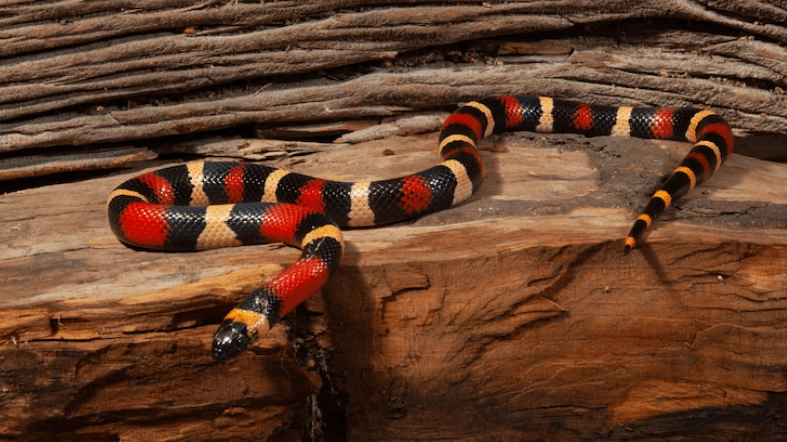
Handling and Building Trust
You want to hold your snake, right? Of course. But patience is key. When you first bring your milk snake home, leave it completely alone for a full week. No handling, no poking, just change water. Let it settle in and take its first meal.
After that first successful feed and 48 hours of digestion, you can start short handling sessions.
- Wash your hands first (so you don't smell like food).
- Approach from the side, not from above (like a predator would).
- Be confident and gentle. Support its body fully. Let it move through your hands.
- Keep initial sessions to 5-10 minutes, a few times a week.
Young milk snakes can be squirmy and fast. Handle them over a soft surface or while sitting on the floor. They may musk (release a stinky substance) when scared. It's gross but harmless. They usually grow out of it with regular, calm handling.
The goal isn't to make a cuddly pet. It's to have a snake that is calm and tolerant of necessary interaction for cage cleaning and health checks. Most do become quite handleable.
Health and Shedding: What's Normal, What's Not
A healthy milk snake is alert, has clear eyes (except in shed), a clean vent, and a firm body. It should flick its tongue frequently when exploring.
The Shedding Cycle
Growing snakes shed their skin. It's a sign of health. The cycle goes: dull skin > milky blue eyes ("in blue") > eyes clear > shed a few days later. During "blue," their vision is poor, and they are often cranky and may refuse food. Do not handle them during this time.
To ensure a good shed, provide a humid hide—a hide box filled with damp (not wet) sphagnum moss. When ready, they'll rub their nose on something rough and crawl right out of their old skin. The shed should come off in one complete piece, including the eye caps. If it's stuck in patches, your humidity is too low. Give a lukewarm shallow soak for 15-20 minutes and gently help rub it off with a damp cloth.
Common Health Issues to Watch For
- Mites: Tiny black/red parasites crawling on the snake or seen as black specks in the water bowl. Quarantine new snakes! Treatment involves deep cleaning the enclosure and using reptile-safe mite sprays.
- Respiratory Infection (RI): Wheezing, bubbles in mouth/nose, holding head up. Caused by temperatures that are too cold or chronic low humidity. Requires a vet visit for antibiotics.
- Stuck Shed: As mentioned, usually a humidity issue. Pay special attention to the tail tip—retained shed here can cut off circulation.
- Regurgitation: The snake vomits up its meal. Caused by handling too soon after eating, temperatures too low for digestion, or a prey item that's too large. It's stressful for the snake. Wait two weeks before offering a smaller meal.
Find a reptile vet (an exotics vet) before you have an emergency. The Association of Reptilian and Amphibian Veterinarians (ARAV) has a find-a-vet tool. It's a crucial resource.
 Let's talk about some of the questions I had when I started, and the ones I see pop up all the time.
Milk Snake Beginner FAQ: Your Real Questions Answered
Final Thoughts for the Aspiring Keeper
Starting with a milk snake for beginners sets you up for success. They forgive minor mistakes as you learn, but they still require consistent, proper care. The initial setup is the biggest hurdle—get the heating and security right, and everything else falls into place.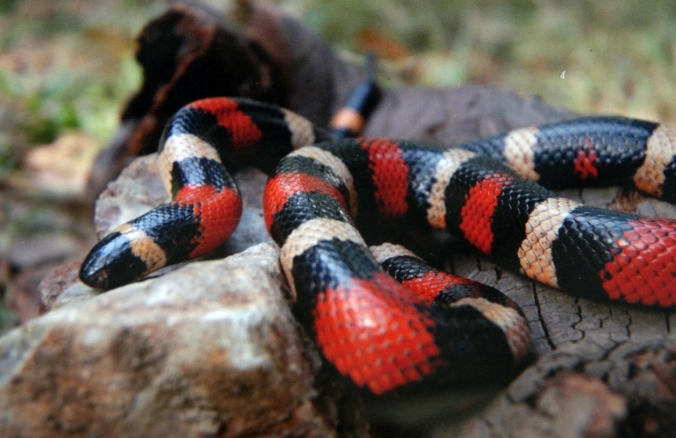
The joy comes from watching this beautiful, quiet creature thrive under your care. Seeing a perfect shed, observing its curious tongue flicks when you open the enclosure, and feeling it calmly explore your hands—that's the reward.
Do your research, set up the tank in advance, and buy from a good source. You've got this. Welcome to the fascinating hobby of snake keeping.




Join the Conversation