You see a deer in the woods, a bird at your feeder, or a frog in a pond. It's easy to think they just "live there." But that spot—the habitat—isn't random. It's a complex package deal that must provide five non-negotiable things. Miss one, and the animals leave or die. Get them right, and you see life explode. I've spent years watching this play out on my own land and in conservation projects. The framework isn't new, but where most guides stop at listing them, I want to show you how they actually work together, and the one element almost everyone underestimates.
What You'll Learn in This Guide
- Element 1: Food – More Than Just Calories
- Element 2: Water – The Lifeline in All Forms
- Element 3: Cover – Safety from Everything
- Element 4: Space – The Most Misunderstood Need
- Element 5: Arrangement – How It All Fits Together
- Common Mistakes in Habitat Management
- How to Assess and Improve Habitat
- Your Habitat Questions Answered
These five elements—food, water, cover, space, and arrangement—form the core model used by agencies like the U.S. Forest Service and the National Wildlife Federation. Think of them as a checklist. A rabbit needs grasses (food), a puddle (water), a thick briar patch (cover), enough field to not compete with every other rabbit (space), and all those things close enough that it doesn't get eaten traveling between them (arrangement). Simple, right? The devil is in the species-specific details.
Element 1: Food – More Than Just Calories
Food is the obvious one. But "food" isn't just a generic bucket. It's specific to the season, the life stage of the animal, and its digestive system.
A white-tailed deer's diet shifts drastically: tender green shoots in spring, agricultural crops in summer, acorns and nuts in fall, woody browse (twigs and buds) in winter. Planting a single food plot only addresses one slice of that yearly cycle. A common error is planting what looks good to us, not what's nutritionally critical for them during stress periods, like late winter.
For birds, think layers. Canopy feeders (warblers) eat insects on high leaves. Trunk feeders (nuthatches) probe bark. Ground feeders (towhees) scratch for seeds. A habitat with only a grassy lawn fails two of those three layers. I made this mistake early on, putting up feeders but not planting a single native berry bush. The birds came for the black-oil sunflower seeds, but they nested elsewhere because I hadn't provided the insect larvae they need to feed their chicks—a completely different food source.
Key Food Source Categories
- Natural Browse & Forage: Grasses, leaves, twigs, aquatic plants.
- Hard & Soft Mast: Acorns, nuts (hard); berries, fruits (soft).
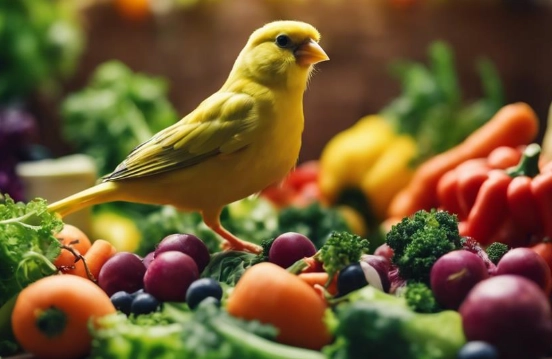
- Insect & Invertebrate Prey: The absolute bedrock for most young birds and amphibians.
- Seeds & Grains: Critical for many small mammals and birds, especially in fall and winter.
- Agricultural Crops: Corn, soybeans, clover—often high-energy supplements.
Element 2: Water – The Lifeline in All Forms
Water needs are just as varied. A pond is great, but it's not the only source. Many animals get most of their water from their food (think juicy plants or prey). Dew on morning grass can be a vital source for insects and small mammals. Snow serves as winter water for many species.
The critical factor isn't just presence; it's accessibility and safety. A steep, muddy bank is a death trap for a small animal trying to drink while exposed to predators. A gently sloping, rocky edge provides safe access. I built a small wildlife pond and watched for weeks before anything used it. Only after I added a shallow, gravel-lined beach and some overhanging brush for cover did it become a hub of activity.
Water quality matters immensely for amphibians and aquatic insects. Runoff from fertilizers or pesticides can create "dead zones" that look like water but are ecological deserts.
Element 3: Cover – Safety from Everything
Cover is shelter. But from what? You have to think like prey.
- Weather Cover: Dense conifers block wind and snow. Thick canopy leaves provide shade in summer.
- Predator Escape Cover: Impenetrable thickets, rock piles, logjams, burrows. This needs to be within a few desperate leaps.
- Resting & Loafing Cover: Where an animal can bed down undisturbed, different from emergency escape cover.
- Reproductive Cover: Nesting sites, dens, lekking grounds. A robin's nest needs a sturdy fork in a tree. A rabbit needs a hidden, dry depression.
The biggest oversight is assuming all cover is equal. A monoculture pine plantation offers weather cover but often zero understory for escape. It's a green desert. Good cover is often "messy"—downed logs, brush piles, native brambles. We instinctively want to clean these up, but that strips away vital habitat. Leaving a dead tree standing (a snag) provides woodpecker nesting cavities and insect food for a decade.
Element 4: Space – The Most Misunderstood Need
This is the element that trips people up. Space isn't just "a big area." It's the minimum amount of territory an individual or population needs to find all the other four elements without unsustainable stress, competition, or conflict.
A mountain lion might need 50 square miles. A songbird might need 5 acres. The required space changes with resource quality. If food, water, and cover are abundant and well-arranged, an animal needs less space. If resources are scattered and scarce, it needs to roam farther, increasing energy expenditure and predation risk.
Fragmentation is the killer. A highway, a housing development, or a large clearcut doesn't just reduce total space; it cuts the remaining space into pieces. An animal that needs 100 contiguous acres might find itself in a 50-acre woodlot, cut off from a water source or a critical seasonal food patch by a road it won't cross. That 50 acres, even if beautiful forest, becomes inadequate habitat. This is why wildlife corridors—strips of habitat connecting larger patches—are so crucial, a point emphasized in research from the Defenders of Wildlife.
The Non-Consensus Point: Most beginners focus obsessively on food and water. Experienced managers know that securing enough usable space, and ensuring it's not fragmented, is often the primary limiting factor, especially for larger species. You can't fix a space problem by just adding more bird feeders.
Element 5: Arrangement – How It All Fits Together
Arrangement is the spatial relationship between the first four elements. It's the practicality of daily life. If food is in Field A, water is in Woods B a mile away, and cover is in Thicket C in the opposite direction, the arrangement is poor. The animal spends too much energy and risk traveling, creating an "energy sink."
Good arrangement means the essentials are within the animal's daily or seasonal movement range. For a cottontail rabbit, that might mean dense cover within 50 feet of a foraging area, with some form of water or succulent plants very close by. For a bear, it might mean a denning area in a remote canyon within a few miles of an autumn oak forest.
This is where habitat management becomes an art. You're not just providing items on a list; you're designing a functional landscape. It often involves creating edge habitat—the transition zones between forest and field, or wetland and upland. These edges naturally concentrate diversity, placing food and cover in close proximity. But too much edge (small, fragmented patches) is bad. It's about balance.
Common Mistakes and How to Avoid Them
Let's get practical. Here are the subtle errors I see most often, even in well-intentioned projects.
| Mistake | Why It's a Problem | The Better Approach |
|---|---|---|
| Planting Only for Show (e.g., non-native ornamentals) |
They often provide no nutritional value to native insects and birds. They can become invasive. | Prioritize native plants. They co-evolved with local wildlife and support the insect base of the food web. |
| Over-Managing & Being Too Tidy (Removing all deadwood, leaf litter) |
This destroys insect habitat, fungal networks, nesting sites, and natural mulch. It sterilizes the ground. | Designate "wild zones." Leave leaf piles, a fallen log, a brush pile in a corner. Embrace some mess. |
| Ignoring Seasonal Needs (Only providing summer resources) |
Creates an ecological trap. Animals are attracted but then starve or freeze in winter when needs change. | Plan for the hardest seasons. Plant evergreens for winter cover, late-fruiting shrubs, and leave seed heads standing. |
| Thinking a Single Feature is Enough ("I built a pond, so I have habitat.") |
It's a start, but a pond alone is just water. Without adjacent cover and food sources, its utility and safety are low. | Always think in clusters. Place water near cover. Edge food plots with thickets. Connect features. |
How to Assess and Improve Habitat on Your Land
Start with a map, even a rough sketch. Walk your property in different seasons and ask the five questions for a target species (e.g., bluebirds, squirrels, frogs):
- Food: Where is it, and is it available year-round?
- Water: Is there a reliable source? Can animals access it safely?
- Cover: From weather? From predators? For nesting?
- Space: Is there enough uninterrupted area for the species' home range?
- Arrangement: Are these things close enough together?
Your first projects should fill the biggest gaps. Often, it's cover. Planting a native hedge row or building a brush pile is cheap and effective. Installing a small, shallow birdbath or creating a seep for water is another great start. The goal is incremental improvement, not instant perfection.
Your Wildlife Habitat Questions Answered
I only have a small backyard. Can it still be good habitat?
Why is space often the limiting factor, and what can I do if I don't own large acreage?
What's the single most impactful thing I can do for general wildlife habitat?
How do I know which native plants to choose for my area?
Is supplemental feeding (bird feeders, salt licks) helping or hurting?
Understanding these five elements transforms how you see the landscape. You stop seeing just trees and fields and start seeing a dynamic, interconnected system of needs being met or going unfulfilled. Whether you're managing 1000 acres or a postage-stamp garden, this framework gives you a powerful, practical lens for making decisions that truly help wildlife not just visit, but thrive.

Join the Conversation