You've probably heard the simple answer: food, water, shelter, and space. It's the classic quartet taught in every elementary school science class. But if you think that's all there is to it, you're missing the deeper story. As someone who's spent over a decade observing animals from backyard squirrels to tropical reef fish, I can tell you that most people—even well-meaning pet owners—get the nuances wrong. They provide the items but miss the quality and context. This misunderstanding is why so many habitat conservation efforts stall and why pets sometimes exhibit stress in seemingly perfect homes.
Let's move beyond the textbook definition. Understanding these four pillars isn't about ticking boxes; it's about seeing the world through the animal's senses. It's the difference between throwing a log into a terrarium and understanding how a reptile uses that log for thermoregulation, security, and hunting ambush points.
Your Quick Guide to Habitat Essentials
1. Food: It's More Than Just Fuel
Okay, obviously animals need to eat. But the critical mistake is thinking "food" is a single, static thing. It's a dynamic system with three layers most guides ignore.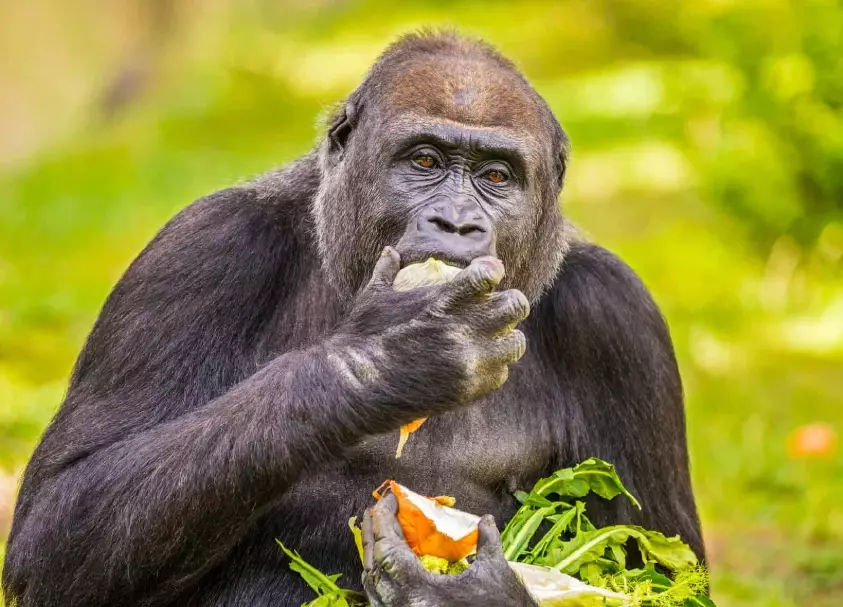
The Three Layers of "Food" in a Habitat
First, there's type and availability. A caterpillar and a hawk don't just eat different things; they access food in fundamentally different ways. One is a slow-moving grazer, the other an apex predator requiring large hunting territories. The habitat must support not just the food item, but the method of acquisition. A pile of seeds is useless to a hummingbird without the nectar-producing flowers that match its beak and hover-and-feed behavior.
Second, and this is huge, is reliability and seasonality. A habitat that floods with berries in summer but is a barren wasteland in winter is not a complete habitat. Animals have evolved with these cycles—through migration, hibernation, or fat storage—but the habitat must facilitate that cycle. When we fragment forests with roads, we break migratory routes. When we feed birds year-round with non-native seeds, we disrupt their natural foraging patterns and can make them dependent.
Third is nutritional quality and safety. This is a major pitfall for pet owners. That commercial pet food might meet "nutritional standards," but does it provide the right fiber for gut motility? The right hardness for dental wear? In the wild, animals self-select a varied diet. A rabbit doesn't just eat "grass"; it eats specific herbs, young shoots, and even its own cecotropes to re-ingest vital nutrients. A study by the National Wildlife Federation emphasizes that native plants support 35 times more caterpillar biomass than non-natives, which is critical food for nesting birds. Providing the wrong food is like giving a mechanic a butter knife instead of a wrench.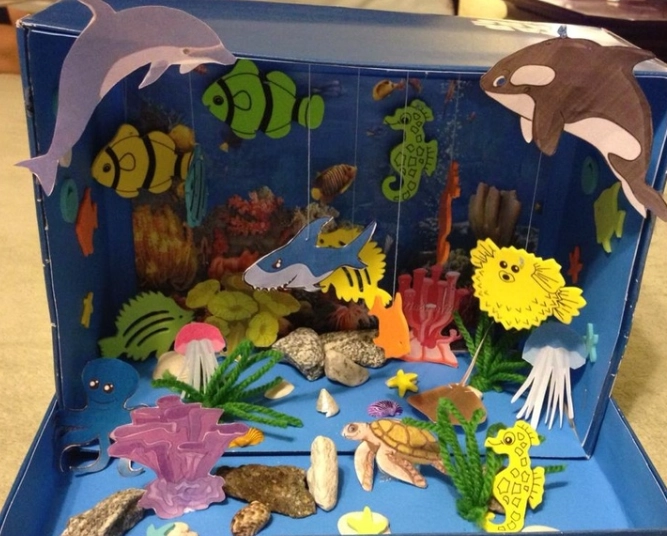
2. Water: The Often-Overlooked Lifeline
Water is the silent partner in the habitat quartet. It's often treated as an afterthought—just a bowl or a pond. But its role is multifaceted: drinking, bathing, regulating body temperature, and even as a hunting ground or nursery.
The biggest error I see? Assuming "water is water." The quality and accessibility of water sources are paramount. Stagnant water breeds parasites like giardia, which can decimate populations. Flowing, aerated water is typically safer. For a frog, water isn't just for drinking; it's the medium through which it breathes (through its skin) and reproduces (eggs need specific water conditions). A dog's water bowl left in the sun grows bacteria and algae, making it unpalatable and unhealthy.
Then there's strategic placement. In arid habitats, water sources become hubs of activity and potential conflict. Predators know to lurk near waterholes. Prey animals need secure access—cover to approach from and clear sightlines to spot danger. For a pet like a hamster, placing the water bottle right next to its sleeping area might seem convenient, but it can lead to damp bedding and health issues. It needs to be accessible but not in the core sleeping zone.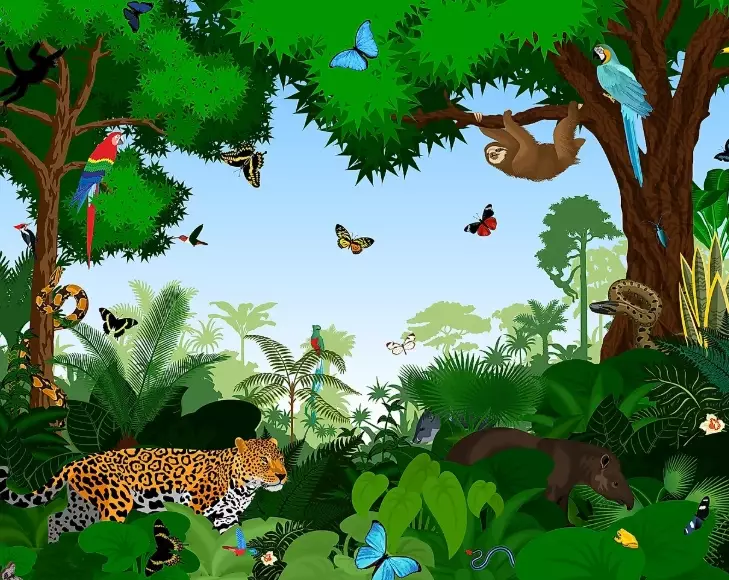
3. Shelter: Safety, and So Much More
Here's where the oversimplification really hurts. Shelter isn't just a "house." It serves at least four distinct, critical functions that are often bundled together incorrectly.
| Shelter Type | Primary Function | Example | Common Human Error |
|---|---|---|---|
| Refuge from Weather | Protection from sun, rain, wind, extreme temperatures. | Dense foliage, burrows, caves. | Providing an uninsulated dog house that's freezing in winter and an oven in summer. |
| Protection from Predators | A hidden, defensible space to escape or hide. | Thorny thickets, complex rock crevices, high tree cavities. | Using a single, open hiding spot in a reptile tank that offers no alternative escape routes. |
| Rearing Young | A secure, stable environment for nests, dens, or nurseries. | Bird nests, rabbit warrens, hollow logs. | Disturbing potential nesting sites during spring cleaning or landscaping. |
| Resting & Observation Post | A comfortable, vantage point for sleeping or surveying territory. | Tree branches, rocky outcrops, tall grass. | Not providing vertical space (like cat trees) for cats who feel secure up high. |
One animal often uses multiple shelters for different purposes. A fox might have a main earth for raising kits, several smaller bolt-holes for quick escapes while hunting, and favorite sunny spots on logs for napping. If you only provide one type, you're only meeting a fraction of its shelter needs.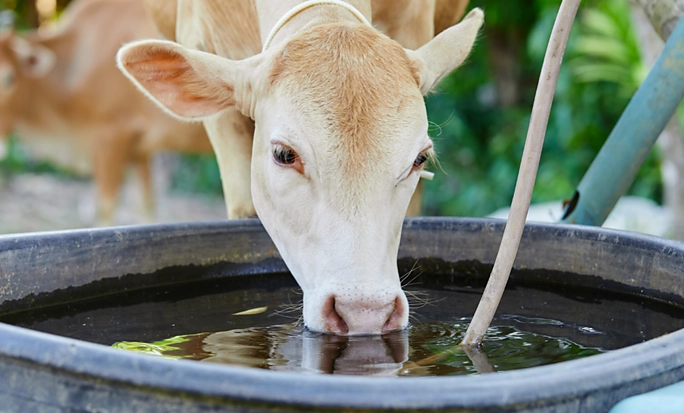
4. Space: The Invisible Boundary
This is the most abstract but arguably the most violated need, especially in captivity and urban expansion. Space isn't just square footage. It's a three-dimensional concept encompassing territory, home range, and personal distance.
- Territory: The area an animal actively defends against its own species. It's for exclusive access to resources (food, mates). A songbird's territory might be just a few trees.
- Home Range: The total area an animal uses for its daily activities—foraging, drinking, exploring. It's much larger than its territory and may overlap with others' ranges. A suburban coyote's home range can be several square miles.
- Personal Distance / Flight Distance: The minimum space an animal needs to feel safe from a perceived threat. A deer in a park might have a flight distance of 50 yards from humans, while one in a remote forest may only need 10.
When we put animals in enclosures that are too small, we crush these spatial concepts together. There's no room for patrolling a territory, no option to retreat to a distant part of the home range to de-stress. The animal is perpetually "on edge." This leads to stereotypic behaviors like pacing, barbering (over-grooming), and aggression.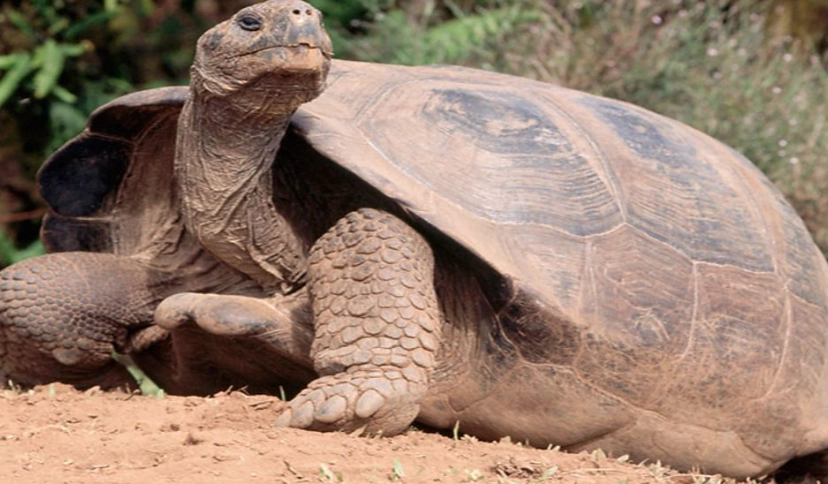
Think of it like being forced to live, work, and socialize permanently in your bathroom. You have the physical items you need, but the lack of spatial variety is maddening.
Putting It All Together in the Real World
These four needs don't exist in isolation. They interconnect in a delicate web. A change in one disrupts the others.
Example: A New Housing Development
Clearing land for houses removes shelter (trees, brush) and food sources (native plants, insects). This forces animals into a smaller, fragmented space, increasing competition. The remaining water sources might become polluted with runoff. The deer population, now compressed, over-browses the remaining vegetation, further degrading the food and shelter for smaller species. It's a cascade failure of all four pillars.
Example: Setting Up a Hamster Cage
You buy a cute, colorful cage that's 20 inches long. You add a food bowl, water bottle, a plastic igloo, and a wheel. Seems complete? From our analysis, it likely fails. The space is probably below the recommended 450 square inches of unbroken floor space for dwarves, more for Syrians. The single plastic igloo is poor shelter—it doesn't allow for burrowing (a deep layer of bedding is needed) and offers no temperature gradient. The food is just pellets in a bowl, denying natural foraging behaviors (scatter feeding is better). The water is fine, but is the bottle leaking and dampening the bedding? The wheel might be too small, causing spinal curvature. See how the checklist approach fails?



Join the Conversation