Let's get straight to the point. If you're feeding your canary only seeds from a pet store bag, you're setting them up for health problems. I learned this the hard way years ago when my first canary, Pip, developed fatty liver disease. The vet's diagnosis was a gut punch. "It's the diet," she said. That moment changed everything for me. A proper canary diet isn't about dumping food in a bowl; it's a careful balance of seeds, formulated pellets, and fresh produce that fuels their incredible metabolism and keeps their song bright.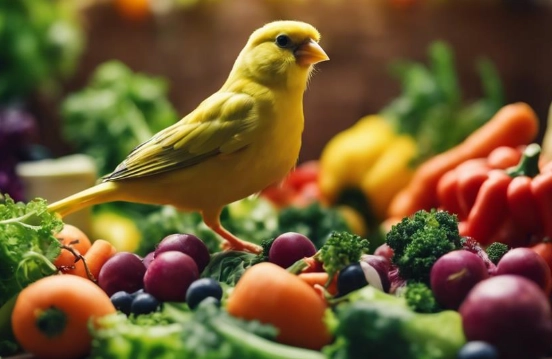
Your Quick Feeding Guide
The Seed Dilemma: It's Not Just Fat
Everyone knows seeds are high in fat. But the bigger issue with an all-seed diet is the staggering lack of vitamins A, D, and calcium. Canaries are like tiny athletes. Their hearts beat over 500 times a minute. A seed mix, especially one heavy on millet, is like feeding an Olympic sprinter nothing but potato chips and donuts. They'll eat it, sure. They might even seem energetic for a while. But internally, you're creating deficits that lead to brittle bones, poor feather quality, and a compromised immune system.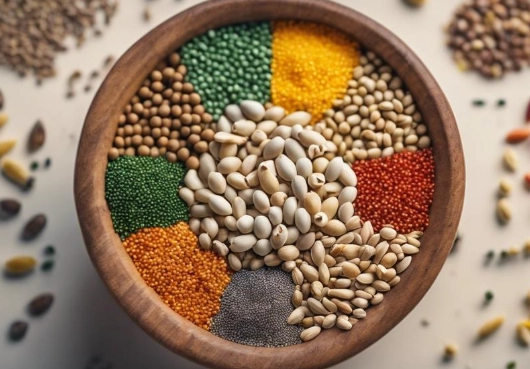
I'm not saying ditch seeds entirely. They're a natural part of their foraging behavior and provide essential fatty acids. The key is quality and proportion. Look for a mix that includes more than just white millet and canary seed. A good blend has:
- Canary grass seed: The staple.
- Oat groats: Good fiber.
- Small amounts of flax, hemp, or sesame: For oils and variety.
- Minimal millet: Treat it as the candy of the seed world.
Seeds should make up no more than 50% of their total daily intake for a maintenance diet. Less if they're a bit portly.
The Millet Mistake: The classic "spray millet" you hang in the cage is a training treat or a booster for underweight birds. Giving it daily is a fast track to obesity. I limit it to a one-inch piece, once a week, max.
Are Pellets the Magic Bullet? Pros and Cons
Veterinarians love pellets (or "formulated diets"). And for good reason. A high-quality pellet is scientifically designed to be nutritionally complete. It solves the vitamin and mineral deficiency problem of seeds in one go. Brands like Harrison's, Roudybush, and TOP's are often recommended.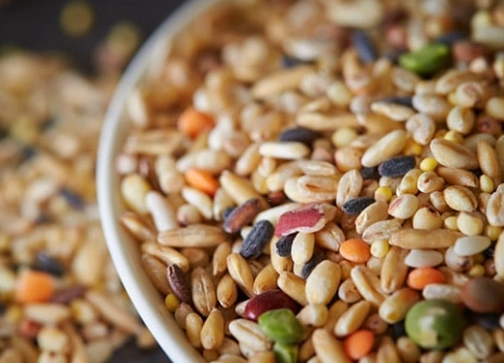
But here's the non-consensus part nobody talks about enough: converting an adult seed-addicted canary to pellets can be a nightmare, and not all pellets are created equal.
Some are dyed with artificial colors (completely unnecessary). Others use questionable binders or are too large for a canary's tiny beak. The trick is to find a small, plain, crumble-style pellet. You can't just switch the food bowl overnight. It's a weeks-long process of mixing, grinding pellets into a powder to sprinkle on wet greens, and offering them in a separate, distinct dish from their seeds.
I view pellets as an insurance policy. If your bird eats 30-50% pellets, you can worry less about whether they ate their broccoli that day. They're getting a baseline of nutrition.
How to Introduce Pellets Without a Hunger Strike
Start by offering a teaspoon of pellets in a new dish next to their regular seed dish in the morning, when they're hungriest. Don't remove the seeds. Let them investigate. Over 2-3 weeks, very gradually reduce the seed volume in their main dish while keeping the pellet dish full. Mix a few seeds into the pellet dish to encourage exploration. Grind some pellets into a fine dust and mist a piece of lettuce with water, then roll it in the dust. The texture and association with a favorite green can work wonders.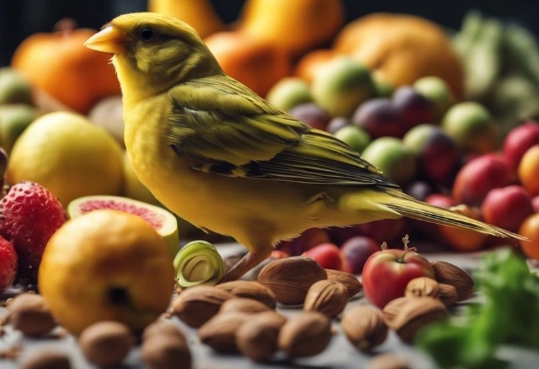
Building Your Fresh Foods Rotation
This is where the magic happens. Fresh foods provide enzymes, hydration, and phytonutrients that processed foods can't. Think of it as their daily salad bar. The goal is a small amount daily, about the size of your canary's head.
Don't just offer the same thing every day. Rotate through categories to cover different nutrients.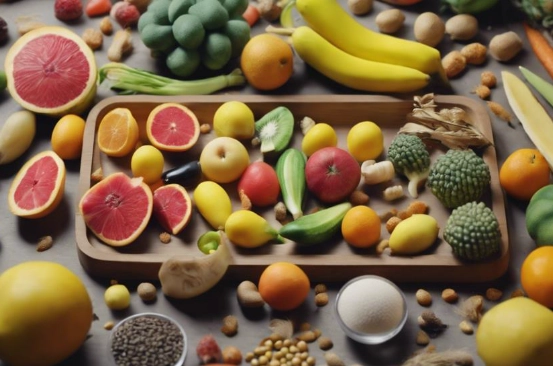
| Category | Excellent Choices | Frequency | Prep Tip |
|---|---|---|---|
| Leafy Greens | Chopped kale, romaine, dandelion greens, spinach (sparingly), arugula | Daily or every other day | Wash thoroughly, chop finely. Dandelion from pesticide-free yards is gold. |
| Crunchy Veggies | Grated carrot, finely diced bell pepper (any color), broccoli florets, shredded zucchini | 3-4 times a week | Grating or dicing tiny is key. They'll play with a big chunk but rarely eat it. |
| Soaked/Sprouted | Soaked chia seeds, sprouted lentils or mung beans, soaked oat groats | 1-2 times a week | Incredibly nutritious. Rinse sprouts well to prevent mold. |
| Fruits (Treat) | Apple slice (no seeds), berry mash, melon cube | Once a week | High in sugar. Offer a tiny amount. Remove after an hour. |
A common mistake is piling a huge piece of veg in the cage. It dries out, gets ignored, and you think they don't like it. Offer a tablespoon of finely chopped mix in a shallow dish in the morning. Remove uneaten fresh food after 2-3 hours to prevent spoilage.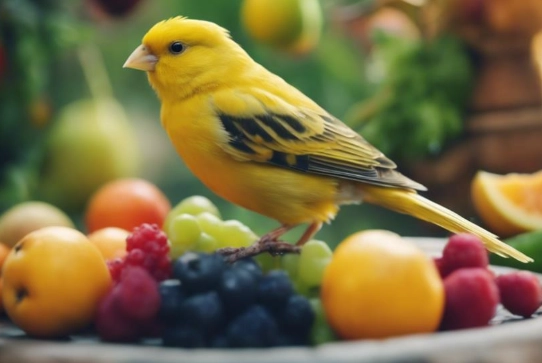
My Canary's Favorite Trick: I call it "leaf confetti." I take a large romaine or kale leaf, hold it against the outside of the cage bars. My canary loves pulling it through the bars and shredding it. It's foraging, play, and eating all in one. The mess is worth it.
A Realistic Weekly Feeding Schedule
Here's what a balanced week looks like in my aviary. This is for a healthy, adult pet canary.
Morning (7-8 AM): Fresh water in a clean dish. A shallow dish with the day's fresh food mix (e.g., Monday: finely chopped kale & grated carrot). A separate dish with a 50/50 mix of high-quality seeds and pellets (about 1.5 teaspoons total).
Evening (5-6 PM): Check and remove any leftover fresh food. Top up the seed/pellet dish only if it's completely empty (often it isn't). A canary's metabolism slows at night, so they don't need a full dinner buffet.
Weekly Specials:
- Tuesday/Thursday: Add a pinch of soaked chia seeds or a tiny broccoli floret to the fresh mix.
- Saturday: "Treat Day" – a one-inch piece of spray millet OR a blueberry smashed on a dish.
- Sunday: Sprout day. Offer a teaspoon of home-grown sprouted lentils.
The cage always has a cuttlebone and a mineral block for extra calcium and beak wear.
What Never Goes in the Cage: Toxic Foods
This list is non-negotiable. Even small amounts can be fatal.
- Avocado: All parts contain persin, a fungicidal toxin that causes cardiac distress.
- Chocolate & Caffeine: Theobromine and caffeine are potent stimulants that can cause seizures.
- Onions & Garlic: Contains compounds that can cause hemolytic anemia, destroying red blood cells.
- Apple Seeds & Fruit Pits: Contain trace amounts of cyanide.
- Alcohol, Salty, or Sugary Human Snacks: Their livers and kidneys are not equipped to process these.
Also, avoid any food that has been in contact with non-stick cookware (PTFE/PFOA fumes are deadly to birds), and ensure all produce is washed to remove pesticide residue. The American Society for the Prevention of Cruelty to Animals (ASPCA) maintains a comprehensive list of toxic plants which is a good reference for questionable greens.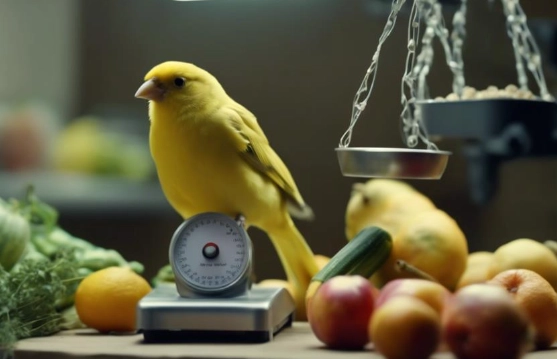
Solving Common Feeding Problems
Getting a canary's diet right feels complicated at first. I remember staring at Pip's cage, overwhelmed. But it boils down to a simple mantra: less seed junk food, more fresh stuff, and pellets for backup. It becomes routine. And the reward—a bird with vibrant feathers, clear eyes, and a song that fills the room—is worth every bit of extra chopping and planning. Start with one change this week. Maybe introduce a new green. Your canary will thank you for it, in their own chirpy way.

Join the Conversation