Feeding a snake for the first time can feel intimidating. You've got this new, fascinating creature, and suddenly you're responsible for offering it a whole rodent. The questions pile up fast. What size? How often? Frozen or live? What if it doesn't eat? Relax. After years of keeping everything from corn snakes to ball pythons, I've seen all the mistakes and learned what truly works. This guide will walk you through the entire process, from picking the right prey to handling the most common feeding problems. Forget the vague advice; we're getting into the nitty-gritty details that make the difference between a stressed owner and a thriving snake.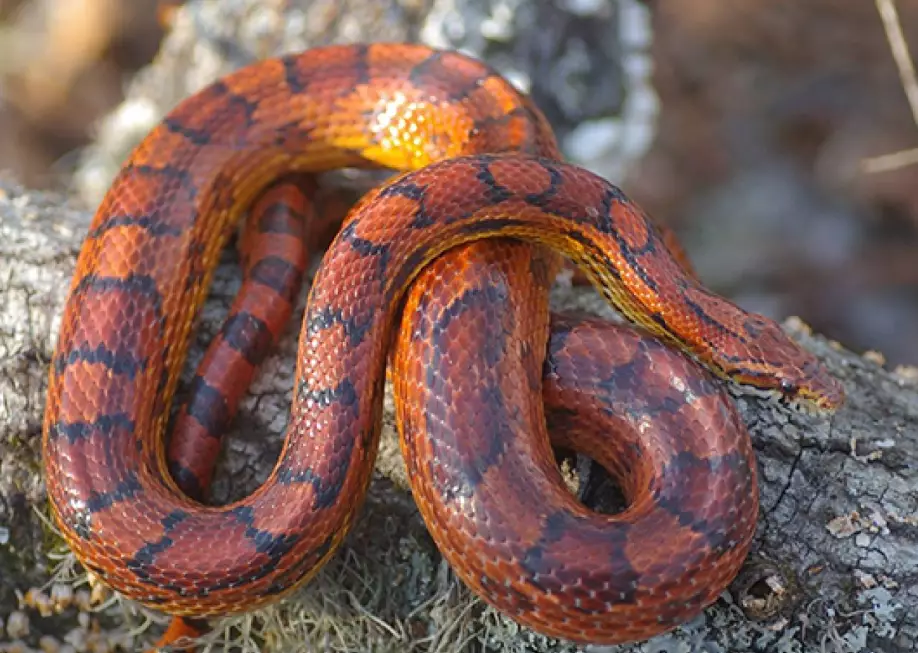
Your Quick Feeding Roadmap
How to Choose the Right Prey Item
Getting the prey right is 80% of the battle. The wrong choice can lead to refusal, regurgitation, or even injury.
Prey Size: The One Rule You Can't Ignore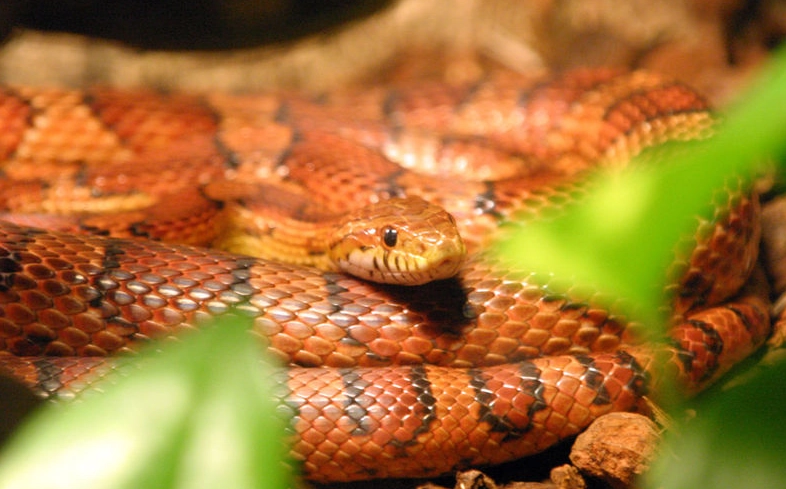
The most common mistake I see is overfeeding. A prey item should be no wider than the widest part of your snake's body. Not the head, not the neck—the widest part of the midsection. A mouse that's slightly too large might be eaten, but it stresses the snake's digestive system immensely. Think of it like you eating a whole large pizza in one go—possible, but miserable and unhealthy long-term.
Here's a practical visual guide: a fuzzy mouse for a young corn snake, an adult mouse for a mature ball python, a weaned rat for a larger boa. When in doubt, go smaller. It's always safer.
The Great Debate: Frozen-Thawed vs. Live Prey
This isn't much of a debate among experienced keepers. Frozen-thawed (F/T) rodents are the overwhelmingly recommended choice. Why?
Safety First: A live rodent can fight back. I've seen mice and rats inflict serious bites and scratches on snakes, leading to infections, eye injuries, and immense stress for the reptile. A snake can even be killed by a defensive prey animal.
Convenience & Ethics: You can buy F/T prey in bulk, store it in your freezer, and always have food on hand. It's also considered more humane for the prey. But the biggest benefit is eliminating risk.
Some snakes, especially wild-caught or certain picky ball pythons, may initially refuse anything but live. The goal is always to transition them to F/T. It's a non-negotiable for safe husbandry, a point strongly supported by veterinary associations like the Association of Reptilian and Amphibian Veterinarians (ARAV), which highlight the risks of live feeding.
The Step-by-Step Feeding Process (Safely)
Let's walk through a safe feeding session from start to finish. This assumes you're using frozen-thawed rodents.
Step 1: Thawing Safely. Never use a microwave. It creates hot spots that can burn your snake internally. The best method is to place the frozen rodent in a sealed plastic bag and submerge it in warm (not hot) water for 30-60 minutes. Ensure it's fully thawed to the core—squeeze the body gently to check for any cold, hard spots.
Step 2: Warming it Up. Snakes hunt using heat signatures. A cold, damp mouse isn't very appealing. After thawing, rinse the rodent under very warm water for 30 seconds or use a hairdryer (on a low, warm setting) to gently heat the head and body. Aim for a temperature of about 100°F (38°C). Dry it off so it's not soaking wet.
Step 3: The Presentation. Use long feeding tongs. This is crucial. You never want your snake to associate your warm hand with food. Open the enclosure and dangle the rodent by the scruff of the neck or hind legs. Make it "jiggle" slightly to mimic movement. Hold it near the snake's head, but don't tap or annoy the snake. Let it strike on its own terms.
Never hand-feed. Never hold the prey in your fingers. A feeding response is lightning fast, and a missed strike can easily land on your finger. Feeding tongs are your best friend.
Step 4: The Aftermath. Once the snake has grabbed it, gently release the prey from the tongs and close the enclosure. Leave the snake completely alone. No peeking, no tapping the glass, no handling. Digestion requires peace and quiet.
How Often to Feed: A Realistic Schedule
"Feed once a week" is the classic advice, but it's too simplistic. Frequency depends entirely on the snake's age, species, and metabolism. Overfeeding is a silent killer, leading to obesity and fatty liver disease.
| Snake Life Stage | Example Species (Corn Snake, Ball Python) | Recommended Frequency | Key Notes |
|---|---|---|---|
| Hatchling/Juvenile (0-18 months) | Fast-growing, high metabolism | Every 5-7 days | Consistent growth is key. Don't skip meals. |
| Sub-Adult (18-36 months) | Growth slowing down | Every 7-10 days | Start monitoring body condition. Avoid power-feeding. |
| Adult (3+ years) | Maintenance phase | Every 10-14 days | Some large boas/pythons may only eat every 3-4 weeks. Watch for weight gain. |
Here's the expert tip most guides miss: Learn to assess body condition. Your snake should have a gently rounded, loaf-of-bread shape, not a sharply triangular spine (underweight) or fat rolls along its sides (obese). Adjust the schedule based on how your individual snake looks and behaves.
Troubleshooting: When Your Snake Won't Eat
A refusal to eat is the number one worry for beginners. Don't panic immediately. Snakes can go weeks or even months without food for various non-critical reasons. First, run through this mental checklist.
Husbandry Issues (The Usual Suspects): Is the temperature in the warm hide correct? Is the enclosure too cold overall? Is the humidity right for your species? Is the snake about to shed (their eyes turn blue, skin dulls)? Stress from too much handling or an insecure enclosure (not enough hides) will shut down appetite fast.
Prey Presentation Problems: Was the prey not warm enough? Did you use tongs, or did your scent get on it? Try offering at night when the snake is naturally more active.
The "Last Resort" Tricks (Use Sparingly): If husbandry is perfect and you're sure the prey is warm, you can try "braining" (puncturing the skull to release scent) or scenting with used bedding from a rodent colony. For stubborn ball pythons, some have success with African soft-furred rat scent. But always fix the environment first—tricks are just bandaids.
If a healthy adult snake refuses a few meals but maintains weight and acts normally, it's often just a seasonal fast, especially in winter. Monitor weight weekly. A consistent downward trend or refusal in a young snake warrants a vet visit to check for parasites.
What to Do (and NOT Do) After Feeding
This is where I see the most dangerous mistake made by well-meaning new owners.
The Golden Rule: Do NOT handle your snake for at least 24-48 hours after a meal. I'd even push for 48 hours for larger meals. Handling can cause regurgitation, where the snake brings up the undigested prey. This is traumatic, causes nutrient loss, and can harm the esophagus. Just leave them be.
Ensure the enclosure's warm side is at the proper temperature to aid digestion. A cool snake cannot digest properly. Other than that, your job is done. Wait for the tell-tale lump to move down the body and disappear, then you can resume normal interaction.
Your Burning Feeding Questions Answered
 My snake ate but then regurgitated the mouse a day later. What do I do now?
 Feeding your snake should become a simple, routine part of your care. Start with the right-sized frozen-thawed prey, present it safely with tongs, stick to a schedule that matches your snake's age, and then give them the quiet they need to digest. Pay attention to your individual animal, not just a rigid calendar. When problems arise, methodically check husbandry first. It's not magic—it's a system. Get the system right, and you'll have a healthy, feeding snake for years to come.




Join the Conversation