What’s Inside?
- The Instinct Part: Why Cats Are Pre-Wired for the Litter Box
- Where Pure Instinct Falls Short (And "Training" Begins)
- The Step-by-Step Guide: How to "Train" a Cat to Use the Litter Box
- Training Different Ages: A Quick Comparison
- When Litter Box Problems Happen: It's Usually Not "Bad Behavior"
- Answers to Your Burning Litter Box Questions
- The Final Scoop: Instinct + Environment = Success
You bring home that adorable ball of fluff, set up the food and water bowls, the cozy bed, and of course, the litter box. You plop your new kitten down next to it, expecting them to just... know. A lot of us have been there. The big question hanging in the air is, do cats have to be trained to go in a litter box, or is it something they just figure out on their own?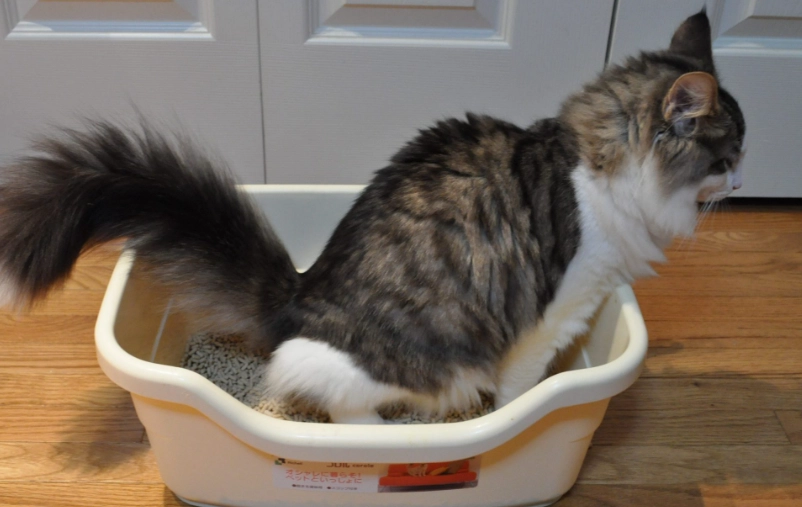
Let's cut to the chase. The short answer is: it's complicated. It's not a simple yes or no. To say cats need zero training is a bit misleading and can set new owners up for frustration. To say they need extensive, dog-like training is also wrong. The truth lies in a fascinating mix of hardwired instinct and crucial environmental guidance from you.
I learned this the hard way with my second cat, Milo. My first cat, Luna, was a dream. She saw the box and used it. Forever. I thought I was a cat-whisperer. Then came Milo, who decided the corner behind the armchair was a far superior location. It was a humbling reminder that while the base instinct is there, the execution needs a little steering.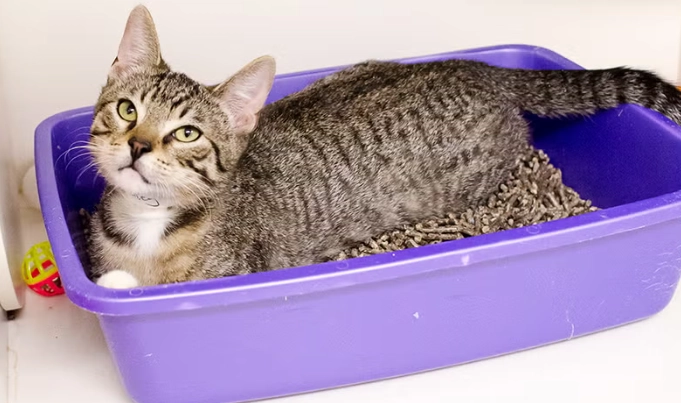
The Instinct Part: Why Cats Are Pre-Wired for the Litter Box
This is the cool part. Unlike puppies, kittens aren't born completely clueless about bathroom etiquette. Their wild ancestors buried their waste to hide their scent from predators and rivals. It's a survival tactic deeply embedded in their DNA. Mother cats also play a huge role.
From about three weeks old, a mother cat will start teaching her kittens to use a designated elimination area. She cleans them, which stimulates them to go, and they naturally start copying her behavior of digging and covering. So, by the time a kitten comes to your home at 8-12 weeks old, they often have a basic blueprint.
A study published in the Journal of Applied Animal Behaviour Science notes that substrate (the material they go on) and location preference are learned early. This is key. It means if a kitten learns to go on soft, sandy soil outside, a soft, sandy clumping litter in a quiet corner is an easy translation. If their first experience is on a pile of laundry in a busy hallway... well, you see the problem.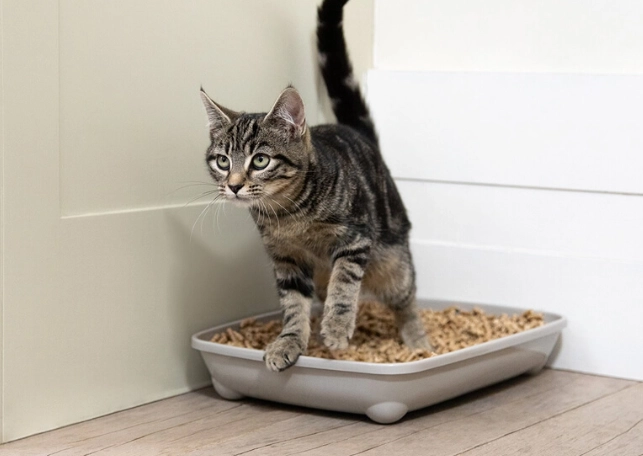
So, to the core question—do cats have to be trained to go in a litter box?—the instinct part means the heavy lifting is done. They want to dig and cover. Your job is to make the litter box the most attractive, obvious, and comfortable place to do that.
Where Pure Instinct Falls Short (And "Training" Begins)
This is where many guides stop, leaving owners confused when problems arise. Instinct gives the desire, but it doesn't dictate the where, what, or how many. Think of it like a human baby's instinct to eat. They'll suckle instinctively, but you still have to teach them to use a spoon, then a fork, and that spaghetti is for the plate, not the floor.
Your "training" is really about setting up the environment for success. It's less about teaching a new skill and more about preventing bad habits from forming. Here’s where instinct needs your help:
- Location, Location, Location: A cat's instinct says "go somewhere safe and quiet." Your bustling laundry room next to the rumbling dryer is neither. Placing the box in a high-traffic area or right next to their food bowl is a common mistake that goes against their nature.
- The Litter Itself: Some cats are picky. Instinct says dig in loose, granular material. But is that unscented clumping clay, silica crystals, pine pellets, or recycled paper? A cat who doesn't like the feel or smell under their paws will look for an alternative, like your bathmat.
- The Box Design: High sides might contain litter scatter for you, but for a tiny kitten or an elderly cat with arthritis, they represent a daunting barrier. Covered boxes can trap odors inside, which is revolting to a cat's sensitive nose.
- Cleanliness: Instinct says don't soil your own den. A dirty, smelly litter box is, in their mind, already soiled. They'll find a cleaner spot, like your clean laundry basket.
So when people ask if litter box training is necessary, they're often really asking about managing these environmental factors. It's proactive setup, not reactive correction.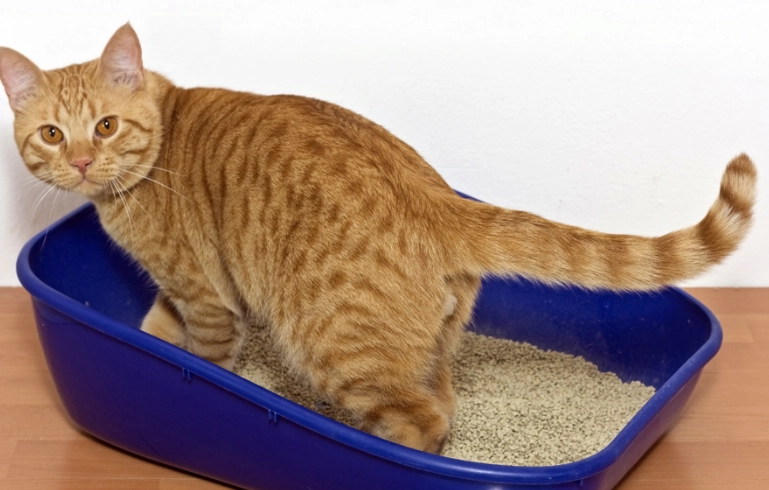
The Step-by-Step Guide: How to "Train" a Cat to Use the Litter Box
Let's get practical. Whether you have a kitten or an adult cat (yes, adults may need guidance too!), this process is about encouragement and positive association.
For Kittens: The Foundation
Kittens are sponges. Start right.
- The First Introduction: As soon as you get home, place the kitten gently in the litter box. Let them sniff and explore. Don't force it. Do this after naps, meals, and play sessions—times when they're most likely to need to go.
- Choose the Right Box: Start with a low-sided, uncovered box that's easy to climb into. The Cornell Feline Health Center recommends one box per cat, plus one extra. For one kitten, start with two boxes in different quiet locations.
- Litter Choice: Unscented, fine-grained clumping litter is a safe bet for most. Avoid drastic changes once they're used to one type.
- Positive Reinforcement: When you see them use it, offer gentle praise and a tiny treat. Never punish for accidents. It only creates fear and confusion.
- Confinement is Your Friend: For the first few days, keep the kitten in a small, safe room with their bed, food, water, and litter box. This makes the box the only logical option and builds the habit.
For Adult Cats or Rescues
The process is similar, but you might be undoing previous habits. Patience is even more critical.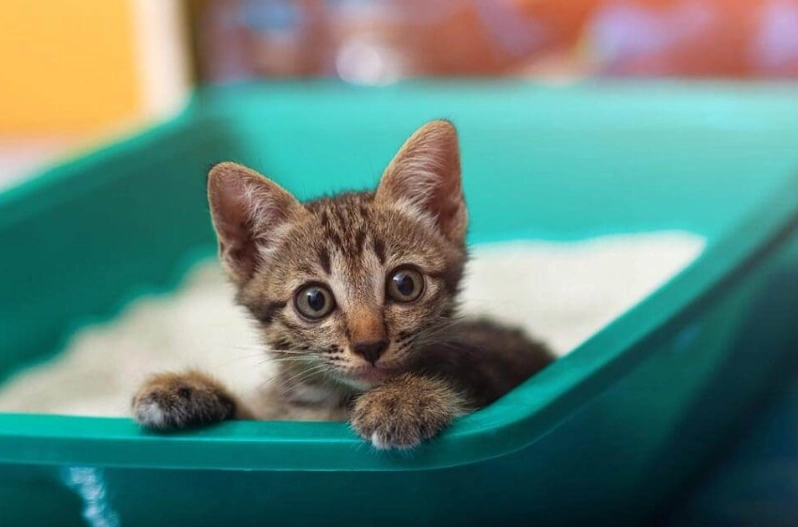
For a cat with a history of avoiding the box, go back to basics. Confine them to one room with all essentials. Use an enzymatic cleaner (never ammonia-based!) to thoroughly clean any accident spots outside the box to remove the scent marker.
The question, "do cats have to be trained to go in a litter box," takes on new meaning with adults. It becomes less about initial training and more about re-training or troubleshooting a broken habit.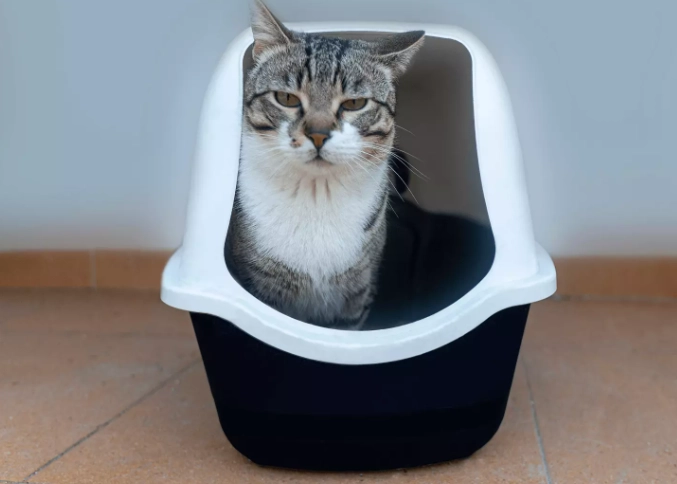
Training Different Ages: A Quick Comparison
| Age Group | Primary Focus | Biggest Challenge | Key to Success |
|---|---|---|---|
| Kitten (8-16 weeks) | Building the foundational habit. | Small bladder, short attention span. | Frequent post-meal/nap box visits, extreme patience. |
| Young Adult (6 mo - 2 yrs) | Consistency amidst environmental changes. | Onset of territorial marking (spraying), especially in intact males. | Spaying/neutering, providing enough resources in multi-cat homes. |
| Mature Adult (3-10 yrs) | Maintaining routine. | Sudden avoidance often signals a medical issue (UTI, arthritis). | Vigilance for changes in habit, annual vet checks. |
| Senior (10+ yrs) | Accessibility and comfort. | Mobility issues, cognitive decline, more frequent medical problems. | Low-sided boxes, boxes on every floor, softer litter. |
See? The need for owner involvement—whether you call it training, management, or facilitation—never really ends. It just evolves.
When Litter Box Problems Happen: It's Usually Not "Bad Behavior"
This is the most important section. If your cat suddenly stops using the box, your first thought should not be "this cat is spiteful or untrainable." It should be, "what's wrong?"
Inappropriate elimination is a classic symptom, not a behavior problem in isolation. Here’s the breakdown of common causes, roughly in order of likelihood:
- Medical Issues: This is rule number one. A urinary tract infection (UTI), bladder stones, kidney disease, diabetes, or arthritis causing pain can make a cat associate the box with pain. They then look for a different spot. A sudden change in litter box habits requires an immediate vet visit. Resources from the International Cat Care organization stress this point repeatedly.
- Litter or Box Aversion: You changed the litter type or scent. You added a hood. You moved the box to a noisy location. The box isn't cleaned often enough. Any of these can trigger a boycott.
- Substrate or Location Preference: They've decided they prefer the soft pile of the carpet or the cool, smooth surface of the tile in your bathroom. This is often an extension of aversion.
- Stress or Anxiety: A new pet, a new baby, construction noise, a stray cat outside the window—cats are stress magnets. Stress can manifest as cystitis (bladder inflammation) or simply as a need to mark territory more assertively.
- Multi-Cat Household Issues: This is a huge one. Bullying or tension between cats can prevent the subordinate cat from accessing a box safely. The general rule of "one box per cat plus one" exists for a reason.
So, circling back, do cats have to be trained to go in a litter box? Part of that "training" is learning to read their signals and understand that going outside the box is a cry for help, not an act of rebellion.
Answers to Your Burning Litter Box Questions
The Final Scoop: Instinct + Environment = Success
So, let's wrap this up. Do cats have to be trained to go in a litter box? Not in the traditional sense of teaching a completely foreign concept. The foundational instinct to eliminate in a loose, diggable material and cover it up is a beautiful gift from evolution.
But.
That instinct is just the seed. Your job is to provide the perfect soil for it to grow. That means the right box, in the right place, with the right litter, kept impeccably clean. It means observing your cat, understanding their preferences and aversions, and being their advocate when something is wrong (starting with the vet).
Thinking of it as "training" might set the wrong expectation. It's more like creating a partnership. You provide the ideal bathroom, and their innate instincts do the rest. When that partnership breaks down, it's a signal to communicate, not to discipline.
Get the setup right from the start, be observant, and respond with care to any issues. That's the real secret to answering the question of litter box training. It's less about commanding your cat and more about thoughtfully setting the stage for their natural behaviors to shine.




Join the Conversation