So you're thinking about getting a bearded dragon, or maybe you just brought one home and are staring at this little prehistoric-looking creature wondering, "What now?" I've been there. My first beardie, Puff, came to me with a tiny tank and a bag of lettuce—advice that was, frankly, terrible. It took some trial and error (and a few vet visits) to get things right. This guide is everything I wish I'd known from day one, mashed up with advice from experienced breeders and reptile vets. Let's get into the real, practical stuff about bearded dragon care, not the glossy brochure version.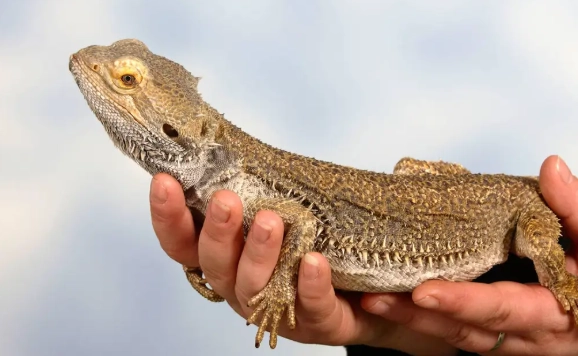
Quick Navigation
Bearded dragons are fantastic pets. They're generally docile, have loads of personality, and watching them "arm wave" or head bob never gets old. But they're not low-maintenance. They have specific needs that, if ignored, lead to a sick and unhappy lizard. Good bearded dragon care is about replicating a slice of the Australian outback in your living room. It sounds complex, but once your setup is dialed in, the daily routine is pretty straightforward.
Getting the Habitat Right: It's More Than Just a Tank
This is where most first-timers mess up, myself included. A proper enclosure isn't just a box to keep them in; it's their whole world. Skimp here, and everything else becomes an uphill battle.
Tank Size and Type
Forget those 20-gallon "starter kits" pet stores sell. A young bearded dragon might fit for a few months, but they grow fast. An adult needs space. The absolute minimum for one adult bearded dragon is a 75-gallon tank, but 120-gallon (4ft x 2ft x 2ft) is the gold standard these days. It gives them room to thermoregulate, explore, and exercise. I made the mistake of upgrading in steps—it's more expensive and stressful for the dragon. Just start big if you can. Front-opening enclosures are a game-changer for cleaning and interaction, much better than top-opening tanks that make you seem like a predator from above.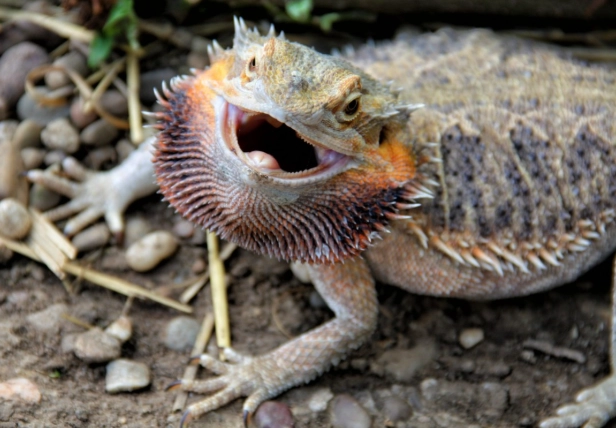
The Heating and Lighting Trio
This is the heart of bearded dragon care. They're ectotherms, relying on external heat to function. In the wild, they bask under the fierce Australian sun. We have to mimic that with three key elements.
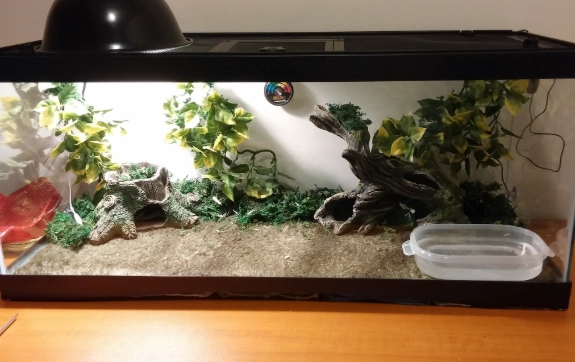
First, you need a basking lamp. This creates a hot spot at one end of the tank. The surface temperature right under this lamp should be a toasty 100-110°F (38-43°C) for adults, a bit hotter (105-115°F) for babies. Use a digital probe thermometer or an infrared temp gun to check this—those cheap stick-on dials are useless. The cool end of the tank should be around 75-85°F (24-29°C). This gradient lets them move to warm up or cool down.
Second, and this is non-negotiable: UVB lighting. Bearded dragons need UVB rays to synthesize vitamin D3, which lets them absorb calcium from their food. Without it, they get Metabolic Bone Disease (MBD), a horrible, crippling condition. You need a linear fluorescent tube (like a T5 HO) or a mercury vapor bulb that covers about 2/3 of the enclosure length. Compact coil UVB bulbs are notoriously ineffective for bearded dragons. The UVB fixture should be mounted inside the screen or the screen should be wide mesh, as glass and fine mesh block the rays. Follow the manufacturer's distance guidelines. This one element is the biggest difference between a thriving dragon and a sick one.
Substrate: The Flooring Debate
What you put on the bottom of the tank is a hot topic. For baby and juvenile bearded dragons, I'm firmly in the "no loose substrate" camp. They're clumsy hunters and more prone to accidental ingestion. Use paper towel, reptile carpet, or non-adhesive shelf liner. It's safe and easy to clean.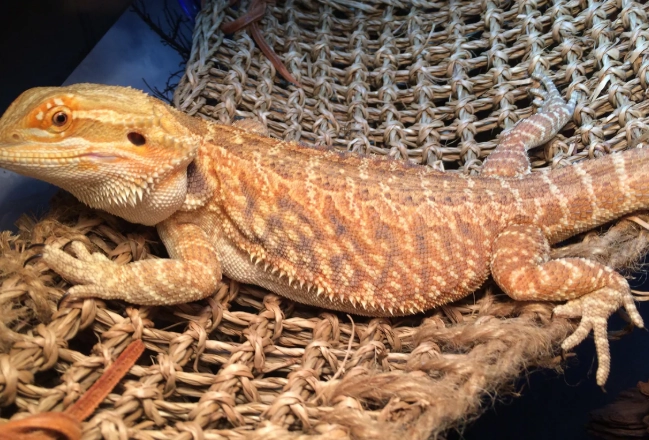
For healthy adults, the debate opens up. Many keepers swear by a 50/50 mix of topsoil and playsand (never calcium sand or silica sand, which can cause impaction). It allows for natural digging behaviors. Others prefer the safety of solid substrates like tile, which is easy to clean and files down their nails. I've used both. Loose substrate looks more natural but requires more maintenance. If you go that route, spot-clean daily. Impaction risk is low with proper temperatures and hydration, but it's a risk nonetheless.
Here’s a quick comparison of common substrates:
| Substrate Type | Best For | Pros | Cons |
|---|---|---|---|
| Paper Towel/Butcher Paper | Quarantine, Juveniles | Sterile, cheap, easy to replace | Unsightly, not natural |
| Reptile Carpet | Beginners, All Ages | Reusable, relatively safe | Can harbor bacteria, claws can snag |
| Ceramic/Slate Tile | Adults | Easy clean, trims nails, retains heat | Heavy, requires cutting to fit |
| 50/50 Soil & Playsand Mix | Adults (Advanced) | Natural, allows digging | Risk of impaction, requires sifting |
Furniture and Decor
Don't leave the tank empty. They need things to do. A sturdy basking platform (like a flat rock or driftwood) directly under the heat lamp is essential. Provide hides on both the warm and cool ends so they can feel secure. Branches for climbing are great—beardies are semi-arboreal. Just make sure everything is stable and can't fall and injure them. A shallow water dish big enough for them to soak in if they want (some do, some ignore it completely) and a food dish for salads round it out.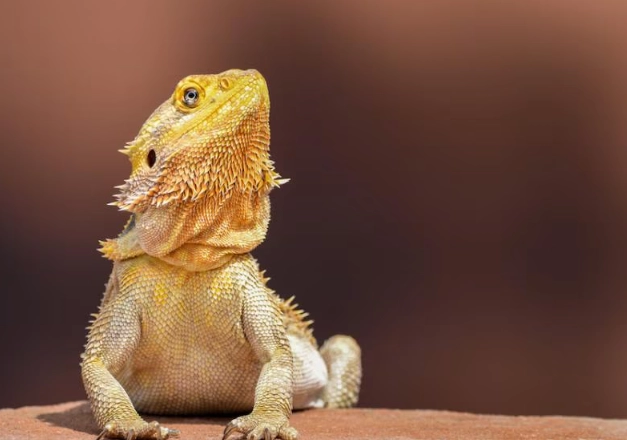
Getting the habitat right is 80% of the battle in bearded dragon care. A stressed dragon in a poor setup won't eat well, which leads to a cascade of other problems.
Feeding Your Bearded Dragon: It's Not Just Crickets
Diet is the other major pillar. Their nutritional needs change dramatically as they grow. A common misconception is that they only eat insects. In reality, a healthy adult bearded dragon's diet should be mostly vegetables!
The Juvenile vs. Adult Diet Shift
Babies and juveniles (under 18 months) are growing machines and need lots of protein. Their diet should be about 70-80% live insects and 20-30% greens. Offer insects 2-3 times a day, as many as they can eat in a 10-15 minute window.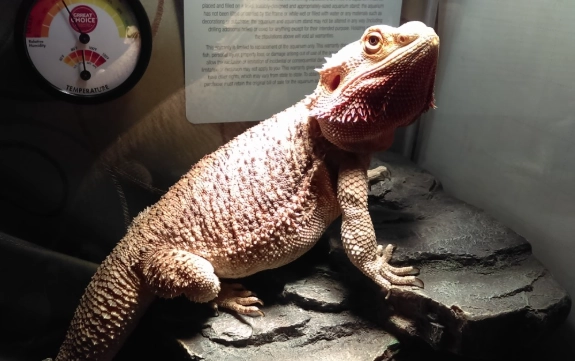
Adults, however, need to shift to prevent obesity and kidney issues from too much protein. An adult bearded dragon's diet should flip to about 70-80% fresh vegetables and 20-30% insects. Feed insects only once a day or even every other day. The portion? A good rule is to offer as many insects as they can eat in a 5-10 minute session.
The Live Insect Menu
Variety is key here. Don't just feed crickets every day.
- Staple Feeders (Good for regular use): Dubia roaches (my personal favorite—nutritious, quiet, don't smell), black soldier fly larvae (high in calcium), silkworms.
- Treat Feeders (High in fat, feed sparingly): Superworms, waxworms, butterworms. Think of these as lizard candy.
- Never Feed: Fireflies (fatally toxic), wild-caught insects (pesticides), or insects that glow, sting, or are brightly colored in the wild.
Always gut-load your insects 24-48 hours before feeding. This means feeding the insects nutritious foods (commercial gut-load formulas, veggies like carrots and squash) so your dragon gets those nutrients second-hand. It's a crucial step most people skip.
The Salad Bar: Greens and Veggies
This is where you can get creative. The base of the salad should be a nutritious, calcium-rich leafy green. Top choices are collard greens, mustard greens, dandelion greens, endive, and escarole. Romaine lettuce? It's mostly water with little nutrition—not a good staple. Iceberg is useless.
Mix in other chopped vegetables for variety and color: bell peppers (all colors), squash, zucchini, green beans. You can offer limited fruit as a treat (blueberries, raspberries, mango) once a week or so. I chop everything into bite-sized pieces and mix it up to make it appealing. A common mistake is offering one big leaf they can't easily eat.
Supplements: The Dusting Routine
Even with perfect food, they need supplements in captivity. You'll need two powders: a calcium powder (without D3 if your UVB is correct, with D3 if it's not) and a multivitamin powder.
- For Juveniles: Dust insects with calcium powder at almost every feeding (5-6 days a week). Dust with multivitamin powder 1-2 times a week.
- For Adults: Dust insects with calcium powder 2-3 times a week. Dust with multivitamin powder once a week.
Just put the insects in a bag or container with a pinch of powder, shake gently, and feed. It's that simple but vital for preventing deficiencies.
Proper bearded dragon care involves paying close attention to this dietary balance. A poor diet leads to the most common health problems.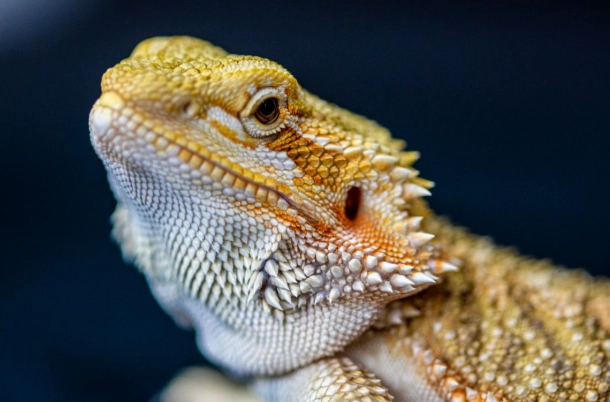
Health and Common Issues: Knowing What to Look For
A healthy bearded dragon is alert, has bright eyes, a firm body (not bony, not overly fat), and a good appetite. They should be active during the day. Here are the big things to watch for.
Metabolic Bone Disease (MBD)
I mentioned this earlier. Caused by lack of UVB and/or calcium. Early signs include trembling, soft or rubbery jaw, difficulty walking, or swelling in the limbs. Advanced MBD is heartbreaking—severe deformities, paralysis. Prevention through proper lighting and supplementation is 100% possible. If you see signs, a vet visit is urgent.
Impaction
This is a blockage in the digestive tract. Causes include eating substrate, feeders that are too large (never feed anything wider than the space between their eyes), or insufficient basking heat to digest. Signs are lethargy, loss of appetite, and a swollen abdomen, with no bowel movements. Warm baths and gentle belly massage can help mild cases, but severe impaction needs a vet. Again, prevention via proper husbandry is key.
Parasites
Internal parasites (like coccidia or pinworms) are common, especially in dragons from pet stores or large breeders. Symptoms are runny, smelly, or bloody stools, weight loss despite eating, and general lethargy. A fecal test by a reptile vet can diagnose this, and medication usually clears it up. I get a fecal check done at Puff's annual check-up just to be safe.
Respiratory Infections
Often caused by conditions that are too cold and/or too humid. Signs are wheezing, mucus around the nostrils or mouth, open-mouth breathing, and lethargy. This requires antibiotic treatment from a vet. Keeping the habitat at the correct temperature and humidity (aim for 30-40%) prevents most of these.
Regular observation is your best tool. Spend time watching your dragon's normal behavior so you'll notice when something's off.
Behavior, Handling, and That Weird Stuff They Do
Understanding their behavior makes bearded dragon care so much more rewarding. They communicate with their bodies.
Arm Waving: A slow, circular wave of one arm. It's usually a submissive gesture, like saying "I see you, I'm no threat." Babies do it a lot to adults (or to you!).
Head Bobbing: A quick up-and-down bob. Males do it fiercely to show dominance or during breeding. Females do a slower version. It can mean "This is my space!" or "Hey, look at me!"
Beard Flaring: They puff out the black "beard" of spiky skin under their chin. Can be due to stress, fear, excitement, or trying to look intimidating. Sometimes it's accompanied by the mouth gaping open. If the beard turns jet black, something is bothering them.
Glass Surfing: Frantically scratching at the tank walls. This can mean stress, seeing their reflection, wanting out, or needing a larger enclosure. It's not a happy behavior and warrants checking your setup.
Handling and Taming
Give a new dragon a week to settle in without handling. Then, start slow. Put your hand in the tank calmly, let them sniff you. Gently scoop them from below, supporting their whole body and legs. Never grab from above. Start with short, 5-10 minute sessions daily. Most become quite tolerant and even seek out warmth on your shoulder. Always wash your hands before and after—for your safety and theirs.
Advanced Topics and FAQs
Once you've got the basics down, you might encounter these situations.
Brumation: Lizard Hibernation
This is a natural slowdown or period of dormancy some adults go through in winter, even in captivity. They may eat less, sleep for days, and burrow. It can last weeks or months. Don't panic. Before brumation, ensure they are healthy and parasite-free. During, turn off lights if they are deeply asleep, but offer water weekly. Weigh them periodically to ensure they aren't losing drastic weight. Let them sleep. They'll wake up when ready. The Reptiles Magazine guide to brumation has a great deep dive if you suspect your dragon is entering this phase.
Common Bearded Dragon Care Questions
Putting It All Together
Good bearded dragon care isn't about being perfect every second. It's about setting up a solid foundation—the right-sized home with proper heat and UVB, offering a varied and age-appropriate diet with supplements, and paying attention. It's a commitment of 7-12 years, sometimes longer.
Some days you'll spill calcium powder everywhere, or your dragon will side-eye the expensive greens you just bought. That's part of it. The reward is a healthy, interactive pet that greets you in the morning (usually because they want food) and settles contentedly on your lap. It's a unique and fascinating relationship. Start strong with the habitat, stay consistent with the diet, and don't hesitate to seek help from a good reptile vet or reputable community when you're unsure. You've got this.
And remember, the best resource is your own observation. Your dragon will tell you, in its own way, if things are going well.


Join the Conversation