In This Guide
- Is a 4-Week-Old Kitten Even Ready for the Litter Box?
- Your "Kit" List: What You Absolutely Need to Get Started
- The Gentle, Step-by-Step Training Method That Actually Works
- Common Problems & Solutions (Because It's Never Smooth Sailing)
- Choosing the Best Litter: A Quick Comparison
- Your Top Questions, Answered
Let's be honest, the idea of potty training a creature that fits in the palm of your hand and whose main interests are sleeping and stumbling around seems a bit… optimistic. I thought the same thing when I found myself with a litter of four-week-old fosters. The sheer tininess of them! But then the reality of constant clean-ups set in, and I realized we had to start somewhere. The good news? It's not only possible to start litter box training at 4 weeks, it's the ideal time. Their mom would be teaching them the basics in the wild, and when she's not around, that job falls to us.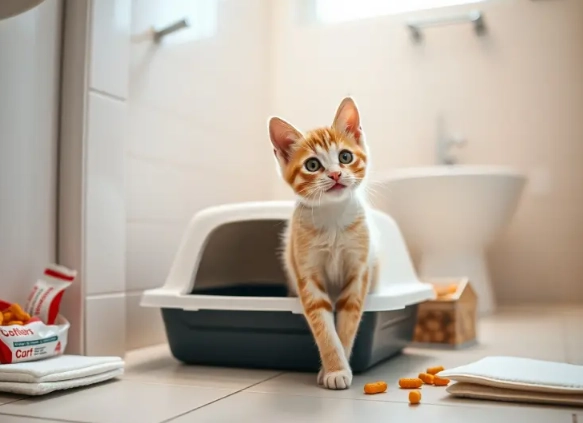
This isn't about demanding perfection from a baby. It's about gentle guidance, setting them up for a lifetime of good habits. A lot of guides gloss over the specifics for kittens this young, assuming you'll just wait until they're older. But if you're dealing with an orphaned kitten, a rescued stray, or just an eager learner, knowing how to potty train a kitten at 4 weeks is a game-changer. It saves your sanity and your carpets.
Key Takeaway: Four weeks is a critical socialization and learning window. While they are physically capable of beginning to learn, success hinges on adapting your methods to their developmental stage. Patience isn't just a virtue here; it's the main ingredient.
Is a 4-Week-Old Kitten Even Ready for the Litter Box?
This is the first question that popped into my head. They're so little. Can they even control themselves? The answer is a cautious "yes, but…".
Physiologically, around 3-4 weeks is when kittens start gaining voluntary control over their elimination. Before that, their mother stimulates them to go. Now, they're beginning to feel the urge and can learn to associate a specific place with relieving themselves. However, their bladders and bowels are tiny. They will need to go frequently, and they have very little holding power. Accidents aren't defiance; they're biology.
Mentally, their little brains are sponges. They're exploring, mimicking, and learning about their world. This is the perfect time to introduce the concept of the litter box as the one and only acceptable bathroom. The goal isn't flawless execution from day one. The goal is building the association: "This sandy place is where I do my business."
I remember one of my fosters, a tiny grey tabby I called Smokey, would just stare at the litter box, then walk away and pee on a towel a foot away. It wasn't stubbornness. He just didn't get it yet. We had to connect the dots for him.
Your "Kit" List: What You Absolutely Need to Get Started
You can't build a house without the right tools, and you can't effectively teach how to potty train a kitten at 4 weeks without the right setup. Getting this wrong is the number one reason people struggle. Here’s the non-negotiable shopping list:
- The Right Box: This is crucial. Ditch the tall, enclosed adult boxes. Your kitten needs a shallow, low-sided tray. A small cardboard box lid, a disposable aluminum baking pan, or a commercial "kitten litter pan" are perfect. The sides should be no more than 1-2 inches high. If they have to climb, they might not bother, or they might not make it in time.
- The Right Litter: This is where I made a mistake early on. Avoid clumping clay litter for kittens this young. They are curious and will taste everything. If they ingest clumping litter, it can cause serious intestinal blockages. The safest options are:
- Non-clumping, unscented clay litter: Simple and familiar.
- Paper-based pelleted litter: Highly absorbent and dust-free.
- Natural grain litters (like wheat or corn): Often low-dust and biodegradable, but monitor for any nibbling.
- Location, Location, Location: Place the box in a quiet, low-traffic corner of their confined space (like a small bathroom or a penned-off section of a room). It should be easily accessible at all times, but not right next to their food and water. Cats have a natural aversion to soiling near where they eat.
- The Scoop & Cleaner: You'll be cleaning the box multiple times a day. An enzymatic cleaner (like Nature's Miracle) is essential for cleaning accidents outside the box. It breaks down the proteins in urine and feces, removing the scent that tells the kitten "this is a bathroom spot." Regular cleaners don't do this.
Watch Out: Scented litters are a common culprit for box avoidance. A kitten's sense of smell is far stronger than ours. What smells "fresh" to us can be overpowering and offensive to them, making the box an unpleasant place to be. Stick to unscented.
The Gentle, Step-by-Step Training Method That Actually Works
Okay, you have your supplies. Now, the actual training. Throw out any ideas of stern reprimands or complicated routines. With a four-week-old, it's all about gentle encouragement and timing.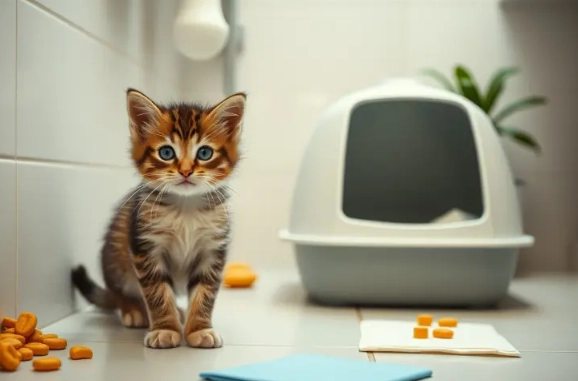
Step 1: The First Introduction
After a nap or a meal, gently place your kitten in the clean litter box. Don't force them. Just let them stand there and feel the litter under their paws. You might even take their front paw and make a gentle scratching motion in the litter. This mimics what their mother would do and triggers an instinct to dig and cover.
Let them climb out if they want. The goal of this first interaction is simple: introduce the concept. No pressure.
Step 2: The Post-Meal Ritual (This is the Golden Rule)
Kittens have predictable plumbing. About 15-20 minutes after they eat or drink, they'll need to go. This is your training window.
Make it a habit: kitten finishes breakfast/lunch/dinner, you wait 15 minutes, then you gently place them in the litter box. Every single time. Consistency is your best friend. They'll start to connect the feeling of a full belly with the location of the box.
Step 3: Observe and Praise (Never Punish)
When they do use the box successfully—even if it's just a partial success—offer immediate, gentle praise. A soft "good kitty" and a gentle pet is enough. Don't startle them with loud cheers.
If you catch them starting to go outside the box, calmly and quickly pick them up and place them in the box. If they finish in the box, praise them. If you find an accident after the fact, just clean it up thoroughly with the enzymatic cleaner. Never rub their nose in it, yell, or punish. They won't connect the punishment with the action from hours ago; they'll just learn to be afraid of you.
This method of positive reinforcement is backed by animal behaviorists. Resources like the Cornell Feline Health Center's information on litter box maintenance stress the importance of positive associations for long-term success.
It feels slow. Some days it feels like you're just moving a kitten from a food bowl to a litter box on repeat. But then it clicks.
Step 4: Managing the Environment
Until they are reliably using the box (which may take a few weeks), limit their roaming area. A small, kitten-proofed room or a large playpen is ideal. This makes the litter box the only logical option and allows you to watch for signs they need to go (sniffing, circling, crouching).
Keep the box impeccably clean. Scoop waste immediately. Kittens are fastidious, and a dirty box is a major turn-off. At this age, I recommend a complete litter change every other day to keep it fresh.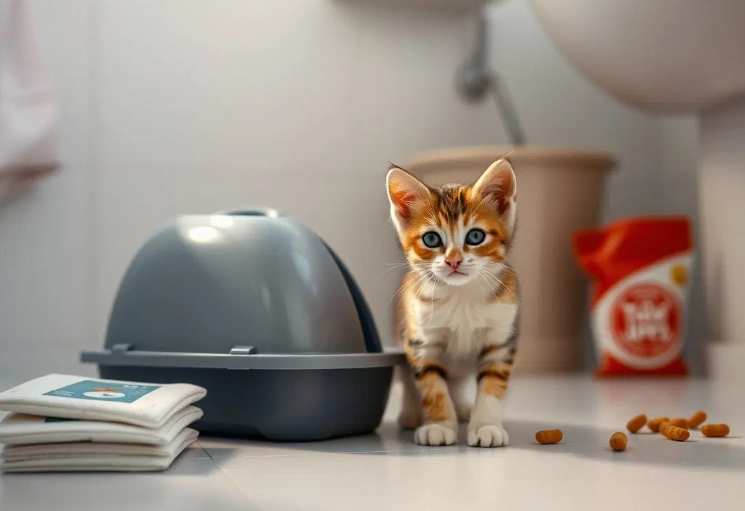
Common Problems & Solutions (Because It's Never Smooth Sailing)
You can do everything "right" and still hit snags. Here’s how to troubleshoot the most common issues when figuring out how to potty train a kitten at 4 weeks.
Problem: The Kitten is Eating the Litter
This is exploration, not a snack craving. Immediately switch to a 100% safe, ingestible litter like paper pellets. You can also try putting a very shallow layer of litter so there's less to eat. This phase usually passes as they learn what is and isn't food.
Problem: The Kitten is Playing in the Litter Box
It's a novel, diggable substance! To discourage play, keep toys outside the box. If they start digging for fun, gently remove them. Only put them back in during designated "bathroom times" (post-meal). Ensure they have plenty of other appropriate toys and play sessions to burn energy.
Problem: The Kitten is Consistently Going Right NEXT to the Box
This is frustrating, but it shows they're close! They recognize the general area. The fix is often one of two things: 1) The box is too dirty for their standards. Clean it more. 2) The sides are too high, making entry awkward. Get a lower-sided box. You can also temporarily place the accident inside the box to reinforce the scent association.
Problem: Sudden Regression or Avoidance
If a kitten who was using the box suddenly stops, it's a red flag. First, rule out medical issues. A urinary tract infection or parasites can make elimination painful, causing them to blame the box. A vet check is essential. The Humane Society's guide to solving litter box problems lists medical causes as the first thing to eliminate.
If health is clear, think about changes: new scented cleaner? New noisy appliance near the box? A traumatic experience while in the box (like a loud noise)? Go back to basics: new, unscented litter in a clean box, placed in a quiet spot, with post-meal reminders.
Pro Tip from Experience: For a kitten that seems confused, confine them to a very small space (like a large carrier) with a bed at one end and a tiny litter box at the other for a few hours. Their instinct to keep their sleeping area clean often kicks in and reinforces the use of the box. It's a short-term reset tactic, not a long-term solution.
Choosing the Best Litter: A Quick Comparison
To make your choice easier, here's a breakdown of the best options for a 4-week-old kitten. I've ranked them based on safety, ease of use, and kitten-friendliness.
| Litter Type | Best For | Watch Out For | My Personal Take |
|---|---|---|---|
| Paper Pellet Litter | Ultimate safety, dust-free homes, curious kittens who taste things. | Less familiar texture, doesn't clump (so you change it more). | This was my go-to for my fosters. Zero worry about ingestion. The lack of dust was a bonus for their tiny lungs. |
| Non-Clumping Clay (Unscented) | The classic feel, easy to find, inexpensive. | Can be dusty, tracking, not digestible if eaten. | A solid choice if your kitten isn't a nibbler. The dust can be a bit messy, but it's what most cats expect. |
| Natural Grain Litter (Wheat/Corn) | Good clumping, natural, often low-dust. | Kittens may try to eat it because it smells like food. Monitor closely. | I'm hesitant with these for very young kittens. The one time I tried, two of them thought it was a new kind of kibble. Not ideal. |
Your Top Questions, Answered
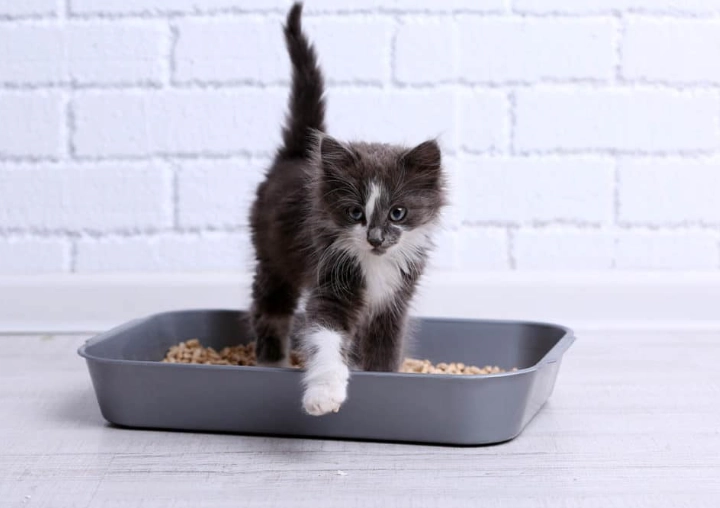
How many times a day should I put my 4-week-old kitten in the litter box?
As a rule of thumb, aim for every time they wake up from a long nap and 15-20 minutes after every meal. That could easily be 8-10 times a day. It sounds like a lot, but this intensive phase is short. You're building a rock-solid habit.
My kitten cries when placed in the litter box. What am I doing wrong?
You might be moving too fast. Is the litter texture scary? Try a shallower layer. Is the box in a noisy spot? Move it. Make sure the litter is at a comfortable room temperature (not stored in a cold garage). Ensure the experience is neutral or positive, never forceful.
When can I switch to clumping litter?
Wait until the kitten is reliably using the box and has completely stopped any mouthing or eating of litter. This is usually around 3-4 months of age. When you switch, mix in the new clumping litter with the old non-clumping kind over a week to ease the transition.
Can I train them to use a specific spot outside?
Absolutely not. A 4-week-old kitten is far too young to go outside unsupervised. All training at this age must be for an indoor litter box. Their safety from predators, disease, and traffic depends on it.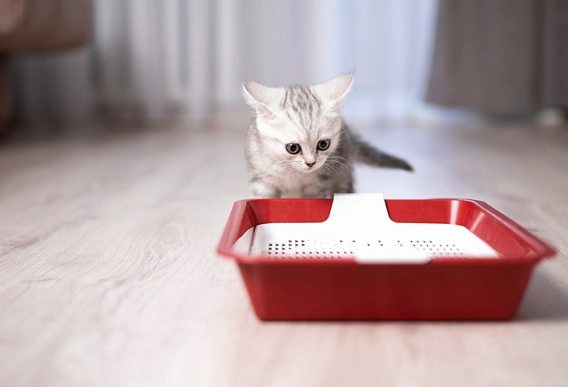
The journey of how to potty train a kitten at 4 weeks is less about strict discipline and more about thoughtful facilitation. You're not training a robot; you're guiding a baby animal through a natural developmental milestone. The spills and frustrations are temporary. The good habits you instill now will last a lifetime. There’s nothing quite like the feeling of seeing that little fluffball hop into the box all on their own for the first time. It’s a small victory that feels huge. Stick with the gentle steps, be patient with the accidents, and you'll both get there.
Remember, every kitten is an individual. Some will grasp it in a couple of days; others will take a couple of weeks of gentle reminders. The core of it all is creating a safe, accessible, and clean bathroom option that makes sense to them. If you hit a wall, go back to the basics: a shallow box, safe litter, a quiet spot, and consistent post-meal trips. And don't hesitate to consult your vet if something seems off—they're your best partner in your kitten's health and well-being.




Join the Conversation