Your Quick Guide
- First Things First: What You Need Before You Start
- The Step-by-Step: How to Litter Train Your Kitten
- So, How Long Does It Take to Litter Train a Kitten? The Real Timeline
- When Things Go Wrong: Solving Common Litter Training Problems
- Answers to Your Burning Questions (FAQs)
- The Final Scoop: Key Takeaways for Success
Let's be real. You just brought home this tiny, adorable ball of fluff, and amidst all the cuddles and playtime, a very practical thought hits you: "I need to teach this little one where to go." And then the big question pops up: how long does it take to litter train a kitten?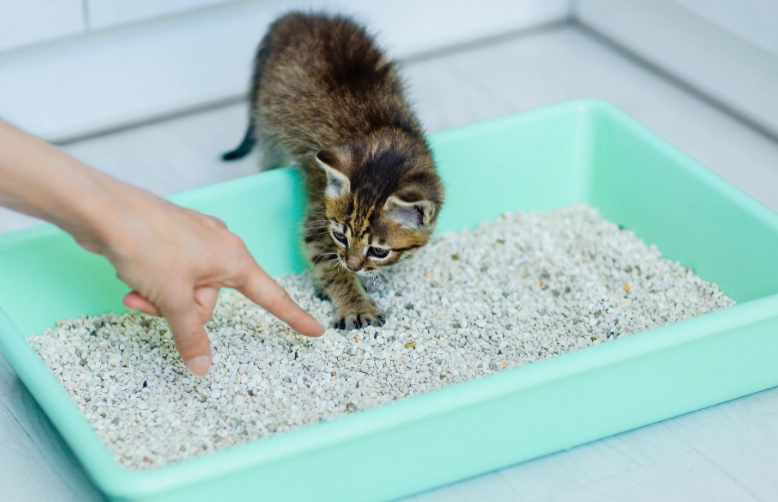
If you're hoping for a one-size-fits-all answer like "three days," I have to be honest with you—it's not that simple. But don't worry, that's actually good news. Most kittens have a natural instinct to bury their waste. Your job isn't so much training them from scratch as it is guiding that instinct to the right spot. The process is usually smoother than people fear.
I remember my first kitten, Mochi. I was a nervous wreck, convinced I'd be cleaning up messes for months. The reality? She figured out the litter box in about 48 hours. My second cat, Simba, took a more leisurely week to be fully consistent. Every kitten has their own pace.
So, let's ditch the anxiety and break this down. We'll talk timelines, methods, the stuff you actually need to buy, and what to do when things (inevitably) go a little sideways.
First Things First: What You Need Before You Start
Jumping straight into training without the right setup is like trying to bake a cake without a bowl. It's messy and frustrating. Getting these basics right from day one sets you and your kitten up for success.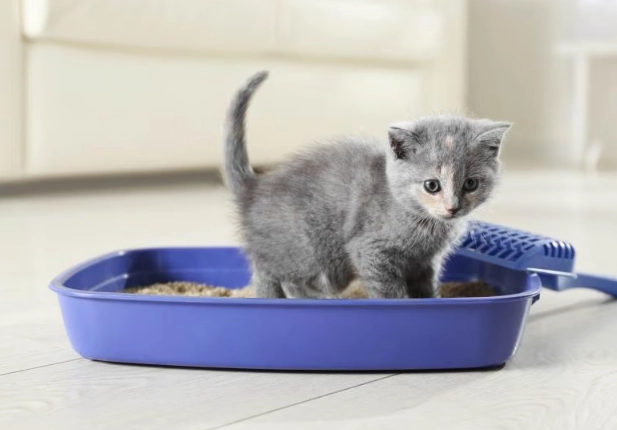
The Litter Box
This seems obvious, but the choice matters. For a tiny kitten, a shallow box with low sides is non-negotiable. They need to be able to climb in and out easily. I made the mistake of getting a box with a high entry wall for Mochi—she just looked at it, confused, and did her business right next to it. Not ideal.
The general rule is one box per cat, plus one extra. So, for one kitten, start with two boxes. Place them in quiet, low-traffic areas where the kitten feels safe. Not next to the booming washing machine or the scary front door.
The Litter Itself
The pet store aisle is overwhelming. Clumping, non-clumping, silica, pine, corn, newspaper... my head spins just thinking about it. Here's the deal: unscented, fine-grained, clumping litter is usually the best bet for kittens. It's soft on their paws and mimics the dirt or sand they'd use in nature.
A crucial warning: Avoid clumping litter for very young kittens (under 8 weeks) if there's any chance they'll try to eat it, which they sometimes do out of curiosity. Ingestion can cause serious blockages. For the tiniest babies, a non-clumping paper or pellet litter is safer until they outgrow the tasting-everything phase. The ASPCA's guide on litter box problems has great insights on substrate preferences.
The Tools
A good scoop (metal ones last forever), a mat to catch tracked litter, and an enzyme-based cleaner for accidents. Trust me, you want that cleaner. Regular household cleaners don't remove the scent markers that tell a kitten "this is a bathroom spot." An enzymatic cleaner breaks those down completely.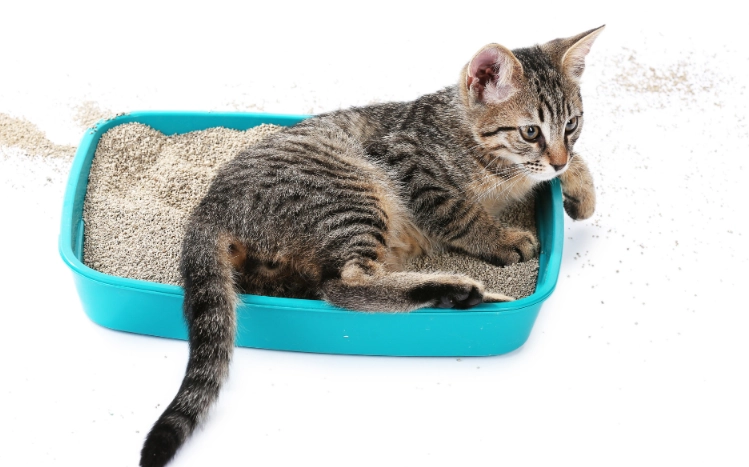
The Step-by-Step: How to Litter Train Your Kitten
Okay, gear is ready. Kitten is exploring. Here's the actual process. It's less about intense training sessions and more about smart management and observation.
Step 1: The Introduction
After a meal or a nap, gently place your kitten in the litter box. Don't force them or hold them there. Just let them stand in it. You might even take their front paw and make a gentle scratching motion in the litter to clue them in. Do this consistently after waking up, after playing, and about 20 minutes after eating.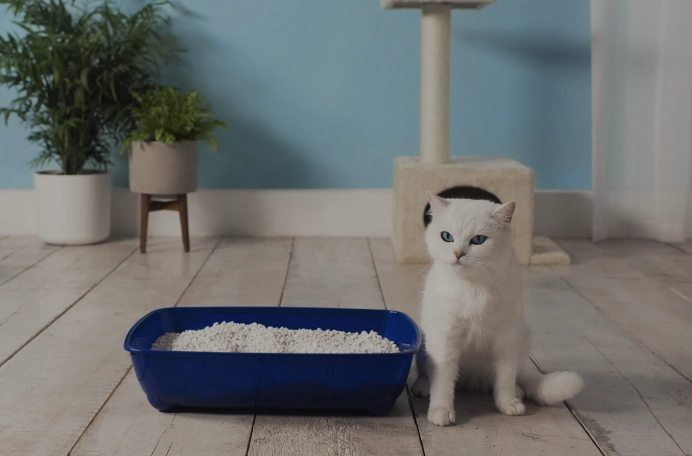
Step 2: Location, Location, Location
Keep the box in an accessible but private spot. If your home is multi-story, have a box on each level initially so the kitten never has to go on a long journey to find it. A panicked kitten won't search; they'll just go.
Step 3: The Cleanliness Factor
This is huge. Cats are clean animals. A dirty, smelly box is offensive to them. Scoop at least once a day, preferably twice. I scoop every time I walk past it and notice something. A clean box is an inviting box. Do a full litter change and box wash with mild soap weekly.
Think about it from their perspective. Would you want to use a filthy, overflowing toilet?
Step 4: Praise, Don't Punish
When you see your kitten use the box correctly, offer gentle praise, a calm pet, or a tiny treat. Positive reinforcement works wonders. If you find an accident, never rub their nose in it or yell. It only creates fear and confusion. They won't connect the punishment with the act from hours ago. Just clean it up thoroughly with your enzyme cleaner and watch them more closely next time.
So, How Long Does It Take to Litter Train a Kitten? The Real Timeline
Here's the heart of the matter. The timeline isn't a straight line for every cat. It depends on age, background, and personality.
| Kitten Scenario | Typical Timeline | What to Expect |
|---|---|---|
| Kitten from a breeder/rescue (8+ weeks) | 1 to 4 days | These kittens have often already observed their mother using a box. They usually get it incredibly fast, sometimes within the first 24 hours in their new home. Your job is just to show them where the box is. |
| Very young orphan/foster kitten (under 8 weeks) | 1 to 3 weeks | They lack the muscle control and learned behavior. You'll need to stimulate them to go after feeds and patiently introduce the litter substrate. It's a slower, more hands-on process. |
| Shy or fearful kitten | 1 to 2 weeks | The delay isn't about understanding but about confidence. They need to feel safe enough to use the box in its location. Patience and a stress-free environment are crucial. |
| "Fully reliable" training | Up to 2 months | Even after they "get it," young kittens can have occasional accidents when overly excited, scared, or if the box isn't clean. Consistent reliability through adolescence is the final goal. |
See? When people ask how long does it take to litter train a kitten, the most honest answer is: most get the basics within a week, but full, accident-free reliability might take a bit longer as they mature.
The Cornell Feline Health Center, a leading authority on cat health, emphasizes that providing the right number and type of boxes is a foundational step that directly influences training success.
When Things Go Wrong: Solving Common Litter Training Problems
This is where most guides stop. But what if your kitten isn't following the happy timeline? Let's troubleshoot. This is normal, so don't panic.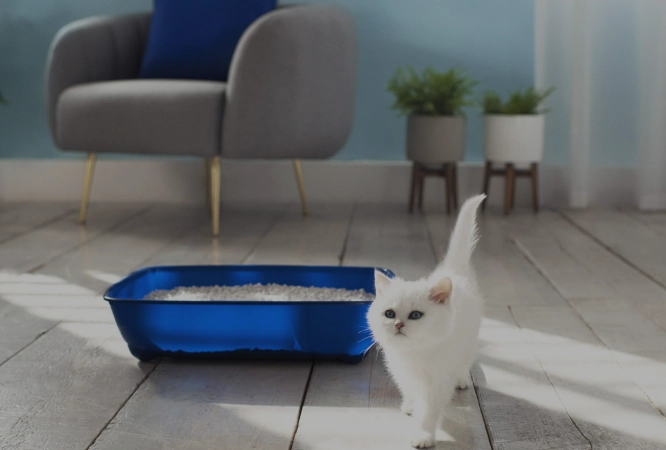
Problem: Kitten avoids the litter box completely.
Check the basics first: Is it clean? Is it in a scary location (next to a loud appliance)? Is the litter type suddenly different? Is the box too deep/hard to enter? Is there another pet blocking access? Sometimes the solution is as simple as moving the box to a quieter corner or switching back to the old litter.
Problem: Kitten uses the box sometimes, but has accidents right next to it.
This is a classic sign. It often means the kitten associates the general area with the bathroom, but something about the box itself is wrong. They might not like the hood (if you have one), the litter might be painful on their paws (some crystals can be sharp), or the box might smell too strongly of cleaner. Try a larger, open box with a different, softer litter.
Problem: Kitten plays in the litter, digs excessively, or even eats it.
Kittens explore with their paws and mouths. Eating litter, however, is dangerous. For diggers and players, it might just be a phase. For eaters, switch immediately to a safe, non-clumping, ingestible litter (like paper pellets) and ensure they have plenty of other stimulating toys. Sometimes, pica (eating non-food items) can indicate a nutritional deficiency, so a vet check is wise.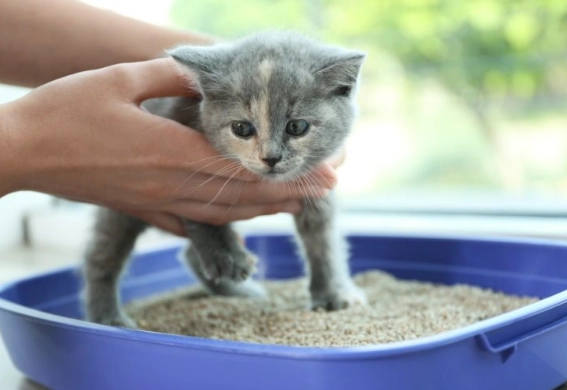
Problem: Kitten goes in one specific wrong spot (like your bed).
Oof, this is a tough one. It feels personal, but it's not. Your bed is soft, absorbent, and smells intensely like you (a source of comfort). To break this cycle:
1. Block access to that room when unsupervised.
2. Feed them or play with them on that spot. Cats don't like to eliminate where they eat.
3. Clean the area massively with an enzyme cleaner.
4. Place a litter box right next to that spot, then gradually move it inch by inch each day to a more suitable location.
Answers to Your Burning Questions (FAQs)
How long does it take to litter train a kitten that's never seen a box before?
If they're over 8 weeks old and healthy, their instinct is still strong. Follow the steps above, and they'll likely catch on within a week. The key is making the litter box the most appealing option—clean, accessible, and private.
Can you litter train an adult cat?
Absolutely. The process is identical. In fact, an adult cat from a shelter may already be trained. The challenge with adults is often re-training after they've developed a preference for a wrong spot or have a negative association with a box. It requires more patience but is very doable.
My kitten cries in the litter box. What's wrong?
Pay attention. Crying or straining can be a red flag for constipation or a urinary issue, especially in male cats. If it happens more than once, call your vet immediately. It could also be anxiety about the location—try a more secluded spot.
Do I need to train my kitten to use the toilet?
Personally, I'm not a fan. It goes against their natural digging and burying instinct and can be stressful. What happens when you're not home, or you move? A litter box is a clear, consistent bathroom signal for them. It's simpler and less anxiety-inducing for the cat.
How many litter boxes for two kittens?
The "one per cat plus one" rule is golden. For two kittens, you should have three boxes. This prevents resource guarding, gives them options if one is dirty, and reduces the chance of accidents. It seems like overkill, but it's one of the best ways to prevent problems in multi-cat homes.
The Final Scoop: Key Takeaways for Success
Let's wrap this up. How long does it take to litter train a kitten? For most, the core understanding happens in a few days to a week. Full reliability takes a bit longer as they grow.
Your cheat sheet for success:
• Start with the right gear: low-sided box, kitten-safe litter.
• Location matters: quiet, safe, accessible.
• Cleanliness is non-negotiable: scoop daily, wash weekly.
• Use positive reinforcement: praise the good, ignore/clean up the bad.
• Be a detective, not a judge: Accidents are information. Figure out the "why"—medical, location, litter, stress?
• When in doubt, call the vet: Sudden changes in bathroom habits are a primary reason for a check-up.
The process is usually smoother than you think. Kittens want to be clean. Your job is to make it easy for them. Set them up for success from day one with patience and the right setup, and you'll likely be amazed at how quickly they learn. Before you know it, the litter box routine will just be a normal, hassle-free part of life with your new best friend.
And honestly? The occasional accident, even months in, happens. Don't sweat it. Just grab that enzyme cleaner, take a deep breath, and remember you're both still learning.



Join the Conversation