Quick Navigation
Let's cut to the chase. You've got this tiny, fluffy ball of energy bouncing around your home, and the big question looming in your mind is: how long does it take to litter train a kitten? The short, honest answer? Anywhere from a few days to a few weeks. Sometimes, with a bit of luck and a very smart kitten, it can seem like they figure it out in a single afternoon. Other times, it's a two-steps-forward, one-step-back process that requires more patience than you knew you had.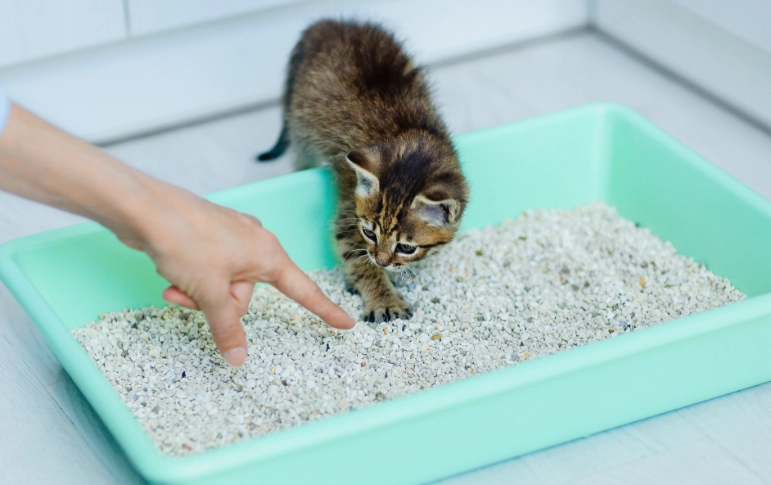
I've raised a few kittens in my time, and let me tell you, no two are the same. My first cat, Whiskers, took to the litter box like a duck to water. My second, Luna, had a stubborn streak and took a solid three weeks of gentle reminders. The timeline isn't set in stone—it's a dance between your kitten's instincts, your setup, and your consistency.
The Core Insight: Most kittens have a natural inclination to bury their waste. Your job isn't to teach them a completely foreign concept, but to guide them to the right spot (the box you bought) and make that spot the most appealing option. That's why the process is often called "litter box training" rather than potty training. We're harnessing an instinct.
What Actually Influences the Training Timeline?
Asking "how long does it take to litter train a kitten" is like asking how long it takes to bake a cake. It depends on the recipe, the oven, and the ingredients. Let's break down the ingredients for success (or the roadblocks to it).
The Kitten's Background and Age
This is the biggest factor. A kitten who stayed with its mother and littermates until at least 8 weeks old has likely had a crucial head start. Mama cat teaches her babies a lot about grooming and elimination habits. Kittens often learn by watching and mimicking. An orphaned kitten or one separated too early misses those lessons, so you'll need to be more hands-on, potentially lengthening the time it takes to litter train.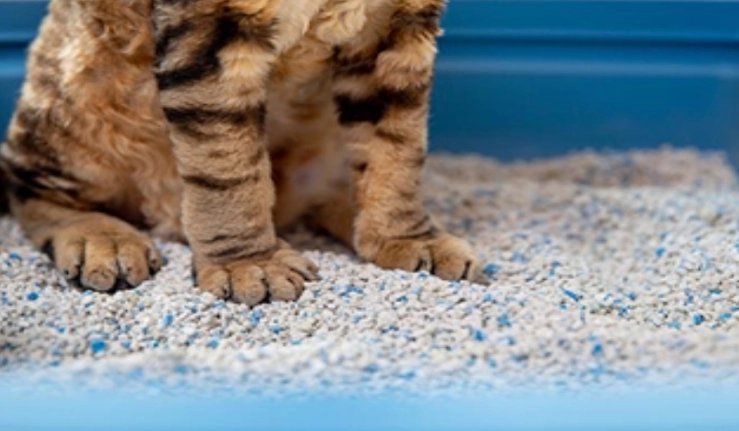
Age matters too. Very young kittens (under 4 weeks) physically can't control their bladder and bowels well. The ideal training window is between 4 and 8 weeks. If you're adopting an older kitten (say, 12+ weeks), they might have already developed good—or bad—habits elsewhere.
The Setup: Litter Box and Litter Choice
Get this wrong, and you're fighting an uphill battle. A box that's too high-sided might be a mountain to a tiny kitten. A box placed next to a loud washing machine? Forget it. You need to make the box inviting.
And the litter? This is where preferences get personal—for the cat. Some kittens hate the feeling of certain pellets under their paws. Others are put off by strong perfumes. The American Society for the Prevention of Cruelty to Animals (ASPCA) recommends starting with a fine-grained, unscented clumping litter, as it often most closely resembles the soft dirt they'd naturally dig in. You can check their general litter box problem guide for more on creating a good environment.
Here’s a quick rundown of common types and what to expect:
| Litter Type | Pros for Training | Cons/Considerations |
|---|---|---|
| Unscented Clumping Clay | Familiar texture, easy to dig. Kittens usually take to it quickly. | Dusty. Tracking. Not eco-friendly. |
| Paper-Based | Very soft, dust-free. Good for sensitive paws. | Doesn't clump well. May not feel "natural" for digging. |
| Wood Pellets | Natural, low tracking. | Texture can be strange for some kittens. Doesn't clump. |
| Silica Gel Crystals | Super absorbent, low maintenance. | The crunchy texture can alarm some kittens. Avoid for initial training. |
Your Consistency and Patience
This is on you. The process of figuring out how long does it take to litter train a kitten is directly tied to how consistent you are. Placing the kitten in the box after naps, meals, and play sessions creates a powerful routine. Using a consistent, positive tone (no yelling!) reinforces good behavior. If you're inconsistent, the kitten gets confused, and confusion leads to accidents. And accidents can reset progress.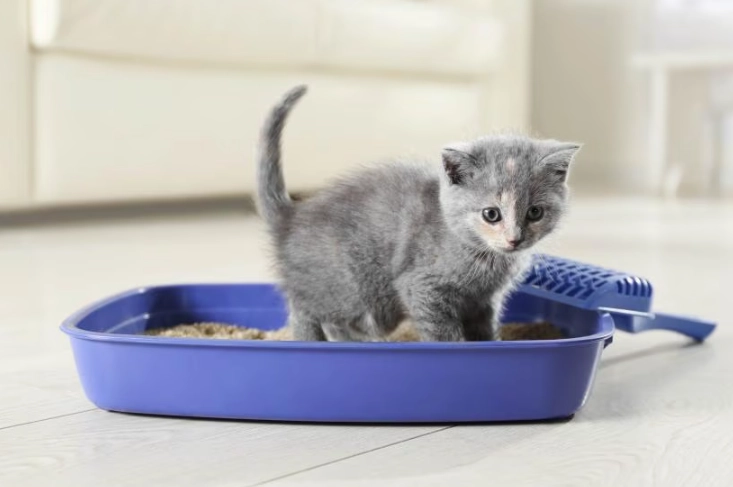
Patience is key.
Seriously. Getting frustrated and shoving the kitten's nose in an accident is not only cruel but completely counterproductive. It creates fear and anxiety around elimination, which is a surefire way to create long-term litter box aversion. The goal is to make the box a safe, positive place.
The Step-by-Step Process (What You Actually Need to Do)
Okay, so let's talk logistics. How do you actually do this? It's not magic, it's method.
Step 1: The Introductory Phase (Days 1-3)
When you first bring your kitten home, confine them to a small, safe room (like a bathroom or laundry room) with their food, water, bed, and the litter box. Make sure the box is as far away from the food and bed as possible—cats are clean animals and don't like to eat where they eliminate.
Show them the box. Gently place them in it. You can even take their front paw and make a gentle scratching motion in the litter. Let them sniff and explore. Do this several times a day, especially after they wake up and after they eat.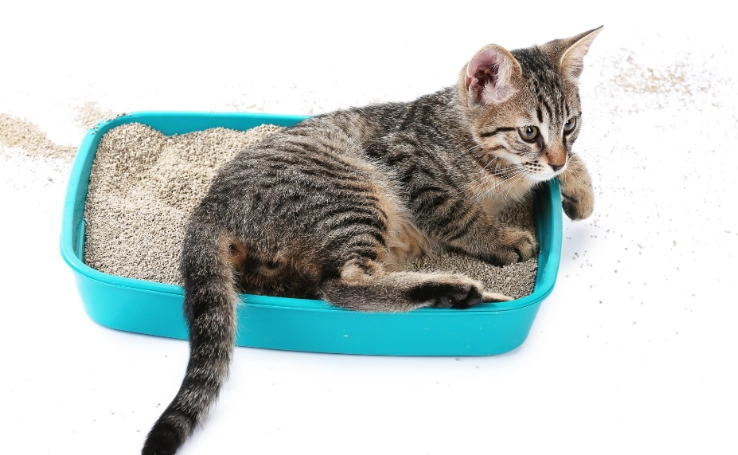
Pro Tip: If you can, get a bit of used litter from the breeder or shelter. Placing this in the new box adds a familiar, "this is the bathroom" scent that works wonders.
Step 2: The Association & Expansion Phase (Week 1-2)
Once they're reliably using the box in their safe room, you can start giving them supervised access to more of the house. But here's the trick: add more litter boxes. The general rule is one box per cat, plus one extra. For a single kitten, start with at least two boxes in different, quiet locations.
Continue the routine of placing them in a box after key activities. Praise them lavishly when they use it correctly—a happy "Good job!" and a treat can reinforce the behavior powerfully. Positive reinforcement is your best friend here. Resources from organizations like the Feline Advisory Bureau (International Cat Care) emphasize this reward-based approach.
Step 3: The Habit Formation Phase (Week 2 and Beyond)
This is where you see if the habit has truly stuck. Your kitten should start seeking out the box on their own. You can gradually reduce the frequency of physically placing them in it, but keep up the praise for successes.
Maintenance becomes crucial. Scoop the boxes at least once a day. Cats are fastidious. A dirty box is a major reason a trained kitten will start going elsewhere. Do a full litter change and wash the box with mild soap weekly.
So, to directly answer how long does it take to litter train a kitten through this process? The introductory phase is quick. The association phase is where the real work happens over 1-2 weeks. Full, reliable habit formation might take 3-4 weeks for many kittens.
Common Problems and How to Solve Them (When It's Taking Too Long)
What if it's been three weeks and you're still finding surprises behind the couch? Don't panic. Let's troubleshoot.
Problem: The Kitten is Going Right Next to the Box.
This is frustratingly common. It usually means they dislike something about the box itself. Is it too dirty? Is it covered (some cats feel trapped)? Is the litter type annoying them? Try a larger, uncovered box with a different litter.
Problem: Sudden Regression After Success. A previously well-trained kitten having accidents is a red flag. First, rule out medical issues. A urinary tract infection (UTI) can make elimination painful, and the kitten may associate the box with pain. This is non-negotiable—a vet visit is required. The American Association of Feline Practitioners (AAFP) guidelines stress that behavioral issues are often medical first. After a clean bill of health, look for environmental stressors: a new pet, a new person, a change in routine, or a new cleaning product used on the box.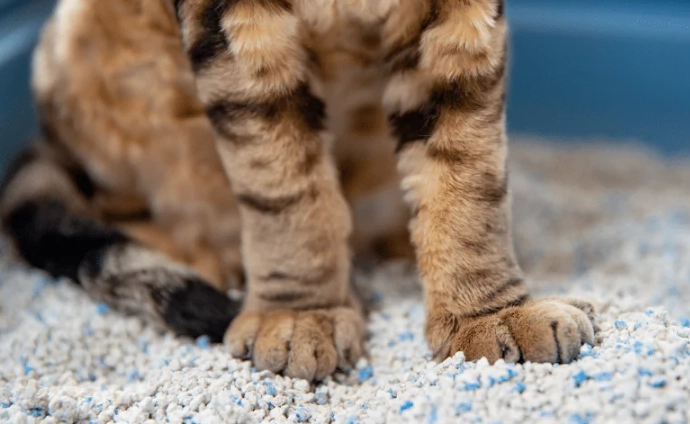
Problem: They Just Don't Seem to Get It. For a very young or slow-to-learn kitten, you may need to go back to basics. Confine them to the safe room again for a few days to re-establish the habit. Ensure the litter is very shallow (just an inch or so) so it's not intimidating to dig in.
Answers to Questions You're Probably Searching
Q: Can you litter train an older cat?
A: Absolutely. The principles are the same, but it may require more patience if the cat has established preferences or bad habits. The process for how long does it take to litter train a kitten is generally faster than with an adult cat, but adults can absolutely learn or re-learn.
Q: How many litter boxes do I really need?
A: For one kitten, start with two. It increases success rates dramatically by giving them options. Place them in quiet, low-traffic areas on different floors if possible.
Q: My kitten plays in the litter box. Is this normal?
A: Yes, especially for young kittens! They might dig, roll, or even nap in it. It's a novel substance. This usually fades as they grow up. Just make sure to use a non-toxic, dust-free litter during this phase.
Q: Should I punish my kitten for accidents?
A: No. Never. Punishment creates fear and anxiety, which makes the problem worse. It erodes trust and can damage your bond. Clean the accident thoroughly with an enzymatic cleaner (to remove the scent) and simply redouble your efforts with positive reinforcement at the box.
Setting Realistic Expectations and Celebrating Wins
Look, the internet is full of stories about kittens who were perfect in 24 hours. Good for them. That's not everyone's reality. When you're deep in it, wondering how long does it take to litter train THIS kitten, it can feel endless.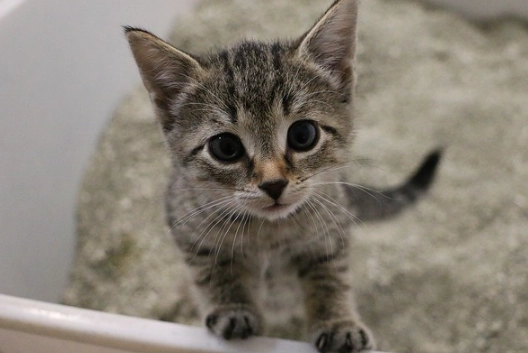
My advice? Focus on the trend, not the single accident. Are accidents becoming less frequent? Is the kitten starting to go to the box on its own more often? Those are wins. Celebrate them.
Keep a simple log for the first couple of weeks. Note successes and accidents. It helps you see progress objectively and can identify patterns (e.g., "always has an accident after a particularly wild play session").
In the end, the journey of how long does it take to litter train a kitten is a blend of instinct, environment, and gentle guidance. It's one of the first big responsibilities of pet ownership, and getting it right sets the foundation for a happy, confident cat and a clean home. It requires an investment of time and attention upfront, but the payoff—a reliably house-trained feline companion—is worth every moment. Stick with the plan, be patient, and trust the process. You and your kitten will get there.
And one day, sooner than you think, you'll realize you haven't thought about the litter box routine in ages. It'll just be a normal, effortless part of your life together. That's the real goal.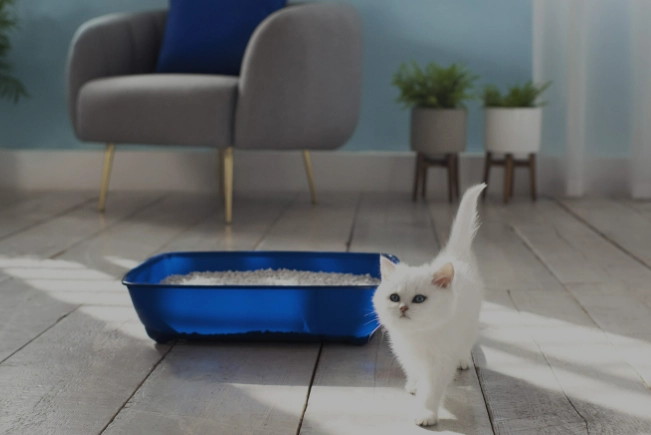


Join the Conversation