You just brought home your new ball python or corn snake. It's beautiful, fascinating, and sitting quietly in its new enclosure. Your first instinct is probably to reach in and hold it. I get it—I've been there. But here's the hard truth from someone who's kept snakes for over a decade: picking it up right now is one of the worst things you can do. The single most important piece of advice for new snake owners is to wait. But how long? The short answer is a minimum of 5 to 7 full days of zero handling, with no exceptions for "just a quick peek." Let's break down why this period is non-negotiable and how to navigate it successfully.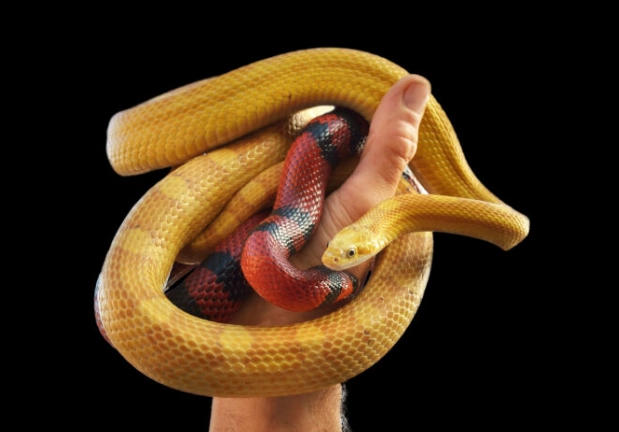
What You’ll Find in This Guide
- Why You Absolutely Must Wait to Handle Your New Snake
- The Realistic Handling Timeline: From Day 1 to First Hold
- How Do I Know If My Snake Is Ready to Be Held?
- The Step-by-Step Guide to Your First Handling Session
- Common Handling Mistakes (And How to Avoid Them)
- Your Snake Handling Questions, Answered
Why You Absolutely Must Wait to Handle Your New Snake
Think about what your snake just went through. It was taken from its familiar environment, placed in a bag or container, transported (often with loud noises and vibrations), and finally deposited into a completely new space with unfamiliar smells, sights, and humidity levels. That's incredibly stressful for an animal whose primary instinct is security.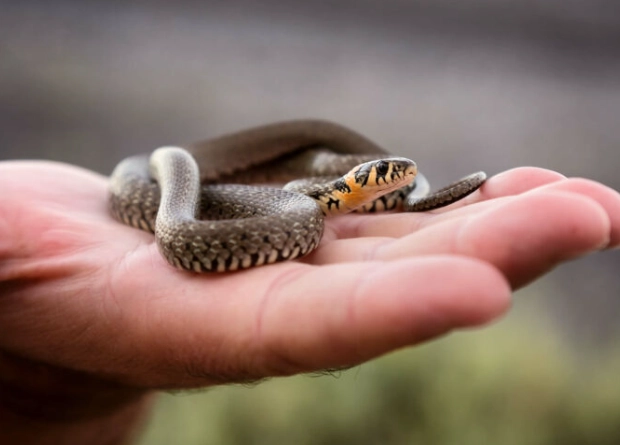
Handling during this time adds a massive predator-like threat on top of relocation stress. This isn't just about them being "shy." Chronic stress suppresses the immune system, making snakes far more susceptible to respiratory infections and other illnesses. It can also lead to refusal to eat, a problem that can snowball quickly for a new pet.
I made this mistake with my first corn snake, Apollo. I was too excited and handled him on day three. He refused his first three meal offerings, and it took weeks of patient non-interaction to get him back on track. The week of silence feels long, but it sets the foundation for years of positive interaction.
The Realistic Handling Timeline: From Day 1 to First Hold
Let's map out a typical, successful schedule. This assumes a healthy, juvenile or adult snake (hatchlings are more delicate and may need even more time).
| Time Period | What To Do | What To Avoid | Goal |
|---|---|---|---|
| Days 1-7 | Place enclosure in quiet room. Provide water, hides, proper heat. Only open to change water. Observe from a distance. | ANY handling. Poking or tapping on the glass. Hovering over the enclosure for long periods. | Let the snake acclimate and feel secure. Establish a baseline for normal behavior. |
| Day 7 or 8 | Offer the first meal (pre-killed, appropriate size). Do this calmly at dusk/night for nocturnal species. | Handling before or after feeding. Offering food if the snake is in shed (blue eyes, dull skin). | Get a successful first feed. This is the green light for the next phase. |
| 48 Hours Post-Feed | Wait. The snake needs to digest. No interaction. | Disturbing the snake at all. Even cage cleaning should wait if possible. | Allow complete digestion to prevent regurgitation. |
| Day 10-11 (Approx.) | First handling session. Keep it to 5-10 minutes, in a secure, quiet area. | Long sessions, introducing to other people or pets. Handling if the snake seems defensive. | Positive, short, and stress-free first contact. |
This timeline can stretch. If the snake refuses the first meal, wait another 5-7 days before offering again. Don't attempt handling until it has eaten. If it goes into shed during the first week, pause everything until the shed is complete. A shedding snake is stressed and virtually blind—handling is a terrible idea.
How Do I Know If My Snake Is Ready to Be Held?
Calendar dates are a guide, but your snake's behavior is the ultimate signal. Before you even think about opening the enclosure, look for these signs of acclimation:
It's using its hides. A snake that spends all day curled in its hide (especially the warm hide) is a normal snake. One that is perpetually pressed against the glass or in an exposed, tense coil is still stressed.
It explores at night. For nocturnal species like ball pythons, you should see signs of nighttime activity—rearranged substrate, a moved water bowl, the snake in a different part of the cage in the morning. This shows curiosity, not panic.
It tongue flicks calmly when you approach. If you slowly approach the enclosure and the snake flicks its tongue a few times and goes back to resting, that's good. If it retracts sharply, holds very still, or adopts an S-coil defensive posture, it's not ready.
The big one: It ate successfully. A snake that is comfortable enough to eat in its new home has passed the biggest test. This is your primary behavioral green light.
Red Flags: When to Delay Handling
Ignore the timeline if you see: hiding constantly and refusing food; rapid, erratic movements when you're near; frequent hissing or striking at the glass (common in some species like king snakes, less so in balls); any signs of illness like wheezing or mucus. Address the underlying stress or health issue first. The Association of Reptilian and Amphibian Veterinarians (ARAV) is a great resource for finding a vet and understanding health basics.
The Step-by-Step Guide to Your First Handling Session
Alright, the wait is over. It's go time. Here's how to make that first hold a positive experience for both of you.
1. Set the Scene. Choose a quiet room with no loud TVs or music. Close the door to prevent escapes. Have a solid sitting surface like a bed or couch, and clear the floor of clutter. Wash your hands—snakes smell very well, and you don't want to smell like lunch.
2. Approach with Confidence (Not Force). Move slowly. Open the enclosure without sudden jerks. Don't reach straight for the snake from above—this mimics a predator. Instead, slide your hand gently under its mid-section from the side. If it pulls away, try again with steady, calm pressure. Hesitation can make you seem like prey to be challenged.
3. Support, Support, Support. Once you've lifted it, immediately use both hands to support its body. Let it move freely through your fingers. Don't grip or restrain. Your goal is to be a moving tree branch, not a cage. Keep the session short—5 minutes is plenty. End on a positive note before it shows signs of stress.
4. The Return. To put it back, lower it gently into its enclosure, letting it slide off your hands onto the substrate. Don't drop it. Close the lid securely. Then, leave it alone for at least two days to decompress.
Frequency after that? For a new snake, 2-3 short sessions per week is ample. Daily handling is overkill and can become a source of stress, not bonding.
Common Handling Mistakes (And How to Avoid Them)
Even with good intentions, it's easy to slip up. Here are the pitfalls I see most often.
Mistake 1: Handling for too long, too soon. A 30-minute session might seem fun, but for a new snake, it's an eternity of perceived threat. Short and sweet builds positive associations.
Mistake 2: Handling around feeding day. A general rule: don't handle for 24 hours before offering food, and for 48 hours after. Handling before can stress them into refusal. Handling after can cause regurgitation, a serious health setback.
Mistake 3: Punishing defensive behavior. If your snake strikes or musks (releases a foul-smelling substance), the worst thing you can do is put it back immediately. This teaches it that being defensive makes the scary thing (you) go away. If it's safe to do so, complete the intended short handling session calmly. If you must abort, wait a minute, then try again more slowly. Never yell, tap, or blow on the snake.
Mistake 4: Forcing interaction when the snake is in shed. Their vision is impaired, their skin is sensitive, and they feel vulnerable. Just don't. Wait until the shed is complete and the eye caps are clear.



Join the Conversation