Quick Navigation
- What Does "Litter Trained" Really Mean?
- The Realistic Timeline: How Long Does It Actually Take?
- What Speeds Up or Slows Down the Clock? The Key Factors
- The Step-by-Step Guide to Success (What Actually Works)
- When Things Go Wrong: Solving Common Litter Box Problems
- Your Top Questions Answered (FAQs)
- Final Thoughts: Patience Over Perfection
So you've brought home an adult cat, maybe a rescue or a rehomed friend, and the big question is staring you in the face: how long to litter train an adult cat? Let's get real right away. If you're hoping for a magic number like "three days," I'm sorry to disappoint. The honest answer is, it depends. It really, really depends. But don't let that scare you off. For many cats, the basics can click in a few days. For others, it might be a weeks-long project of patience and understanding. I've seen both extremes, and a whole lot in between.
The core of it is this: most adult cats have a natural instinct to bury their waste. Your job isn't to teach them what to do, but where to do it. You're managing their preferences and building a habit. That's a much easier task than starting from zero with a kitten.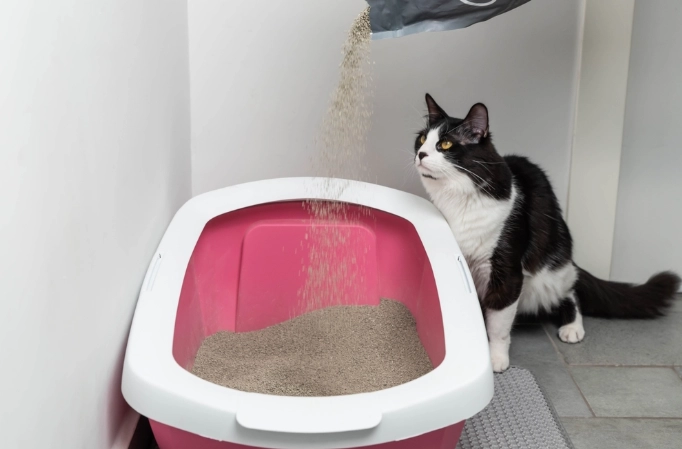
The Short Answer: For a cat with a positive history of using a litter box, training can take as little as 24 to 48 hours of proper introduction. For cats with negative associations, anxiety, or health issues, expect a process of 2 to 8 weeks, sometimes longer. The key is consistency, not speed.
What Does "Litter Trained" Really Mean?
Before we talk timelines, let's define success. A "litter trained" adult cat isn't just one who uses the box once. It's a cat who consistently and reliably chooses the litter box over your rug, your laundry basket, or that cozy corner behind the sofa. It means they understand the location, feel comfortable using it, and have formed a solid habit. That's the goalpost.
I remember helping a friend with a cat named Whiskers who'd only lived outdoors. The first week was a disaster zone. But once he got the idea, he became the most fastidious box-user I've ever seen. He just needed time to connect the dots in his new, confusing indoor world.
The Realistic Timeline: How Long Does It Actually Take?
Let's break down the journey. Think of it in phases, not a single countdown.
The Initial Acceptance Phase (Days 1-3)
This is the critical first impression. Your goal is to get the cat to use the box once successfully. You're setting up the box in a quiet, accessible location (more on that later), placing the cat in it gently after meals and naps, and letting curiosity do the rest. Many cats, especially if they've used a box before, will get this within the first day or two. If they don't, don't panic. You're just gathering information.
But what if your cat just refuses? That's a signal. It tells you something is wrong—maybe the litter type, the box location, or the box itself is a problem. The timeline for how long to litter train an adult cat stretches right here based on your detective work.
The Habit Formation Phase (Week 1 - Week 4)
After that first successful use, you're in the reinforcement phase. Every time they use the box correctly, it strengthens the neural pathway. Consistency from you (keeping the box clean, in the same spot) is everything. For a cat adjusting well, consistent habit can form within a week or two. This is where most people see steady progress and start to relax.
The Reliability & Trust Phase (Month 1 and Beyond)
This is the final stretch. The cat isn't just using the box; they prefer it. They seek it out. They might even remind you if it's too dirty for their standards. For cats with past trauma, fear, or ongoing mild stress, reaching 100% reliability can take a month or more. Setbacks can happen (a loud noise near the box, an illness), but the foundation is solid.
So, when someone asks how long to litter train an adult cat, you can see why the answer isn't simple. A formerly indoor cat who slipped outside for a year might relearn in a weekend. A feral-born cat learning to trust indoors might need two months of gentle encouragement.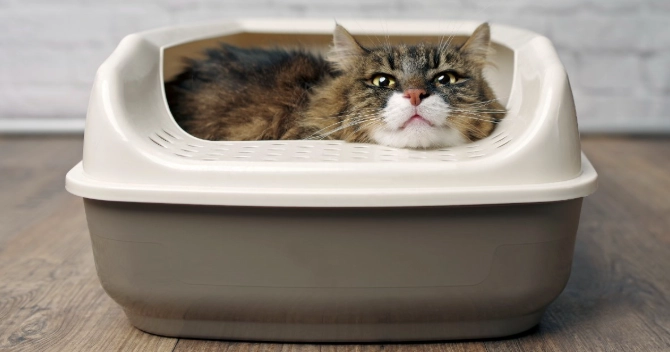
What Speeds Up or Slows Down the Clock? The Key Factors
This is the heart of understanding your own timeline. It's not random; it's caused by specific, manageable factors.
| Factor | Impact on Timeline | What You Can Do |
|---|---|---|
| Previous Experience | Biggest factor. A cat with positive box history trains fastest (days). A cat with no history or negative history (punishment, dirty boxes) takes much longer (weeks+). | Ask the previous owner/shelter about habits. Start with a simple, large, open box to rebuild positive associations. |
| Health Status | A urinary tract infection (UTI), arthritis, or diabetes can cause avoidance and accidents, halting all progress. | Rule out medical issues first. A vet check is non-negotiable if there are accidents or hesitation. The American Veterinary Medical Association (AVMA) lists inappropriate elimination as a top reason for vet visits, often linked to health problems. |
| Stress & Environment | Moving homes, new pets, loud noises = stress. Stressed cats often stop using the box properly, delaying training. | Create a safe, quiet base camp room for the first week. Use pheromone diffusers (like Feliway). Introduce changes slowly. The ASPCA has excellent guides on managing stress in cats that are spot-on. |
| Litter Box Setup | Wrong litter, a covered box, a noisy location, or too few boxes can make a cat reject the box entirely. | Offer choices. Start with unscented, fine-clumping litter. Have n+1 boxes (one more than the number of cats). Place them in quiet, low-traffic zones, not next to loud appliances. |
| Your Consistency & Patience | Inconsistent reactions (yelling, moving the box) confuse the cat and reset progress. Patience speeds things up. | Clean accidents with enzymatic cleaner (never ammonia). Praise success quietly. Never punish. Stick to a routine. |
See? It's not magic. It's troubleshooting. If you're stuck wondering how long to litter train an adult cat will take in your situation, run down this list. Your answer is probably here.
The Step-by-Step Guide to Success (What Actually Works)
Okay, theory is done. Here's the actionable plan. Follow these steps, and you'll minimize the time it takes.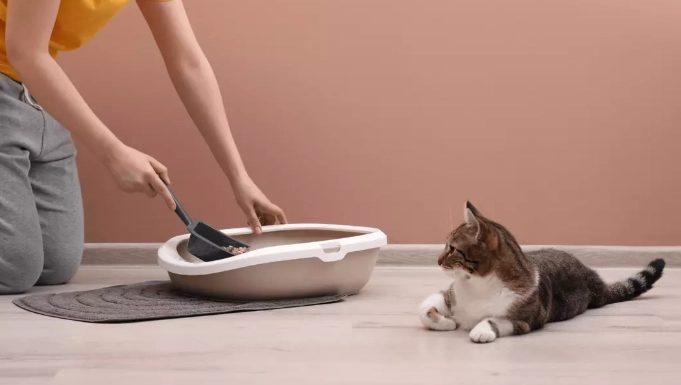
Step 1: The Pre-Arrival Setup (Do This First)
Before the cat even enters your home, set up a "sanctuary room"—a small room like a bathroom or spare bedroom. This is their safe space. In it, place:
- The Litter Box: As far away from the food and water bowls as possible. Cats don't like to eat where they eliminate. Use a large, open box to start.
- Litter Choice: Ditch the heavy perfumes. Start with a basic, unscented clumping litter. It's the most widely accepted. You can find great comparisons on resources like the International Cat Care's page on litter and litter trays.
- Food, Water, Bed, & Toys: Make the room inviting, not just a bathroom.
Step 2: The Introduction (The First 24-48 Hours)
Bring the cat into the sanctuary room and let them explore. Don't force interaction. After they've sniffed around, gently place them in the litter box. You can take their front paw and make a gentle scratching motion in the litter. Do this after they wake up and after they eat. Then, leave them alone. Let them make the choice.
Common Mistake: Giving the cat free reign of the house immediately. This is overwhelming and increases the chances of an accident in a hidden spot, which then becomes a habit. Confinement is your friend for fast training.
Step 3: Positive Reinforcement & Pattern Building
When you see them use the box (or even just investigate it seriously), offer quiet praise or a tiny treat. The association should be: Litter Box = Good Things. Keep the box impeccably clean. Scoop at least once, ideally twice, a day. A dirty box is a major reason cats find alternatives.
Cleanliness is non-negotiable.
Step 4: Gradual Expansion
After a few days of consistent box use in the sanctuary room, you can slowly let them explore other parts of the house for short, supervised periods. Before you let them out, make sure they've used the box. Consider adding a second litter box in the area they'll explore next. This prevents "I can't hold it, the box is too far" accidents.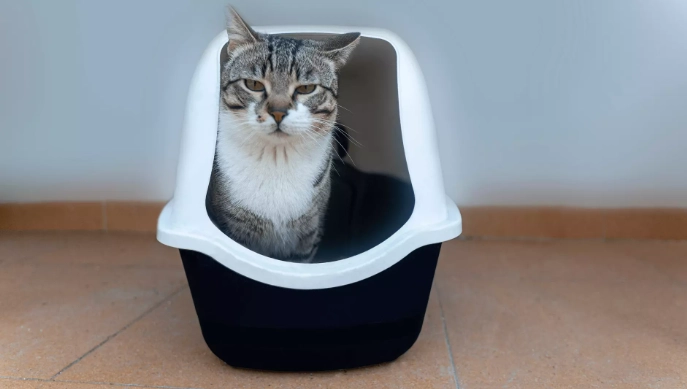
When Things Go Wrong: Solving Common Litter Box Problems
Sometimes, despite your best efforts, problems pop up. This is where timelines get extended, but solutions exist.
Problem: The Cat Avoids the Box Completely
Check health first. Always. Then, audit your setup. Is the box covered? Many cats hate hoods—they trap smells and make them feel vulnerable. Try removing it. Is the litter too deep or too shallow? Try 2-3 inches. Is the box in a high-traffic area or next to a rattling washer? Move it.
Problem: The Cat Uses the Box Sometimes, But Has Accidents
This is often a cleanliness or quantity issue. Are you scooping enough? Is one box enough for your home's size? The general rule is one box per cat, plus one extra. So, for one cat, you should have two boxes, in different locations. It seems like a lot, but it solves so many problems.
Problem: The Cat Was Trained, Then Started Going Elsewhere
This is called regression. First, another vet check to rule out new health issues. Then, think about stress. Did you get new furniture? A new pet? A new work schedule? Cats are creatures of habit. Any change can trigger this. Go back to basics—confinement to the sanctuary room with the box for a few days to re-establish the habit. It's frustrating, but it works.
The question of how long to litter train an adult cat often hits a snag here. A regression can feel like starting over, but it usually goes much faster the second time because the underlying knowledge is there.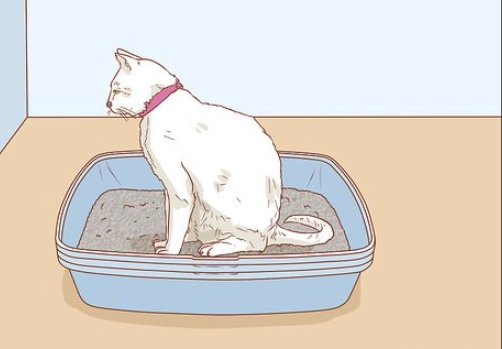
Your Top Questions Answered (FAQs)
Final Thoughts: Patience Over Perfection
Asking how long to litter train an adult cat is the right first question, but don't let the answer dictate your stress level. Some cats are just quick studies. Others need you to work through their checklist of preferences and fears. The timeline is a guideline, not a promise.
The goal is a happy, comfortable cat who knows where to go. That's built day by day, with a clean box, a quiet spot, and a lot of understanding. Start with the sanctuary room, rule out health problems, and be the calm, consistent guide your new cat needs. You'll get there.
And when they finally curl up on your lap, purring, after using their box perfectly, you'll forget all about counting the days.





Join the Conversation