Let's be honest. Professional dog grooming adds up. A basic bath and brush can easily run you $50, and a full groom for a larger or long-haired dog? Forget about it. But here's the secret most groomers won't tell you upfront: a huge portion of what they do is maintenance you can absolutely handle at home. I'm not saying you should suddenly give your Poodle a continental clip. But with the right approach, you can keep your dog clean, comfortable, and looking great between professional visits—or even replace some of them entirely. It saves money, strengthens your bond, and lets you spot potential health issues early. The trick is knowing how to do it without turning your bathroom into a war zone.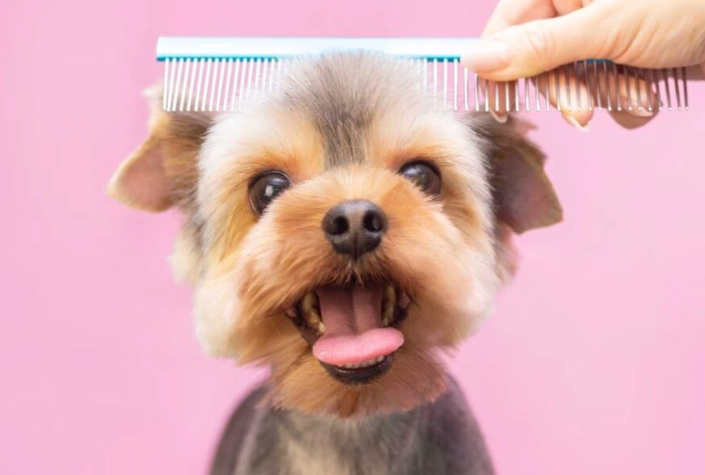
What's Inside: Your At-Home Grooming Roadmap
Gathering Your Grooming Arsenal (The Right Tools Matter)
You wouldn't try to paint a room with a toothbrush. Grooming is the same. Using the wrong brush can hurt your dog or just be useless. This isn't about buying the most expensive kit; it's about buying the right tools for your dog's coat.
Here’s a breakdown of the essentials, based on coat type. The International Professional Groomers (IPG) emphasizes that proper tool selection is 80% of successful grooming.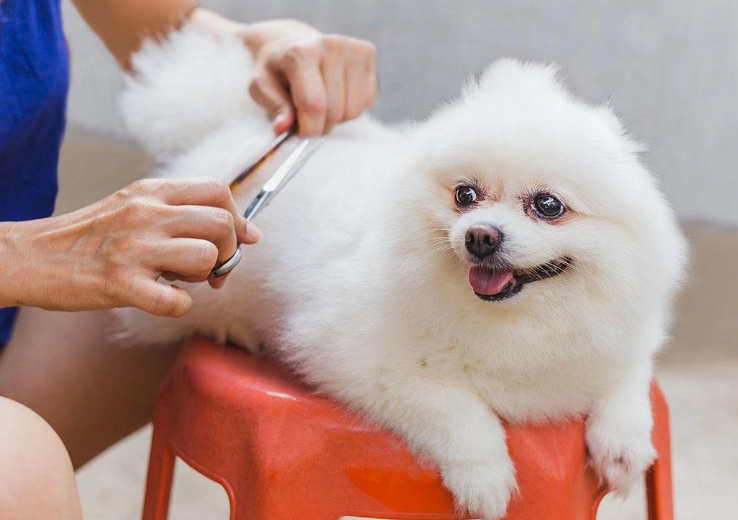
| Coat Type | Essential Brush/Tool | What It Does | Common Mistake to Avoid |
|---|---|---|---|
| Short & Smooth (Labrador, Beagle, Boxer) | Rubber curry brush or grooming mitt, Shedding blade | Lifts dead hair, stimulates skin, distributes oils. The shedding blade is a game-changer during blow-out seasons. | Using a slicker brush. It just skims the surface and does nothing for undercoat. |
| Double Coat (Husky, German Shepherd, Golden Retriever) | Undercoat rake, Deshedding tool (like a Furminator), Slicker brush | The rake and deshedder pull the loose undercoat. The slicker brushes out the topcoat. This combo prevents matting and reduces shedding by 90%. | Shaving the dog. It ruins the insulating coat and can lead to permanent coat damage. |
| Long & Silky (Yorkshire Terrier, Maltese, Afghan) | Metal comb (wide & fine-tooth), Pin brush, Detangling spray | The comb is your truth-teller. If it doesn't glide through to the skin, there's a mat. The pin brush is for daily maintenance. | Brushing only the top layer. You must section the hair and comb from skin to tip, every time. |
| Curly/Wiry (Poodle, Bichon, Terriers) | Slicker brush, Metal comb, Thinning shears | The slicker penetrates tight curls. Follow immediately with a comb. Thinning shears help blend trims without harsh lines. | Using scissors on dry, unbrushed hair. You'll get choppy, uneven results and risk cutting the skin. |
Other non-negotiable items: dog-specific shampoo and conditioner (human pH is wrong for their skin), a secure non-slip mat for the tub, several absorbent towels, blunt-tipped nail clippers or a grinder, styptic powder (for quick stops if you nick the quick), canine ear cleaner, and cotton balls or pads. Skip the hair dryers meant for people unless they have a cool setting; a high-velocity pet dryer is ideal but a towel and a warm room work.
The Pre-Groom Check: Safety & Setup
Rushing in is how accidents happen. Set the stage for success.
First, do a full hands-on check. Run your hands over your dog's entire body. Look for lumps, bumps, hot spots, redness, ticks, or any signs of irritation. Check between toes and under the armpits. If you find a mat, don't just yank at it with scissors. You can easily cut the skin trapped inside. Try working it apart gently with your fingers and a detangling spray, or carefully cut it out with the tips of blunt scissors parallel to the skin.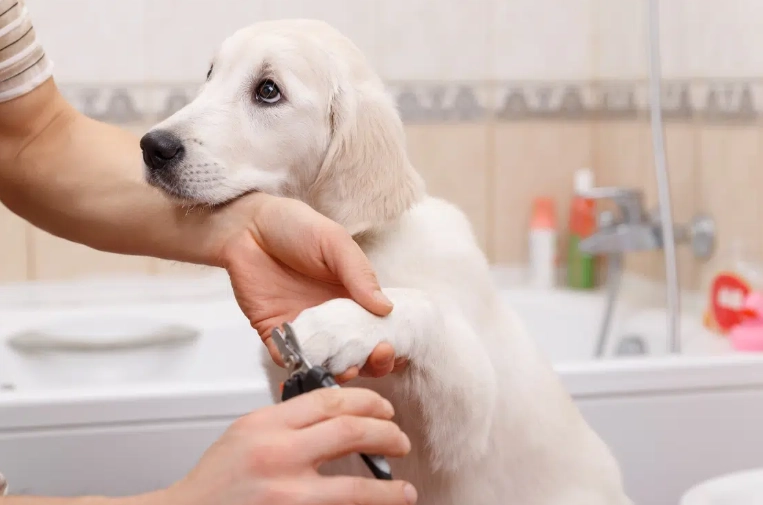
Next, prep your space. The bathroom is usually best. Put down that non-slip mat. Have all your tools, towels, and treats within arm's reach. You don't want to turn away from a soapy, wiggly dog. Speaking of treats, use high-value ones (cheese, chicken) and practice positive reinforcement. Groom for a few minutes, treat. Touch the paw with the clipper, treat. This builds positive associations.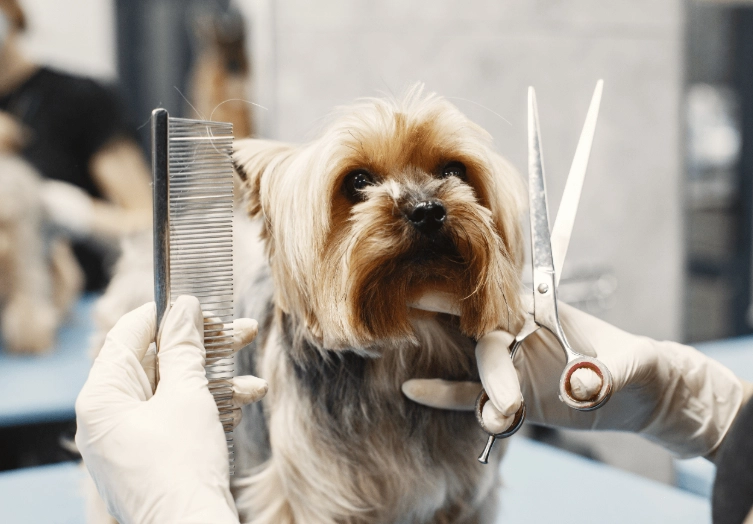
The Step-by-Step Grooming Process
This is the core of your home grooming routine. Follow this order. Doing it out of sequence makes everything harder.
Step 1: The Thorough Brush-Out (The Most Important Step)
Never, ever bathe a dirty, unbrushed dog. Water will tighten any existing mats into felt-like nightmares that are impossible to brush out. This step might take the longest, especially for a heavy shedder.
Start with the appropriate brush from the table above. Work in sections, against the grain to lift the undercoat, then with the grain to smooth it. Pay extra attention to friction areas: behind the ears, under the collar, the armpits, and the back of the hind legs. Your goal is to get the brush or comb to glide through the coat smoothly, from skin to tip, with no resistance. If you hit a snag, stop and address it.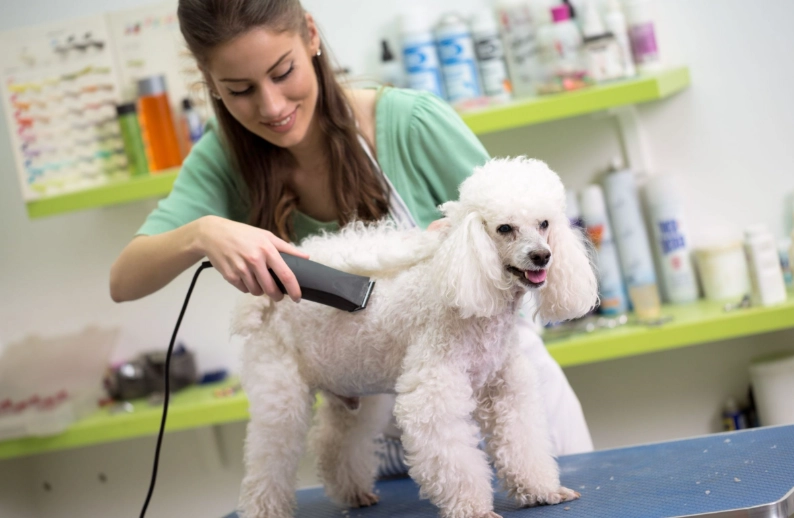
Step 2: How to Bathe Your Dog Without the Drama
Place your dog in the tub on the mat. Use a handheld sprayer or a jug to wet them thoroughly, avoiding the head for now. Start at the neck and work back. Apply shampoo diluted with water (it spreads easier and rinses cleaner). Lather well, massaging down to the skin. This isn't just cleaning; it's a great skin massage.
Rinse, rinse, and rinse again. Shampoo residue is a major cause of itchiness. I do the "squeaky clean" test: run your fingers through the coat against the grain. If it squeaks, you're done. Apply conditioner if needed, let it sit, and rinse completely.
Step 3: The Dry Down
Gently squeeze excess water from the coat. Don't rub vigorously with a towel; this can tangle hair and cause breakage. Pat and blot. For long-haired dogs, you can loosely wrap them in a towel like a burrito for a few minutes.
If you're using a dryer, start on the lowest heat or cool setting. Keep it moving constantly and at a distance. Use a brush to lift the hair as you dry, which helps prevent mats from forming as the coat dries. For dogs terrified of the dryer, just towel dry well and keep them in a warm, draft-free room until completely dry. A damp dog is a magnet for skin issues and mats.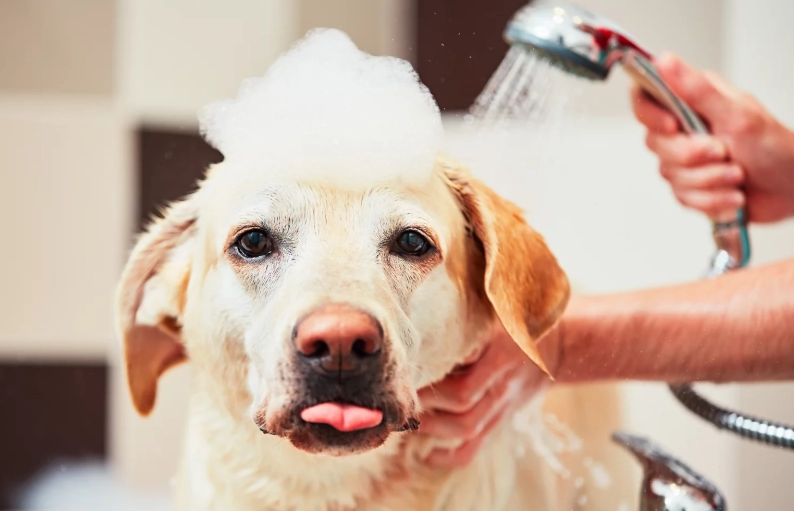
Step 4: The Finishing Touches
Once completely dry, give a final light brush. Now tackle the nails. Hold the paw firmly but gently. Identify the quick (the pink part inside clear nails; in black nails, it's invisible, so trim tiny bits). Take off small slivers. If you're unsure, just file the tips with a grinder. The American Kennel Club (AKC) notes that regular walking on pavement can help file nails naturally, but most dogs still need trims.
For ears, soak a cotton ball with canine ear cleaner. Wipe the visible part of the inner ear flap and the entrance to the ear canal. Never use Q-tips deep in the ear. You're just cleaning what you can see.
Tackling the Tricky Trims: Paws, Face & Sanitary Areas
This is where people get nervous. You don't need to sculpt a masterpiece. You just need neatness, comfort, and hygiene.
Paw Pads: With blunt-tipped scissors, carefully trim the hair growing between and around the pads so it's flush with the pad. This gives better traction and prevents ice balls in winter. Hold the foot from above, spreading the toes gently.
Sanitary Trim: For hygiene and comfort, trim the hair around the genitals and anus very short. Use clippers with a #10 blade (safe) or carefully use scissors, holding the skin taut away from the blades. For long-haired dogs, also trim the belly and back of the hind legs to prevent urine and feces from sticking.
Face & Eyes: Use blunt-tipped, curved shears. Hold your dog's muzzle gently but firmly. For hair obscuring vision, comb it down over the eyes and trim just enough to see. Trim around the mouth to keep it clean. The key is small, confident snips. If your dog jerks, stop and reassure.
Pro Tips for Specific Coat Types
A one-size-fits-all approach fails in grooming.
For my own double-coated dog, a German Shepherd mix, the bi-weekly undercoat raking session is sacred. I do it outside and the amount of fur that comes out is staggering. It looks like I could make another dog. If I skip this, the shedding indoors becomes unmanageable and he gets overheated.
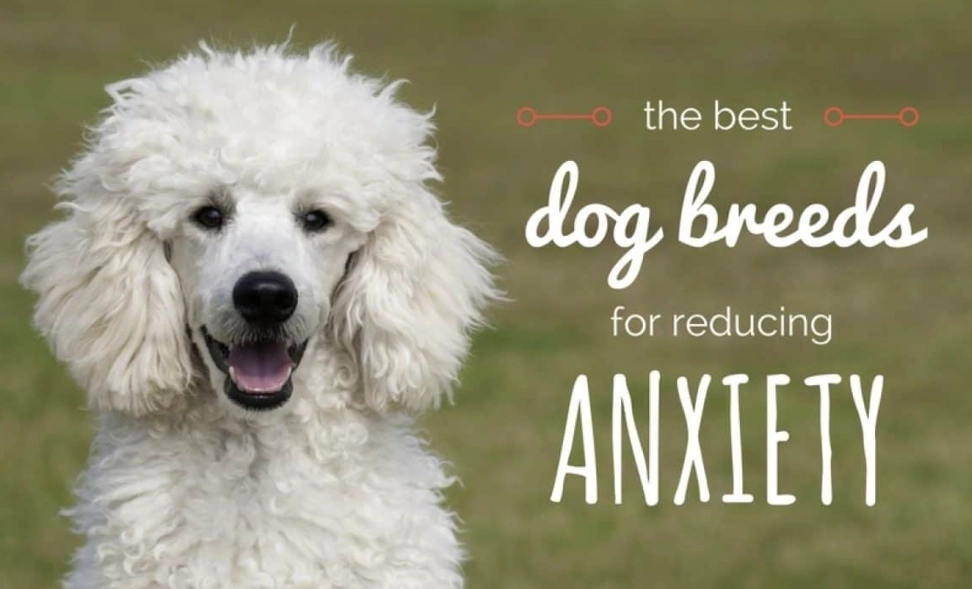
For poodle mixes, the "puppy cut" is a lifesaver for owners. It's essentially an even length all over (1-2 inches) with a rounded face and feet. It's forgiving to trim at home with clippers and a guard comb. The secret? Go over the same spot multiple times with the clippers in the direction of hair growth. One pass leaves lines.
Short-haired dogs benefit immensely from a rubber curry brush used in circular motions before bathing. It brings all that dead hair to the surface so the bath washes it away instead of leaving it on your couch.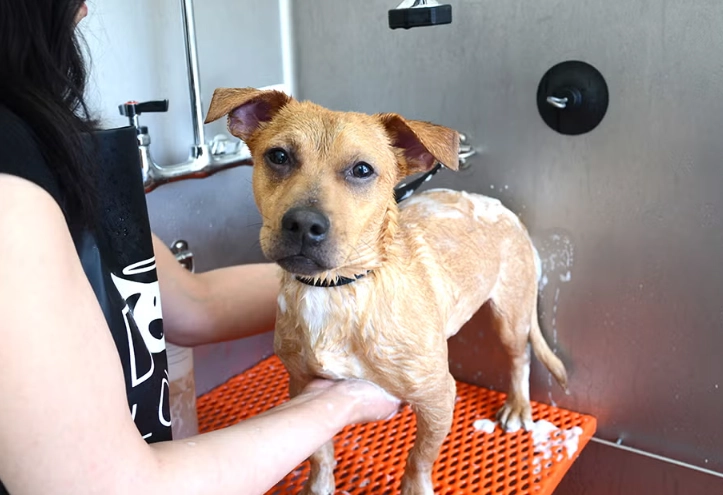
Join the Conversation