Quick Navigation
- The Foundation: Understanding Your Cat's Mindset
- Gathering Your Supplies: The Right Tools for the Job
- The Step-by-Step Training Process
- Choosing the Best Litter Box Setup: A Comparison
- Solving Common Litter Box Problems (The Not-So-Fun Part)
- Advanced Tips and Special Situations
- Your Questions, Answered (FAQs)
- Wrapping It Up: Patience, Observation, and Cleanliness
If you're sitting there, staring at a new bag of cat litter and a bewildered kitten (or maybe a stubborn older cat), and the question "how do I train my cat to use the litter box?" is looping in your head, take a deep breath. You're not alone. I've been there, with a tiny fluffball who seemed to think the bathmat was a far superior option. It was frustrating, I won't lie.
But here's the good news: most cats have a powerful natural instinct to bury their waste. Your job isn't so much to train them from scratch, but to gently guide that instinct to the right spot. It's about setting the stage so perfectly that using the litter box becomes the obvious, easy choice. This guide is going to walk you through exactly how to do that, step-by-step, without the stress (for you or the cat). We'll cover the basics, dive into the nitty-gritty details most guides skip, and tackle those pesky problems that can pop up. Think of it as your roadmap to litter box harmony.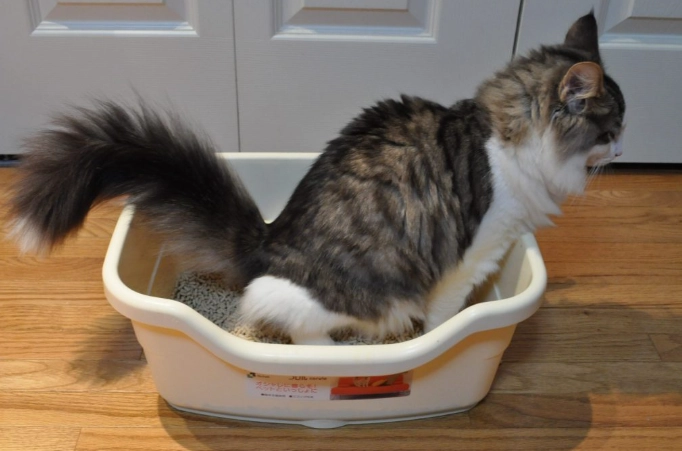
The Foundation: Understanding Your Cat's Mindset
Before we buy a single box or scoop of litter, we need to think like a cat. This is the most overlooked step. Cats are fastidious creatures. They want cleanliness, privacy, and safety. A litter box that smells bad, is in a noisy hallway, or is just plain difficult to get into is going to be rejected. It's that simple.
Their instinct to bury waste comes from wild ancestors hiding their scent from predators. So if a cat isn't using the box, ask yourself: does this location feel safe and private? Does the setup honor their natural preferences? Getting this foundation right solves half the battle before you even start what we traditionally think of as "training."
Gathering Your Supplies: The Right Tools for the Job
You wouldn't try to build a shelf without a hammer. Don't try to train a cat without the right setup. This isn't about buying the most expensive product; it's about buying the right one for your specific cat.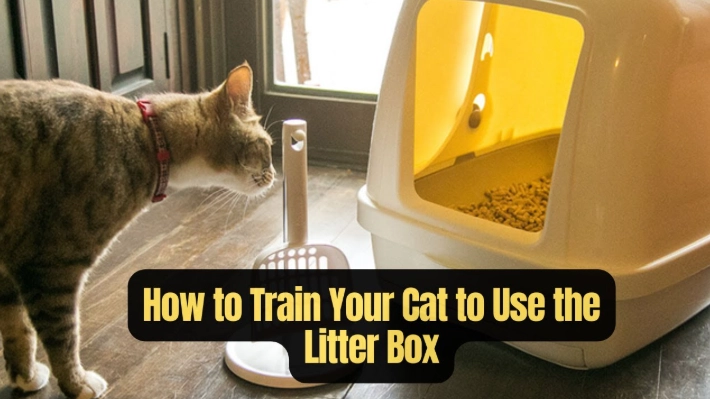
The Litter Box Itself: Size, Style, and Number
The rule of thumb is one box per cat, plus one extra. So, for one cat, you need two boxes. For two cats, three boxes. I know, it sounds like a lot. But it prevents territorial issues and gives your cat options. If one box is slightly soiled, they have a clean one to use.
Size matters more than you think. The box should be at least 1.5 times the length of your cat from nose to tail base. A big, open, low-sided box is usually the best starting point. Covered boxes can trap odors (which we hate, but cats hate more) and can make a cat feel trapped. Some cats love them, but many don't. Start simple.
The Great Litter Debate
Clumping clay, silica crystals, pine, walnut, corn, paper… the choices are overwhelming. Most cats prefer a fine-grained, sand-like texture that's soft on their paws. Unscented is almost always better than scented—our idea of "fresh linen" scent is a chemical assault to their sensitive noses.
My advice? Start with an unscented, clumping clay litter. It's the most widely accepted. You can experiment later once good habits are established. The Humane Society of the United States has a great resource on basic litter box setup that aligns with this approach.
Essential Extras: Scoop, Mat, and Deodorizer
Get a sturdy metal or plastic scoop. A litter mat placed in front of the box catches tracking. Skip the chemical sprays and deodorizers that go in the litter; regular scooping is the best odor control. For the area around the box, a simple enzyme cleaner (for accidents) is your best friend.
The Step-by-Step Training Process
Okay, supplies are ready. Now, how do I train my cat to use the litter box? Let's break it down for the two most common scenarios: a new kitten and an adult cat (either newly adopted or one having issues).
For Kittens: Building the Habit Early
Kittens learn from their mother, but when they come home with you, you become the teacher. The process is usually quick if you're consistent.
The key with kittens is timing and observation. They need to go frequently!
First, place them gently in the litter box after they wake up, after they eat, and after a vigorous play session. These are the times they're most likely to need to go. Don't force them to stay; just let them sniff and explore. If they hop out, that's fine. You're just creating an association.
If you see them sniffing the floor, circling, or crouching (classic "I'm about to go" signs), immediately and calmly pick them up and place them in the box. Praise them softly if they use it. Never punish or scold for accidents. Just clean it up thoroughly with an enzyme cleaner to remove the scent. Kittens have tiny bladders, so expect a few accidents—it's part of the process.
For Adult Cats: Retraining and Reinforcement
With an adult cat, you're often not starting from zero, but rather correcting a problem or establishing a new routine. The principles are similar but require more patience.
Start by confining the cat to a small, easy-to-clean room (like a bathroom) with their food, water, bed, and the litter box on opposite sides of the room. Cats naturally avoid soiling near their food. This confinement helps them reliably find and use the box, building a strong habit. Do this for a few days to a week.
Each time they successfully use the box, offer a high-value treat and verbal praise right away. This positive reinforcement is powerful. Gradually give them access to more of the house, always ensuring they know where the nearest box is. If they have an accident outside the box, it's a sign you expanded their territory too quickly. Scale back and try again slower.
Choosing the Best Litter Box Setup: A Comparison
Let's be practical. A table can help you decide what might work best for your situation, especially if you're dealing with a picky cat or specific challenges like mobility issues.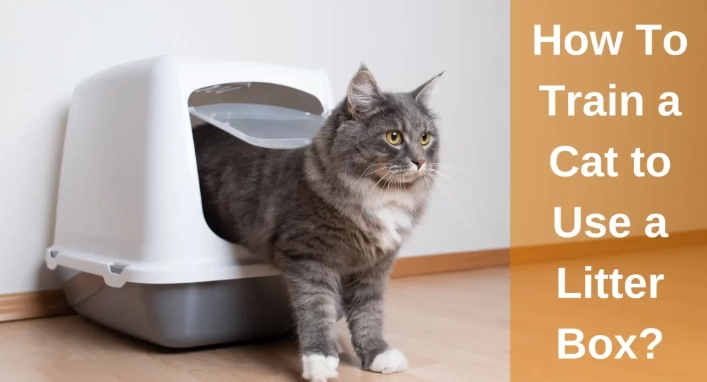
| Box Type | Best For | Potential Drawbacks | My Personal Take |
|---|---|---|---|
| Large, Open, Low-Sided Box | Kittens, older/arthritic cats, most first-time cats. Easy access. | More litter tracking, less privacy, odor spreads easier. | The gold standard starter box. It's what I always recommend first. |
| Covered/Hooded Box | Cats who crave privacy, humans who want contained litter. | Can trap odors inside (cats hate this), may feel confining, harder to clean. | Try it only if the open box fails. Be religious about scooping. |
| Top-Entry Box | Dogs who raid the box, excessive litter kickers. | Difficult for kittens, seniors, or disabled cats to enter. | Great for specific problems, but creates a hurdle for entry. |
| Automatic/Self-Cleaning Box | Busy households, multi-cat homes where frequent scooping is a chore. | Expensive, mechanical noise can scare some cats, requires specific litter. | A luxury that's fantastic if your cat accepts it. Do a slow introduction. |
The bottom line? When in doubt, go big and open. You can always try a different style later, but starting with the most universally accepted option gives you the best shot.
Solving Common Litter Box Problems (The Not-So-Fun Part)
This is where most people panic. The cat was using the box, and now they're not. Why? Let's troubleshoot. Remember, cats don't do this out of spite. It's a signal.
Medical Issues: Rule This Out First!
This is non-negotiable. A sudden change in litter box habits is very often the first sign of a medical problem. Urinary tract infections (UTIs), bladder stones, arthritis, diabetes—all of these can make using the box painful or create urgency.
If your cat starts going outside the box, your first call should be to the vet.
Any guide that doesn't stress this is doing you a disservice. A visit to the vet can rule out (or identify) a health issue that no amount of behavioral training will fix. Resources like the Cornell Feline Health Center provide authoritative information on how health directly links to litter box behavior.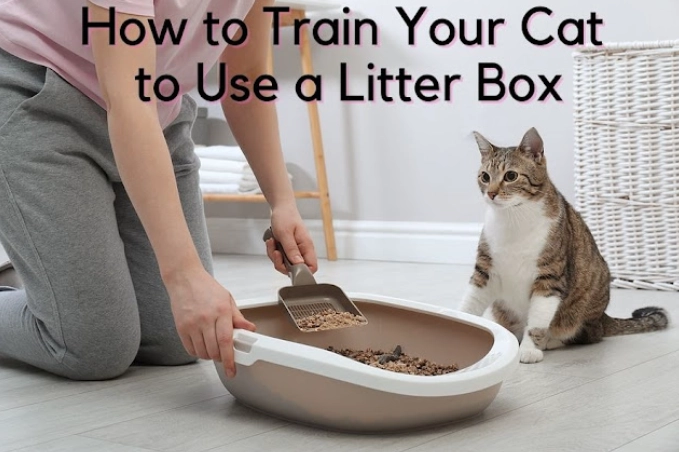
Behavioral and Environmental Causes
Once medical causes are ruled out, look at the environment. This is a detective game.
- Dirty Box: Are you scooping daily? A full deep-clean weekly? For some cats, once-a-day isn't enough.
- Location Anxiety: Was the box moved? Did something scary happen near it (a loud noise, an ambush by another pet)?
- Litter Aversion: Did you switch litters suddenly? Even a change in fragrance from the same brand can be enough.
- Multi-Cat Stress: Is another cat blocking access? Are there enough boxes in separate, distinct locations?
- Substrate Preference: Some cats develop a strong preference for soft surfaces (carpet, laundry) if they find the litter unpleasant.
So, how do I train my cat to use the litter box when they've developed an aversion? You go back to basics. Confinement, pristine cleanliness, and the most appealing litter possible. It's a reset button.
Advanced Tips and Special Situations
You've got the basics down. Let's talk about some edge cases and pro-level tips that can make life easier.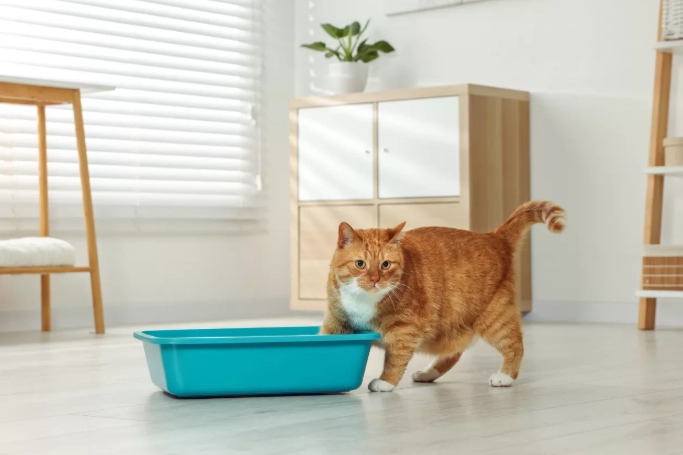
Training Senior Cats or Cats with Disabilities
Arthritis is common in older cats. A high-sided box becomes a wall. The solution? Get a low-sided box or even cut a low entryway into a plastic storage tub. Place boxes on every floor of your house so they don't have to navigate stairs. Consider a softer, dust-free litter that's gentle on achy joints. The question of "how do I train my cat to use the litter box" changes to "how do I make the litter box accessible for my cat?"
The Stubborn Cat Who Prefers the Floor
If your cat consistently goes on a hard floor (tile, linoleum), they might dislike the feeling of litter. Try putting a very thin layer of litter in the box, or even a piece of paper or a pee pad under a small amount of litter. Gradually increase the litter depth over weeks. Alternatively, try a different texture like a fine-grained silica or recycled paper.
Managing Multiple Cats
The "one per cat plus one" rule is crucial. Spread the boxes out. Don't put them all in the basement. Have one on each level, in different quiet zones. This prevents a more dominant cat from "guarding" the litter area and intimidating the others. Watch for subtle signs of bullying you might miss.
Your Questions, Answered (FAQs)
I get a lot of the same questions from readers and friends. Here are the quick, honest answers.
How long does it take to train a cat?
Kittens often get it within a few weeks with consistent guidance. Adult cats being retrained can take a few weeks to a few months, depending on the depth of the problem. Patience is not just a virtue here; it's a requirement.
My cat uses the box for pee but not poop (or vice versa). Why?
This is a huge red flag for a possible medical issue, especially if it's new behavior. See the vet. If medical is ruled out, it could be a cleanliness quirk—they might want a perfectly clean box for one function but not the other. Try adding a second, very clean box just for them.
Can I use pee pads instead of a litter box?
You can, but I wouldn't recommend it as a primary long-term solution for most cats. It doesn't satisfy the burying instinct, can be messy, and doesn't control odor well. It's a useful tool for confinement during initial training, for very sick/disabled cats, or as a temporary backup, but a proper litter box is usually better for everyone.
What's the single biggest mistake people make?
Using a litter box that's too small and not scooping it often enough. It's a combo. A cramped, dirty bathroom is a human nightmare. It's a cat's nightmare too. Give them space and cleanliness. The International Cat Care organisation has extensive resources that consistently highlight these two points as critical for preventing problems.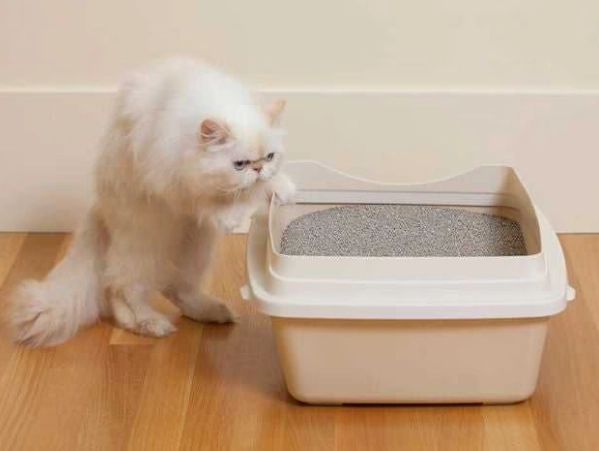
Wrapping It Up: Patience, Observation, and Cleanliness
Look, training a cat to use the litter box isn't about dominance or complex tricks. It's about harnessing their natural instincts by providing a safe, clean, and appealing place for them to do what they already want to do. It's about being a good detective when things go wrong, and your first clue is always a vet visit.
The process of figuring out how do I train my cat to use the litter box teaches you more about your cat's personality and needs than almost anything else. You learn their rhythms, their quirks, what they love and hate. It's the foundation of a clean home and a trusting relationship.
Start with a big box, unscented litter, in a quiet spot. Scoop relentlessly. Watch and learn. And go easy on both yourself and your cat. You've got this.



Join the Conversation