Let's cut to the chase. You're thinking about getting a pet snake, and you want one that won't make you pull your hair out. You've heard snakes can be low-maintenance, but which one is actually the easiest for a beginner? After years of keeping and advising new reptile owners, I can tell you the answer isn't just one species—it's a shortlist with a clear frontrunner. The crown for the absolute easiest snake to care for usually goes to the Corn Snake. But right behind it, sharing the podium and often stealing the spotlight, is the Ball Python. Your "best" choice depends heavily on your personality and what "easy" means to you.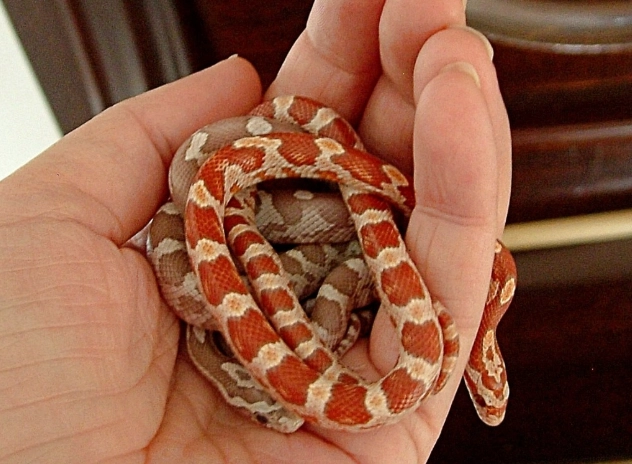
I've seen too many beginners get a Ball Python because they're popular, only to panic when it goes on a hunger strike for months—something Corn Snakes almost never do. That's the kind of nuance we need to talk about.
Your Quick Guide to Choosing a Snake
Why the Corn Snake is the Go-To Beginner Choice
If reliability had a face, it would be a Corn Snake's. Native to North America, they've evolved to be tough. In my experience, they forgive beginner errors that would stress other snakes into not eating.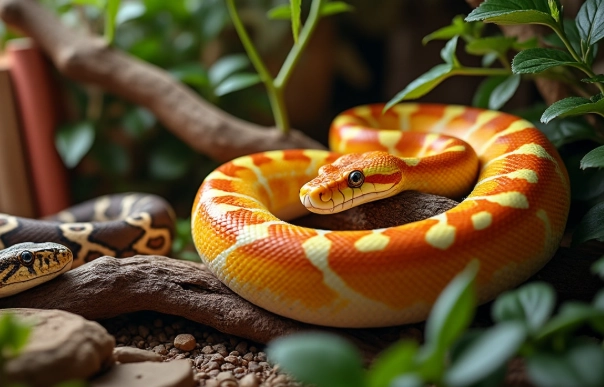
Their care sheet is straightforward. A 20-gallon long tank works for a juvenile, and an adult needs a 40-gallon breeder or larger. The temperature gradient is simple: a warm side of 85°F (29°C) and a cool side around 75°F (24°C). You can achieve this with an under-tank heater on a thermostat—the most critical piece of equipment you'll buy. Forget the cheap pet store dials; get a proper digital thermostat. Aspen shavings are a perfect, cheap substrate for them because they love to burrow.
Feeding is where they truly shine. A hatchling Corn Snake will typically eat a pinky mouse every 5-7 days without fuss. As they grow, you move up mouse sizes. They rarely refuse a meal. I've had them eat while in shed, in a new enclosure, with minor temperature fluctuations—they're just hungry little noodles. This predictable feeding response is a massive relief for a first-time owner.
Temperament is generally docile. They can be a bit squirmy as babies but calm down with gentle, regular handling. They're active at dusk and dawn, so you'll actually see them exploring. Their size is manageable too, averaging 4 to 5.5 feet, but slender and easy to hold.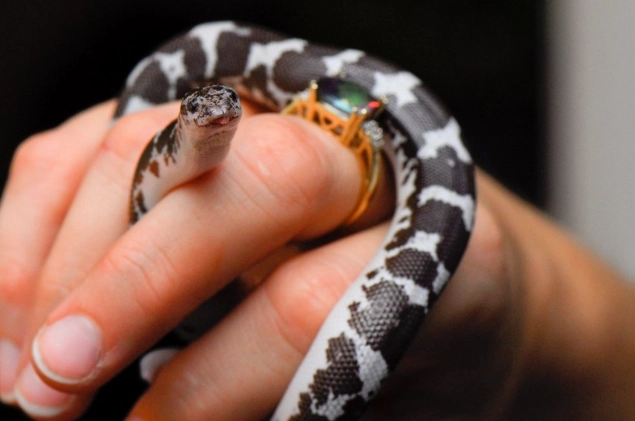
My Personal Take: I always recommend Corn Snakes to people who are nervous or value predictability. There's a peace of mind that comes with a pet that eats reliably. The one downside? They can be escape artists. You must have a secure, locking lid. I learned this the hard way when my first Corn, Houdini, figured out how to nudge a poorly weighted screen top.
The Ball Python: Charming But With Quirks
Ball Pythons are incredibly popular, and for good reason. They are often described as "pet rocks" because of their calm, sedentary nature. An adult Ball Python is content to curl up in your lap for an entire movie. Their size is stout and powerful-feeling, usually maxing out at 3 to 5 feet. They come in an astonishing array of beautiful color patterns (morphs).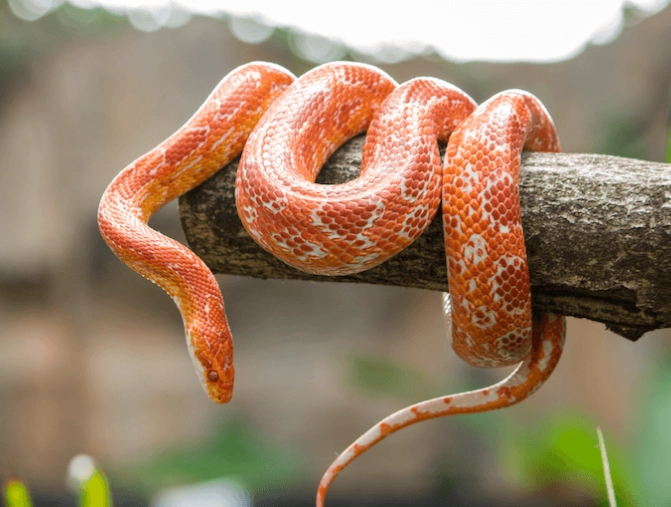
However, "easy" for a Ball Python requires a bit more precision. Their humidity needs are higher—you need to maintain 50-60%, and 70% when they're shedding. This often requires a larger water bowl, misting, and sometimes a humidity-friendly substrate like coconut husk. A dry Ball Python will have bad sheds, which can lead to health issues.
The Infamous Ball Python Hunger Strike
This is the big one. Ball Pythons are notorious for going off food, sometimes for months, especially during winter. It's natural for them, but it's terrifying for a new owner who thinks their snake is starving to death. The trigger can be anything: a slight drop in temperature, a change in enclosure decor, the season, or sometimes no reason at all.
If you're an anxious person, this will test your nerves. You need to know how to properly weigh your snake, monitor its body condition, and when to actually start worrying versus just waiting it out. This is the non-consensus point most care sheets gloss over: owning a Ball Python requires a degree of emotional resilience during these fasting periods.
Corn Snake vs. Ball Python: Side-by-Side
Let's break it down so you can see the trade-offs clearly.
>Exceptionally docile. True "lap snake." Less prone to flightiness.>Moderate to high (50-60%, up to 70% for sheds). Requires more attention.>4-5.5 ft, long and slender. >3-5 ft, thick and heavy-bodied.>Higher. Crepuscular explorer. >Very low. Nocturnal, often hides.>Want a reliable eater, an active display animal, and straightforward care. >Value ultra-calm handling, don't mind extra humidity work, and can handle feeding anxiety.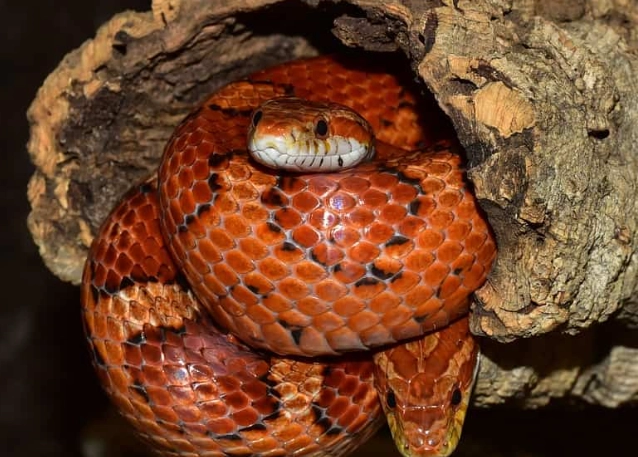
| Factor | Corn Snake | Ball Python |
|---|---|---|
| Ease of Feeding | Excellent. Rarely refuses food. Very consistent. | Variable. Prone to seasonal or stress-related fasting. Can be frustrating. |
| Temperament | Docile but active. Can be squirmy when young. | |
| Humidity Needs | Low to moderate (40-50%). Easy with aspen. | |
| Adult Size | ||
| Activity Level | ||
| Best For Beginners Who... |
How to Set Up Your First Snake Habitat (The Right Way)
Getting the setup wrong is the root of 90% of beginner problems. It's not just about a tank and a heat lamp. Think of it as creating a mini-ecosystem.
First, enclosure size. Bigger is not initially better for tiny hatchlings; it can cause stress. Start appropriately sized and plan to upgrade. For a juvenile Corn or Ball Python, a 20-gallon long is fine. Adults need more space—a 4x2x2 foot enclosure is a great goal for either species.
Heating is non-negotiable. Snakes are ectothermic. They need a warm side and a cool side to regulate their body temperature. For ground-dwelling snakes like these, an under-tank heater (UTH) connected to a thermostat is the safest, most effective primary heat source. The thermostat probe goes between the UTH and the tank bottom. This prevents burns. A low-wattage overhead bulb or ceramic heat emitter can help with ambient air temperature if needed.
Hides are security. You need at least two: one on the warm side, one on the cool side. They should be snug—the snake should touch the sides when curled up. A stressed snake with no good hide will not eat.
Substrate depends on the snake. Aspen for Corn Snakes, coconut fiber or cypress mulch for Ball Pythons (holds humidity better). Avoid cedar and pine—the oils are toxic.
Water bowl: heavy enough not to tip, big enough for the snake to soak in if it wants.
Other Snakes to Consider (And Ones to Avoid)
The Corn and Ball Python dominate the conversation, but two others sometimes pop up for beginners.
- King Snakes (especially California Kings): Similar in care to Corn Snakes—tough, good eaters. But they have a higher feeding response and are known to be cannibalistic. You can never, ever house them with another snake. They can also be more musky when handled as juveniles.
- Western Hognose Snake: Adorable, with an upturned snout. Their care is fairly simple, but they can be picky eaters, sometimes insisting on toad-scented food (though most captive-bred eat mice). Some are also mildly venomous (rear-fanged), causing a localized reaction in allergic individuals. It's a rare issue, but it's a factor.
Snakes to Avoid as a First-Timer: Any large constrictor (Boa Constrictor, Burmese Python), tree pythons (Green Tree Python, needs precise perches and humidity), water snakes (often nippy and messy), and wild-caught snakes (full of parasites and stress).
The Top 3 Mistakes New Snake Owners Make
I've mentored enough new owners to see patterns. Here’s what trips people up.
1. Handling Too Much, Too Soon. You're excited! I get it. But bringing a snake home and immediately handling it for long periods is hugely stressful. Give it a full week to settle in with no handling at all. Then, offer its first meal. Only after it has eaten and digested (wait 48 hours) should you start with short, 5-10 minute handling sessions.
2. Misreading Humidity and Shedding. When a snake's eyes turn blue and its skin looks dull, it's in "blue"—the shed cycle. At this point, stop handling and bump up humidity. If the shed comes off in one perfect piece, you're golden. If it's in pieces, especially if eye caps are retained, your humidity is too low. A stuck shed can cut off circulation. A warm, damp towel in a closed container can help a snake work off a bad shed.
3. Feeding the Wrong Size or in the Wrong Place. Prey should be no wider than the snake's widest part. A mouse that's too large can cause regurgitation, a serious health setback. Also, don't feed your snake in a separate "feeding tub." This old-school advice causes more stress than it prevents. Feed them in their enclosure. The risk of them associating your hand with food is minimal if you handle them regularly outside of feeding time. Use feeding tongs.
For the absolute, zero-experience novice, I lean towards the Corn Snake. The reason is psychological safety. A Corn Snake's predictable feeding eliminates a major source of panic. A Ball Python's fast, while natural, can lead to frantic Google searches, unnecessary vet visits, and forced feeding attempts that make things worse. Mastering basic care (heating, humidity) is easier when you're not also wrestling with a hunger strike.
Not at all, but it means you need a strategy. You'll likely need to use a substrate that holds moisture well (like coconut husk or cypress mulch), provide a large water bowl placed near the heat source to evaporate, and possibly partially cover the screen top to retain humidity. Some owners use reptile humidifiers or misting systems. It's an extra step, but manageable if you're committed to the species.
Less than you think. Once settled, 2-3 times a week for 15-20 minutes is plenty for socialization and checking its health. Avoid handling for 48 hours after feeding, during shedding, or if the snake seems unusually defensive. Regular, calm handling builds trust. Chasing it around the tank every day does the opposite.
The thermostat. A $20 thermostat will fail, potentially cooking your snake or providing no heat at all. A reliable digital thermostat with a probe (brands like Herpstat, Vivarium Electronics, or even a trusted basic model like Inkbird) is non-negotiable. It's the life-support system. The tank and decor can be second-hand, but the thermostat should be new and reliable.
For Corn Snakes and Ball Pythons, it doesn't matter much for ease of care. Males tend to be slightly smaller. Some keepers say males are more consistent eaters, but I haven't found a significant pattern. Focus more on choosing a healthy, captive-bred animal from a reputable breeder rather than its sex. A well-started baby from good stock is more important.

Join the Conversation