Quick Navigation
- Habitat & Environment: Setting Up for Failure
- Feeding Faux Pas: The Road to Regurgitation and Obesity
- Handling and Interaction: Stress is a Killer
- Health, Hygiene, and Maintenance Blunders
- Common Questions & Misconceptions (The FAQ I Get All the Time)
- Putting It All Together: Your Quick-Check Avoidance List
Let's be real for a second. You got a corn snake because everyone said they were the perfect beginner reptile. Hardy, docile, easy to care for. And for the most part, that's true. But here's the thing nobody tells you at the pet store: it's surprisingly easy to mess up. A few wrong choices, and that hardy snake can become stressed, sick, or worse. I've seen it happen, and I've made a few blunders myself over the years.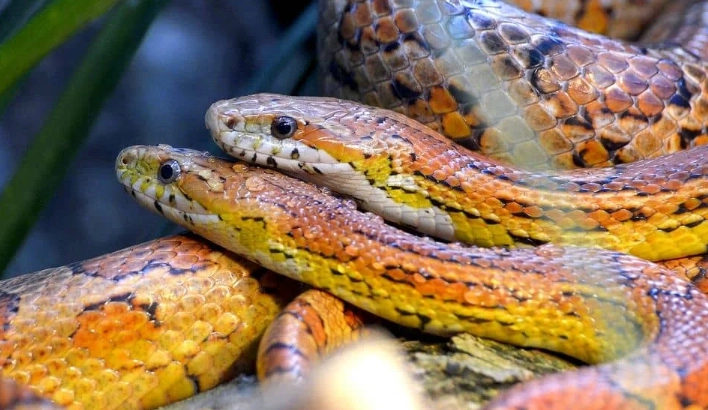
This isn't about scaring you. It's the opposite. Knowing exactly what to avoid with corn snakes is the fastest way to confidence. It turns guesswork into a simple checklist. Forget the fluff and theory; we're going straight to the practical, sometimes gritty, details of what not to do. Think of this as the cheat sheet I wish I had when I started.
Why listen to me? I'm not a scientist in a lab coat. I'm just someone who's spent years in the hobby, talked to breeders, vets, and made enough mistakes to learn from them. I've seen the consequences of bad advice firsthand. So let's dive in and clear up the confusion, one mistake at a time.
Habitat & Environment: Setting Up for Failure
This is where most problems start. Get the home wrong, and everything else is an uphill battle. The enclosure isn't just a box; it's their entire world. What you put in it (and what you don't) matters immensely.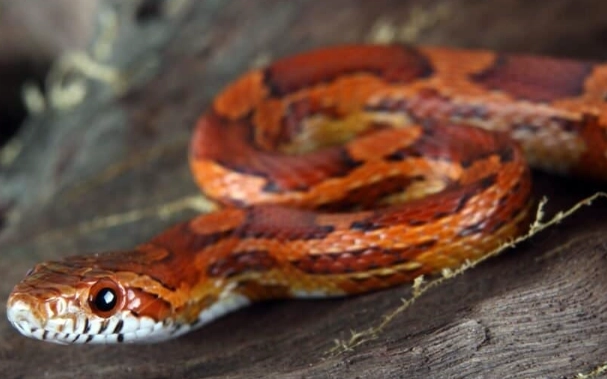
The Substrate Minefield: What's Safe and What's a Silent Killer
Walk into any pet store, and you'll see a wall of bedding options. Half of them are terrible for corn snakes. The wrong choice can lead to impaction (a life-threatening gut blockage), respiratory infections, or skin irritation.
Let's break it down with a table. It's easier to see the good, the bad, and the downright ugly this way.
| Substrate Type | Verdict | Primary Risk / Reason to Avoid |
|---|---|---|
| Cedar Shavings | NEVER USE | The aromatic oils (phenols) are highly toxic to reptiles, causing severe respiratory and neurological damage. |
| Pine Shavings (untreated) | AVOID | Similar, though slightly less severe, risks as cedar. Can still cause respiratory issues. |
| Sand, Calcium Sand, or Crushed Walnut | NOT RECOMMENDED | High risk of impaction if ingested. Can also irritate eyes and the vent. Doesn't hold humidity well. |
| Astroturf / Reptile Carpet | USE WITH CAUTION | Difficult to clean thoroughly, harbors bacteria. Snakes can get claws stuck in loops. |
| Aspen Shavings | GOOD CHOICE | Safe, holds burrows well, affordable. Doesn't hold high humidity, which is fine for most setups. |
| Coconut Husk/Fiber (Eco Earth) | EXCELLENT CHOICE | Natural, holds humidity and burrows. Great for shedding cycles. Can be messy when dry. |
| Paper Towels / Newspaper | UTILITY CHOICE | Boring but ultra-safe, hygienic, and cheap. Perfect for quarantine enclosures or sick snakes. |
I made the cedar mistake once, years ago, with a different reptile. I trusted a pet store employee who swore it was the "best for odor control." Within a week, the animal was wheezing. Never again. It's a lesson that stuck. When considering what to avoid with corn snakes, substrate is priority number one.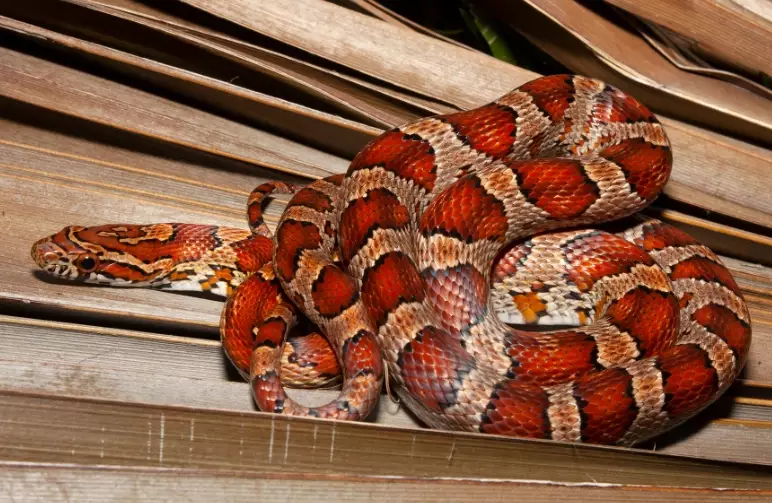
Biggest Takeaway: If it's dusty, aromatic, or looks like tiny rocks, it's probably a bad idea. Stick with the simple, proven options like aspen or coconut fiber.
Temperature & Lighting: The Invisible Essentials
Corn snakes can't regulate their body temperature like we do. They rely on you to provide a thermal gradient. Mess this up, and their digestion fails, their immune system crashes, and they become lethargic.
Here are the classic blunders:
- No Temperature Gradient: The whole tank is one temperature. Your snake has no choice but to be too hot or too cold. You must have a warm side (around 85-88°F / 29-31°C) and a cool side (around 70-75°F / 21-24°C). An infrared thermometer gun is your best friend here—don't guess.
- Using Heat Rocks: Throw these in the trash. Seriously. They are notorious for causing severe thermal burns. Snakes don't sense concentrated heat from below well and will lie on them until they blister. Use an overhead heat source (ceramic heat emitter, deep heat projector) or a heat mat regulated by a thermostat placed on the outside back or side of the tank.
- No Thermostat: Plugging a heat mat or lamp directly into the wall is a recipe for disaster. The temperature will soar. A thermostat is non-negotiable. It's the single most important piece of equipment you can buy.
- Thinking They Need Special UVB: This is a nuanced one. While corn snakes can survive without UVB lighting, a low-level UVB light (like a ShadeDweller or 5.0 T5) is increasingly seen as beneficial for their overall health, activity, and circadian rhythm. It's not a strict avoid, but a "don't assume it's useless." The mistake is either ignoring it completely or using a desert-strength bulb that's too intense.
I remember my first thermostat died. The heat mat spiked to over 100°F before I noticed. The snake was okay, but it was a panic-filled afternoon I never want to repeat. A lesson learned the hard way.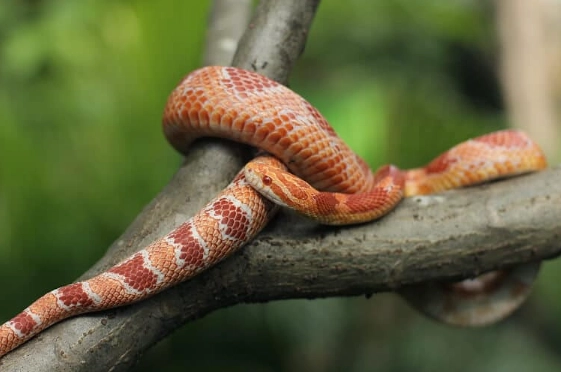
Enclosure Size and Security
A 10-gallon tank for a baby is fine. Keeping a 4-foot adult in that same 10-gallon is cruel and a massive part of what to avoid with corn snakes. They need space to move, explore, and stretch out. A good minimum for an adult is a 40-gallon breeder (36"x18"), but bigger is always better. A cluttered, secure large tank is never a problem; a barren small one always is.
And the lid?
Must. Clip. Down. Corn snakes are escape artists of the highest order. They will test every corner, every gap. A loose lid is an invitation for a lost pet and a heart attack. Use sturdy lid clips on every side.
Feeding Faux Pas: The Road to Regurgitation and Obesity
Feeding seems straightforward: mouse goes in, snake is happy. But the devil's in the details. Get these wrong, and you'll have a snake that's either starving or unhealthily fat, or one that associates your hand with food in a dangerous way.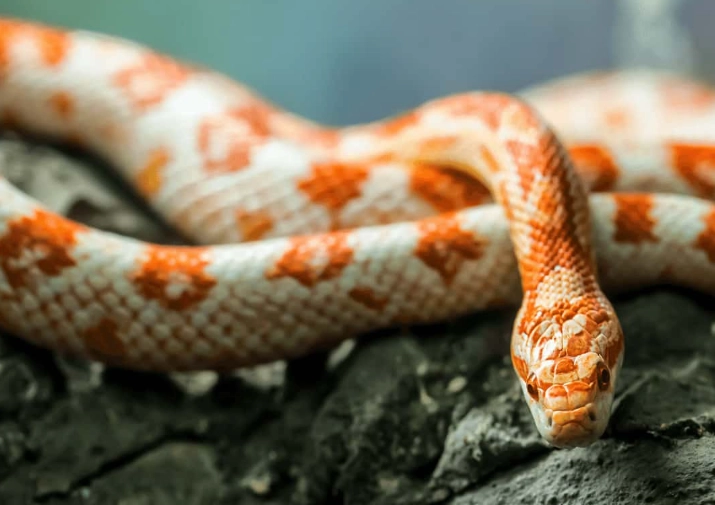
Prey Item Problems
- Prey Too Large: The biggest feeding mistake. The prey should be no wider than the widest part of the snake's body. A mouse that's too big can cause regurgitation, which is incredibly stressful and damaging to their esophagus. If in doubt, go smaller.
- Live Feeding (Unsupervised): This is a hot-button issue. Live rodents can and will fight back. I've seen photos of horrific bites and scratches inflicted on snakes by desperate mice or rats. Frozen/thawed (F/T) prey is safer, more humane, and convenient. If you must feed live, never, ever leave the rodent unattended with the snake.
- Feeding the Wrong Thing: Corn snakes eat rodents. Not insects, not fish, not pieces of chicken. A mouse or rat of appropriate size is a complete diet.
- Wrong Frequency: Overfeeding is rampant. A baby might eat every 5-7 days, but a large adult only needs a meal every 10-14 days. You shouldn't see pronounced "hips" or a perfectly round body. They should be muscular and rectangular in cross-section.
The Handling-Hand-Feeding Trap
This is subtle but crucial. Never, ever use your bare hand to offer food. Always use long feeding tongs. If you use your hand, you're teaching the snake that fingers smell like mice. This is a prime example of what to avoid with corn snakes if you want to avoid getting bitten (a "feeding response" bite) during routine handling.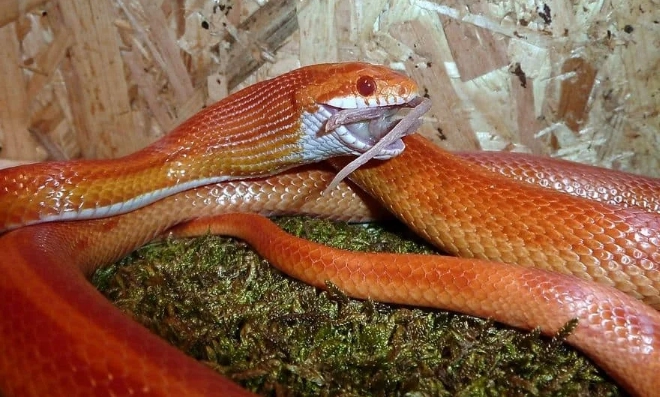
Also, don't handle your snake for at least 48 hours after a meal. Handling too soon can cause stress and lead to regurgitation. Just let them digest in peace.
Handling and Interaction: Stress is a Killer
Corn snakes are generally tame, but they're not cuddly toys. They are solitary, secretive animals. Our interaction with them must be on their terms to a large degree.
Top 5 Handling No-Nos:
- Grabbing from above: You look like a predator. Approach from the side and scoop from below.
- Holding too tightly: Support their body, but let them flow through your hands. Don't constrict them.
- Handling when they're in "blue" (pre-shed): Their vision is impaired, and they feel vulnerable. They'll be more defensive and stressed. Leave them alone.
- Overhandling: 10-15 minutes a few times a week is plenty for most. Every day is too much for many individuals.
- Letting them roam unsupervised: They will get lost, stuck behind furniture, or into dangerous spaces (heat vents, under appliances) in a heartbeat.
I learned the "in blue" lesson the hard way. My normally placid snake struck at me (a defensive bluff, it didn't even connect). It was my fault for not reading the signs—milky blue eyes, dull color. I felt terrible for stressing her out.
Health, Hygiene, and Maintenance Blunders
Neglect in these areas leads to slow, preventable problems.
Water and Humidity Neglect
The water bowl isn't just for drinking. It's for soaking, which aids shedding. You must avoid with corn snakes a setup that has a tiny, tip-prone water dish. Use a heavy, wide bowl that's large enough for the snake to curl up in if it wants. Change the water every single day. Stagnant water is a breeding ground for bacteria.
Humidity spikes during shed. If your tank is too dry (
The "Clean Later" Mentality
Spot clean feces and urates as soon as you see them. A full substrate change and enclosure disinfect should happen monthly. Letting waste build up promotes bacterial and fungal growth (hello, scale rot) and parasite cycles. It also just stinks. Use a reptile-safe disinfectant like F10SC or diluted chlorhexidine, never harsh household chemicals like bleach without extreme care and rinsing.
Ignoring the Vet
Snakes hide illness until they can't anymore. By the time you notice something is wrong, it may be advanced. Having a relationship with an exotic vet (not all vets see reptiles) is crucial. Avoid the mindset of "it's just a snake, I'll wait and see." Watch for these red flags: wheezing/clicking (respiratory infection), persistent mucus in mouth, lethargy beyond normal, regurgitation, loose stools, or mites (tiny black/red moving dots).
For reliable, general information on reptile health and finding care, the American Veterinary Medical Association (AVMA) website is a good starting point for locating qualified professionals.
Common Questions & Misconceptions (The FAQ I Get All the Time)
Putting It All Together: Your Quick-Check Avoidance List
It's a lot, I know. So here's the distilled version. A quick scan to make sure you're on track. If you can avoid these, you're 95% of the way to perfect corn snake care.
- Avoid cedar, pine, and sand substrates.
- Avoid heat rocks and unregulated heat sources.
- Avoid enclosures that are too small or insecure.
- Avoid prey items larger than your snake's girth.
- Avoid handling for 48 hours post-feeding or during shed.
- Avoid using your hand to offer food.
- Avoid co-habitation with other snakes.
- Avoid letting the water bowl go stagnant.
- Avoid ignoring humidity, especially during shed.
- Avoid skipping regular spot cleaning and tank deep cleans.
Look, nobody gets it perfect from day one. I certainly didn't. The goal isn't perfection; it's awareness. Knowing what to avoid with corn snakes gives you the power to prevent problems before they start. It lets you enjoy your fascinating, beautiful pet without the underlying worry that you might be unintentionally harming it.
Your corn snake depends on you for everything. By steering clear of these common pitfalls, you're giving it the best shot at a long, healthy, and stress-free life. And that's really the whole point, isn't it?
For further reading on evidence-based reptile care, resources like Reptifiles offer detailed care sheets that compile current best practices from experienced keepers and breeders.




Join the Conversation