Let's cut to the chase. When you search for "bearded dragon price," you're probably hoping for a simple number. Maybe $50? $100? The truth is, that initial sticker price is the smallest piece of the financial puzzle. I've seen too many enthusiastic new owners get blindsided by the real cost of proper care. The lizard itself can be surprisingly affordable, but creating and maintaining its world is where the budget gets real. If you're serious about getting a bearded dragon, you need to budget for three phases: the initial purchase, the essential setup, and the ongoing, year-after-year expenses. Skipping any of these is how animals end up in rescues.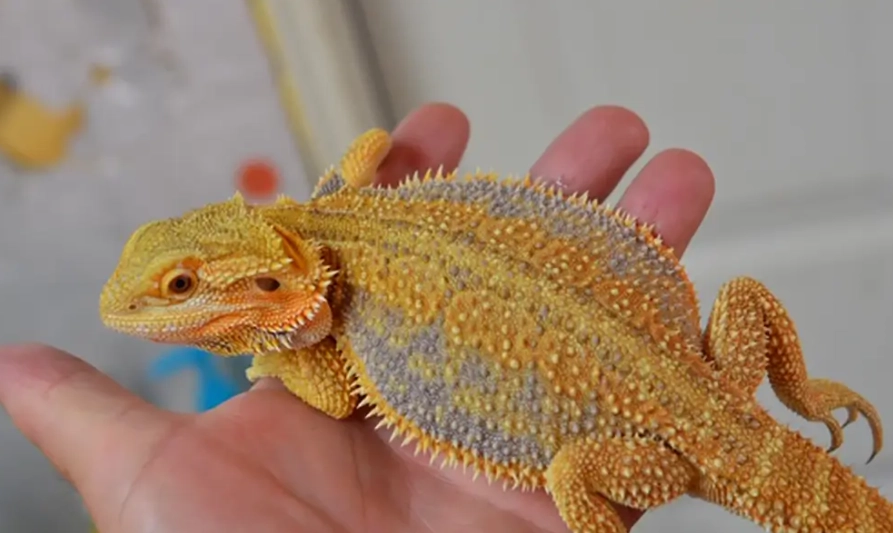
Your Quick Guide to Bearded Dragon Costs
Quick Answer: A responsible initial investment for a bearded dragon and its proper setup typically ranges from $300 to $800+. Annual ongoing costs usually fall between $500 and $900.
What is the Initial Purchase Price of a Bearded Dragon?
The price tag on the lizard varies wildly. It's not like buying a goldfish. The source, age, color, and genetics all play a huge role.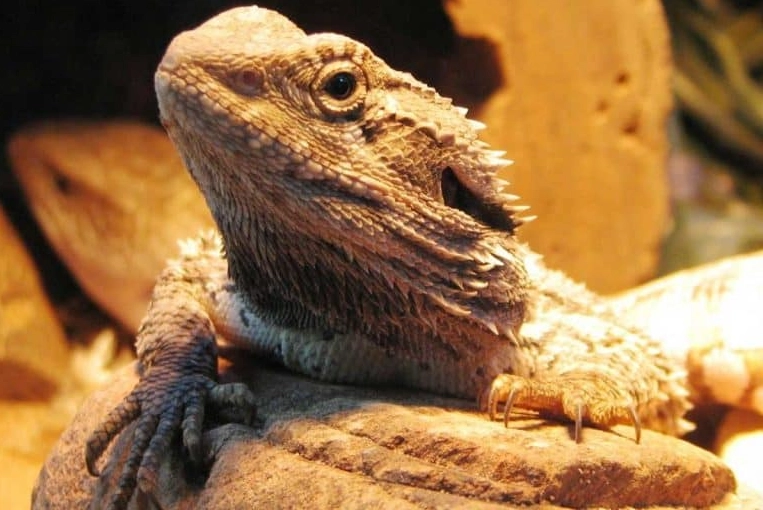
At a big-box pet store, you might find a standard "normal" morph baby bearded dragon for $40 to $80. It's tempting, but here's the catch you rarely hear: these animals are often mass-bred. Their long-term health can be a gamble. I've personally dealt with parasites from store-bought reptiles that cost more in vet bills than the animal itself.
Local reptile shops or expos are a step up. Prices range from $50 to $150 for nicer normals or basic morphs like citrus or hypo. You can often talk to the breeder directly, which is a big plus.
Then there are specialized online breeders. This is where prices jump. For stunning, lineage-proven morphs like Zero, Witblits, or Leatherback, expect to pay $200 to $600, sometimes more. You're paying for specific genetics, healthier breeding practices, and often a better-started animal.
| Source | Price Range (Baby/Juvenile) | What You're Getting |
|---|---|---|
| Large Pet Store | $40 - $80 | Basic "normal" morph. Convenient, but health history is often unknown. |
| Local Reptile Shop/Expo | $50 - $150 | Better variety, potential for basic color morphs. Can sometimes meet the breeder. |
| Specialized Online Breeder | $200 - $600+ | Specific, high-color morphs with known genetics. Generally healthier, better socialized animals. |
| Reptile Rescue/Adoption | $20 - $100 (donation/fee) | An adult in need of a home. Setup costs may be lower if they come with equipment. |
Don't overlook adoption. Reptile rescues are full of bearded dragons needing homes. The adoption fee ($20-$100) is a fraction of the cost, and the animal often comes with some history. The downside? You might inherit an adult with unknown health issues or behavioral quirks. It's rewarding, but go in with eyes open.
How Much Does the Bearded Dragon Setup Cost?
This is the budget-killer most people don't see coming. The enclosure and equipment are non-negotiable, one-time costs (though you'll replace items over time). Skimping here directly impacts your pet's health and your long-term vet bills.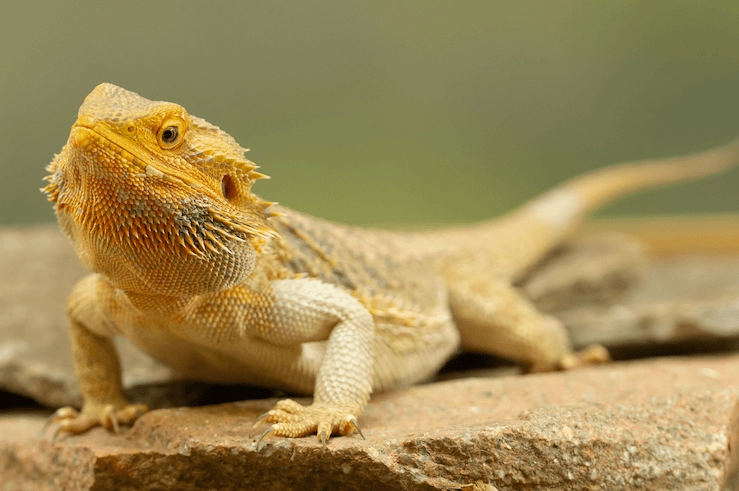
The Enclosure: Bigger is Always Better
A 40-gallon breeder tank is the absolute bare minimum for an adult, and frankly, it's cramped. The gold standard now is a 4x2x2 foot (120 gallon) PVC or wood enclosure. Why? It allows for proper temperature gradients and exercise. A glass tank this size can cost $300-$500 new. A PVC cage, which holds heat and humidity better, runs $400-$700. You can sometimes find used tanks for half the price, but you must disinfect thoroughly.
Lighting and Heating: The Engine of the Habitat
This is complex and crucial. You need:
- A basking lamp and fixture: A simple dome and halogen bulb ($25-$40).
- UVB lighting: This is non-negotiable for calcium metabolism. A tube-style UVB light (like a ReptiSun 10.0 T5 or Arcadia 12%) plus a reflective fixture will cost $70-$100. The bulb must be replaced every 6-12 months ($40-$50 each time). This is the item beginners most often cheap out on, leading to metabolic bone disease (MBD).
- Thermostat: A dimming thermostat to control the basking spot temperature is a safety must. $60-$100. Don't use a simple on/off switch.
Substrate and Decor
For beginners, I strongly recommend non-particle substrates like slate tile, reptile carpet, or paper towel to avoid impaction risk. Tile is a one-time cost of $20-$40. Decor (basking rocks, branches, hides) can be $50-$100. You can use sterilized branches from outside to save money.
Add it all up for a proper, starter setup:
- Enclosure (120 gal): $400
- Lighting/Heating/ Thermostat: $180
- Substrate & Decor: $70
- Setup Total: ~$650
What Are the Ongoing Annual Costs?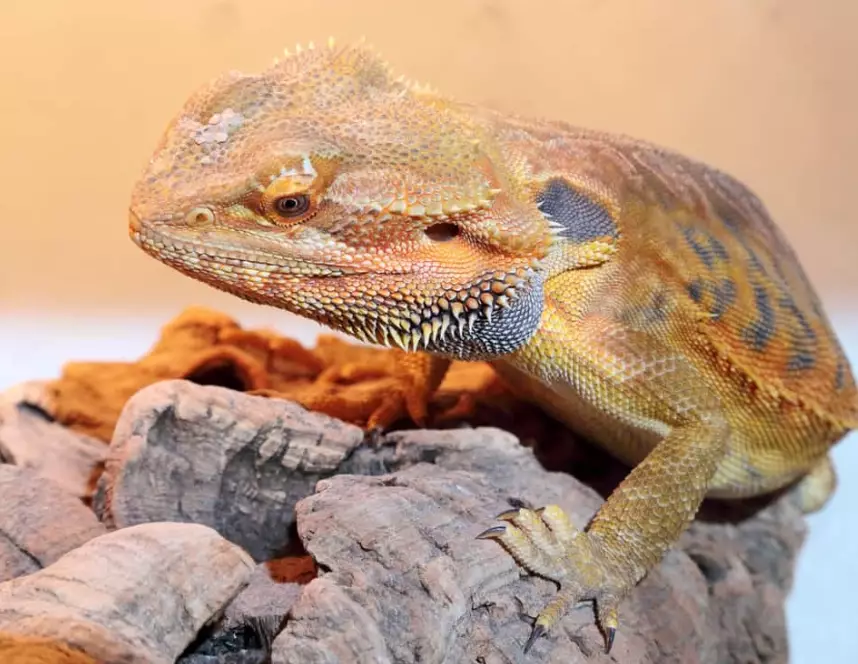
This is where the real commitment lies. Your dragon will need food, supplements, and utilities every single week.
Food: Juveniles are eating machines. They need live insects daily. Crickets, dubia roaches, and black soldier fly larvae are staples. An adult eats more greens and fewer bugs. Monthly bug budget: $20-$50. Fresh greens: $10-$20/month.
Supplements: Calcium powder (with and without D3) and a multivitamin. About $30 per year.
Utilities: Those lights run 12-14 hours a day. Expect a $5-$15 increase in your monthly electric bill.
The Vet Fund: This is critical. An initial wellness check with a fecal exam for parasites costs $80-$150. An emergency visit for impaction or infection can easily hit $300-$500. You should budget $100-$200 annually just for potential vet care.
Annual Ongoing Total: $500 - $900+
A Real-World Budget Scenario
Let's follow Sarah, a first-time owner making mid-range choices.
She buys a nice citrus morph from a local expo for $100. She invests in a 4x2x2 PVC enclosure kit online for $500, which includes basic lighting. She buys a better UVB tube separately ($80), a thermostat ($70), tile from a home store ($30), and a few hides and branches ($60).
Sarah's Initial Outlay: $100 (dragon) + $740 (setup) = $840.
Each month, she spends about $35 on dubia roaches and greens, $5 on supplements, and sees a $10 increase in her electric bill. She sets aside $15 a month into a "dragon vet fund." That's $65/month or $780 per year.
See how the first year is the most expensive? That's the reality check.
Expert Tips to Manage Costs (Without Compromising Care)
You can be smart without being cheap.
Buy the enclosure used. Check Facebook Marketplace, Craigslist, or reptile forums. A $500 PVC cage might sell for $200. Clean it with a 10% bleach solution and rinse thoroughly.
Breed your own feeders. A dubia roach colony is easy, odorless, and slashes your bug bill. A startup colony costs about $50 and can sustain a dragon for years.
Grow your own greens. A small planter of collard greens, mustard greens, or dandelion is cheap and ensures pesticide-free food.
Never, ever skimp on UVB. MBD is a horrific, painful, and expensive condition to treat. A proper linear UVB light is the best health insurance you can buy.
My most controversial tip? Consider starting with an older juvenile or adult. Babies are cute, but they require daily insect feeding, which is the highest ongoing food cost. A healthy adult from a rescue has lower dietary costs and their personality is already evident.
Your Bearded Dragon Cost Questions Answered
 How much should I realistically have saved for potential vet bills?
 The bottom line on bearded dragon price is this: focus on the total cost of ownership. That initial $50 lizard is a decade-plus commitment that will likely cost you $3,000 to $5,000 or more over its lifetime when you factor in everything. If that number surprises you, it's better to be surprised now than when you're holding a sick animal and a huge vet bill. Budget for the setup, plan for the ongoing costs, and you'll be rewarded with a healthy, fascinating pet for years to come.



Join the Conversation