Your Quick Guide to Corn Snake Care
- Why Everyone Says Corn Snakes Are Beginner Snakes (And They're Mostly Right)
- The Not-So-Glamorous Side: What Makes Corn Snake Care a Real Commitment
- A Week in the Life: What Does Corn Snake Care Actually Look Like?
- Breaking Down the Big Questions: Health, Cost, and Troubleshooting
- Corn Snake vs. Other Common "Beginner" Pets
- Your Decision Checklist: Are YOU Ready for a Corn Snake?
- Wrapping It Up: The Final Verdict on Corn Snake Care Difficulty
Let's cut to the chase. You've probably seen the lists – "Top 5 Best Snakes for Beginners" – and the corn snake (Pantherophis guttatus) is almost always sitting pretty at the top. But here's the real question bouncing around in your head: Are corn snakes hard to take care of? Is that "beginner-friendly" label just reptile-keeping hype, or is there real substance to it?
I've been keeping reptiles for a while now, and my first snake was, you guessed it, a corn snake. I remember the anxiety – scrolling through forum posts at 2 AM, worried about every little detail. Looking back, a lot of that worry was unnecessary. The short, honest answer is no, corn snakes are not hard to take care of, especially when you stack them up against most other pets, even other reptiles. But – and there's always a but – "not hard" doesn't mean "no effort." It's more about consistent, simple routines rather than complex, demanding science.
Think of it like keeping a fish tank versus a dog. A dog needs constant, interactive attention. A fish tank needs you to get the setup right from the start and then maintain it with regular, minor tasks. A corn snake is much closer to the fish tank end of that spectrum. Your main job is to be a good habitat manager. If you can manage a stable, warm box with fresh water, you're 90% of the way there.
The Core Truth: The difficulty in caring for a corn snake is front-loaded. The initial research, choosing the right equipment, and setting up the perfect enclosure is where 80% of the mental effort goes. Once that's dialed in, the weekly routine is dead simple. The challenge isn't daily complexity; it's about long-term consistency and observation.
So, let's peel back the layers on that "easy" label and see what it actually means for your daily life, your wallet, and your peace of mind.
Why Everyone Says Corn Snakes Are Beginner Snakes (And They're Mostly Right)
This reputation didn't come from nowhere. It's built on a few rock-solid pillars that make the answer to "are corn snakes hard to take care of?" a reassuring one.
First, their temperament. Corn snakes are famously docile. Of course, every animal is an individual – I've met a few feisty ones – but the vast majority settle into handling beautifully. They rarely bite defensively (and if a baby corn nips you, it feels like a flick from a rubber band), and they don't get overly stressed by gentle, confident interaction. This is huge for a new owner. A pet you're afraid to handle is a pet that becomes a chore.
Second, their dietary needs are straightforward. They are obligate carnivores, eating rodents. In captivity, that means pre-killed frozen/thawed mice. No live feeding drama (which is dangerous for the snake), no wrestling with bugs or special supplements. You buy frozen mice in appropriate sizes, thaw them safely, and offer them with tongs. It's a clean, predictable process once every 7-14 days for an adult. A picky eater can be a headache, but corn snakes are generally fantastic, reliable feeders, which is a massive relief for a novice.
Third, they are hardy. Corn snakes are native to a range across the southeastern United States, so they can tolerate a slightly wider range of conditions than some ultra-specialized species. This doesn't mean you can be sloppy with their care, but it does mean a minor, temporary fluctuation in temperature or humidity is less likely to cause an immediate health crisis. They're resilient.
Finally, their size is manageable. An adult corn snake typically reaches 4 to 5.5 feet in length. That's big enough to be a substantial, beautiful animal, but small enough that their enclosure doesn't dominate an entire room, and their food items remain a sensible size. You're not trying to source rabbits for a 15-foot python.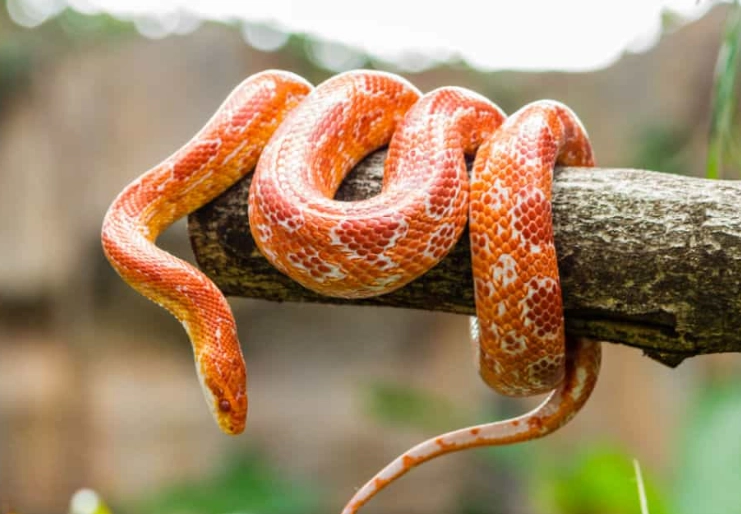
My first corn snake, a normal morph named Rusty, was the perfect teacher. He ate like clockwork, shed in one perfect piece, and only ever musked me once (when I was clumsy during a handling session). That positive first experience gave me the confidence to learn more. He made reptile care feel accessible.
The Not-So-Glamorous Side: What Makes Corn Snake Care a Real Commitment
Okay, enough with the sales pitch. Let's be real. If you're asking "are corn snakes hard to take care of," you deserve the full picture, warts and all. The commitment isn't zero. Here's where the work comes in.
The Setup Cost and Complexity
This is the biggest hurdle, financially and logistically. You can't just plop a snake in a plastic tub and call it a day if you want it to thrive (though many breeders use rack systems successfully). A proper, permanent enclosure is an investment.
You need a secure tank or PVC cage (40+ gallons for an adult, but bigger is always better), a reliable under-tank heater or overhead heat panel controlled by a thermostat (this is non-negotiable – uncontrolled heat mats can cause severe burns), a hygrometer, two thermometers (for warm and cool sides), appropriate substrate, at least two snug hiding places (one for the warm end, one for the cool end), a water bowl big enough for soaking, and some clutter like fake plants or branches to make the snake feel secure.
Getting this ecosystem stable – the right temperature gradient (75-85°F with a basking spot of about 88°F), the right humidity (40-60%, spiking during shed) – takes some initial tweaking. It's not rocket science, but it requires attention to detail. A cheap, incomplete setup is where most new owner problems start.
| Essential Item | Why It's Critical | Budget-Friendly Suggestion |
|---|---|---|
| Thermostat | Prevents overheating and burns from heat mats/lamps. The single most important safety device. | Inkbird, BN-Link brands offer reliable basic models. |
| Digital Thermometer/Hygrometer | Analog gauges are notoriously inaccurate. You need to know the real numbers. | Combo units from Govee or Zoo Med work well. |
| Two Identical Hides | Snakes need to feel secure everywhere. If the only good hide is on the warm side, they'll stay there even if overheated. | Simple plastic reptile hides or even clean, sanded plastic food containers with an entrance hole. |
| Secure Lid/Locks | Corn snakes are escape artists. A determined snake can slide a surprisingly heavy screen lid. | Screen clips or luggage straps for glass tanks. PVC cages often have built-in locks. |
The Longevity Factor
This is the commitment that sneaks up on people. Corn snakes commonly live 15 to 20 years in captivity, with some pushing past 25. This isn't a hamster with a 2-year lifespan. You are getting a pet that could be with you from middle school through college and into your first career. Are you ready for that? Life changes – moves, relationships, jobs. You need to think long-term when you answer "are corn snakes hard to take care of" for yourself.
The "Gross" Factor and Routine Maintenance
It's not all bad, but let's not sugarcoat it. They poop. It's a combination of solid waste and a chalky substance called urates. It has a distinct smell. You need to spot-clean the enclosure whenever you see it. A full substrate change and enclosure cleaning is needed every few months. Handling frozen rodents, even thawed ones, isn't everyone's cup of tea. You also need to regularly check and refresh their water.
Then there's the shed cycle. Every few months, your snake's eyes will turn milky blue (the "blue phase"), they'll become irritable and hide, and then they'll rub against things to peel off their old skin. You need to ensure humidity is higher during this time to ensure a clean, full shed. Incomplete sheds ("retained eyecaps," pieces of skin stuck) can cause problems and require you to assist them, which can be stressful for a new owner.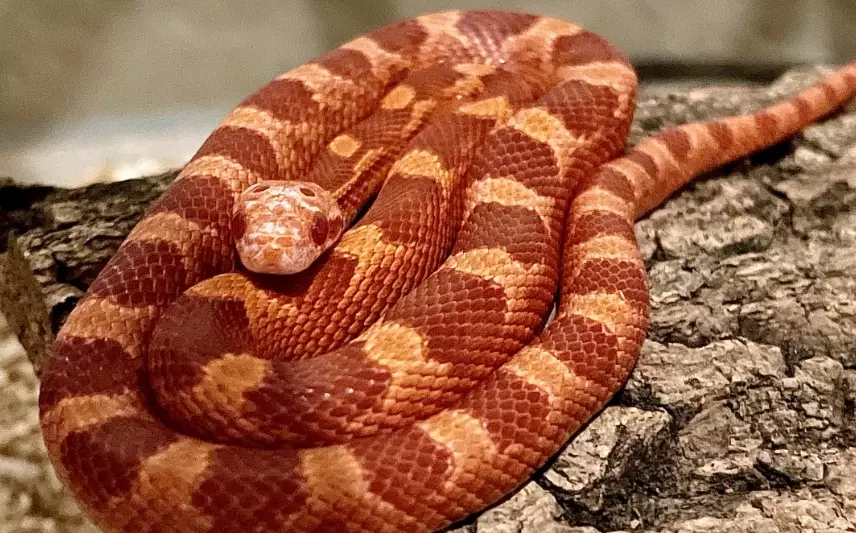
Common Pitfall: The most frequent mistake I see? Underestimating the importance of a thermostat. Plugging a heat mat directly into the wall is asking for trouble. It's the equivalent of leaving a space heater on high, unattended, in a wooden box. A $30 thermostat prevents a potential disaster and is worth every penny.
A Week in the Life: What Does Corn Snake Care Actually Look Like?
To really understand if corn snakes are hard to take care of, let's break it down into a practical schedule. This is the daily and weekly reality.
Daily (2-3 minutes): Glance at the thermometers and hygrometer. Make sure the temperatures are in range. Check that the water bowl is clean and full. Peek at the snake – is it active? Hiding? Does anything look off? That's it.
Weekly (10-30 minutes): This is feeding day for juveniles or every-other-week for adults. The ritual: take a frozen mouse from the freezer, place it in a sealed plastic bag, thaw it in the refrigerator overnight, then warm it up with warm water (never a microwave!) to about 100°F. Dry it off, present it with long feeding tongs. After the snake eats, leave it completely alone for at least 48 hours to digest. Also, do a quick spot-check for any feces and remove them.
Monthly/As Needed: A more thorough clean. Remove and replace soiled substrate. Take out all decor and hides, wash them with a reptile-safe disinfectant (like F10SC or diluted chlorhexidine), rinse thoroughly, and dry. Wipe down the walls of the enclosure. This might take an hour every 4-8 weeks.
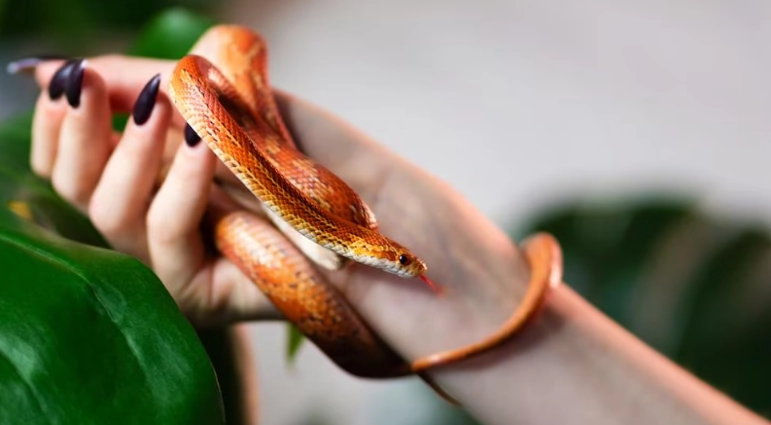
Handling is extra. It's not required for their health, but it's most of the fun! A couple of short, 15-20 minute sessions a week, always avoiding times around feeding and during shed, is perfect.
Breaking Down the Big Questions: Health, Cost, and Troubleshooting
Health Issues: What to Watch For
A healthy corn snake is alert, has clear eyes (except when in blue), a rounded body (not bony or excessively fat), and breathes quietly. So, are corn snakes hard to take care of when they get sick? It can be stressful, but many common issues are preventable with good husbandry.
- Respiratory Infections (RI): Often caused by low temperatures or chronic high humidity. Symptoms include wheezing, mucus bubbles by the mouth/nose, and open-mouth breathing. This requires a vet visit for antibiotics.
- Mites: Tiny black or red parasites that look like moving pepper grains. They stress the snake and can cause anemia. Treatment involves meticulous cleaning of the entire enclosure and snake with reptile-safe mite sprays.
- Stuck Shed: Usually a humidity problem. Provide a humid hide (a sealed container with damp sphagnum moss) during shed cycles. For stuck pieces, a warm, damp towel and gentle rubbing can help.
- Regurgitation: This is serious. It can be caused by handling too soon after eating, a prey item that's too large, or an enclosure that's too cold. If it happens, skip the next feeding cycle and ensure temperatures are perfect. If it happens again, consult a vet.
Finding a vet who sees reptiles before you have an emergency is a critical part of responsible ownership. The Association of Reptilian and Amphibian Veterinarians (ARAV) has a find-a-vet tool on their website, which is an invaluable resource.
The Real Cost Over 5 Years
Let's talk money, because a pet that breaks the bank is hard to care for in a different way.
- Startup: Enclosure, heating, thermostat, decor, substrate. This can range from $300 on the very low end (DIY and bargain hunting) to $600+ for a nice PVC setup.
- Snake Itself: A normal morph corn snake from a reputable breeder: $40-$80. Fancy morphs can cost hundreds.
- Monthly: Electricity for heating (minimal), maybe $2-$5. Frozen mice: about $1-$3 per mouse, so $5-$15 a month depending on snake size/feeding schedule.
- Annual: Substrate, maybe a new hide or plant. Call it $50.
- Emergency Fund: You should have at least $200-$300 set aside for a potential vet visit.
The first year is the most expensive. After that, it's just the low recurring costs of food and substrate. Compared to a dog that needs yearly shots, heartworm prevention, grooming, and much more food, it's economically efficient.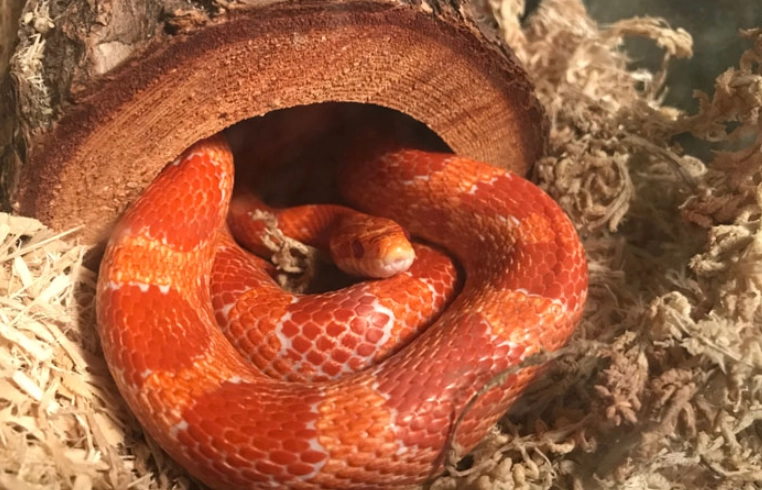
Corn Snake vs. Other Common "Beginner" Pets
Perspective is everything. Is caring for a corn snake harder than a cat? In daily time commitment, no. Cats need daily interaction, play, litter box cleaning, and often more frequent feeding. Is it harder than a leopard gecko? Slightly. Leopard geckos have similar heat needs but no humidity concerns and eat insects, which some find easier to deal with than frozen mice. Is it harder than a ball python? For a beginner, yes. Ball pythons, while also popular, are notorious for going on hunger strikes for seemingly no reason, which is incredibly stressful for a new owner. Corn snakes win big on feeding reliability.
The truth is, are corn snakes hard to take care of is a relative question. Compared to the vast majority of pet snakes and many furry pets, they are refreshingly straightforward. The learning curve is about understanding their environment, not managing complex behaviors or medical needs.
Your Decision Checklist: Are YOU Ready for a Corn Snake?
Don't just ask if the snake is hard to care for. Ask if you're the right person for it. Here’s a gut-check list:
- Can you commit to a 15+ year pet? This is the big one.
- Are you comfortable with frozen/thawed rodents? Be honest with yourself.
- Do you have space for a 4-foot-long enclosure (like a 40-75 gallon tank)? And a place to store frozen mice?
- Can you budget for the proper setup ($300+ upfront)? Skimping here causes problems.
- Are you a "set it and forget it" person or an observer? The best snake owners are quiet observers who notice subtle changes.
- Is there an exotic vet near you? Check the ARAV website now.
- Does your landlord/leasing agreement allow it? Always check.
- Is everyone in your household on board? Fear of snakes is real.
If you checked most of these boxes, you're likely a great candidate. The fact that you're researching and asking "are corn snakes hard to take care of" already puts you ahead of many impulse buyers.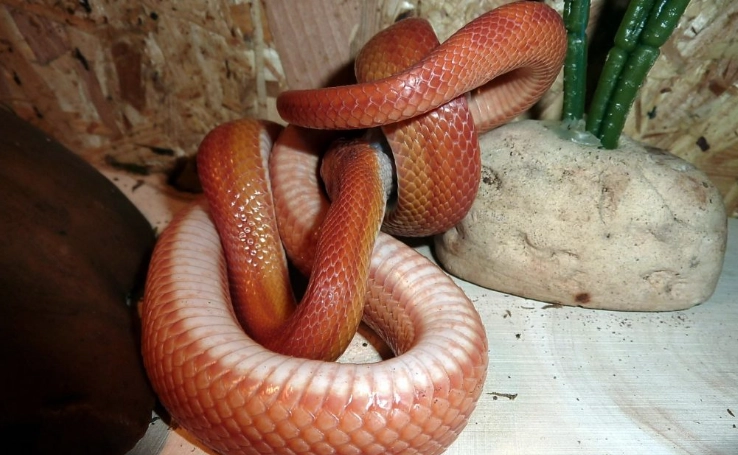
Wrapping It Up: The Final Verdict on Corn Snake Care Difficulty
So, after all this, what's the final word? Are corn snakes hard to take care of?
No, they are not hard in the traditional sense of demanding constant, skilled labor. They are, however, a serious commitment that requires an upfront investment of money and learning, followed by decades of simple, consistent maintenance. The "difficulty" is in the responsibility, not the daily tasks.
They reward a proactive, prepared owner with decades of low-drama companionship. They teach you about animal husbandry, ecology, and patience. For a responsible person willing to do the initial homework, a corn snake is one of the most satisfying and truly manageable pets you can choose.
The care is simple, but the commitment is profound. Get the setup right, stick to the routine, and you'll have a fascinating, beautiful pet for a very long time. And honestly, watching them explore during handling time, feeling the gentle strength of their muscles, never gets old. That's the real payoff for getting the care right.
A note on conservation: Always purchase corn snakes from reputable, captive-breeders. This ensures healthy animals and supports ethical practices. While wild corn snakes are not currently listed as endangered, supporting the captive-bred trade helps protect wild populations. You can learn more about the conservation status of reptiles through resources like the IUCN Red List.




Join the Conversation