I've seen it too many times. A new keeper, excited and well-meaning, brings home a vibrant baby bearded dragon. Fast forward 18 months, and the dragon is lethargic, its jaw looks soft, and it hasn't grown properly. The problem? It's almost never one big mistake. It's a dozen small, subtle errors in habitat setup and diet that slowly add up. Keeping a bearded dragon healthy isn't rocket science, but it does require getting the fundamentals exactly right. Forget the pet store pamphlet. This guide is the deep dive into the environmental and nutritional details that separate a surviving dragon from a truly thriving one.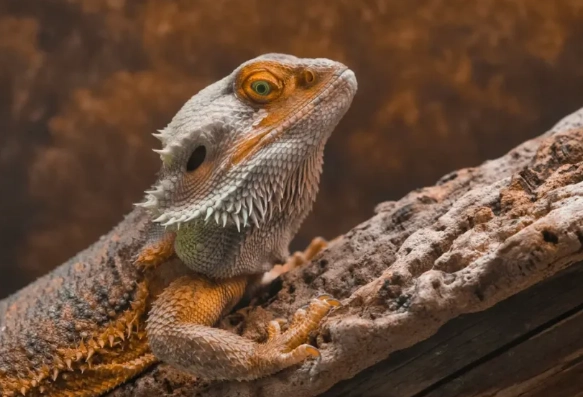
What's Inside: Your Bearded Dragon Health Roadmap
How to Set Up the Perfect Bearded Dragon Habitat
Think of the enclosure as your dragon's internal medicine cabinet. If it's wrong, nothing else you do will matter. The biggest error I see? Underestimating the need for a precise thermal gradient and high-quality UVB.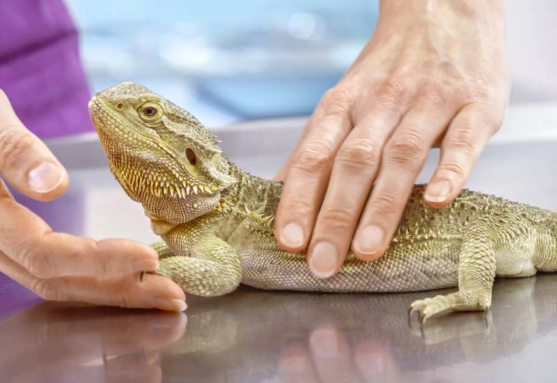
A 40-gallon breeder tank is the bare minimum for an adult, but 75 gallons or a 4x2x2 foot enclosure is the new standard for giving them room to move. Screen tops are fine, but they block UVB—more on that in a second.
Temperature and Lighting: The Non-Negotiables
You need three distinct zones, measured with digital probe thermometers (not the sticky analog ones).
- Basking Spot: 100-110°F (38-43°C) for babies, 95-105°F (35-40°C) for adults. This is for digestion.
- Warm Side: 85-90°F (29-32°C).
- Cool Side: 75-80°F (24-27°C). This is crucial for thermoregulation.
Nighttime temps can drop to 65-70°F (18-21°C). If your house gets colder, use a ceramic heat emitter (no light) to bump it up.
Substrate and Decor: Safety First
Loose substrates like sand, calcium sand, or walnut shells are a massive impaction risk, especially for juveniles. I've had to assist vets with surgeries to remove impacted sand. It's not worth it.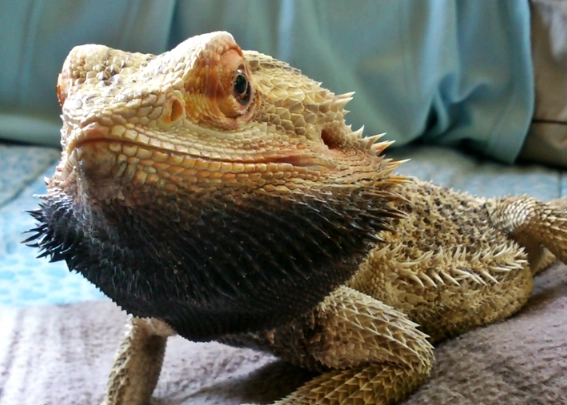
Safer options:
- For beginners/juveniles: Non-adhesive shelf liner, reptile carpet (washed frequently), or paper towel.
- For experienced keepers with adults: A 50/50 mix of topsoil and play sand (no fertilizers) can work if your husbandry is flawless, but tile (slate-style) is my top recommendation. It files nails, is easy to clean, and poses zero risk.
Provide multiple hiding spots (one on the warm side, one on the cool side) and sturdy branches/rocks for climbing and basking.
Bearded Dragon Diet and Nutrition: Beyond Crickets and Greens
Feeding isn't just about what you offer, but the ratio, variety, and supplementation. The goal is a 2:1 Calcium to Phosphorus ratio in their overall diet. Most feeder insects are the opposite (high in phosphorus), which is why we dust with calcium.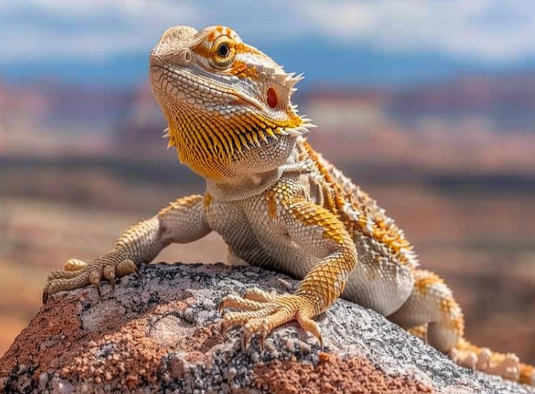
| Life Stage | Insect Prey | Vegetation | Feeding Frequency |
|---|---|---|---|
| Baby (0-4 mos) | 80% (Crickets, Dubia roaches, BSFL) | 20% (Finely chopped greens) | 2-3x daily, as many as they'll eat in 10 mins. |
| Juvenile (4-12 mos) | 70% | 30% | 1-2x daily. |
| Adult (12+ mos) | 20-30% | 70-80% | Insects: 2-3x per week. Salads: Daily. |
Staple Greens: Collard, mustard, turnip, and dandelion greens. Escarole, endive. Avoid spinach and kale as staples (they bind calcium).
Staple Insects: Dubia roaches, black soldier fly larvae (BSFL), crickets, silkworms. BSFL are fantastic—they're high in calcium and don't need dusting.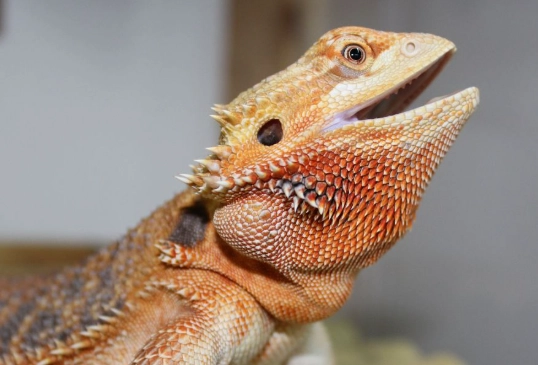
Treat Insects (Feed Sparingly): Waxworms, superworms, butterworms. These are like candy.
Hydration is weird with dragons. They rarely drink from a bowl. Mist their greens, offer baths 1-2 times a week (lukewarm, shallow water), and watch for them licking water droplets.
Spotting and Treating Common Bearded Dragon Health Issues
Early detection is everything. Here are the big three you need to watch for.
1. Metabolic Bone Disease (MBD)
The classic preventable disease. Causes: Lack of UVB, lack of dietary calcium, or too much phosphorus.
Symptoms: Soft, rubbery jaw; bumps along the spine or legs; tremors or twitching; difficulty walking; swollen limbs. In advanced stages, the dragon may look "broken."
Action: This is a veterinary emergency. Treatment involves prescription calcium injections, dietary correction, and fixing the UVB setup. Damage can be halted but not always reversed.
2. Parasites (Coccidia, Pinworms)
Even dragons from good breeders can have them. Stress can cause an outbreak.
Symptoms: Runny, smelly, or mucousy stool; weight loss despite eating; lethargy.
Action: A fecal exam by an exotic vet is needed for diagnosis. Treatment is usually oral medication. Keep the enclosure spotlessly clean during treatment.
3. Respiratory Infections (RI)
Caused by incorrect temperatures (too cold) and/or high humidity.
Symptoms: Wheezing, clicking sounds when breathing, mucus around nostrils or mouth, open-mouth breathing (not to be confused with gaping to thermoregulate), lethargy.
Action: See a vet. Antibiotics are required. In the meantime, ensure basking temps are at the high end of the range and that humidity is low (30-40%).
Other things to watch: Impaction (lethargy, bloating, no poop) from eating loose substrate or oversized prey. Tail or toe rot (dark, dry, shriveled extremities) from retained shed or injury.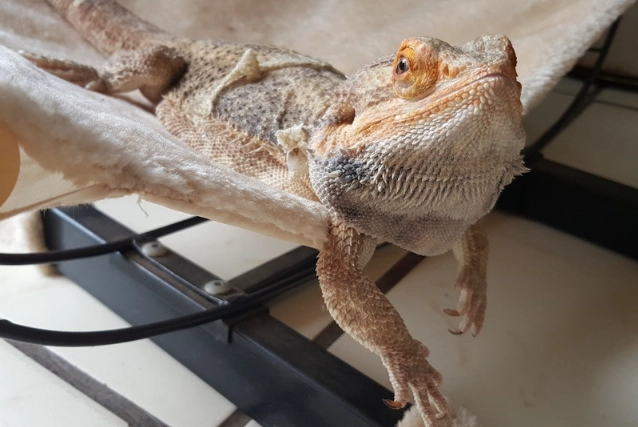
The Proactive Keeper's Guide: Preventive Care and Checkups
The best health plan is avoiding problems. Do a quick daily visual check and a weekly hands-on assessment.
Weekly Health Check:
- Eyes: Bright, clear, not sunken.
- Nose & Mouth: Clean, no discharge or retained shed.
- Body: Firm, not bony (check the base of the tail and hips). No lumps or bumps.
- Skin: Check for complete sheds, especially on toes and tail tip.
- Vent: Clean, no prolapse or stuck stool.
- Behavior: Alert, responsive, basking regularly.
Find an exotic or reptile-savvy vet before you have an emergency. A routine annual checkup, including a fecal exam, is worth its weight in gold. It establishes a baseline and catches subclinical issues.
Keep a simple log: weight (a kitchen scale in grams is perfect), feeding, pooping, and shedding dates. A sudden weight drop is often the first sign of trouble.
Your Top Bearded Dragon Health Questions, Answered
The journey with a bearded dragon is a long one. It requires attention to detail, a willingness to learn from mistakes (we all make them), and a proactive mindset. Get the habitat and diet locked in from day one, learn your dragon's normal behavior, and don't hesitate to consult a good reptile vet. That's the recipe for a healthy, happy dragon that'll be part of your life for years to come.


Join the Conversation