Let's be honest. When your dog isn't feeling well, it's a special kind of worry. They can't tell you what's wrong, right? You're left playing detective, trying to decode every whimper, every change in appetite, every weird poop. It's stressful. I've been there more times than I care to remember with my own Labrador, Max.
Over the years, I've learned that understanding common dog health problems is half the battle. Knowing what to look for, when to panic (and when not to), and what questions to ask your vet can make a world of difference. This guide isn't meant to replace your veterinarian—seriously, always call them first for anything urgent—but it's here to help you become a more informed, confident pet parent.
We're going to walk through the most frequent issues dogs face, break down their symptoms in plain English, and talk about realistic treatment paths. Think of it as your first-aid manual and reference guide rolled into one.
Key Insights
The Big Five: Most Common Canine Health Issues
Some problems are just more common than others. Breed plays a huge role, of course—a Great Dane's worries are different from a Pug's—but these five tend to pop up across the board. If you're going to memorize symptoms for anything, start here.
1. Skin Allergies and Infections (Dermatitis)
Oh, the itching. It drives them crazy, and watching it drives us crazy. Skin issues are probably the number one reason for vet visits that aren't routine check-ups. The causes are a mixed bag: food allergies (chicken and beef are common culprits), environmental allergies (pollen, dust mites), flea bites, or even just yeast overgrowth.
- Constant scratching, licking, or chewing, especially at paws, belly, or ears.
- Red, inflamed skin or recurring hot spots (those angry, wet, sore patches).
- Hair loss or a dull, brittle coat.
- Chronic ear infections—shaking the head, brown gunk in the ears.
- A weird, sweet or musty smell coming from their skin or ears.
The treatment depends entirely on the root cause, which is the tricky part. Your vet might suggest an elimination diet to rule out food allergies. For environmental allergies, they might recommend antihistamines (like Benadryl, but only at the vet-prescribed dose), special shampoos, or in more severe cases, medications like Apoquel or Cytopoint. Flea control is non-negotiable. For a simple yeast infection, a medicated wash might do the trick.
I spent a small fortune trying to figure out Max's skin problems before we landed on a combination of a limited-ingredient diet and a monthly allergy shot. It was a process.
2. Ear Infections (Otitis Externa)
This one deserves its own spot because it's so darn common, especially in floppy-eared breeds like Spaniels or Retrievers. That floppy ear creates a warm, dark, moist environment—a perfect party zone for bacteria and yeast.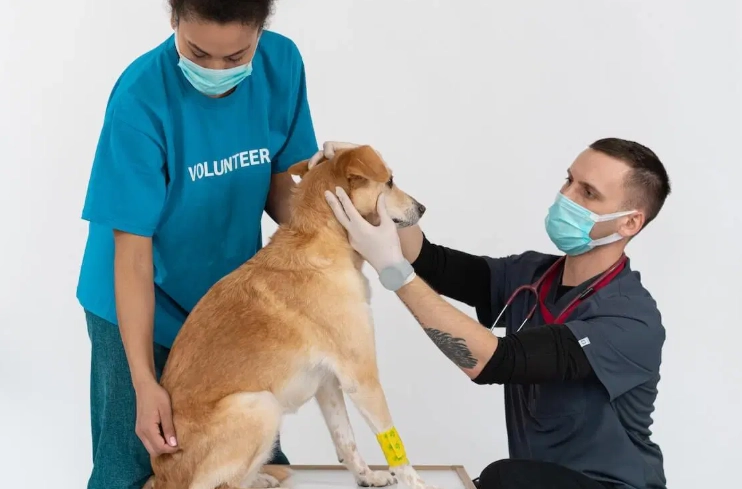
You'll know it's likely an ear infection if your dog is head-shaking like they're in a heavy metal band, scratching their ear incessantly, or if you see redness, swelling, or a nasty discharge (yellow, brown, or black). There's often a bad odor, too.
Treatment involves a vet cleaning out the gunk (please don't try to dig deep with a Q-tip yourself) and prescribing medicated ear drops. The full course is crucial—stop too early and it'll bounce right back. For chronic cases, figuring out the underlying cause (allergies, anatomy) is key.
3. Digestive Upsets (Vomiting and Diarrhea)
Dogs eat things. Gross things. Indiscriminately. So occasional tummy trouble is almost a given. But it's important to know when it's just a minor bug and when it's a sign of something more serious.
- Vomiting or diarrhea that lasts more than 24 hours.
- Blood in vomit or stool (bright red or dark, tarry).
- Signs of pain, bloating, or a hard abdomen.
- Lethargy or weakness accompanying the GI issues.
- Suspicion they ate something toxic (chocolate, xylitol, etc.) or a foreign object.
For mild cases, the old treatment of a 12-24 hour fast (water only) followed by a bland diet of boiled chicken and white rice for a few days often works. Pumpkin puree (plain, not pie filling) can help firm things up. Probiotics made for dogs can be helpful for gut health. But persistent problems need a vet's diagnosis—it could be anything from parasites and pancreatitis to inflammatory bowel disease (IBD).
4. Arthritis and Joint Pain
This is a big one, especially for senior dogs and large breeds. It's heartbreaking to see your once-energetic pup struggle to get up, hesitate before jumping, or limp after exercise. The symptoms are often subtle at first: stiffness, reluctance to climb stairs, lagging on walks, or even just a change in personality (being grumpy when touched).
Treatment focuses on managing pain and improving quality of life. Your vet might prescribe non-steroidal anti-inflammatory drugs (NSAIDs) specifically for dogs. Never give human NSAIDs like ibuprofen—they are toxic. Supplements like glucosamine/chondroitin and fish oil can help support joint health. Weight management is critical—every extra pound stresses those joints. Physical therapy, gentle exercise like swimming, and orthopedic beds make a huge difference.
Max started showing signs around age 8. A combination of a joint supplement, a prescription diet for weight, and a fantastic memory foam bed got him back to his happy, wiggly self.
5. Dental Disease
By age three, most dogs have some degree of dental disease, and it's not just about bad breath. Tartar buildup leads to inflamed gums (gingivitis), which can lead to painful infections, tooth loss, and even allow bacteria to enter the bloodstream and damage the heart, liver, and kidneys.
Symptoms include truly foul breath, red or bleeding gums, yellow/brown crust on teeth, drooling, dropping food, or pawing at the mouth.
Prevention is the best treatment: regular tooth brushing with dog-specific toothpaste (human toothpaste has xylitol, which is poisonous to dogs). Dental chews and water additives can help. But once plaque hardens into tartar, only a professional veterinary dental cleaning under anesthesia can remove it. It's an investment, but a crucial one for long-term health.
Decoding the Symptoms: What Your Dog's Behavior is Telling You
Sometimes, the problem isn't one of the "big five," but your dog is just...off. Here's a quick-reference table for some general symptoms and what they might point to. Remember, this is a starting point for a conversation with your vet, not a diagnosis.
| Symptom | Possible Health Problems | Urgency Level |
|---|---|---|
| Excessive Drinking & Urination | Diabetes, Kidney Disease, Cushing's Disease, UTI | High - Schedule a vet visit soon. |
| Coughing, Especially at Night | Kennel Cough, Heart Disease, Collapsing Trachea (small breeds) | Medium-High - Needs vet diagnosis. |
| Sudden Weight Loss | Dental pain, Diabetes, Intestinal parasites, Cancer | High - Investigate promptly. |
| Lumps or Bumps | Lipoma (benign fat tumor), Cyst, Abscess, Mast Cell Tumor (cancer) | Medium - Get any new lump checked. |
| Scooting Rear on Floor | Full or Irritated Anal Glands, Worms, Allergy | Medium - Uncomfortable for dog, needs addressing. |
| Cloudy or Red Eyes | Conjunctivitis, Dry Eye (KCS), Cataracts, Glaucoma (EMERGENCY if eye is bulging) | High for Glaucoma/Redness, Medium for cloudiness. |
See how one symptom can point to multiple things? That's why vets are essential. They have the tools and training to narrow it down.
The Treatment Landscape: What to Expect at the Vet
Okay, you've spotted the symptoms, you're at the vet's office... now what? Understanding common treatment paths demystifies the process and helps you ask better questions.
First, diagnosis. Your vet isn't just guessing. They might use:
- Bloodwork & Urinalysis: Checks organ function, blood cell counts, glucose, etc. The American Veterinary Medical Association (AVMA) provides great resources on understanding pet care and diagnostics.
- X-rays (Radiographs): For bones, chest, looking for foreign objects.
- Ultrasound: For a closer look at soft organs like the heart, liver, spleen.
- Skin Scrapings or Cytology: Looking under a microscope for mites, bacteria, yeast.
Then comes the treatment plan. It's rarely just one thing. It's often a multi-pronged approach.
- Medication: Antibiotics for infection, NSAIDs for pain/inflammation, specific drugs for conditions like heart disease or Cushing's.
- Dietary Management: Prescription diets for kidneys, urinary health, allergies, or weight loss. The World Small Animal Veterinary Association (WSAVA) has guidelines on selecting appropriate pet foods.
- Lifestyle Changes: More (or less) exercise, physical therapy, ramps instead of stairs, puzzle feeders for mental stimulation.
- Supplements: Joint support, probiotics, omega fatty acids for skin/coat.
- Surgery: For removing tumors, repairing torn ligaments (like ACL tears), or addressing life-threatening conditions like GDV (bloat).
The cost can add up. Pet insurance or a dedicated savings account is something I wish I'd started the day I brought Max home. It removes a huge layer of stress from decision-making.
Your Questions, Answered (The Stuff You Actually Google)
Usually not an immediate panic moment. Yellow foam is often bile, which happens when a dog's stomach is empty and irritated (hence the common early morning "hunger puke"). Try feeding smaller, more frequent meals. If it happens once and your dog is otherwise normal, monitor. If it's repeated, or accompanied by lethargy or refusing food, then it's vet time.
This is the classic sign of allergies, either environmental or food-based. It can also be a habit born from boredom or anxiety. Check between the toes for redness, sores, or foreign objects (like a grass seed). If it's constant and causing irritation, a vet visit is needed to find the root cause and discuss treatment for this frustrating dog health problem.
They're masters at hiding it. Look for subtle shifts: panting when not hot or exercised, restlessness or inability to get comfortable, loss of appetite, reluctance to be touched in a certain spot, a tucked tail, or a hunched posture. Any sudden change in normal behavior is a clue.
Some are, with huge caveats. Plain pumpkin for mild diarrhea? Generally safe. A gentle oatmeal bath for itchy skin? Usually fine. But the internet is full of dangerous advice. Never give human medications (Tylenol, Advil, etc.) without explicit vet instruction. Avoid garlic, onions, grapes, and essential oils. When in doubt, call your vet. The ASPCA Animal Poison Control Center is an invaluable resource for toxicity questions, though they may charge a fee.
Prevention is the Best Medicine (No, Really)
It sounds cliché, but it's 100% true. A proactive approach saves money, heartache, and vet visits down the line.
The Non-Negotiable Prevention Checklist:
- Annual (or Bi-annual for Seniors) Vet Check-ups: This is for catching problems before symptoms appear. Bloodwork can spot early kidney issues; a physical exam can find a tiny lump you missed.
- Core Vaccinations & Parasite Prevention: Heartworm, flea, and tick prevention every month, all year. It's cheaper than treating the diseases they cause.
- Quality Nutrition: Feed a balanced, age-appropriate diet from a reputable company. You don't need the most expensive bag, but the cheapest is often a false economy.
- Weight Management: Keep your dog lean. It's the single best thing you can do to prevent arthritis, diabetes, and heart disease.
- Dental Care: Start brushing young. It's a game-changer.
- Mental & Physical Exercise: A tired, stimulated dog is a healthy dog. Boredom and pent-up energy lead to destructive behaviors and stress.
Look, navigating dog health problems symptoms treatment is a journey. It's messy, sometimes scary, and often expensive. But being armed with knowledge turns you from a helpless bystander into your dog's best advocate.
Trust your gut. You know your dog better than anyone. If something feels off, it probably is. Take notes, take pictures (yes, even of the vomit or the weird poop—vets appreciate it!), and don't be afraid to ask your vet to explain things until you understand.
Your dog gives you everything. This—paying attention, learning, and getting them the care they need—is how you give a little back. It's what they deserve.




Join the Conversation