Let's be honest. The dream of a perfectly tidy hamster cage where every single pee and poop lands in one designated toilet is... optimistic. But getting your hamster to pee primarily in one spot? That's not just possible, it's a game-changer for odor control and your weekly cleaning routine. I've kept hamsters for over a decade, and while none have ever been flawlessly potty-trained like a dog, every single one learned to favor a specific corner for their business. The difference it makes is huge.
The secret isn't in forcing a behavior, but in understanding and working with your hamster's natural instincts. They already have a preference. Your job is to identify it and make that spot the most appealing bathroom in town.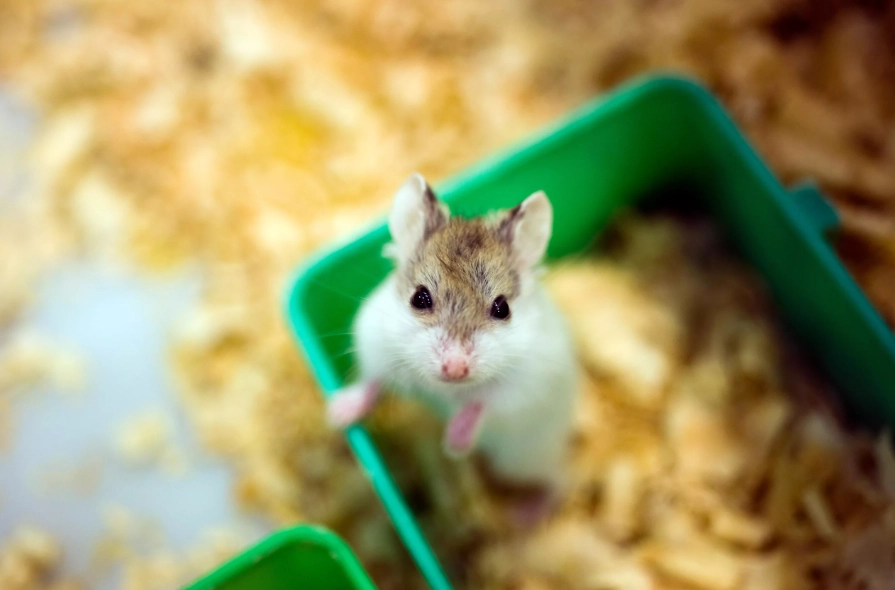
What's Inside This Guide?
Why Litter Training a Hamster is Possible and Beneficial
Unlike dogs who need to be taught the concept of holding it, hamsters are naturally inclined to keep their living area somewhat separate from their bathroom. In the wild, a burrow has different chambers. They instinctively don't want to soil their nest. This is the biological hook we use for hamster litter training.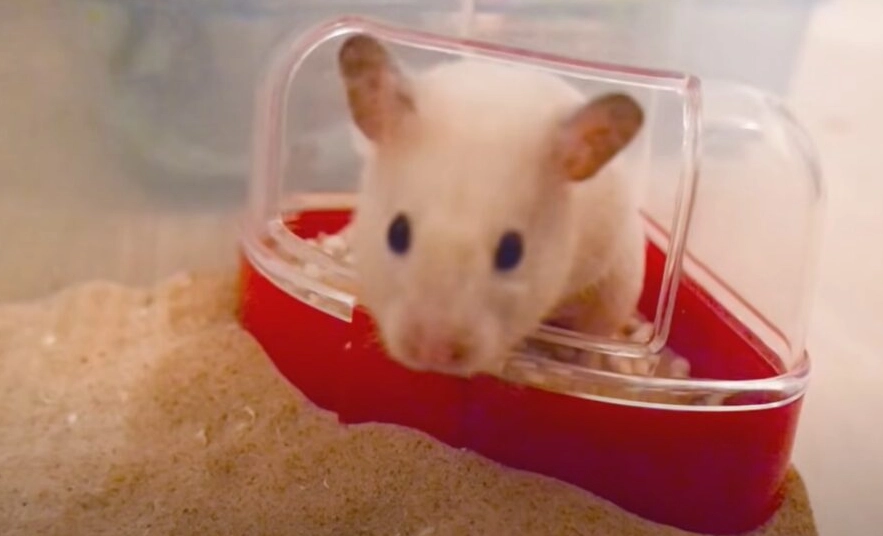
The benefits are straightforward:
- Less Odor: Ammonia from urine builds up. Concentrating it in one absorbent litter box you can change every 1-2 days keeps the whole cage smelling fresher longer.
- Easier Spot Cleaning: Instead of chasing wet spots all over the cage, you have one primary zone to maintain. This extends the time between full, stressful cage cleanouts.
- Health Monitoring: It's easier to notice changes in urine color or output when it's all in one place, which can be an early sign of health issues like a urinary tract infection.
- Happier Hamster: A cleaner living environment is less stressful for your pet. They spend less time rearranging bedding to avoid soiled areas.
A common misconception is that you're teaching a completely new skill. You're not. You're simply reinforcing and redirecting an existing instinct to a more convenient (for you) location.
Step-by-Step Guide to Hamster Litter Training
Here’s the practical, no-fluff method. Patience is your most important tool.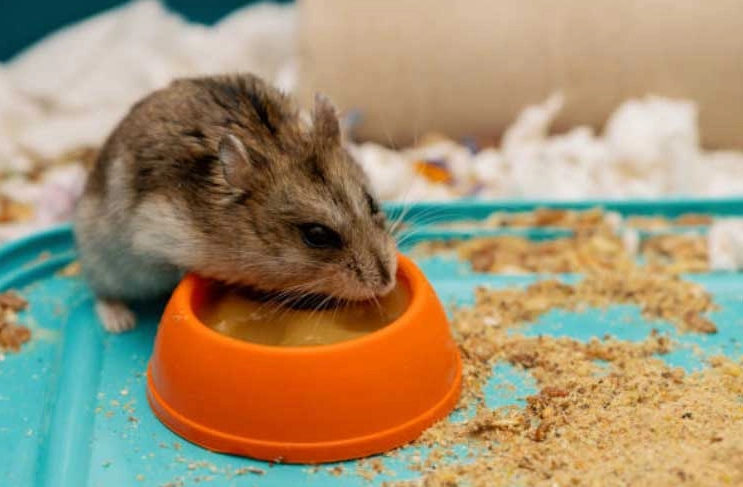
Step 1: The Observation Period (Days 1-2)
Do nothing but watch. After you set up a fresh cage, don't immediately add a litter box. Where does your hamster naturally choose to pee? For most, it's a far corner, often diagonally opposite their nest or food stash. This is their self-selected bathroom. Your goal is to place the litter box exactly there. Fighting this natural preference is the biggest mistake new owners make. If they like the back left corner, that's where the toilet goes.
Step 2: Strategic Placement and Baiting
Once you've identified the spot, place your chosen litter box (we'll discuss types next) firmly in that corner. Now, for the magic bait: take some of the soiled, urine-damped bedding from that corner and place it inside the new litter box. Add a few of their droppings too. This is the single most effective step. You're using their own scent to scream, "BATHROOM HERE!"
Step 3: Consistent Reinforcement and Cleaning
Now, every time you spot a wet patch or a pile of poop outside the litter box, gently pick it up (use a spoon or tissue) and place it inside the box. Do this calmly without startling your hamster. You're not scolding, just relocating the "signpost."
Clean the litter box partially, not completely. This is a subtle point many guides miss. When you change the litter, always leave a small amount of the old, soiled litter or a few old droppings in the corner of the box. A completely sterile, clean box loses its bathroom scent signature and can confuse them. Think of it as leaving a reminder.
Clean everywhere else in the cage more thoroughly than the litter box. This makes the litter box the strongest-smelling "bathroom" area by comparison.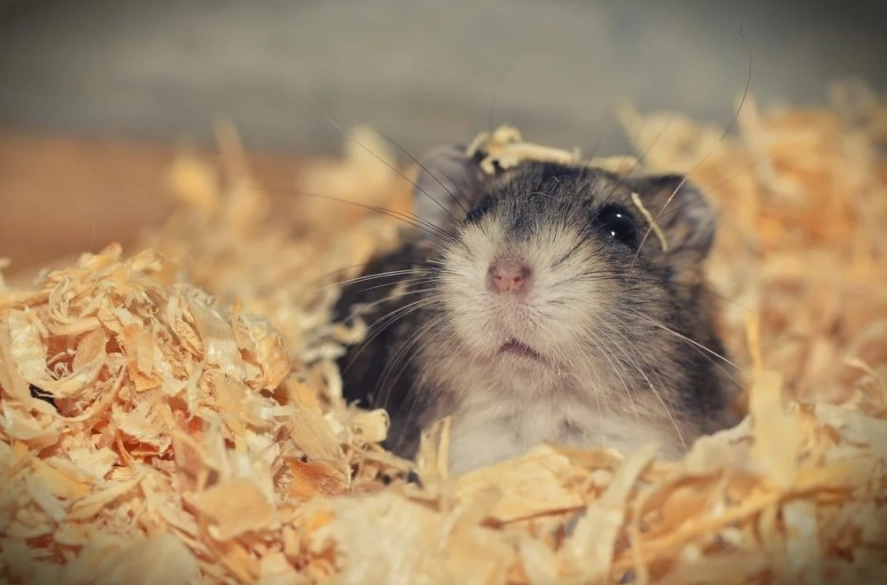
Choosing the Right Litter Box and Litter
Your equipment matters. The wrong setup can derail your training before it starts.
| Item | Best Choices | What to Avoid & Why |
|---|---|---|
| Litter Box | Corner Trays: Fit snugly, conserve space. Small Dish: A ceramic or heavy plastic dish works. DIY Container: Plastic container corner cut to fit. |
Anything too tall/hard to climb into. Open, flat trays that don't define a space. The box should have low enough sides for easy access. |
| Litter Material | Paper-Based Pellet Litter: Highly absorbent, low dust, safe if ingested. Aspen Wood Shavings: Natural, absorbent, safe. Sand (Reptile): Some hamsters (like Robos) love a sand bath that doubles as a toilet. Must be dust-free, sterilized reptile sand. |
Clumping Cat Litter: Dangerous if ingested, can cause blockages. Cedar/Pine Shavings: Aromatic oils cause severe respiratory issues. Fluffy Bedding in Box: Not absorbent enough, gets soggy and gross fast. |
Troubleshooting Common Litter Training Problems
It's rarely a smooth ride. Here's what to do when things go sideways.
Problem: "My hamster is using the litter box as a bedroom/food stash."
This is incredibly common. The box is a cozy, enclosed space. Your move is to make it less appealing for those activities. Try a box with lower sides. Put a more attractive, darker sleeping hut elsewhere. If they stash food in it, keep the litter box very clean (food goes moldy) and ensure their main food bowl is full.
Problem: "They go right next to the box, but not in it."
The box might be too small, or the entrance awkward. Try a slightly larger tray. Also, ensure the soiled bedding "bait" is very prominent inside. Sometimes they just need more time to get the precision right.
Problem: "They were using it, but suddenly stopped."
Did you over-clean it? Remember to leave a scent marker. Did you move the cage or rearrange furniture dramatically? This can reset their mental map. Go back to the observation and baiting steps. A full cage clean can also cause this; try to keep the litter box location and a bit of its soiled contents consistent during cleanings.
My Syrian hamster, Almond, was a pro for months. Then I upgraded his cage. He ignored his perfectly placed litter box for a week. I had to pretend it was day one again—find his new preferred corner (it had changed!) and move the box. He relearned it in a few days. Setbacks are normal.
Your Hamster Litter Training Questions Answered
 What is the best litter for a hamster toilet?
The ultimate goal isn't perfection. It's making life easier for you and your hamster. If you succeed in getting 70% of the pee in one spot, you've won. You'll spend less time scrubbing, the cage will smell better, and you'll have a clearer window into your pet's health. Start by watching. That's where every success story begins.

Join the Conversation