Let's be honest. Snakes can be fantastic pets. They're quiet, don't need walks, and watching them explore is genuinely fascinating. But that "low maintenance" label is a bit of a trap. It only applies after you've nailed the setup. Get the basics wrong, and you're looking at a stressed, sick, or worse, pet. This isn't just another list of bullet points. This is the care sheet I wish I had when I got my first corn snake a decade ago, filled with the subtle stuff you only learn through years of trial, error, and talking to other keepers.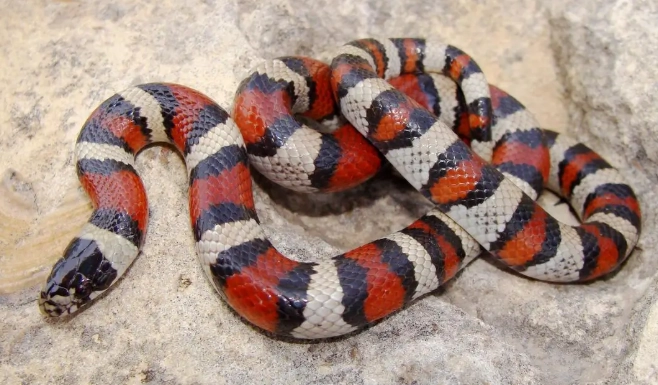
What's Inside: Your Snake Care Roadmap
Picking the Right Snake: It's Not Just About Looks
You see a beautiful ball python or a sleek corn snake and it's love at first sight. Hold on. The first, and biggest, mistake is choosing a snake based purely on aesthetics. You need to match the snake's needs with your lifestyle and experience.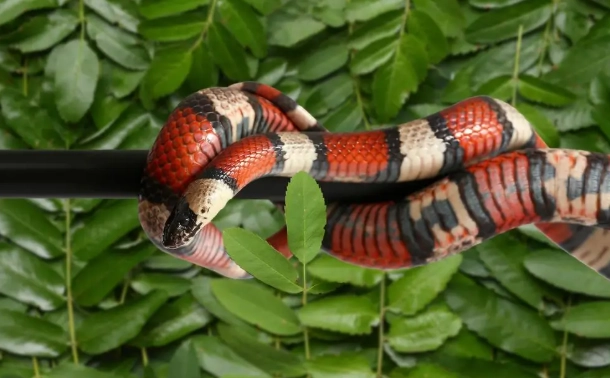
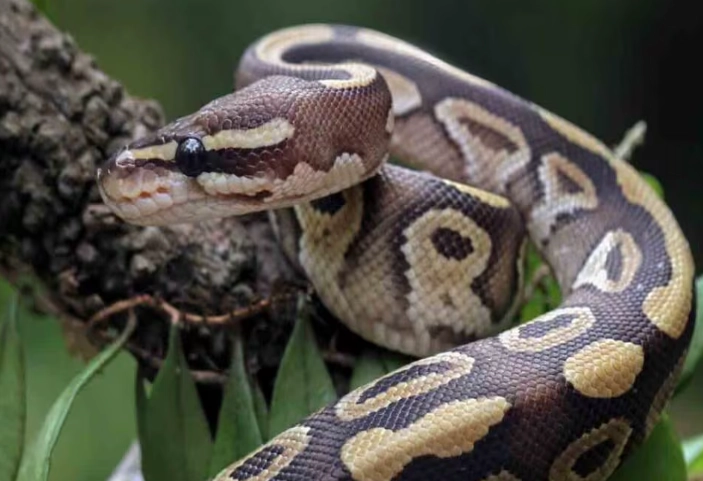
Beginners often gravitate towards ball pythons because they're docile. That's true, but they're also notorious for going on hunger strikes, sometimes for months, which is incredibly stressful for a new owner. A corn snake or a kingsnake is often a more reliable eater.
Then there's size. A baby Burmese python is cute, but it will eventually need an enclosure the size of a room. Be realistic about the adult size and the space you can commit for the next 15-30 years.
| Species (Common Name) | Adult Size | Temperament | Feeding Difficulty | Notes for Beginners |
|---|---|---|---|---|
| Corn Snake | 4-5.5 feet | Generally docile, active | Easy (rarely refuses) | Great "starter" snake, many color morphs. |
| Ball Python | 3-5 feet | Very docile, shy | Can be difficult (fasting periods) | Requires higher humidity and secure hides. |
| California Kingsnake | 3-4 feet | Curious, can be feisty as juveniles | Very easy (voracious appetite) | Escape artists, need very secure lids. |
| Rosy Boa | 2-3.5 feet | Calm, slow-moving | Easy | Stays small, low humidity needs. |
My advice? Find a local reptile expo or a reputable breeder. Don't buy from big-chain pet stores if you can avoid it—their animals often come from large-scale mills and may have health issues. A good breeder will let you handle the snake and answer all your questions about its history.
Building the Perfect Enclosure: More Than Just a Tank
The cage is your snake's entire world. The goal isn't just containment; it's to create a secure, stimulating environment that meets their physical and psychological needs.
The Enclosure Itself: Size and Security
A common rule is that the length + width of the enclosure should at least equal the snake's length. For a 4-foot corn snake, a 36"x18" footprint is a good minimum. Bigger is almost always better, as long as you fill it with enough cover. The number one cause of stress in captive snakes is feeling exposed.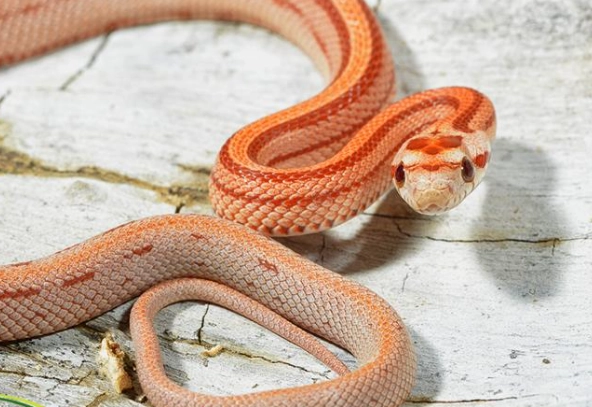
Security is paramount. Snakes are surprisingly strong and motivated escape artists. A front-opening PVC enclosure with locking doors is the gold standard. It holds heat and humidity better than glass. If you use a glass tank, you must have a tightly fitting, locking screen lid. I've used bricks in the past, but a dedicated clip kit is safer.
Furnishings: The Stuff That Matters
Think of the enclosure in layers: substrate, hides, clutter.
Substrate: This is your flooring. Avoid cedar and pine shavings—the aromatic oils are toxic to reptiles. Aspen shavings are great for corn snakes and other species from temperate climates because they don't hold much moisture. For ball pythons or tropical species, you need something that holds humidity, like coconut fiber or cypress mulch. Newspaper or paper towel is boring but perfectly safe and useful for quarantine periods.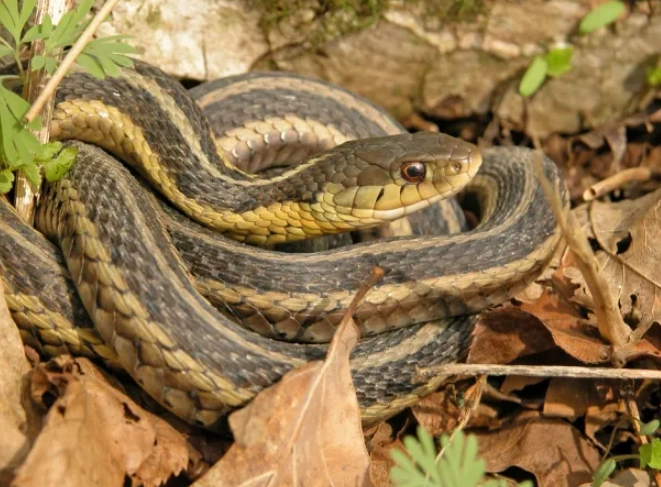
Hides: You need at least two identical hides: one on the warm end and one on the cool end. If the hide on the warm side is "better" (darker, snugger), your snake will choose security over thermoregulation and may not warm up properly. The hide should be just big enough for the snake to curl up inside and touch the sides—a snug fit equals safety. Half-logs look nice but are too open; block the ends with moss or other decor.
Clutter & Enrichment: This is the most overlooked part. An empty tank is a stressed snake. Add fake plants, branches, cork bark tubes, and rocks. This gives them cover to move around without feeling seen, and things to rub against when shedding. It makes their world more interesting.
Heat & Light: The Non-Negotiables
Snakes are ectotherms. They can't make their own heat. Your job is to provide a temperature gradient so they can choose where to be.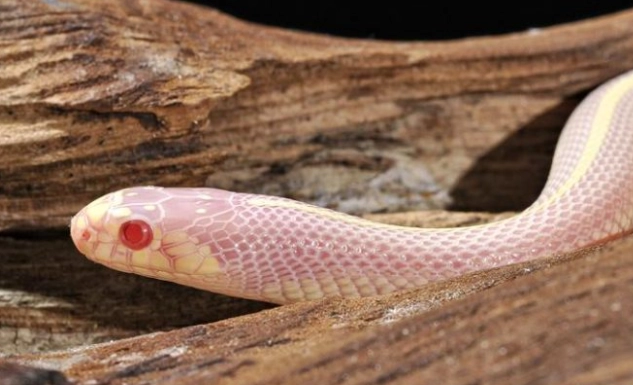
The Warm Side (Basking Area): This should be 85-90°F (29-32°C) for most common pet species. The heat source should be controlled by a thermostat—this is non-negotiable. An unregulated heat mat or bulb can and will cause severe burns. I prefer overhead heating (like a Ceramic Heat Emitter or a Deep Heat Projector) over under-tank heat mats because it more closely mimics the sun, warming the air and the snake's back.
The Cool Side: This should be around 75-80°F (24-27°C). This area is crucial for digestion and general comfort.
Measuring: Don't trust the stick-on thermometer on the glass. It measures the air right there, not where your snake is. Use a digital thermometer with a probe, or even better, an infrared temperature gun to check the actual surface temperature of the basking spot and the substrate in both zones.
Lighting: Snakes don't require UVB light to survive, but emerging research, including perspectives from veterinarians associated with the Association of Reptilian and Amphibian Veterinarians (ARAV), suggests it can benefit their immune system, activity levels, and overall well-being. A low-output UVB light on a 12-hour timer can be a great addition, simulating a natural day/night cycle.
The Feeding Routine (And What to Do When It Goes Wrong)
Feeding is straightforward until it isn't. Here's the practical guide.
What to feed: Frozen-thawed rodents are the only safe, ethical choice. Live prey can inflict serious injuries on your snake. Buy rodents sized appropriately—the widest part of the meal should be no larger than the widest part of the snake's body.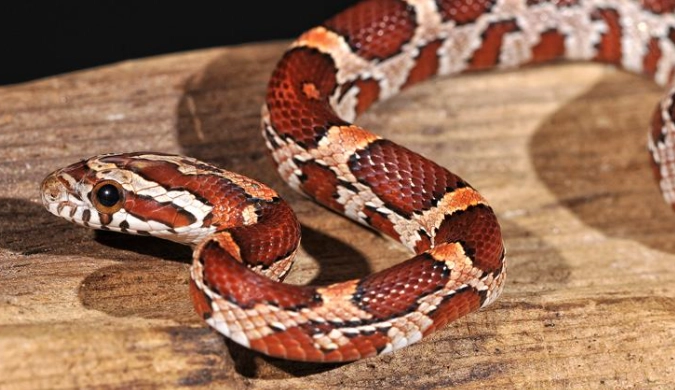
How to feed: Thaw the rodent completely in the fridge overnight, then warm it up in a plastic bag placed in warm water. Use long feeding tongs to offer it. Some snakes like it dangled, others prefer it left on a plate. Feed inside the enclosure—moving to a separate "feeding tub" is unnecessary and can cause regurgitation from the stress of handling after eating.
Frequency: Juveniles eat more often than adults. A young corn snake might eat every 5-7 days, while an adult ball python might eat a larger meal every 10-14 days. Don't overfeed. Obesity is a common health problem in pet snakes.
What if my snake won't eat? First, don't panic. Double-check your temperatures and humidity—this is the cause 90% of the time. Is the snake in shed? Many refuse food during this time. Ensure the hides are secure. If you've just brought the snake home, give it a full week of no handling or disturbance to settle in before even attempting to feed. If a ball python goes off food for a few months in the winter, it might just be a seasonal fast. The key is to monitor weight. If the snake is losing significant weight (more than 10% of its body mass), it's time for a vet visit.
After feeding, leave the snake completely alone for at least 48 hours to digest. Handling can cause a regurgitation, which is a major setback.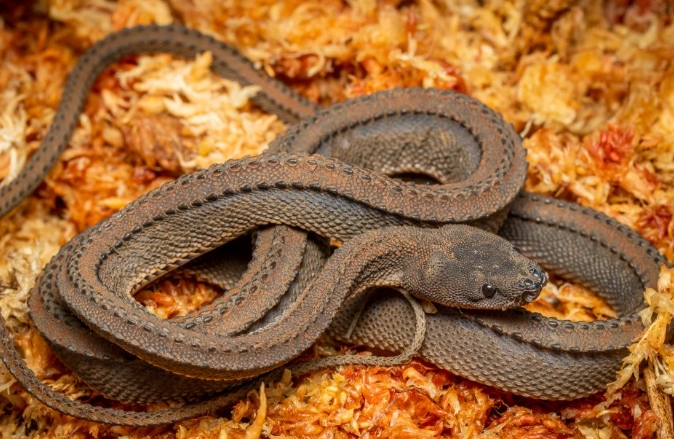
Spotting Trouble: Health Checks You Can Do
Snakes hide illness well. You need to be a detective. Do a quick visual check every time you spot-clean or change water.
- Eyes & Nose: Clear? No bubbles, mucus, or stuck shed? Bubbles or wheezing are signs of a Respiratory Infection (RI), which needs a vet ASAP.
- Mouth: Gently check (you may need a second person) for yellow or cheesy-looking material—signs of mouth rot.
- Skin: Look for mites (tiny black/red moving dots, especially around eyes and under scales), blisters, or retained shed. A complete, one-piece shed is a sign of good health.
- Body Condition: The spine shouldn't be sharply protruding (underweight), and there shouldn't be visible fat rolls near the tail (overweight).
- Behavior: Is it hiding all the time? That's normal. Is it constantly pressed against the glass trying to escape? That's stress, often from an incorrect setup. Is it unusually lethargic or striking at nothing?
Find a vet who specializes in reptiles before you have an emergency. The ARAV website has a "Find a Vet" tool. Regular check-ups aren't usually needed for healthy snakes, but having a vet lined up is crucial.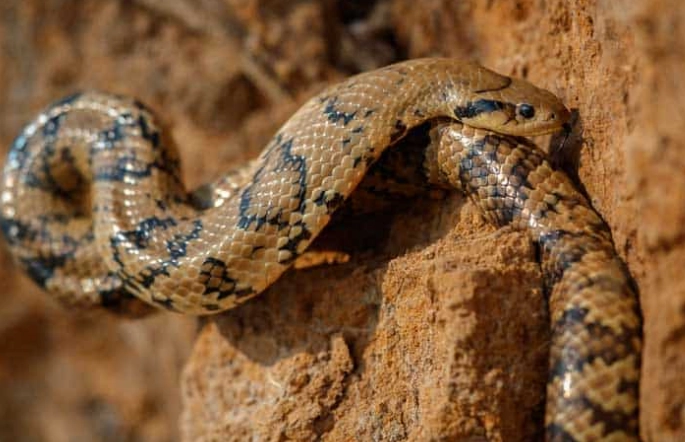
Your Questions, Answered
My snake's humidity is always too low, even with a big water bowl. What can I do?
Cover part of the screen lid with aluminum foil or a piece of acrylic to trap moisture. Switch to a substrate that holds humidity better, like coconut fiber. You can also add a humid hide—a plastic container with a hole cut in it, filled with damp sphagnum moss—especially during shed cycles. Avoid misting the entire enclosure frequently, as it can lead to scale rot if the substrate is constantly wet.
How do I safely handle my new snake?
Wait at least a week after bringing it home, and after it has eaten and digested its first meal with you. Start with short, 5-10 minute sessions a couple of times a week. Move slowly and confidently. Support its body fully—don't let it dangle. Always wash your hands before and after. If it's a species known for being nippy as a juvenile (like many kingsnakes), use a snake hook to gently lift it out of the enclosure before handling to break the "opening cage = food" association.
My ball python hasn't eaten in 2 months, but its weight is stable. Should I force-feed?
Absolutely not. Force-feeding is incredibly stressful and a last-resort veterinary procedure. A healthy adult ball python can fast for many months without issue, especially during cooler months. As long as weight loss is minimal (weigh it monthly with a gram scale), and your husbandry is perfect, the best thing to do is offer an appropriately sized prey item every 2-3 weeks. Try different methods: leave it overnight in a small, ventilated container with the rodent, or try a different color or size of rodent. Often, they just start eating again on their own when they're ready.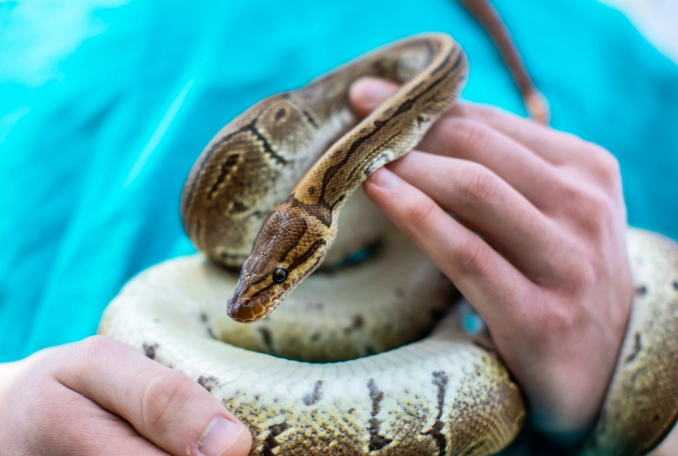


Join the Conversation