Owning a green parrot—whether it's a vibrant Amazon, an intelligent African Grey, or a chatty Quaker—is a decades-long commitment, not a casual hobby. It's messy, loud, expensive, and one of the most rewarding relationships you can have with an animal. Most care guides give you the basics. I've spent over a decade living with parrots, volunteering at a rescue, and I'll tell you the stuff that often gets left out: the subtle mistakes that lead to behavioral issues, the diet hacks that actually work, and how to set up a cage that promotes mental health, not just survival.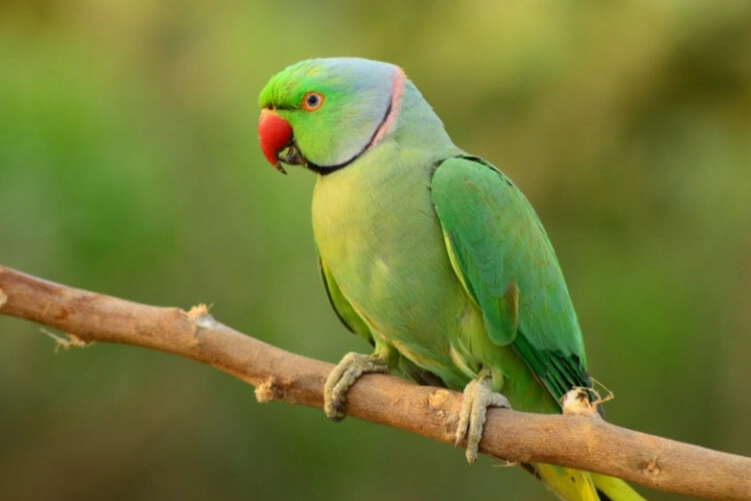
Your Quick Guide to Green Parrot Care
First, Know Your Specific Green Parrot
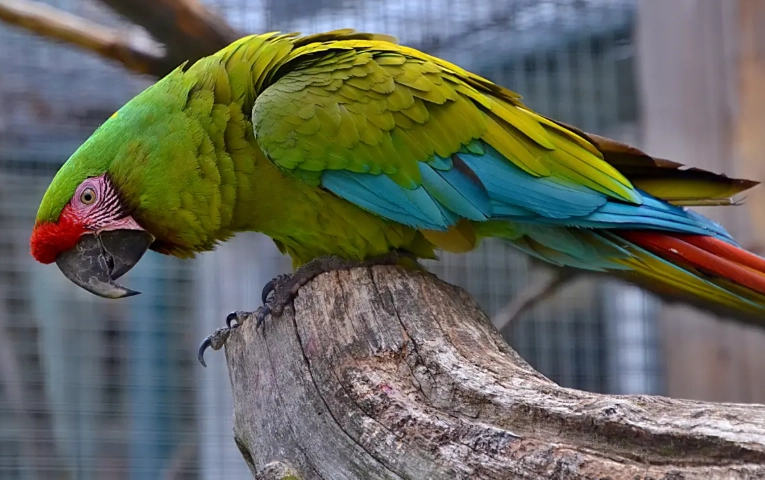
"Green parrot" isn't one bird. Caring for a petite 30-gram Budgie is worlds apart from caring for a 500-gram Double Yellow-headed Amazon. Your entire approach—cage size, diet complexity, noise level expectation—hinges on the species. Getting this wrong is the root of most rehoming situations.
Here’s a breakdown of common green parrots and their non-negotiable needs:
>Hormonal aggression can be significant. Loud, joyous calls. Need clear boundaries and lots of out-of-cage time for exercise.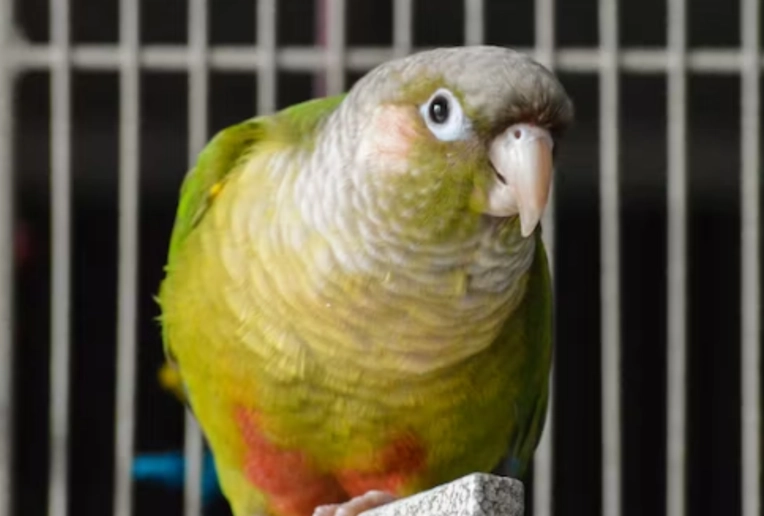
| Species (Common Green Types) | Adult Size & Lifespan | Key Care Focus & Potential Challenges | Minimum Cage Size (LxWxH) |
|---|---|---|---|
| African Grey (Timneh, Congo) | 12-14 inches, 40-60 years | Extreme mental stimulation needed. Prone to feather plucking from boredom or stress. Dusty. Requires complex puzzle toys daily. | 36" x 24" x 48" |
| Amazon Parrot (Yellow-headed, Blue-fronted) | 10-18 inches, 40-60 years | 34" x 24" x 36" | |
| Quaker Parrot (Monk Parakeet) | 11-12 inches, 20-30 years | Notorious nest builders. Will try to turn your entire cage into a fortress. Can be territorially aggressive around their cage. Check local legality. | 24" x 24" x 30" |
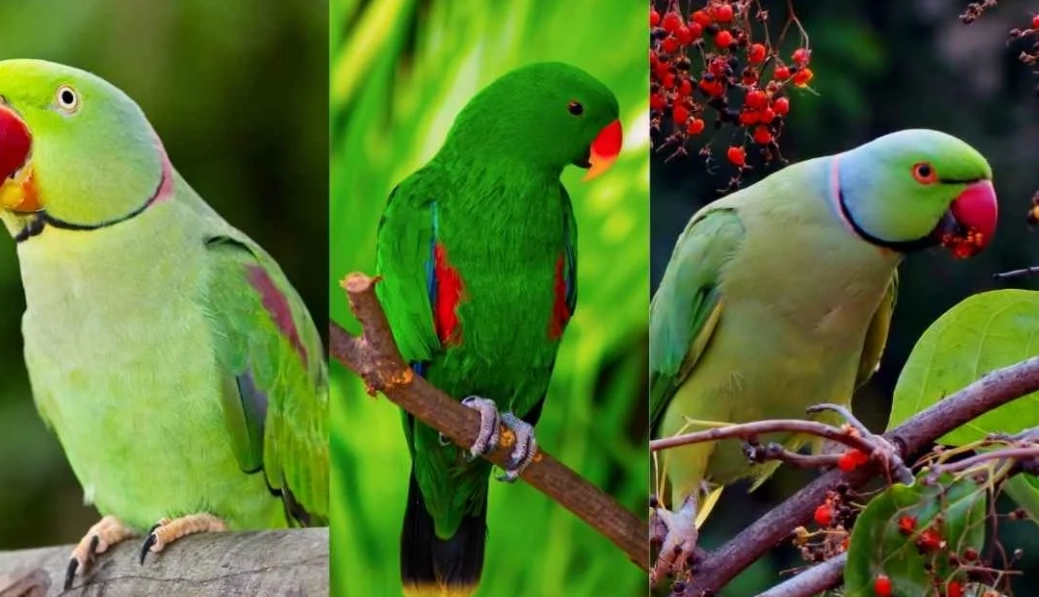
| Indian Ringneck Parakeet | 14-17 inches, 25-30 years | Often independent and "birdy." Can become nippy if not socialized consistently. Many go through a bluffing stage as juveniles. | 30" x 20" x 36" |
| Budgerigar (Budgie) | 6-8 inches, 7-15 years | Flock animals, ideally kept in pairs. A solitary budgie demands hours of daily interaction. Prone to thyroid issues on all-seed diets. | 18" x 18" x 24" (for one) |
See the pattern? Bigger bird, bigger problems if their needs aren't met. That lifespan column isn't decorative. I've met 40-year-old Amazons on their third home. It's heartbreaking.
The Green Parrot Diet: Beyond Seed Mix
An all-seed diet is like feeding a child nothing but french fries. It leads to fatty liver disease, obesity, and a shortened life. The goal is a pellet-based diet, supplemented with fresh vegetables, a limited amount of fruit, and healthy grains. The World Parrot Trust has extensive resources on shifting birds to healthier diets.
A common mistake I see? People offer a fruit and veggie chop, but it's 70% sweet fruit (apple, grapes, banana) and 30% veg. The parrot picks out the fruit and ignores the veggies. You've just trained a picky eater.
My Daily Chop Formula: 50% dark leafy greens (kale, chard, cilantro), 30% other veggies (sweet potato-cooked, bell peppers, zucchini), 15% legumes/grains (cooked quinoa, chickpeas), 5% fruit (berries, papaya). I pulse it in a food processor, freeze it in portions, and thaw a daily serving. It works.
Foods to Avoid Completely
Avocado, chocolate, caffeine, alcohol, onion, garlic, fruit pits/seeds (like apple seeds), and anything with high salt, sugar, or fat. Also, non-stick cookware fumes (Teflon) are lethal to birds in minutes. I stopped using it entirely.
How to Set Up the Perfect Green Parrot Cage
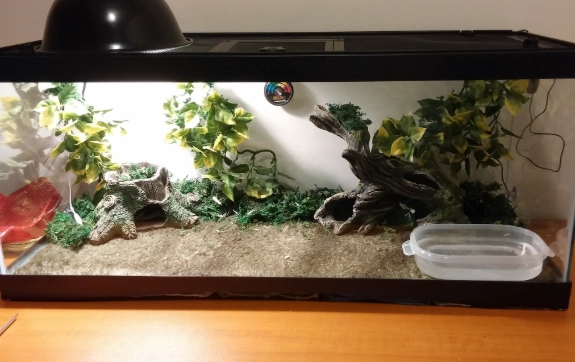
The cage is your parrot's bedroom and dining room. It should be a safe, engaging space, not a barren prison. Bar spacing is critical—too wide, and a curious head can get stuck.
The biggest error? Placing perches in a straight line at the same height, with food and water at one end. This creates zero incentive to move. Parrots need to climb, hop, and stretch.
- Placement: In a corner where two walls meet, or against a wall. This provides security. Keep it away from direct drafts, intense direct sunlight, and the kitchen (fumes). But place it where the family lives—a lonely bird in a spare room is a sad bird.
- Perches: Ditch the smooth, uniform dowel perches. They cause pressure sores on feet. Use natural wood branches of varying diameters (manzanita, dragonwood). Place the highest perch not directly over food/water to avoid contamination.
- Toys: This is non-negotiable. You need a mix: Destructive (soft wood, cardboard, paper), Foraging (puzzle boxes, cups with hidden treats), and Manipulative (plastic chains, bells). Rotate a few every week to prevent boredom.
Width is more important than height. A parrot needs to fully stretch its wings and flap without hitting the sides. The minimum sizes in the table above are just that—minimums. Go bigger if you can.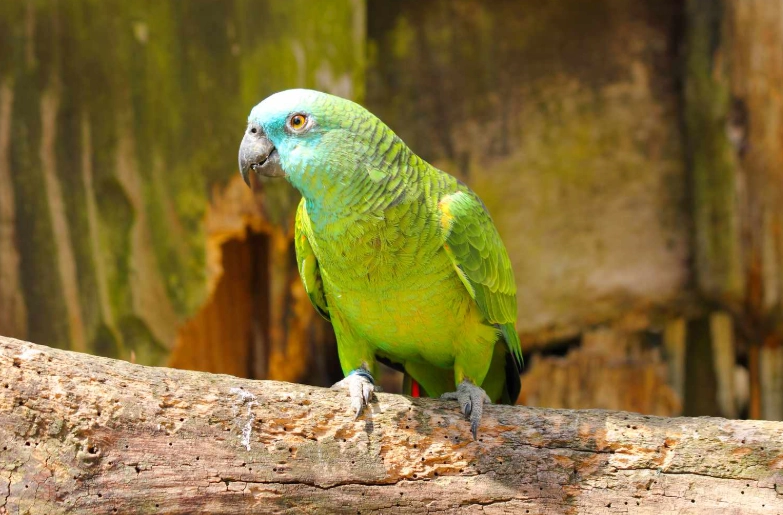
Understanding Green Parrot Behavior & Language
Parrots don't act out to be "bad." Every behavior is communication. Screaming, biting, and feather plucking are distress signals.
Scenario: Your Amazon screams every evening at 6 PM. You yell "Quiet!" and cover the cage. What did you teach him? Screaming gets your immediate attention (even if it's negative) and ends with the drama of being covered. You've reinforced the scream.
A better approach: Ignore the unwanted scream (truly, no reaction). The second there's a moment of quiet, even two seconds, walk over calmly and reward with a quiet word or a small treat. You reward the quiet, not the noise. It takes consistency.
Biting: Never hit or yell. It destroys trust. If bitten, put the bird down calmly and walk away for a few minutes. You're teaching that biting ends the fun interaction. Look for the antecedent—were you ignoring body language (pinned eyes, raised feathers)? Were you handling during hormonal season?
Positive Body Language
Soft, relaxed feathers; gentle grinding of the beak (contentment); one foot tucked up (relaxed); preening in your presence (trust).
Warning Signs
Pinned eyes (rapidly contracting/expanding pupils), raised feathers on the back of the neck, a stiff posture, lunging. These mean "back off." Listen to them.
A Realistic Daily & Weekly Care Routine
Ideals are great, but life is messy. Here's a sustainable routine:
Morning (15-20 mins): Uncover cage. Offer fresh pellet food. Change water (scrub the bowl—biofilm builds up fast). Offer a small portion of fresh chop. A quick head scratch if your bird is into it.
Evening (1+ hour, critical): This is your main interaction window. Let the bird out for supervised play on a stand or play gym. Train for 5-10 minutes (step-up, target training). Offer a foraging toy. Socialize. Then, offer the main meal of pellets/chop if you follow a twice-daily feeding schedule. This mimics their natural forage-eat-rest cycle.
Weekly: Deep clean the cage tray and grate. Wash all perches and toys. Change/launder cage liner. Weigh your bird (a kitchen gram scale is your best health monitor—weight loss is often the first sign of illness).
Find an avian-certified vet before you need one. Regular checkups are crucial. A dog/cat vet often lacks the specific knowledge for parrot physiology.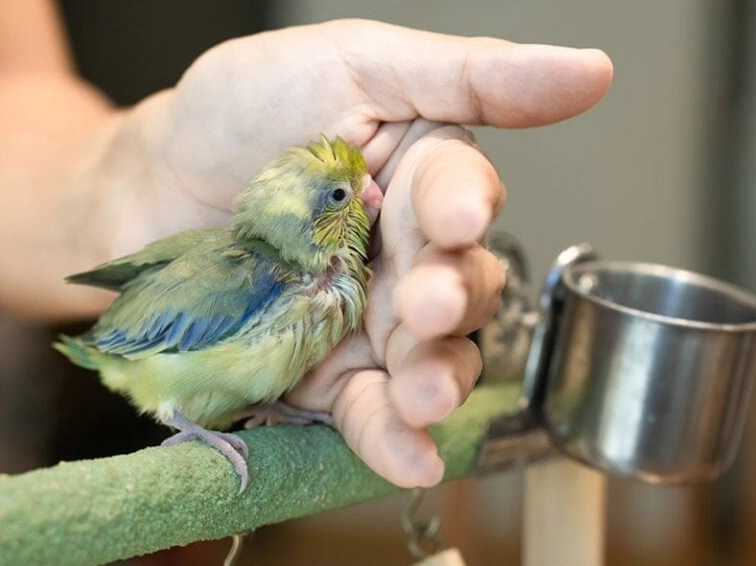
Your Green Parrot Care Questions Answered
My green parrot screams constantly when I leave the room. What am I doing wrong?
How do I convert my seed-addicted older parrot to a healthy diet?
 Is it cruel to clip a green parrot's wings?
My Amazon parrot gets super aggressive every spring. Is this normal?
What are the first signs my green parrot might be sick?


Join the Conversation