After a decade of testing cat litters with my three indoor cats, I've learned that the "best" one isn't a single product—it's about matching litter to your cat's habits and your home's needs. Let's cut to the chase: clumping clay litter often tops lists for convenience, but silica gel or natural options might be better for allergies or eco-conscious homes. In this guide, I'll break down everything from dust levels to cost, so you can make an informed choice without the marketing hype.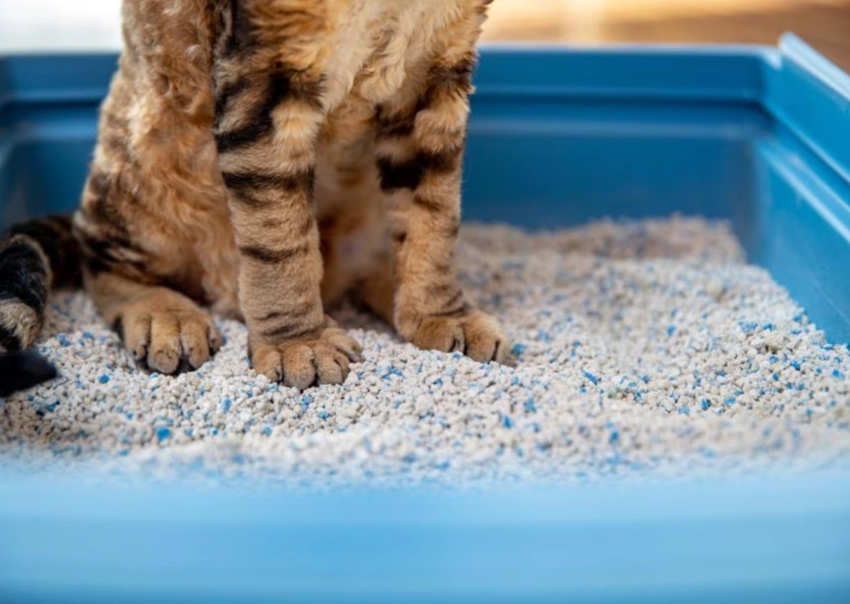
What's Inside This Guide?
- Why Picking the Right Cat Litter Is Crucial for Indoor Cats
- Top Cat Litter Types for Indoor Cats: A Side-by-Side Look
- How to Choose the Best Cat Litter: 5 Essential Factors
- My Expert Recommendations: Top Picks for Different Scenarios
- Common Cat Litter Mistakes You Might Be Making
- FAQ: Answers to Your Burning Cat Litter Questions
Why Picking the Right Cat Litter Is Crucial for Indoor Cats
Indoor cats spend their entire lives in a confined space, so their litter box becomes a central part of their environment. Get it wrong, and you're dealing with odors, tracking, or even health issues. I once used a dusty litter that left my cat sneezing—a vet visit later, I switched to low-dust options and saw an immediate improvement.
Health is a big deal. Poor litter can lead to respiratory problems in cats or humans, especially if it's high in silica dust. Then there's behavior: cats are picky. If they dislike the litter, they might avoid the box, leading to accidents. A study from the American Association of Feline Practitioners notes that litter box avoidance is a common issue linked to substrate preference.
Health Considerations You Might Overlook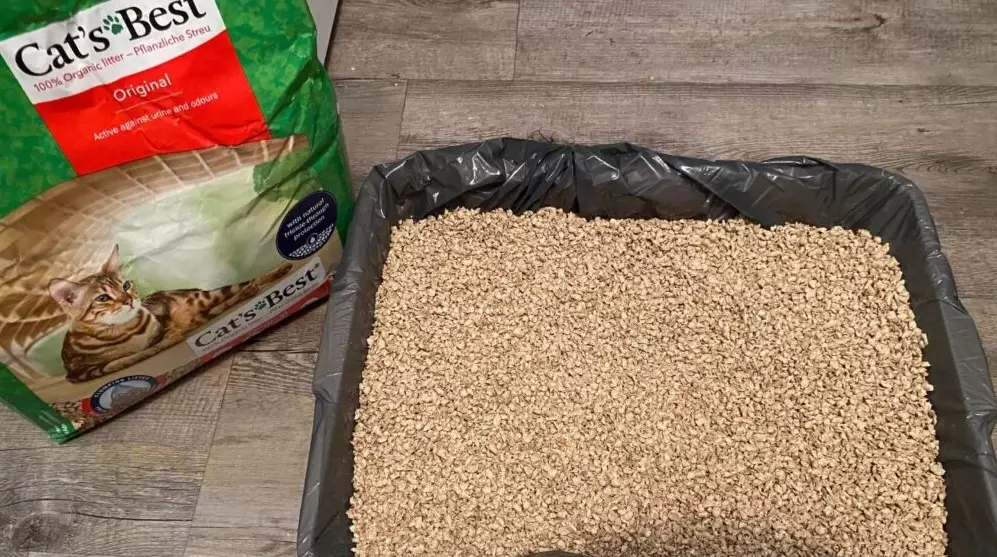
Many owners focus on odor control but ignore dust. Dust particles can aggravate asthma in cats and people. I've found that lightweight litters often kick up more dust, despite claims of being "low-dust." Another point: scented litters. They mask smells for us, but strong perfumes can irritate a cat's sensitive nose, causing stress.
Think about long-term exposure. Clay litters contain sodium bentonite, which expands when wet—great for clumping, but if ingested, it can cause intestinal blockages. That's why I'm cautious with kittens or cats that nibble on litter.
Top Cat Litter Types for Indoor Cats: A Side-by-Side Look
Let's compare the main types. I've used them all, and each has pros and cons. Here's a table to summarize, but I'll dive into details after.
| Litter Type | Clumping Ability | Odor Control | Dust Level | Tracking | Average Price per Month |
|---|---|---|---|---|---|
| Clumping Clay | Excellent | Good (with baking soda) | Moderate to High | High | $15-$25 |
| Silica Gel Crystals | Non-clumping | Excellent | Very Low | Low | $20-$30 |
| Natural/Plant-based (e.g., pine, corn) | Varies (some clump) | Fair to Good | Low | Moderate | |
| Non-Clumping Clay | None | Poor | High | High | $10-$20 |
| Recycled Paper | Non-clumping | Fair | Very Low | Low | $15-$25 |
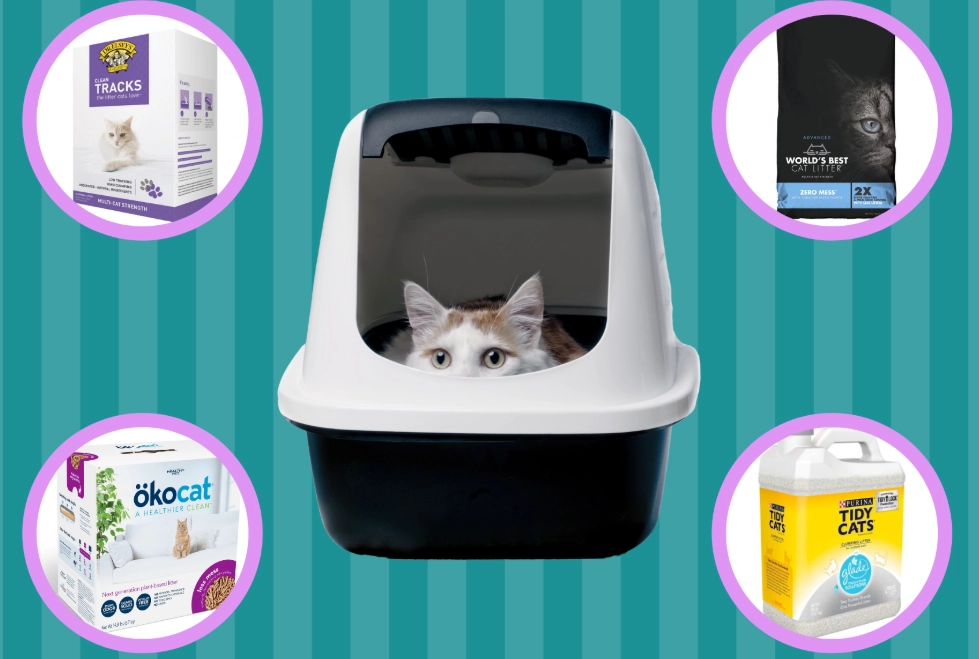
Clumping clay litter, like Dr. Elsey's, is popular for a reason. It forms solid clumps that are easy to scoop, keeping the box fresh longer. But it's heavy and dusty. I remember lugging 40-pound bags up stairs—not fun.
Silica gel litter, such as Pretty Litter, uses crystals that absorb moisture and neutralize odor. It's lightweight and low-dust, but some cats dislike the texture. My cat Leo took weeks to adjust, and it's pricier upfront.
Natural litters, like World's Best Cat Litter (made from corn), are biodegradable and often low-dust. They clump well, but tracking can be an issue—tiny granules end up everywhere. For eco-friendly homes, this is a top contender, though moisture can lead to mold if not changed regularly.
How to Choose the Best Cat Litter: 5 Essential Factors
Don't just grab the first bag you see. Consider these factors based on your situation.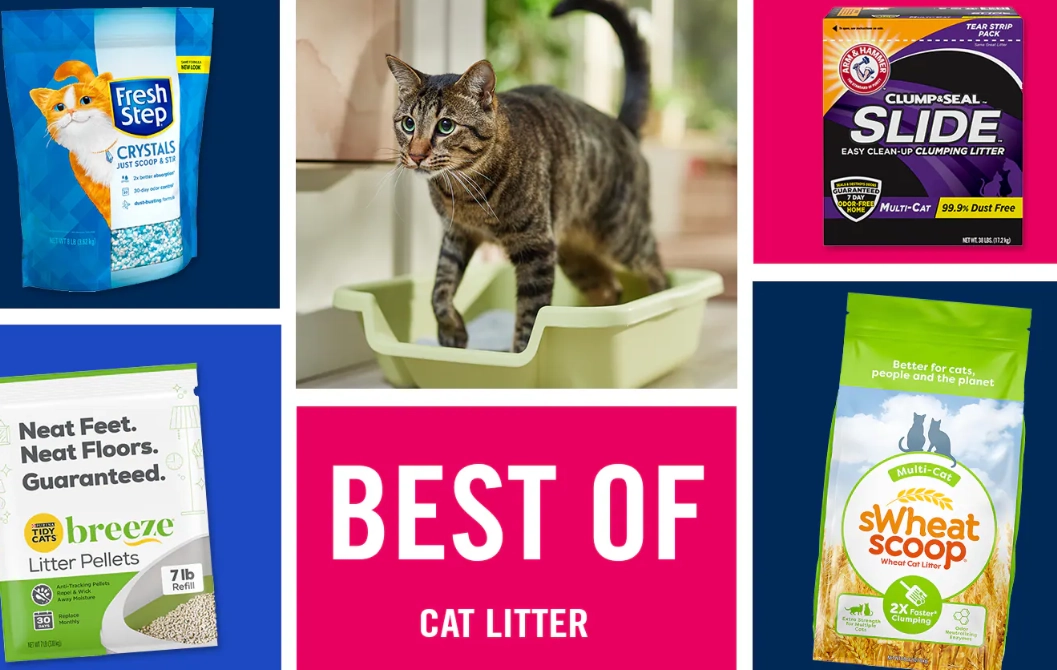
1. Clumping Ability: Convenience vs. Cost
Clumping litter makes daily cleanup a breeze. Scoop out the waste, and you're done. But it tends to be more expensive. Non-clumping litter requires full changes more often, which can be cheaper but labor-intensive. I've found that for single-cat households, clumping saves time; for multi-cat homes, non-clumping might mean more frequent changes anyway.
2. Odor Control: What Really Works
Odor control isn't just about masking smells—it's about absorption. Silica gel excels here because it traps moisture and ammonia. Clay litters rely on additives like baking soda. A tip: avoid heavily scented litters. They can overwhelm cats and don't solve the root problem. Instead, look for litters with activated charcoal or natural enzymes.
3. Dust and Tracking: The Hidden Nuisances
Dust isn't just messy; it's a health hazard. Low-dust litters, like silica or paper-based, are better for homes with allergies. Tracking—when litter sticks to paws and spreads—is another headache. Larger granules or heavier litters track less. I use a litter mat, but some litters still escape. Pine pellets, for instance, are low-tracking but don't clump.
4. Cat Preference: The Ultimate Decider
Your cat's opinion matters most. Cats prefer fine-textured, unscented litter. If you switch abruptly, they might protest. Introduce new litter gradually by mixing it with the old. I learned this the hard way when my cat refused to use a silica litter box until I blended it with her familiar clay.
5. Price and Availability: Practical Considerations
Budget is real. Clay litter is cheap and available everywhere. Silica gel costs more but lasts longer if managed well. Natural litters can be mid-range. Calculate cost per month: a $30 bag of silica might last a month for one cat, while clay might need two bags. Also, check local stores or online retailers like Chewy or Amazon for deals.
My Expert Recommendations: Top Picks for Different Scenarios
Based on my experience, here are specific recommendations. I've included prices and where to buy, but note that prices vary.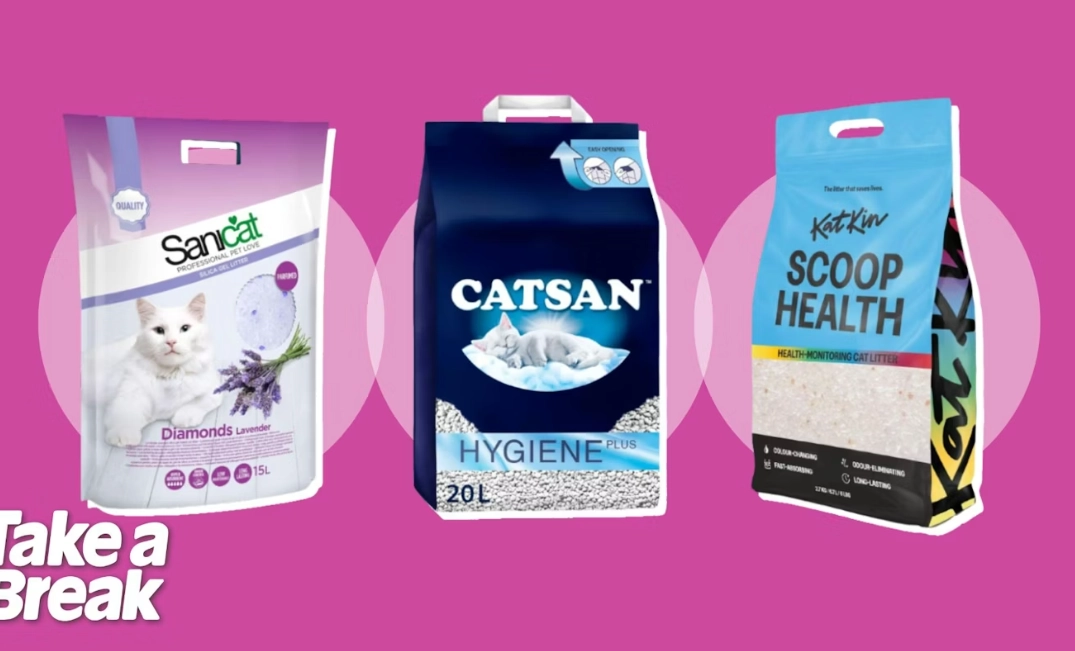
For Most Households: Dr. Elsey's Ultra Premium Clumping Cat Litter. It's a clay litter with low dust and strong clumping. A 40-pound bag costs around $20 on Chewy and lasts a month for two cats. Downsides: it's heavy and can track.
For Odor Control: Pretty Litter Silica Gel Cat Litter. This subscription-based litter changes color to indicate health issues (like UTIs). A 4-pound bag is about $24 per month. It's lightweight and almost dust-free, but some cats find the crystals odd.
For Eco-Conscious Owners: World's Best Cat Litter (Corn Formula). Made from corn, it clumps well and is flushable in small amounts. A 28-pound bag runs $25-$30. Tracking can be moderate, and it might attract pests if not stored properly.
For Budget Buyers: Arm & Hammer Clump & Seal Multi-Cat Litter. A 40-pound bag is under $20 at Walmart. It uses baking soda for odor control and clumps tightly. However, dust levels are higher, and it's not ideal for sensitive cats.
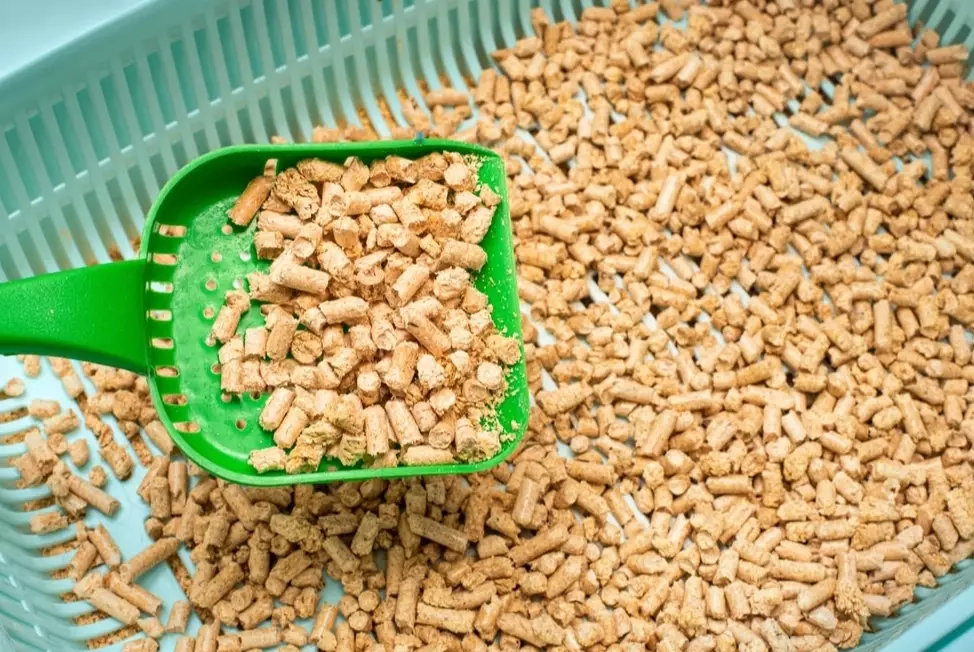
For Low-Dust Needs: ökocat Natural Wood Cat Litter. Made from reclaimed wood, it's lightweight, low-dust, and biodegradable. A 20-pound bag costs $25. It doesn't clump as firmly as clay, but it controls odor well.
Common Cat Litter Mistakes You Might Be Making
Even experienced owners slip up. Here are subtle errors I've seen—and made myself.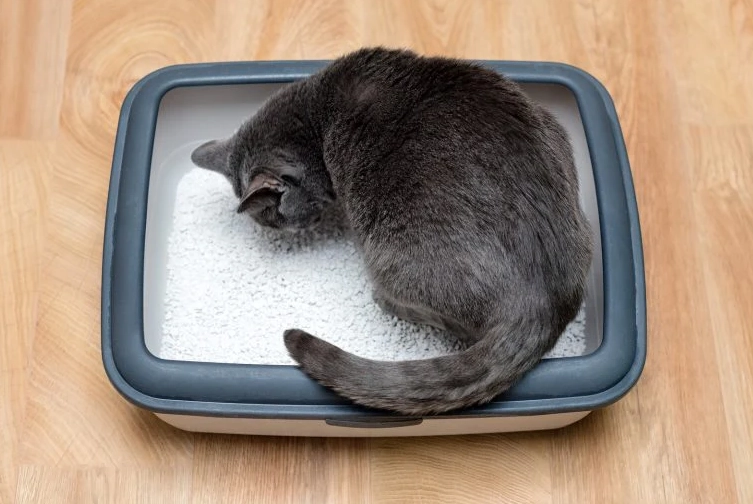
Over-scooping: Yes, too much cleaning can be bad. If you remove all the litter too often, you disrupt the scent markers that comfort your cat. Scoop daily, but leave some clean litter in the box.
Ignoring box size: Litter depth matters. Most cats prefer 2-3 inches of litter. Too shallow, and it won't clump; too deep, and they sink in. I use a ruler to check monthly.
Using liners: Plastic liners seem convenient, but cats can get their claws stuck, causing stress. I stopped using them after my cat ripped one apart, making a mess.
Mixing litters haphazardly: Combining different types can alter clumping or odor control. If you must mix, do it gradually and stick to similar textures.
FAQ: Answers to Your Burning Cat Litter Questions
 Can scented litter help with persistent odor issues?
 Choosing the best cat litter for indoor cats boils down to balancing your needs with your cat's comfort. Start by assessing factors like dust, odor, and cost, then test a small bag before committing. Remember, a happy cat means a cleaner home. If you have more questions, drop a comment—I've been through it all, from litter disasters to success stories.

Join the Conversation