Getting rabbit food right is more than just filling a bowl with pellets. What a bunny needs at eight weeks old is a world away from what keeps a seven-year-old senior hopping happily. I've seen too many owners, with the best intentions, follow generic advice that leads to digestive trouble or nutritional gaps. The secret isn't a single perfect food, but a roadmap that changes as your rabbit grows. This guide breaks down exactly what to feed, how much, and when to switch things up for every life stage.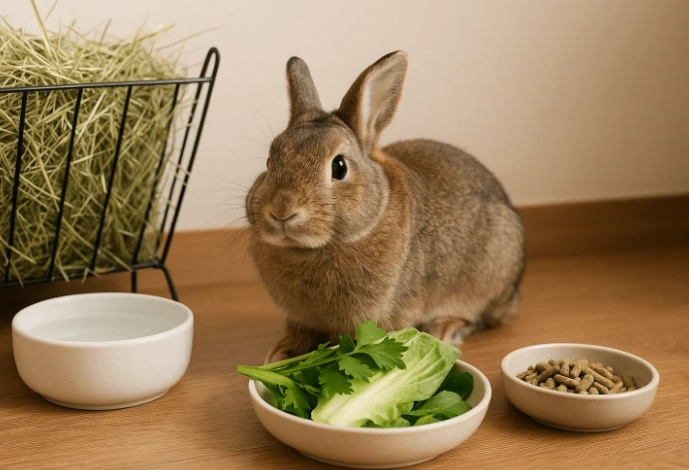
Your Quick Feeding Roadmap
Newborn to Weaning (0-8 Weeks): The Milk-Only Phase
For the first couple of weeks, it's simple: mom's milk is everything. If you're caring for orphans, this is the most critical period. Kitten milk replacer (KMR) or a specific rabbit milk replacer is your only option. Cow's milk will cause severe diarrhea and can be fatal.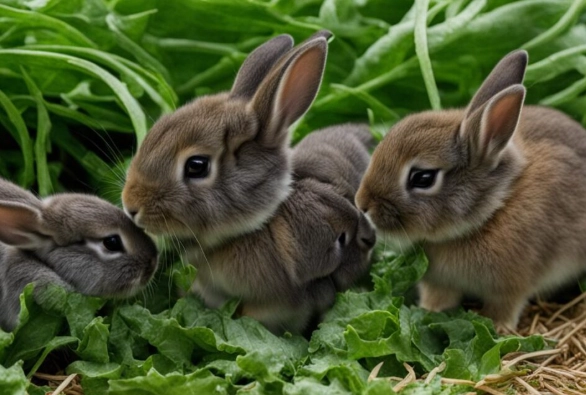
Here's a schedule I followed when hand-rearing a litter after their mother fell ill:
- Frequency: Twice a day is a myth that leads to starvation. Newborns need feeding every 4-6 hours, even through the night for the first week.
- Amount: Start with about 2-5 ml per feeding, increasing as they grow. A good rule is about 5% of their body weight per feed.
- Method: Use a small syringe or pet nursing bottle. Go slow. Aspiration (milk going into the lungs) is a real danger.
A Note on Cecotropes: This is a weird but vital one. Baby rabbits need to ingest their mother's cecotropes (the soft, nutrient-rich fecal pellets) to establish healthy gut flora. If hand-rearing, some experts recommend adding a crushed, fresh cecotrope from a healthy adult rabbit to the milk replacer once a day after the first week. It's not always practical, but it highlights how crucial the mother's role is.
Around three weeks, you'll see them start to nibble on mom's hay and pellets. This is the start of weaning. By eight weeks, they should be fully weaned and eating solid food.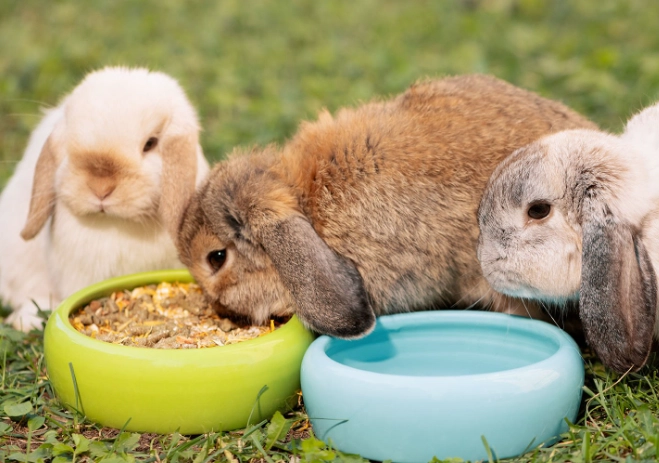
The Juvenile Stage (2-6 Months): Building the Foundation
This is the growth spurt phase. Their bones and muscles are developing rapidly, so their diet supports that. The biggest mistake here is treating them like mini-adults too soon.
| Food Type | Role & Importance | Daily Amount & Notes |
|---|---|---|
| Alfalfa Hay | Primary food source. Higher in calcium and protein than grass hay, which supports rapid growth. | Unlimited, 24/7 access. This should make up 80% of their diet. |
| Junior/Growth Pellets | Concentrated nutrition. Provides extra protein (16-18%) and vitamins. | About 1/4 cup per 3 lbs of body weight. Choose a plain, timothy or alfalfa-based pellet. |
| Leafy Greens | Introduces variety and moisture. Start building a tolerant gut microbiome. | Introduce SLOWLY at 12 weeks. Start with one type (like romaine), a small leaf every other day. Watch for soft stools. |
| Water | Essential for all bodily functions, especially when eating dry hay. | Unlimited fresh water in a heavy bowl (better than a bottle). |
The transition from alfalfa to grass hay (timothy, orchard, meadow) usually happens around the 6-7 month mark. Don't switch cold turkey. Mix them over 2-3 weeks, increasing the grass hay ratio each day.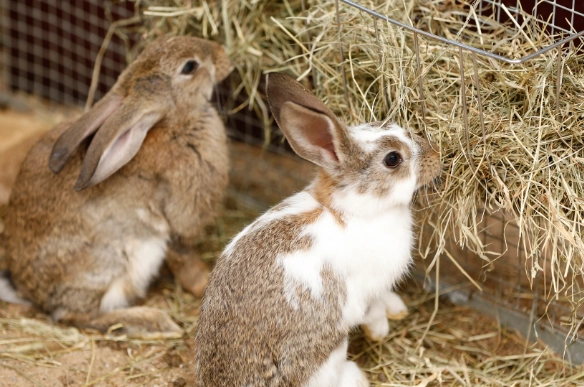
Young Adult to Mature Adult (7 Months - 5 Years): The Hay-Based Maintenance Diet
This is the longest life stage, and the diet here is all about maintenance and preventing obesity. The core principle is simple: hay, hay, and more hay. According to the House Rabbit Society, hay should constitute about 80% of an adult rabbit's diet. Pellets become a supplement, not a staple.
How to Structure the Daily Adult Rabbit Menu
Think of it like this:
- Breakfast & All Day: A huge pile of timothy or other grass hay. I mean, a pile bigger than they are. It should never run out.
- Lunch/Dinner: A measured portion of pellets and a generous salad of leafy greens.
Let's get specific on portions for a standard 5-6 lb rabbit: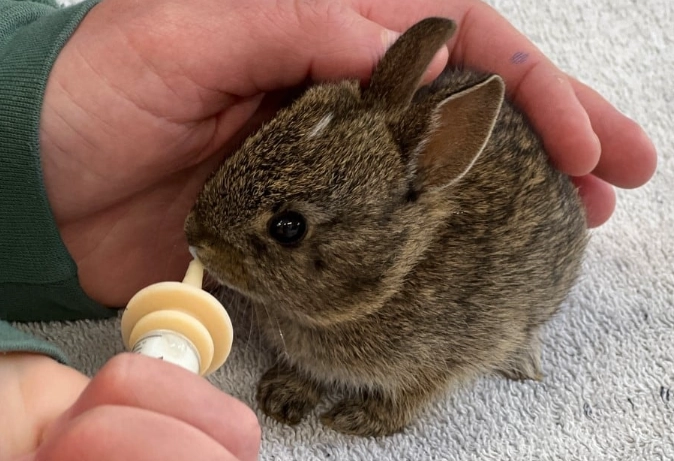
Pellets: 1/4 cup maximum per day. Yes, that's it. The bag's instructions often recommend way more. Overfeeding pellets is the #1 cause of an overweight, picky rabbit who ignores their hay. Choose a high-fiber (18%+), timothy-based pellet.
Greens: About 2 packed cups of varied leafy greens daily. Rotate between romaine, green leaf, red leaf, cilantro, parsley, dandelion greens, and the dark parts of carrot tops.
Treats: Fruit (apple, banana, berry) or carrot should be a tiny treat—no more than 1-2 tablespoons total, 2-3 times a week.
This diet keeps their teeth worn down (hay is abrasive), their gut moving (fiber is king), and their weight in check.
Senior Rabbits (6+ Years): Adjusting for Aging
Senior rabbits have different needs that often get overlooked. They might struggle to keep weight on, have dental issues that make chewing hay painful, or have slower digestion.
Here’s where standard advice fails. Many sources just say "continue the adult diet," but that can lead to weight loss and discomfort.
- Hay First, But Be Flexible: If your senior struggles with long-strand hay, try chopping it up with scissors or offering softer "third-cut" timothy hay. Orchard grass is also softer. The goal is still fiber intake, even if the form changes.
- Pellets as a Calorie Boost: You might need to slightly increase pellets if they are losing weight, or switch to a senior formula if available. Conversely, if they are inactive and gaining, you might cut back further.
- The Protein Question: A subtle point: some older rabbits benefit from a slight bump in protein to maintain muscle mass. This doesn't mean more pellets. It could mean offering a few sprigs of parsley or adding a small amount of alfalfa hay back into their mix.
- Hydration is Critical: Older kidneys work harder. Ensure multiple water sources are available. Soaking leafy greens in water before serving adds moisture.
Monitor their weight monthly. A kitchen scale is your best friend. A gradual loss means the diet needs tweaking.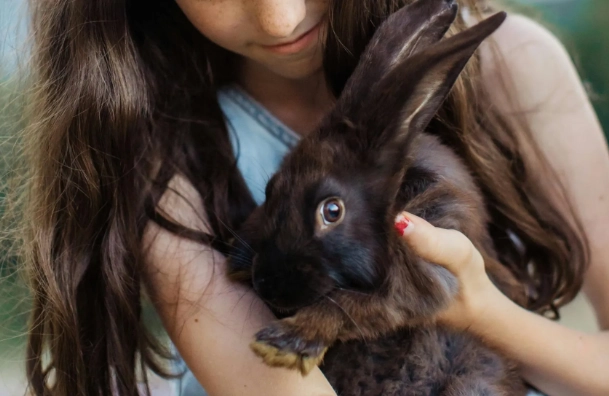
Common Feeding Mistakes to Avoid at Any Age
I've made some of these myself early on. Learning the hard way isn't fun.
Mistake 1: The All-You-Can-Eat Pellet Buffet. This creates lazy eaters, leads to obesity, and is a direct path to dental problems and GI stasis. Measure those pellets.
Mistake 2: Introducing new foods too fast. A rabbit's gut flora is delicate. Adding three new greens at once is asking for a gas attack. One new item per week, in a tiny amount, is the safe way.
Mistake 3: Feeding "gourmet" mixes. Those colorful pellets with seeds, corn, and dried bits are junk food. Rabbits selectively eat the tasty, unhealthy parts and leave the nutritious pellets. They also cause choking and digestive blockages.
Mistake 4: Assuming a rabbit will stop eating when full. Rabbits, especially with sugary foods, often won't. It's your job to be the portion controller.
Your Rabbit Feeding Questions Answered
My 4-month-old rabbit suddenly has soft cecotropes and isn't eating them. What did I do wrong?
This is classic in juveniles transitioning off alfalfa or being overfed pellets. The diet is too rich. First, cut the pellet amount in half for a few days. Ensure the hay is unlimited and high-quality. The soft cecotropes mean their gut is producing more than they need, often due to excess protein or carbs. It's usually a dietary imbalance, not an illness, but if it persists or they stop eating entirely, see a vet.
How can I get my adult rabbit to eat more hay if they're obsessed with pellets?
You have to play the long game. Gradually reduce their daily pellet ration over two weeks. Don't give in to the begging. Try different types of hay—offer a sampler box with oat, orchard, and botanical hays. Make it fun: stuff hay into cardboard tubes or paper bags with a few herbal treats hidden inside. The key is consistency. They won't starve themselves; they'll eat the hay when the pellets are limited.
My senior rabbit has lost a tooth. What can I feed besides mushy pellets?
Hay is still non-negotiable for fiber. Try grating or finely chopping hay and moistening it with a bit of water or unsweetened herbal tea (like chamomile) to make a "hay mash." You can also puree leafy greens with water. Soaked, high-fiber pellets can be part of the mix, but the bulk should still come from processed hay and greens to maintain gut motility. Consult your vet about possible critical care formula supplementation.
Are there any vegetables that are actually bad for rabbits, even in small amounts?
Yes, and this list surprises people. Avoid iceberg lettuce (very low nutrient, can cause diarrhea), potatoes and potato tops, rhubarb, and all parts of onions and garlic. Also, avoid legumes (beans, peas) as regular food—they're too gassy. Stick to the leafy greens and herbs you know are safe.
Feeding your rabbit isn't a set-and-forget task. It's an ongoing conversation that changes with their age, health, and even the season. Start with this age-based framework, observe your individual bunny's weight and poop (it tells you everything), and don't be afraid to adjust. A proper diet is the single biggest thing you can do for their long-term health and happiness.
Join the Conversation